
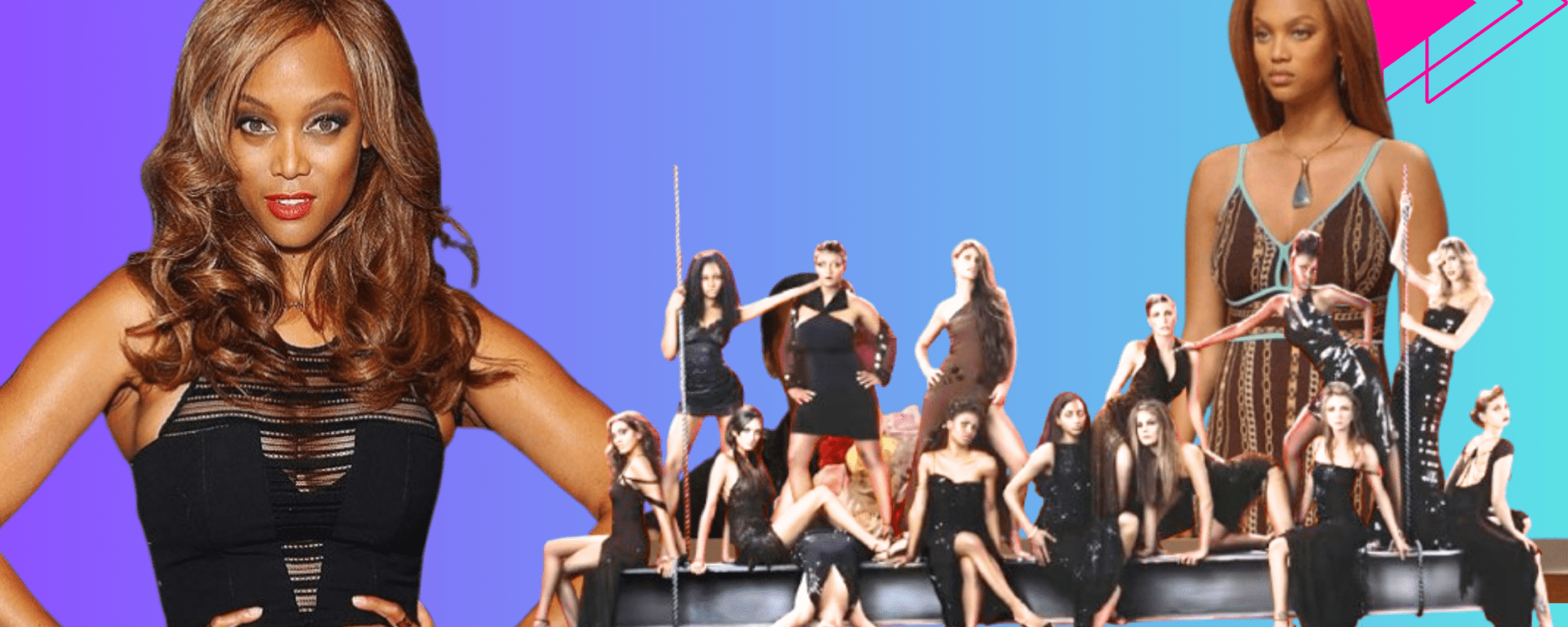

America’s Next Top Model was once celebrated as groundbreaking reality television. But years later, former contestants—and even Tyra Banks herself—are questioning whether the show crossed ethical lines. What really happened behind the scenes, and why is ANTM being re-examined today?
For more than a decade, America’s Next Top Model shaped how audiences understood beauty, ambition, and success in the fashion industry. It promised opportunity, transformation, and exposure. Yet with time, distance, and testimony from contestants, the show’s legacy has become far more complicated.
What once passed as “tough love” now looks like something else entirely.
Tyra Banks and the Power Behind the Brand
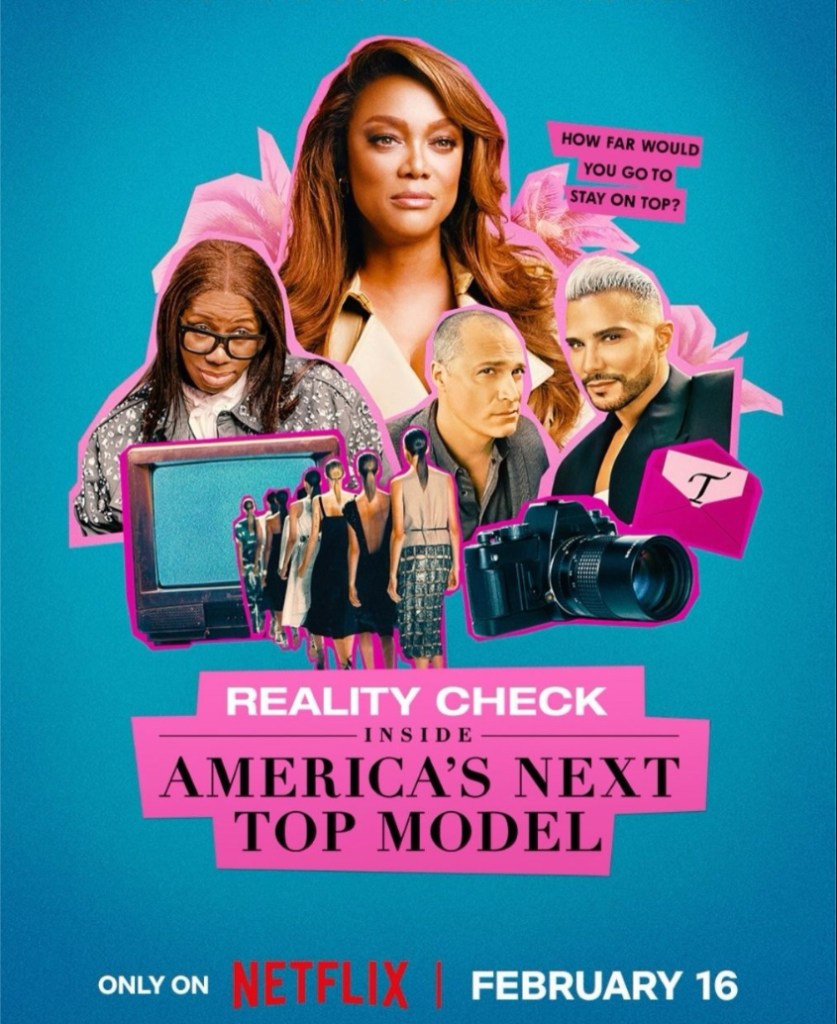
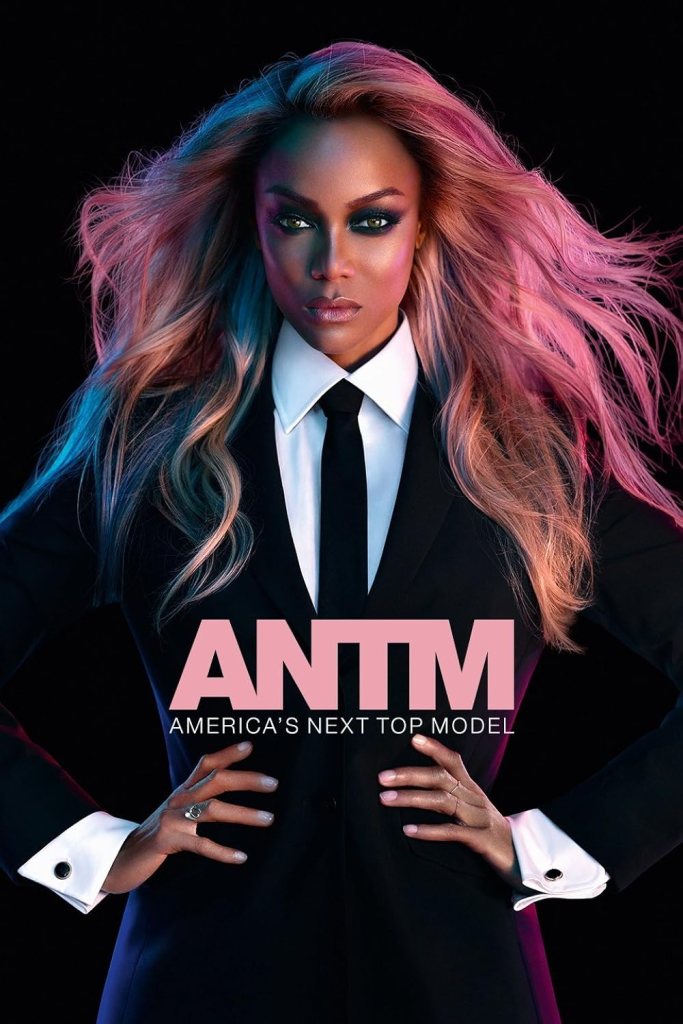
Tyra Banks wasn’t just the host of ANTM. She was its creator, executive producer, and ultimate authority. Her critiques were framed as industry truth, her judgments positioned as preparation for the harsh realities of modeling.
This created a powerful imbalance. Contestants—often young, inexperienced, and financially vulnerable—were expected to accept every challenge and critique without question. Saying no was rarely an option. Refusal could mean elimination, ridicule, or a damaging edit.
Years later, Tyra Banks has acknowledged that the show pushed boundaries too far. That admission alone changes the narrative—from disposable reality TV to something worth serious cultural examination.
Photoshoots That Haven’t Aged Well
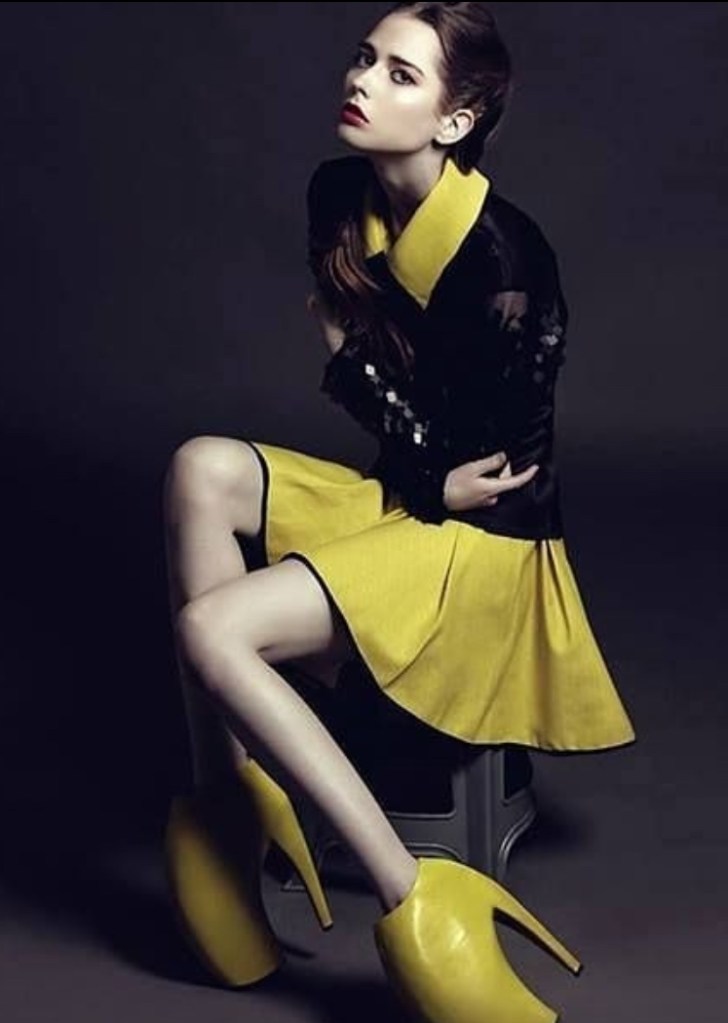
Many ANTM photoshoots were promoted as edgy and creative. In hindsight, some now appear culturally insensitive, racially tone-deaf, or deeply uncomfortable.
Contestants were sometimes asked to portray stereotypes, alter their appearances in extreme ways, or participate in concepts they didn’t fully understand until moments before filming. Several have since stated they didn’t feel informed—or empowered enough—to refuse.
What’s shifted isn’t just public opinion. It’s awareness. Modern audiences better understand how power dynamics affect consent, especially in high-pressure environments where compliance is rewarded and hesitation is punished.
Psychological Pressure as a Production Tool
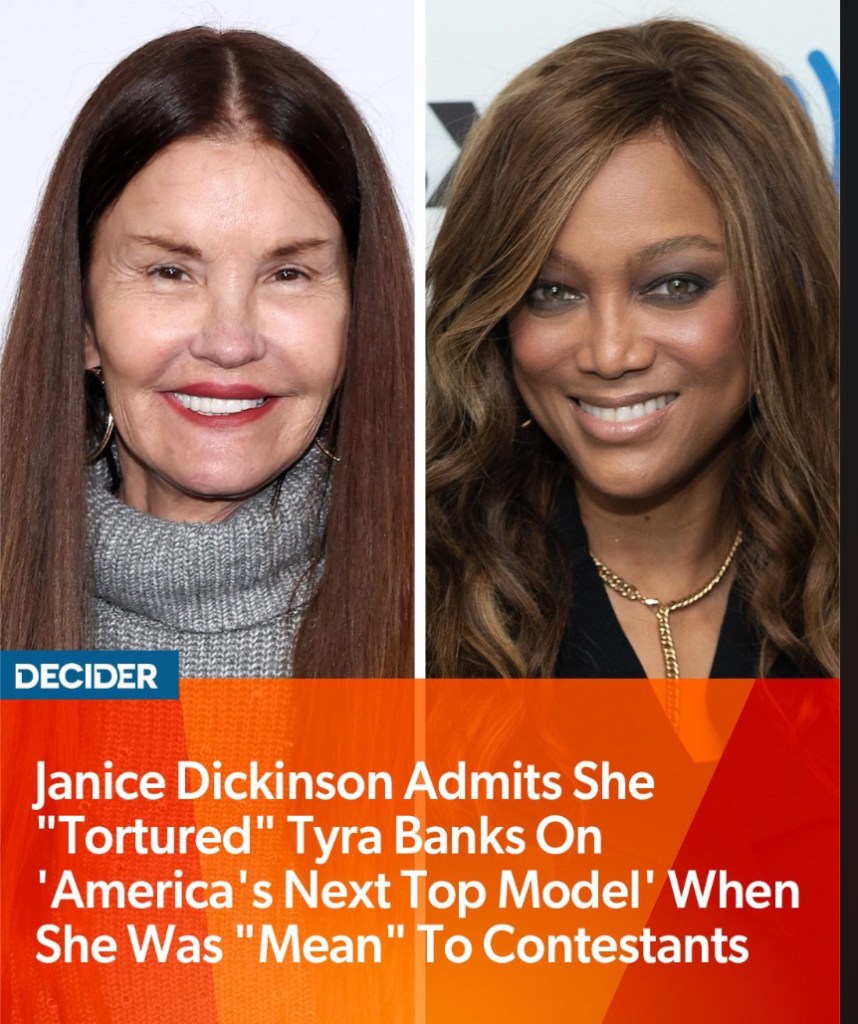
ANTM thrived on emotional intensity. Isolation from family, long filming hours, constant surveillance, and deliberately stressful challenges were part of the format.
Former contestants have described an environment that felt less like mentorship and more like psychological warfare. Insecurities were exposed, personal struggles amplified, and emotional breakdowns turned into storylines.
While viewers consumed the drama as entertainment, participants lived with the consequences long after filming ended. Reality TV blurred the line between documenting emotion and manufacturing distress.
When Challenges Became Legitimately Unsafe
Some challenges on ANTM weren’t just uncomfortable—they were physically dangerous.
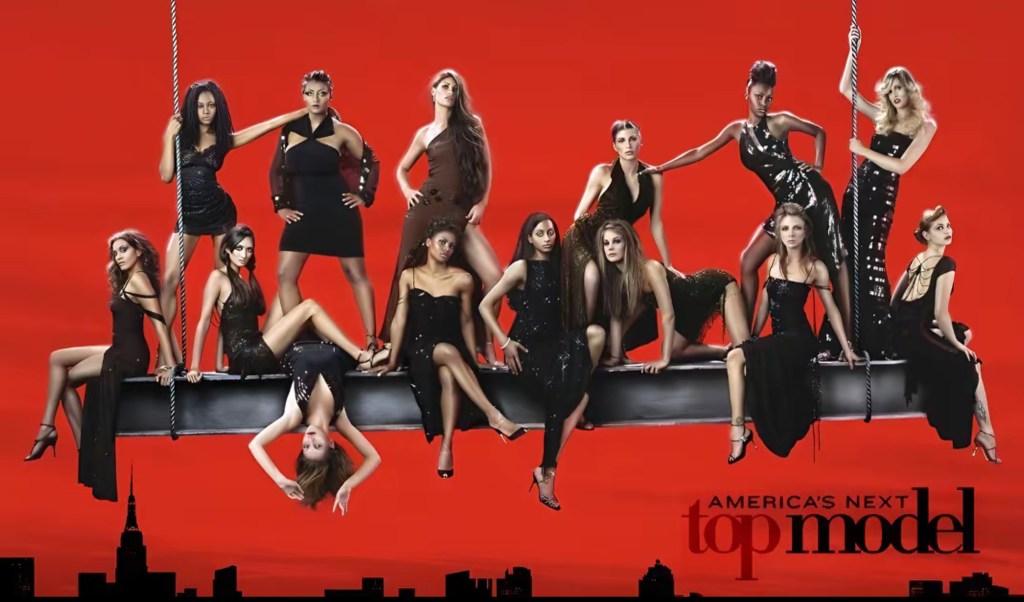
Contestants were placed in extreme conditions: unstable platforms, risky runway setups, punishing footwear, and demanding poses that ignored basic safety standards. In many industries, such conditions would require strict protections. On reality TV, they were framed as tests of dedication.
The message was clear: risk everything, or risk elimination.
Entertainment or Exploitation?
At the heart of the controversy lies one unavoidable question:
Was America’s Next Top Model entertainment—or exploitation?
The show offered exposure and, for some, career opportunities. But it also normalized humiliation, emotional stress, and physical risk as the price of success. Not all contestants walked away empowered. Some left traumatized, disillusioned, or damaged professionally.
Several alumni have spoken out publicly. Others pursued legal action. These weren’t isolated reactions—they were signs of deeper systemic issues.
Legal Fallout and Public Reckoning
ANTM didn’t end when the final episode aired. For some contestants, the aftermath involved lawsuits, public criticism, and years of processing what they experienced on set.
As social media gave former participants a platform, stories once buried under editing and contracts resurfaced. Viewers began rewatching old episodes with new eyes—and what they saw raised uncomfortable questions.
This wasn’t just drama for TV. It had real-world consequences.
Why ANTM Still Matters Today
Revisiting America’s Next Top Model isn’t about canceling the past. It’s about understanding it.
ANTM reflects broader issues in reality television: power imbalance, blurred consent, and the monetization of vulnerability. These conversations matter because similar formats still exist today, often with the same structural problems.
By examining ANTM critically, audiences become better equipped to question the media they consume—and the systems behind it.
The Legacy Reconsidered
ANTM expanded beauty standards and opened doors for many. That truth exists alongside its failures.
What once felt like bold television now feels like a warning. A reminder that entertainment doesn’t exist in a vacuum—and that behind every dramatic moment are real people living with the aftermath.
The question is no longer whether ANTM was iconic.
It’s whether the cost of that icon status was too high.
 curlycurlworld: Get Twisted with CurlyCurl: The Latest in Curls, Coils, and Confidence!