
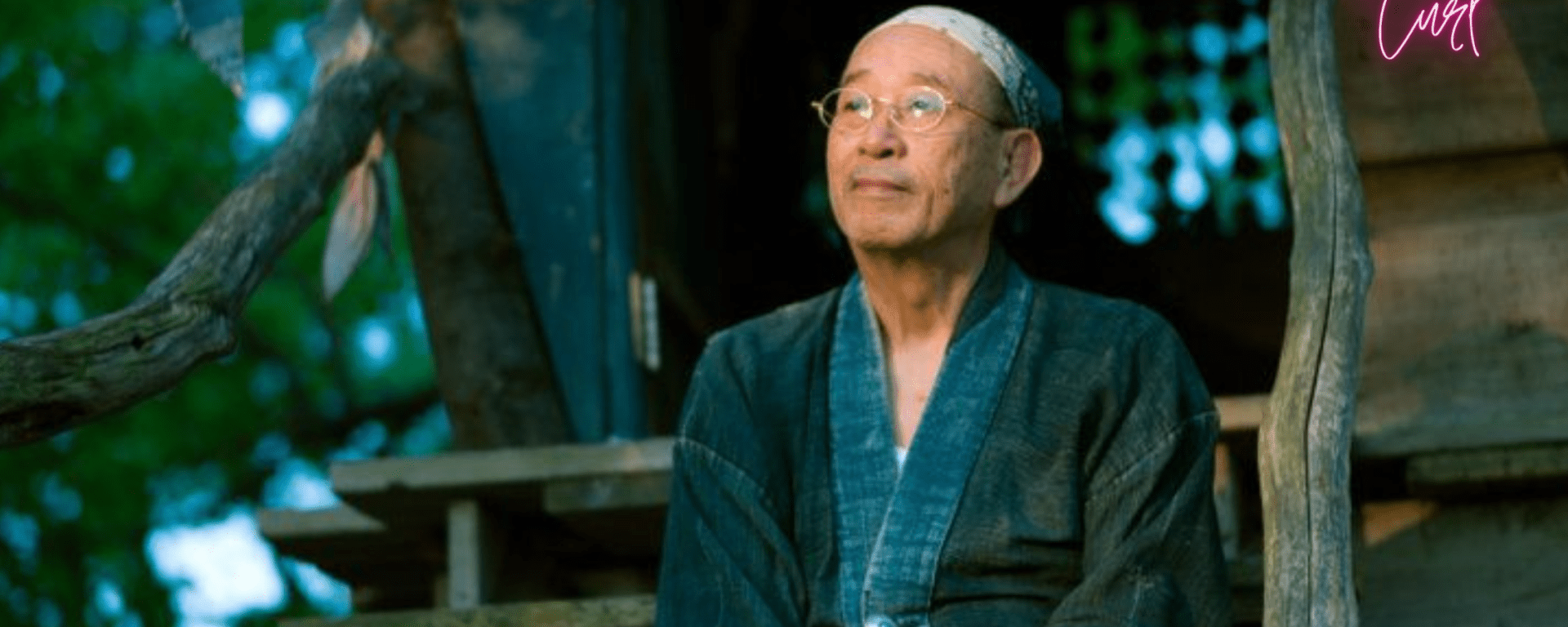
“Dedicated to denim, that is my creed.” These were the resolute words of Kazuhiro “Kiro” Hirata, the visionary creative mind behind Kapital, during an interview with Noah Johnson for GQ half a decade ago. Kapital epitomizes a brand that communicates through its craftsmanship rather than verbose marketing slogans. Today, Kapital stands as the epitome of Japanese denim, a realm anchored in the town of Kojima. This town ascended to prominence after World War II, when its textile factories, originally geared towards uniforms and workwear, seamlessly transitioned to denim production, mirroring the fusion of American fashion with Japanese artisanal skill. The passing of Toshikiyo Hirata, the pioneering force behind Kapital, marks the end of an era. He was instrumental in resurrecting the boron-stitching technique, a hallmark of Kapital’s distinct aesthetic. Toshikiyo Hirata was a luminary within the cadre of Japanese entrepreneurs and designers who birthed the “Japanese Americana” style. Kapital distinguished itself with its avant-garde ethos—a melange of intricate structures and bold pops of creativity. This allure attracted luminaries from the realms of rock and hip-hop, including A$AP Rocky, Kanye West, Travis Scott, Pharrell, Harry Styles, and John Mayer, cementing Kapital’s status as an icon of edgy denim culture.
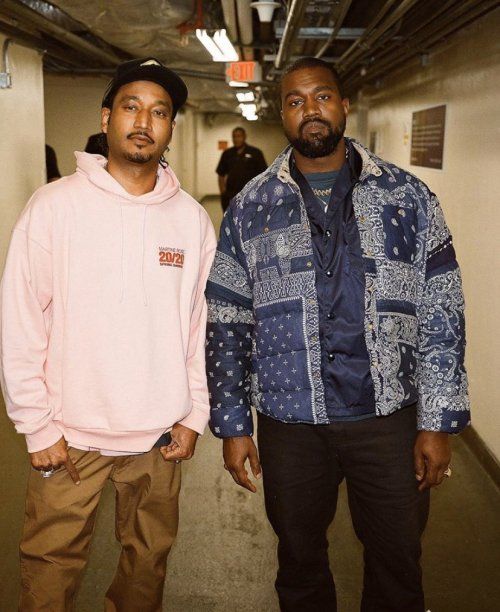
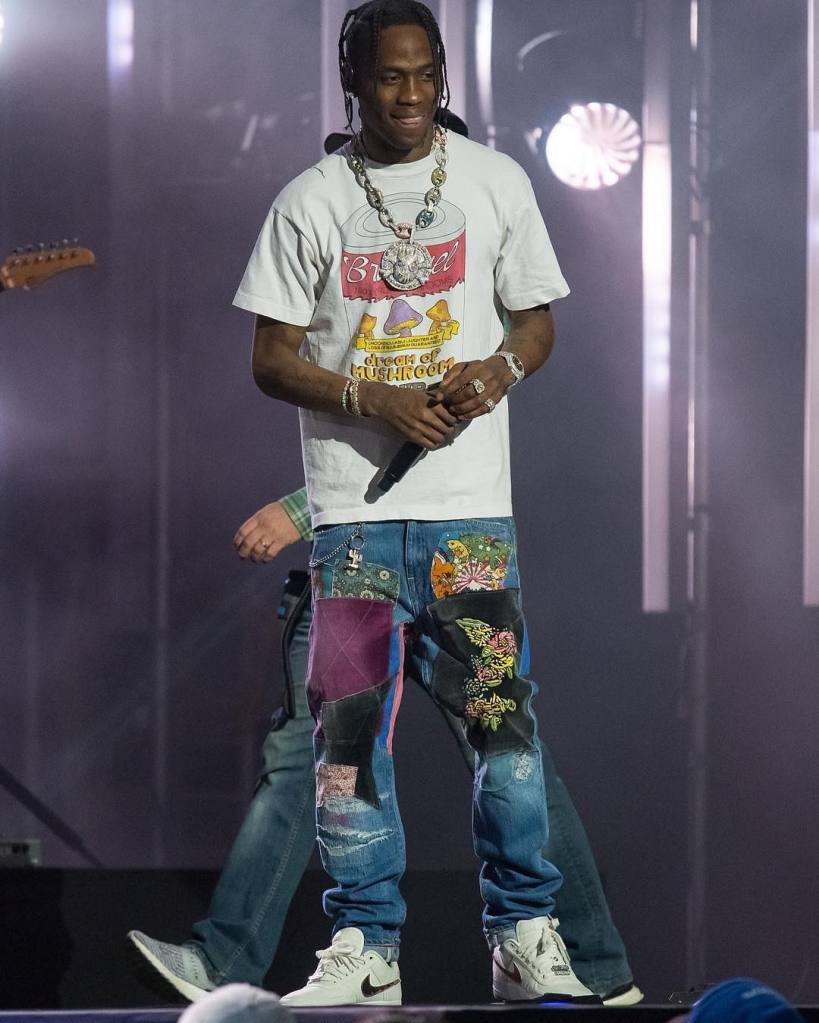

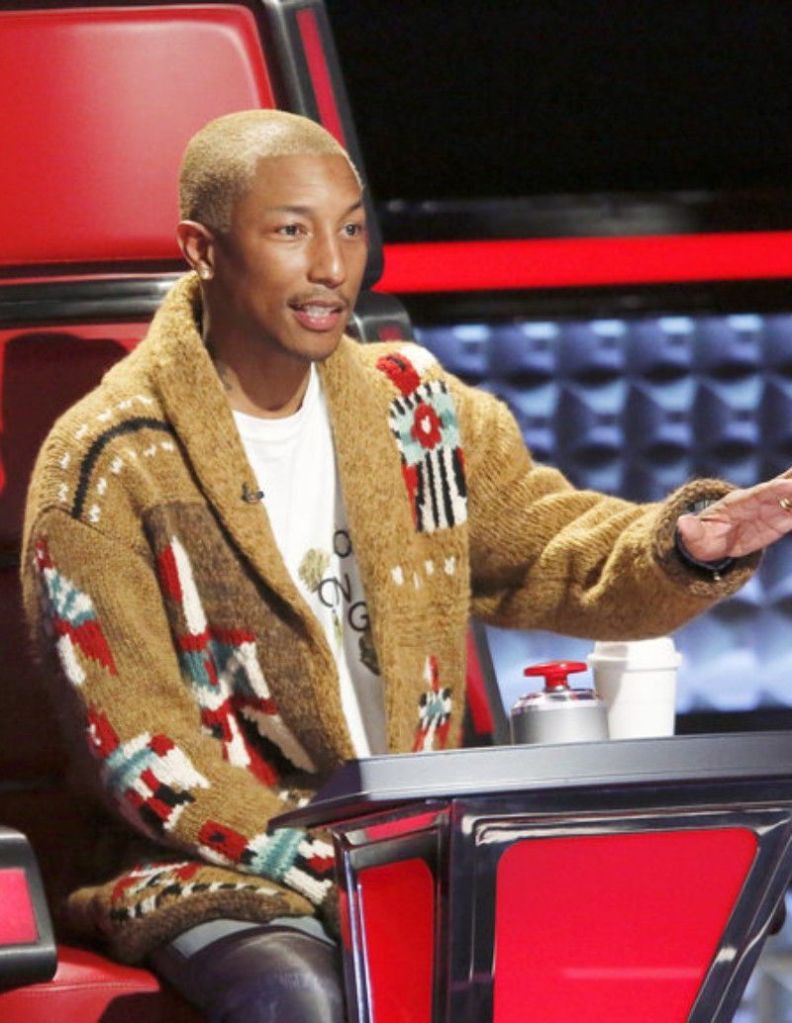

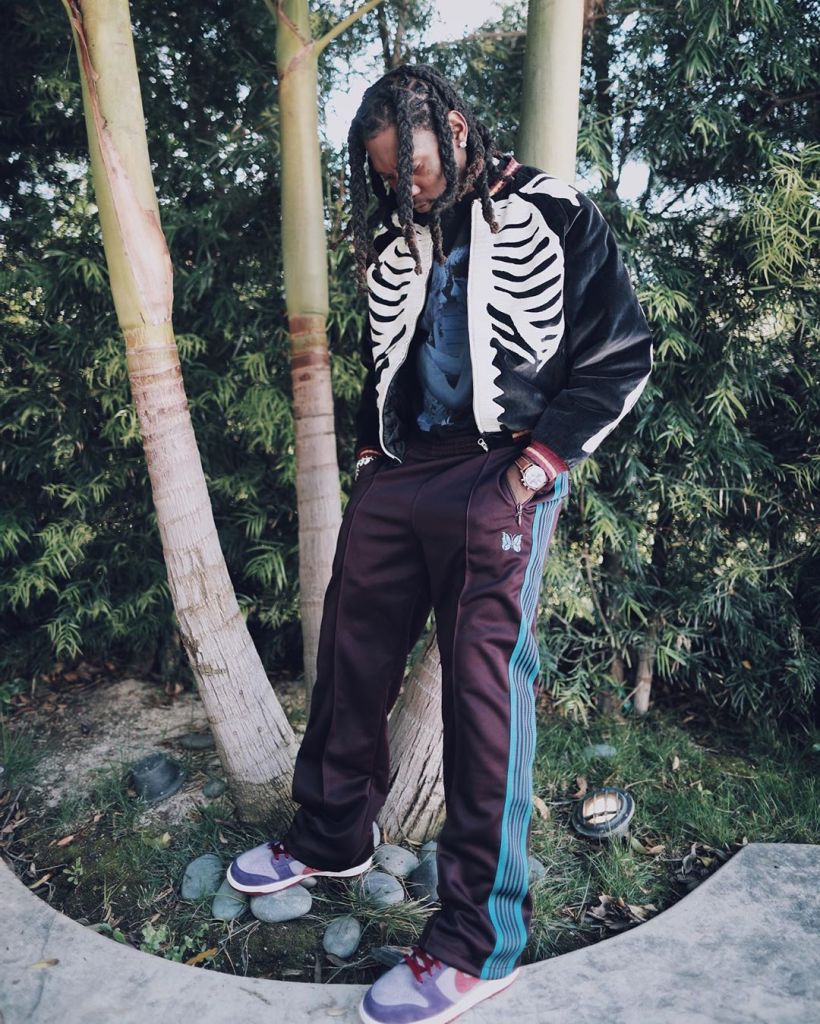




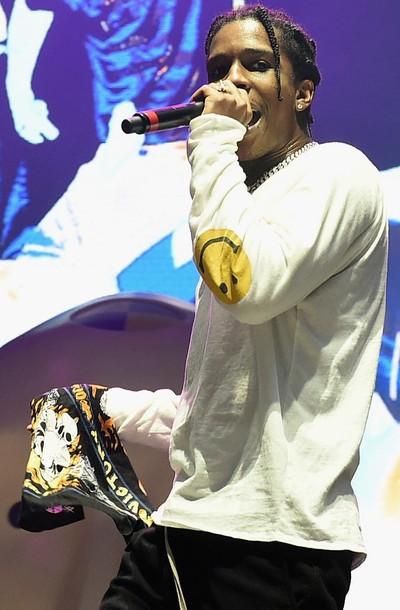

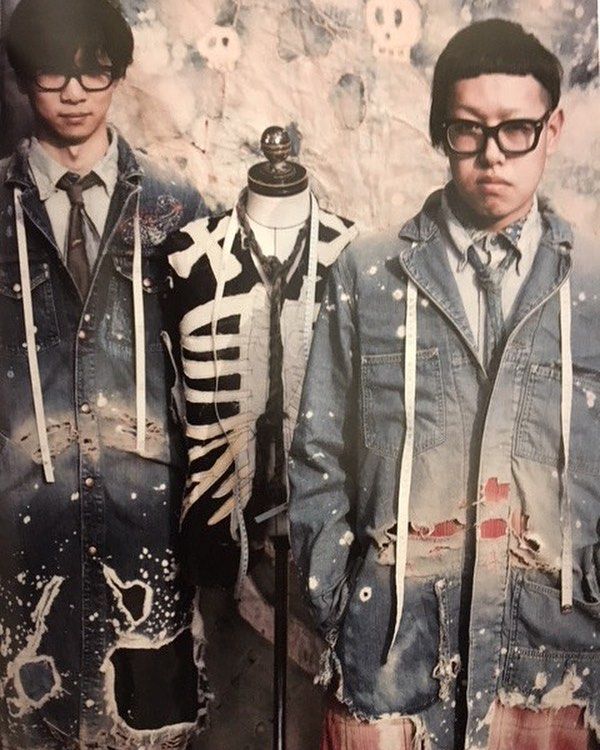
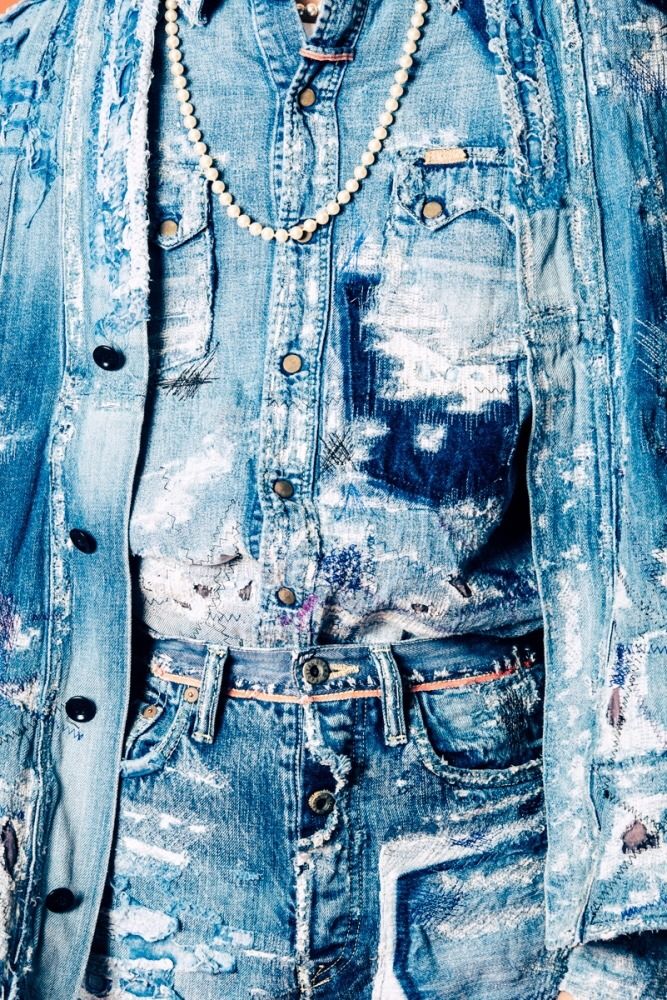
In an essay featured in The New Yorker four years ago, author and humorist David Sedaris offered a unique take on the aesthetics of the brand, Kapital. He humorously described the clothing as appearing new yet with a worn-out look, as if previously worn by someone who had experienced a dramatic event like being shot or stabbed and thrown off a boat. Sedaris remarked on the authenticity of the distressing, noting that unlike most distressed clothing, Kapital’s designs looked genuinely worn. He humorously pondered how they achieved such realistic cuts and stains, ultimately labeling the clothing as either “wrong” or “tragic.”
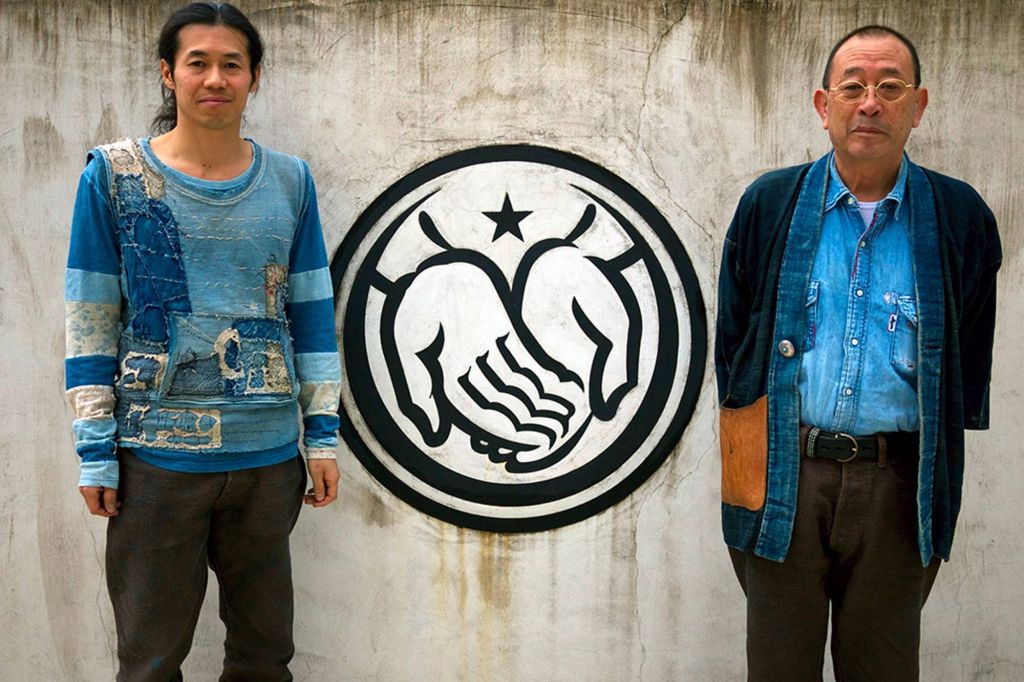
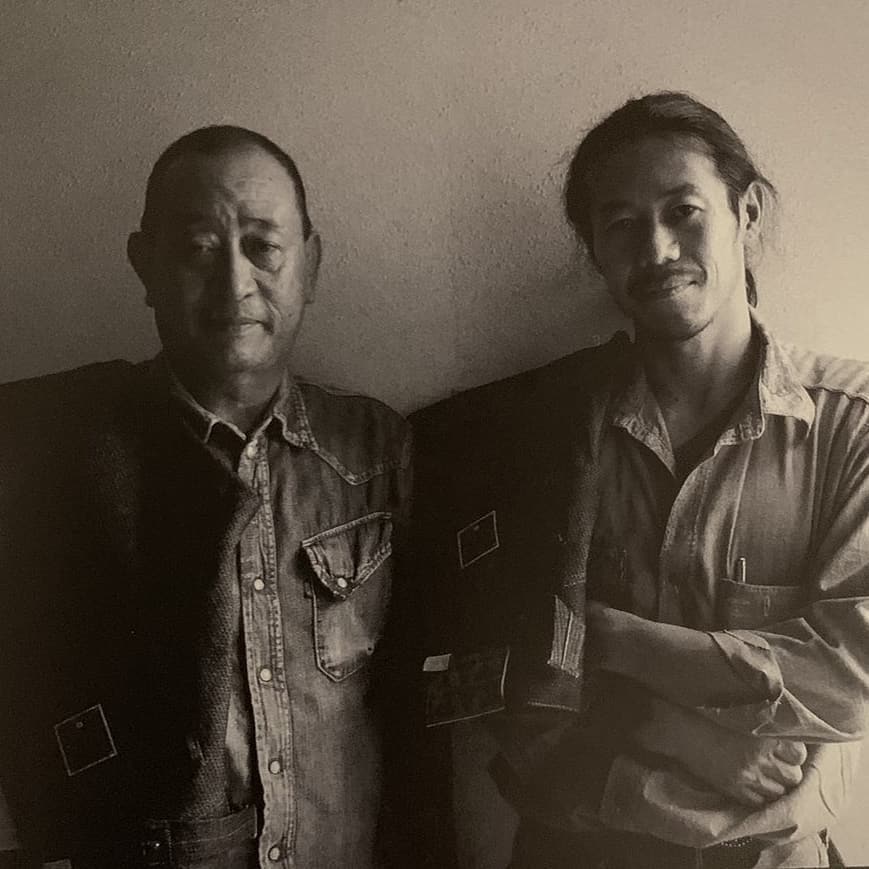
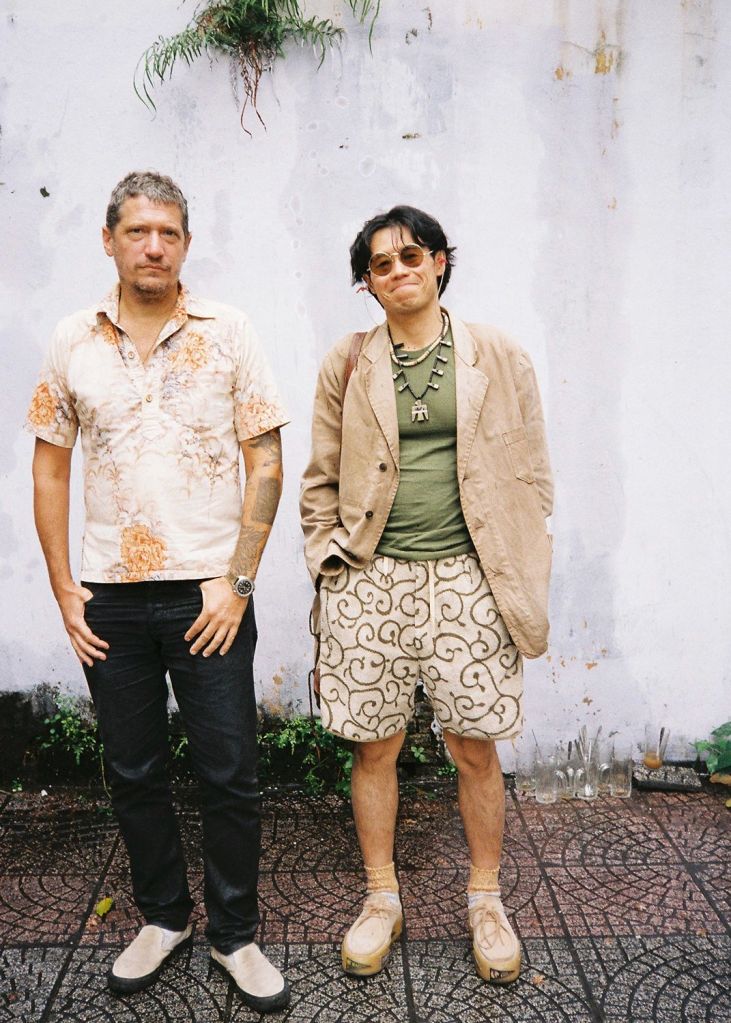


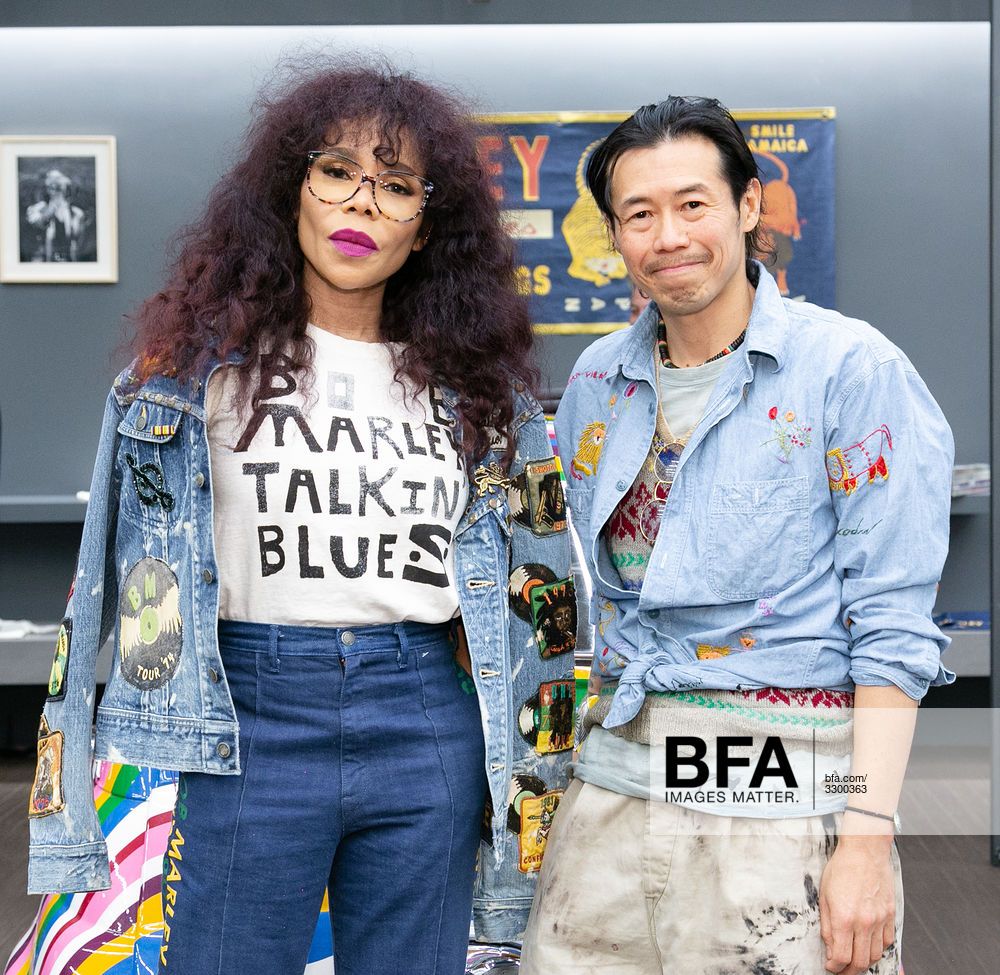

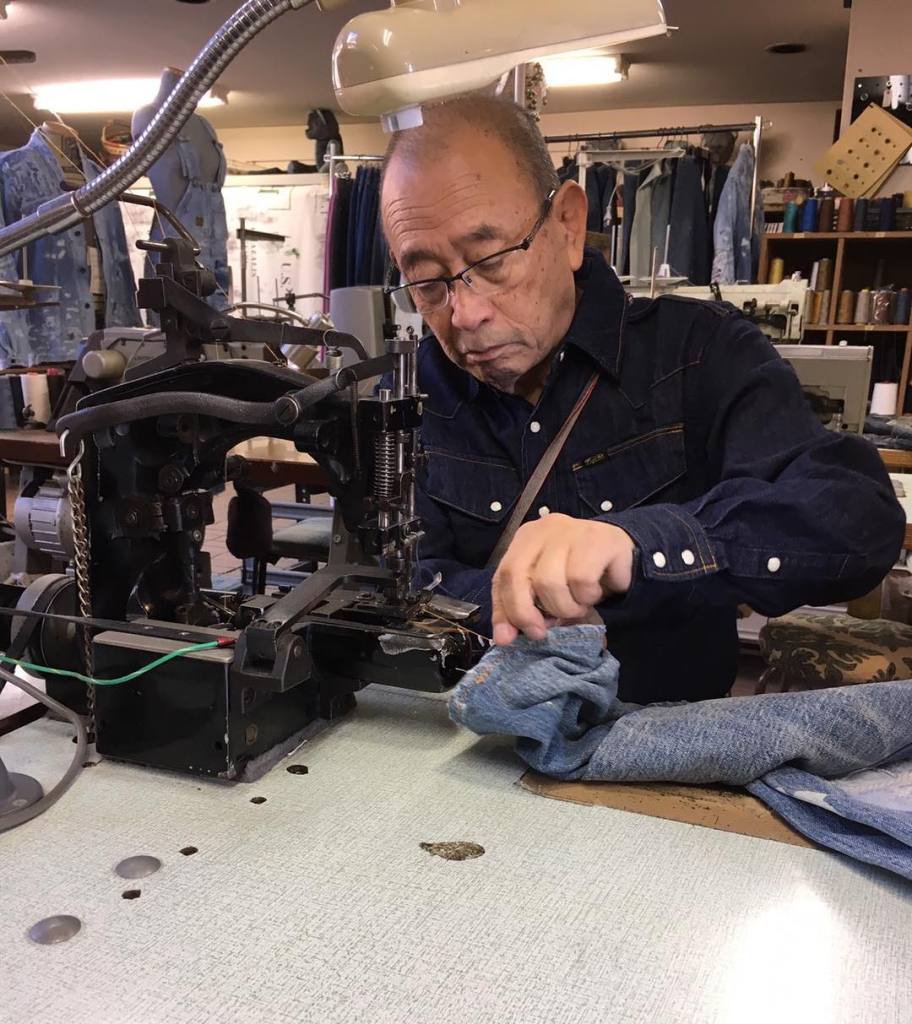
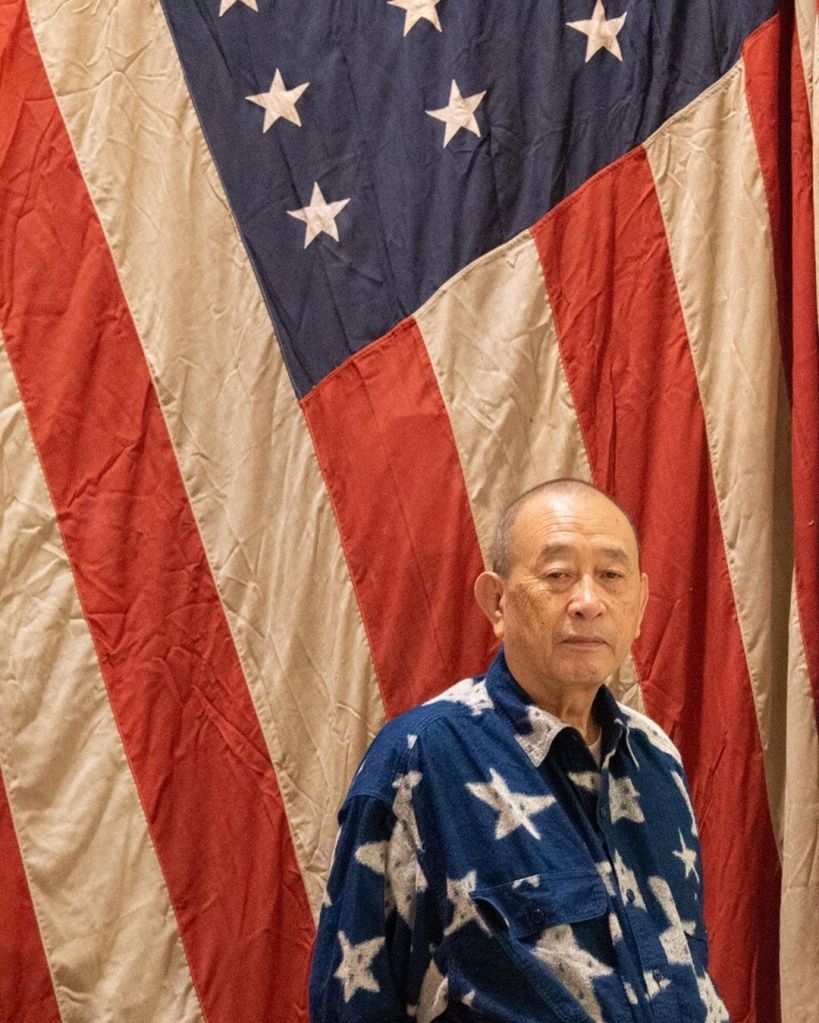
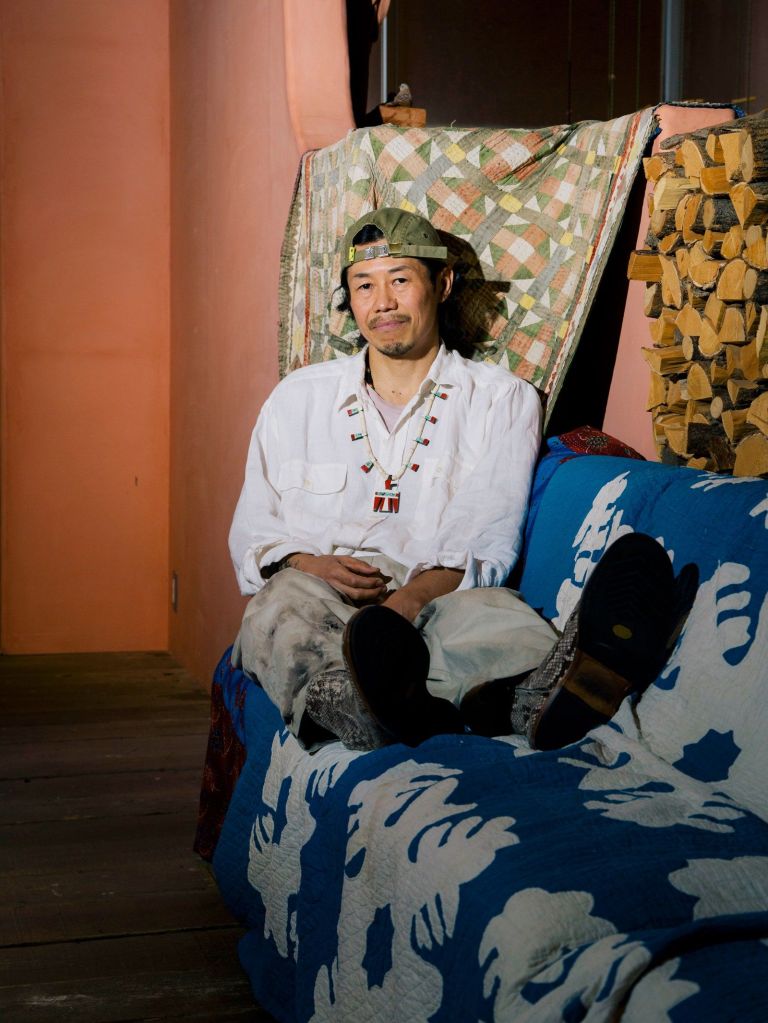
The brand’s origins trace back to Toshikiyo Hirata, Kiro’s father, whose passion for vintage American jeans and clothing sparked during his time in the USA in the 1980s as a martial arts instructor. Upon returning to Japan in 1984, Hirata Sr. established Capital Ltd., the brand’s denim factory, and a vintage clothing store. Inspired by his father’s love for Americana, Kiro pursued a similar path by studying art in the United States, where he further immersed himself in American aesthetics. After working for the 45R brand, Kiro returned to the family business in 2002, blending his avant-garde sensibility with his father’s artisan expertise to shape Kapital’s distinctive style.
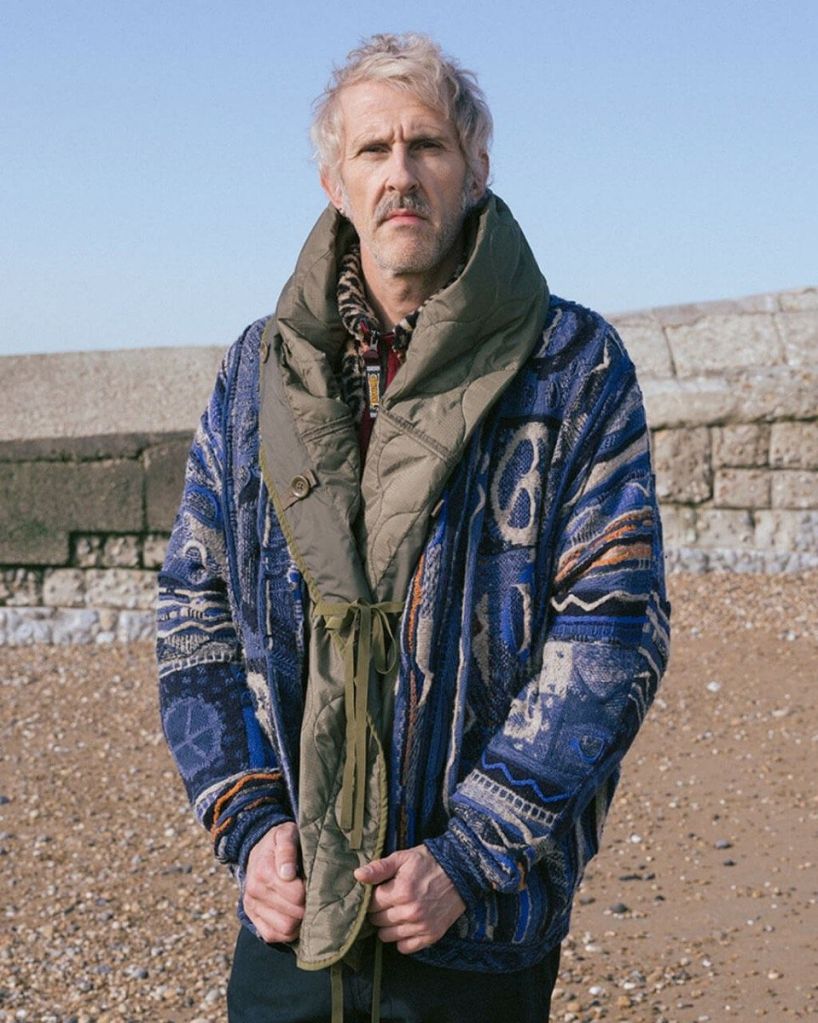

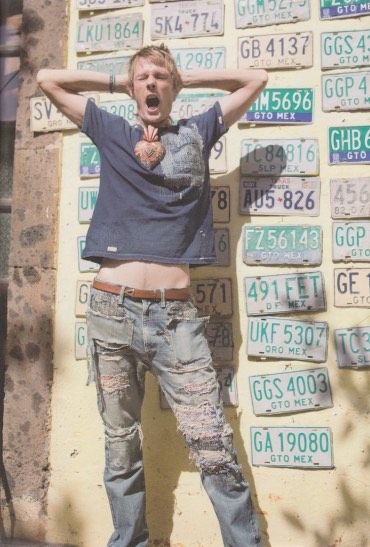

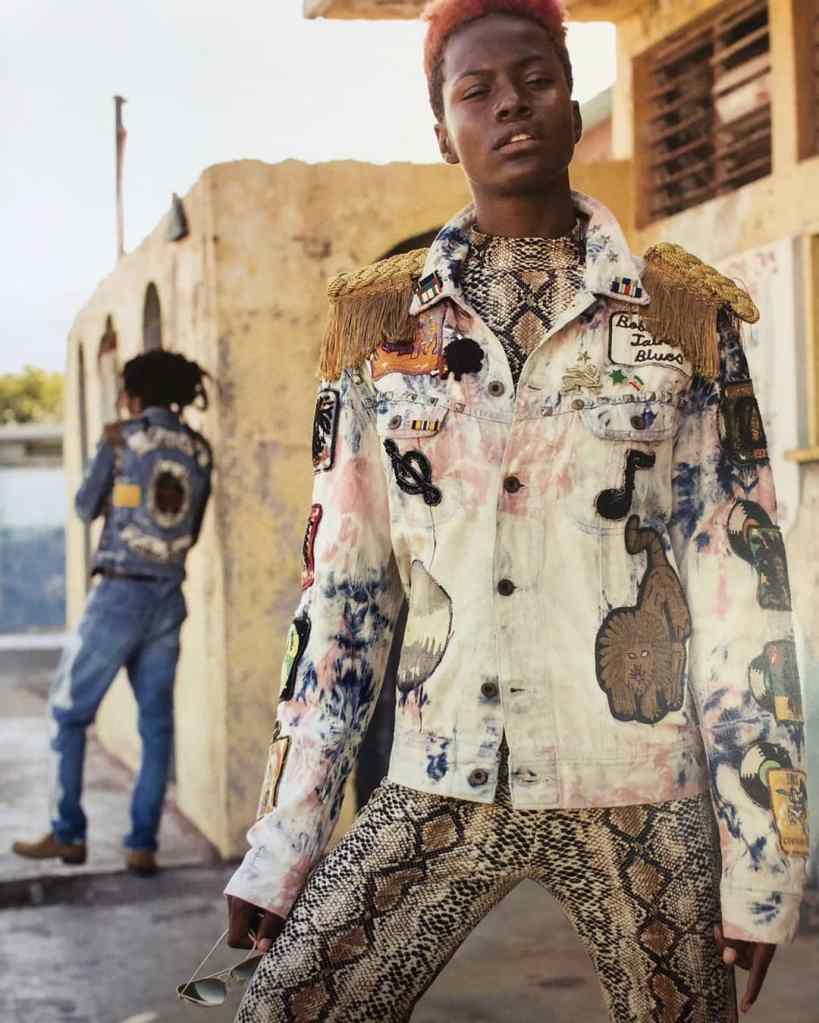



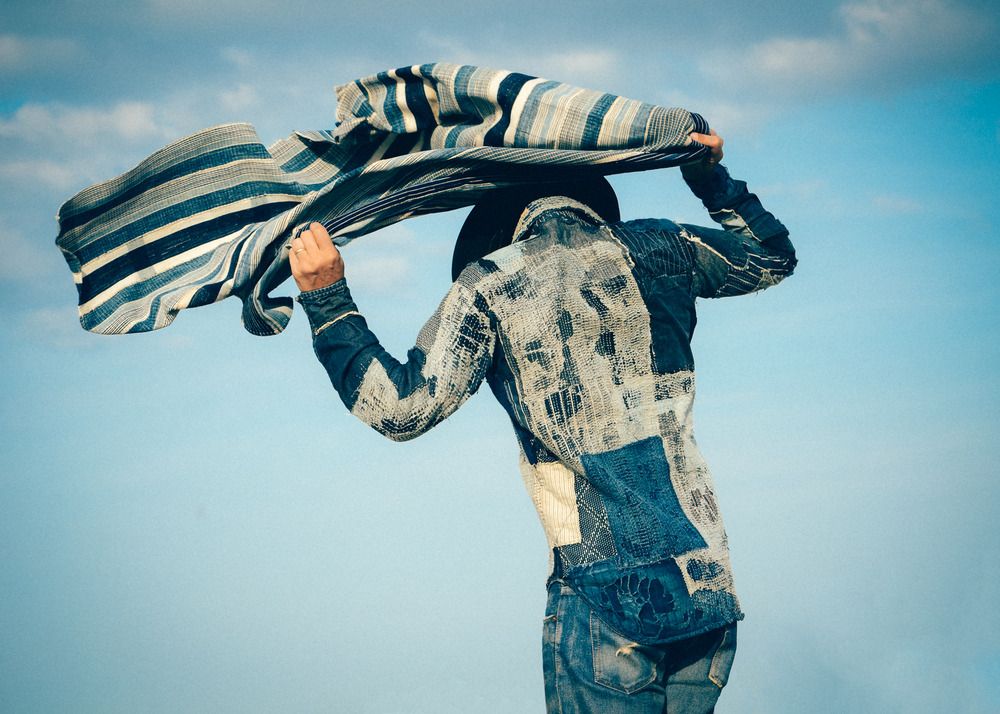

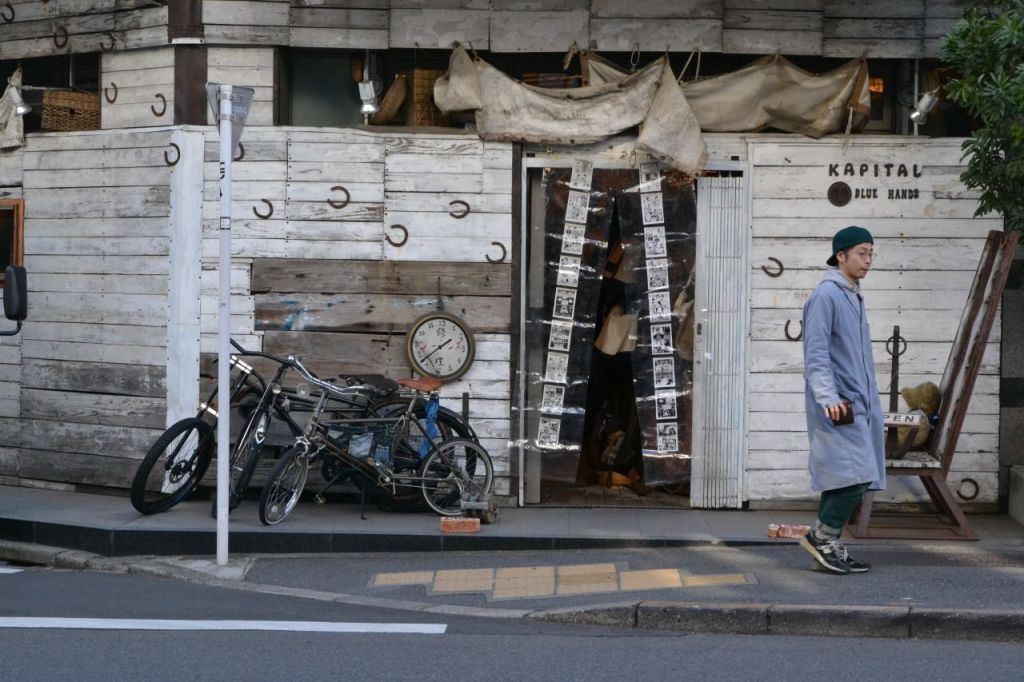


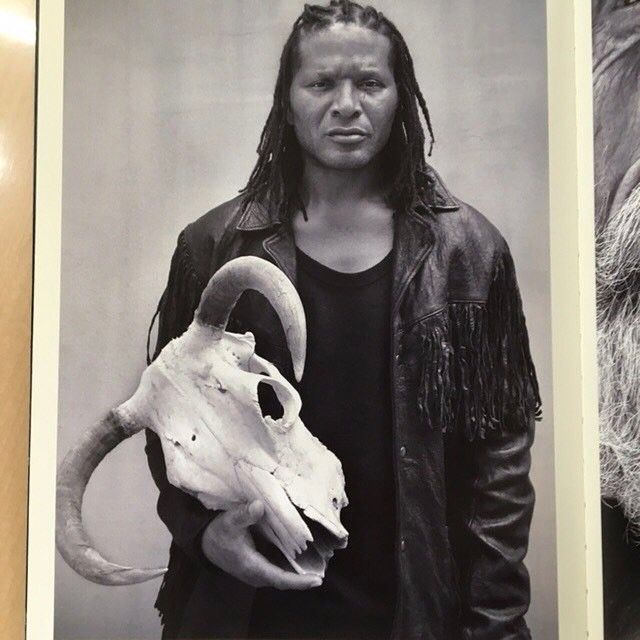
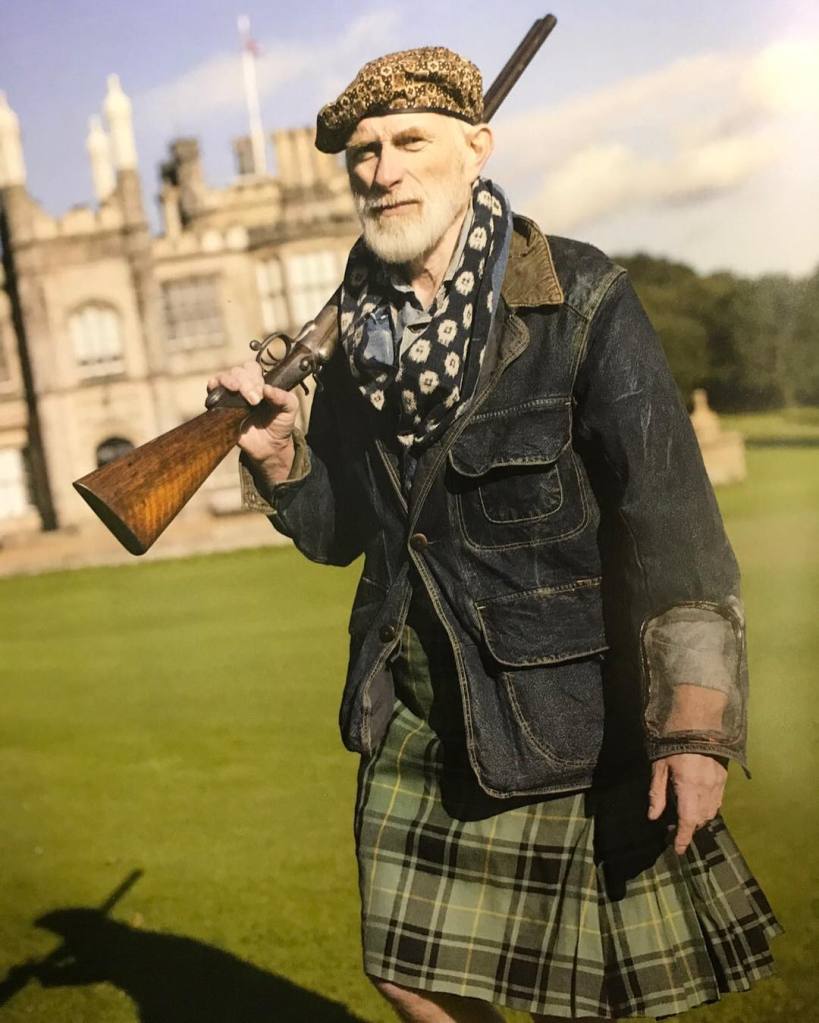

Photos courtesy Your Fashion Archive
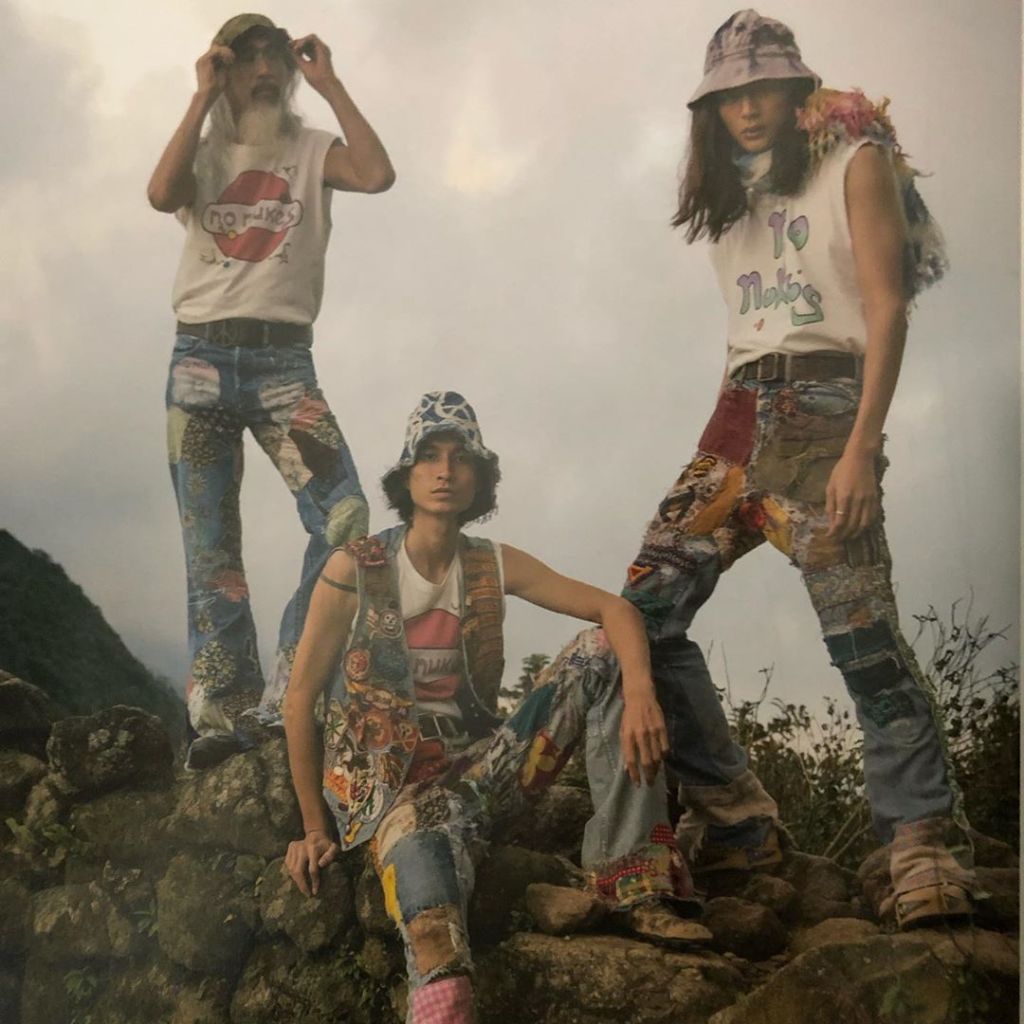
Kapital’s clothing evokes elements of hippie culture, such as the recurring symbol of the smiley face, but does so in a uniquely unsterile manner. Instead, the brand explores the experimental and avant-garde fringes of its aesthetic, crafting artfully distressed products devoid of the expected wholesomeness associated with globally renowned brands. This clash of youth countercultures from the 1950s and 1980s, as described by Kiro Hirata himself, lies at the heart of the brand’s style. Moreover, the concept of cultural clash is integral to Japanese streetwear as a whole, which historically imported Western subculture styles while disconnecting them from their original cultural contexts. This creative gap between style and culture, exemplified by designers like Hiroshi Fujiwara, Nigo, and the Hirata duo, allowed for a newfound freedom in reimagining expressive modules within streetwear, fostering an eclecticism previously unseen in Western fashion.

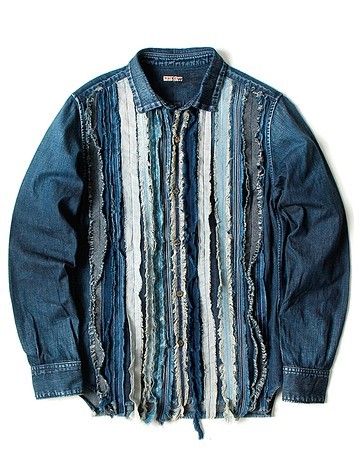
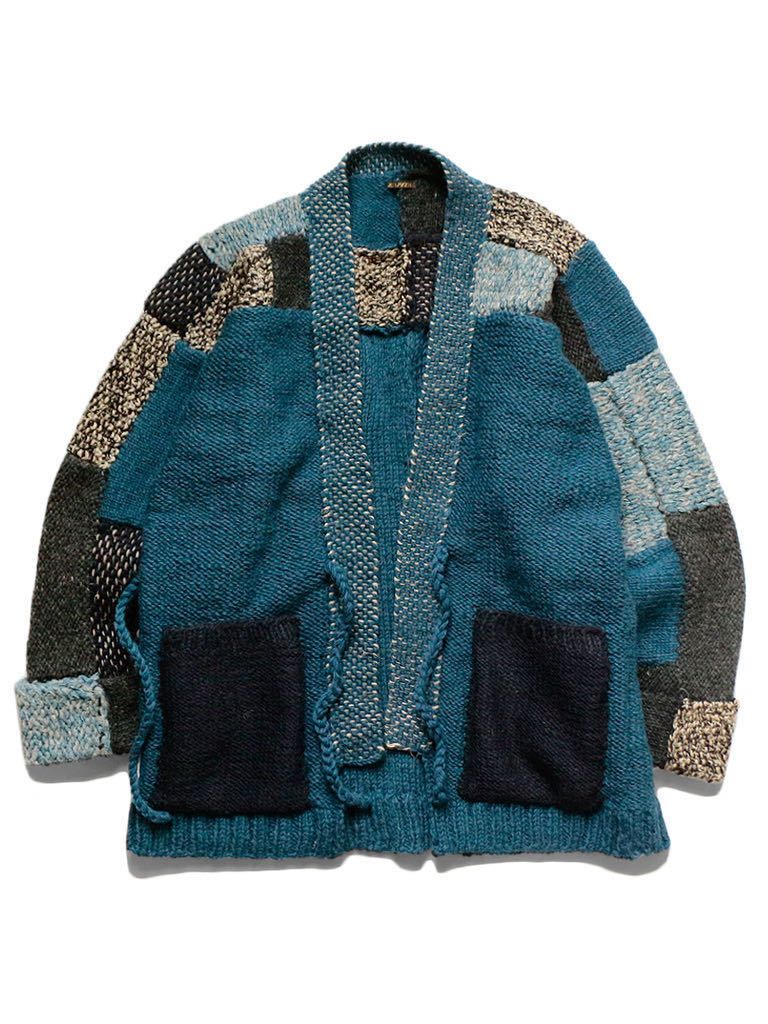
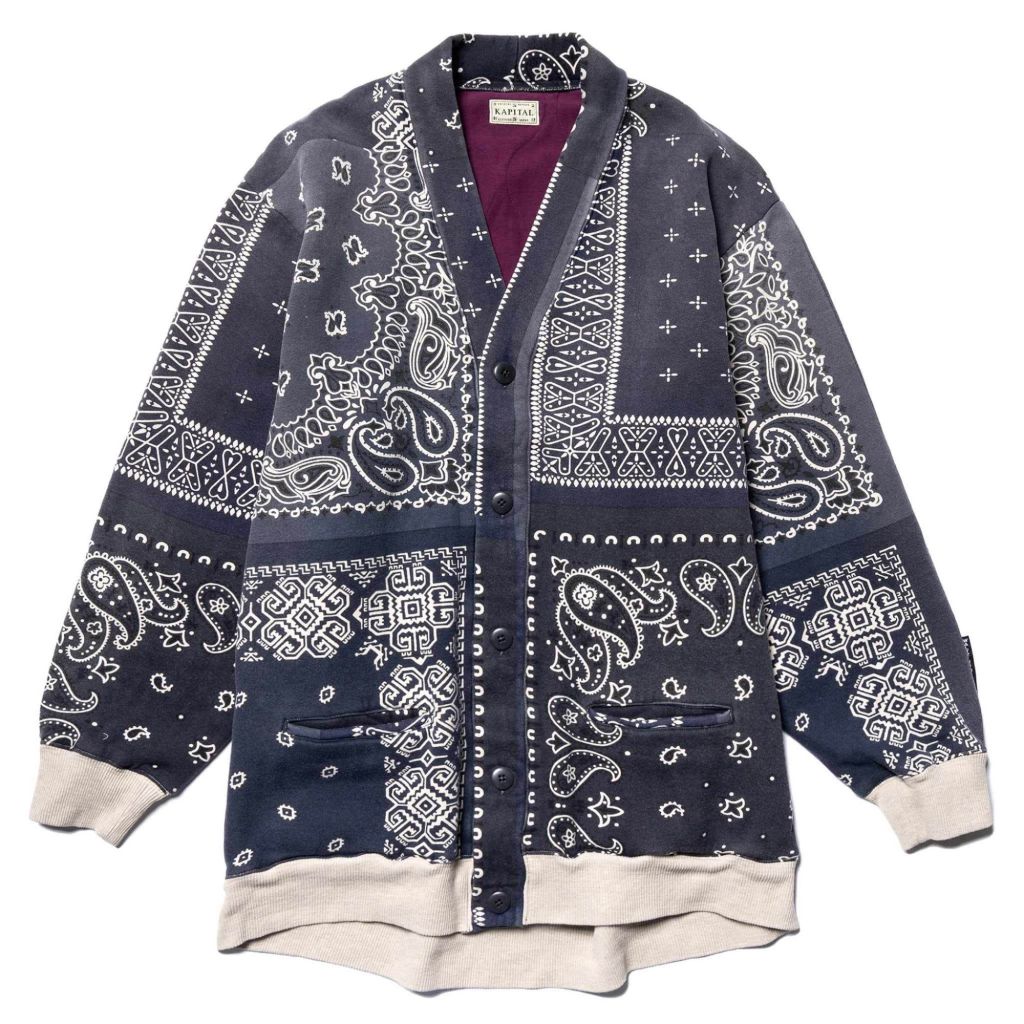
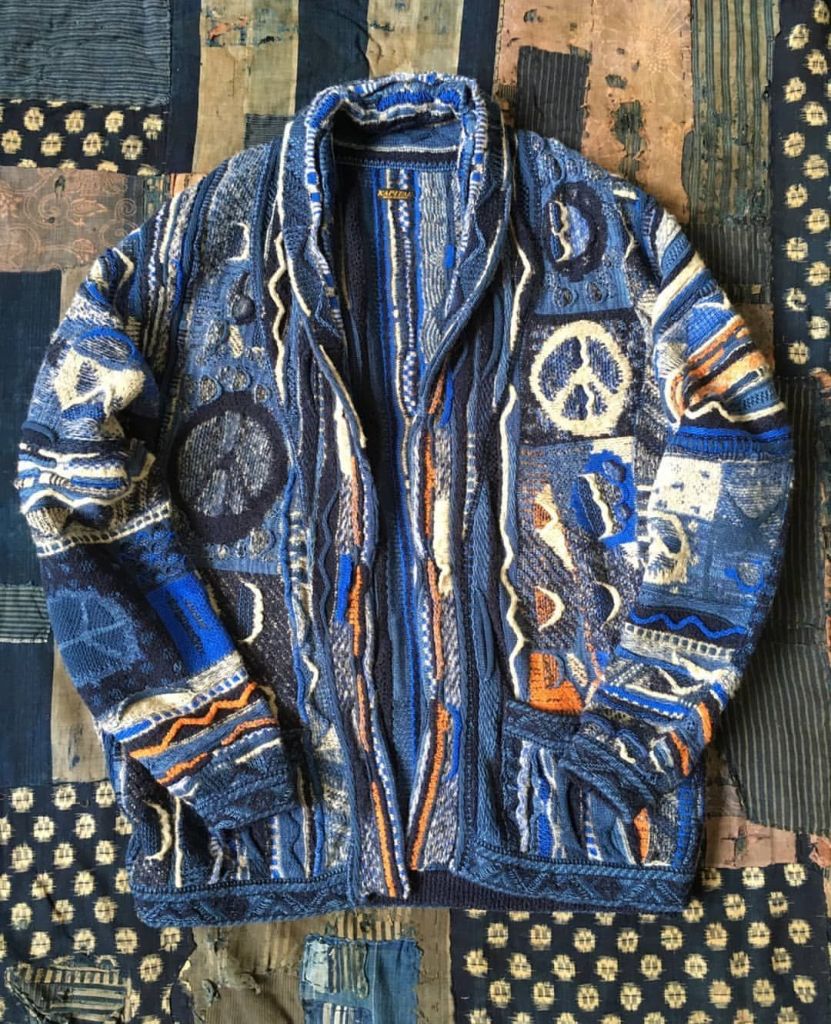


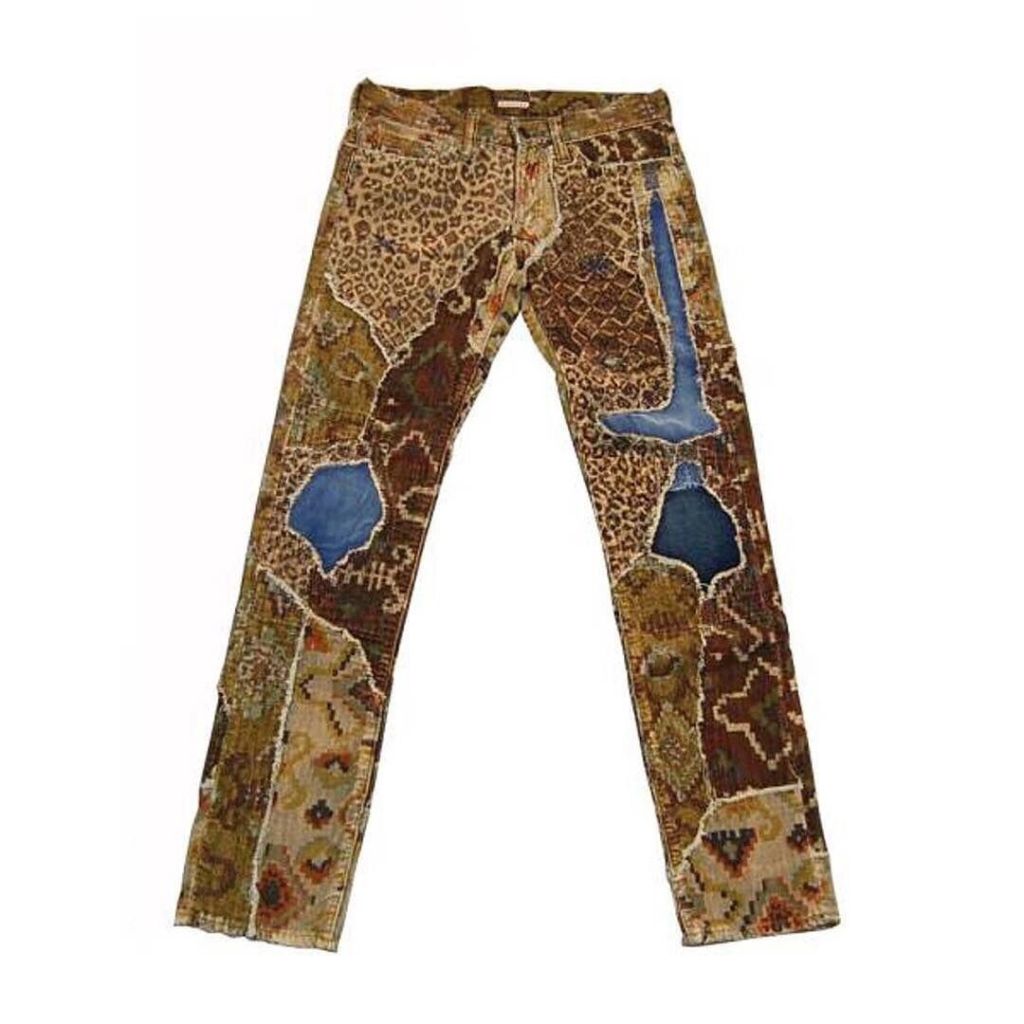
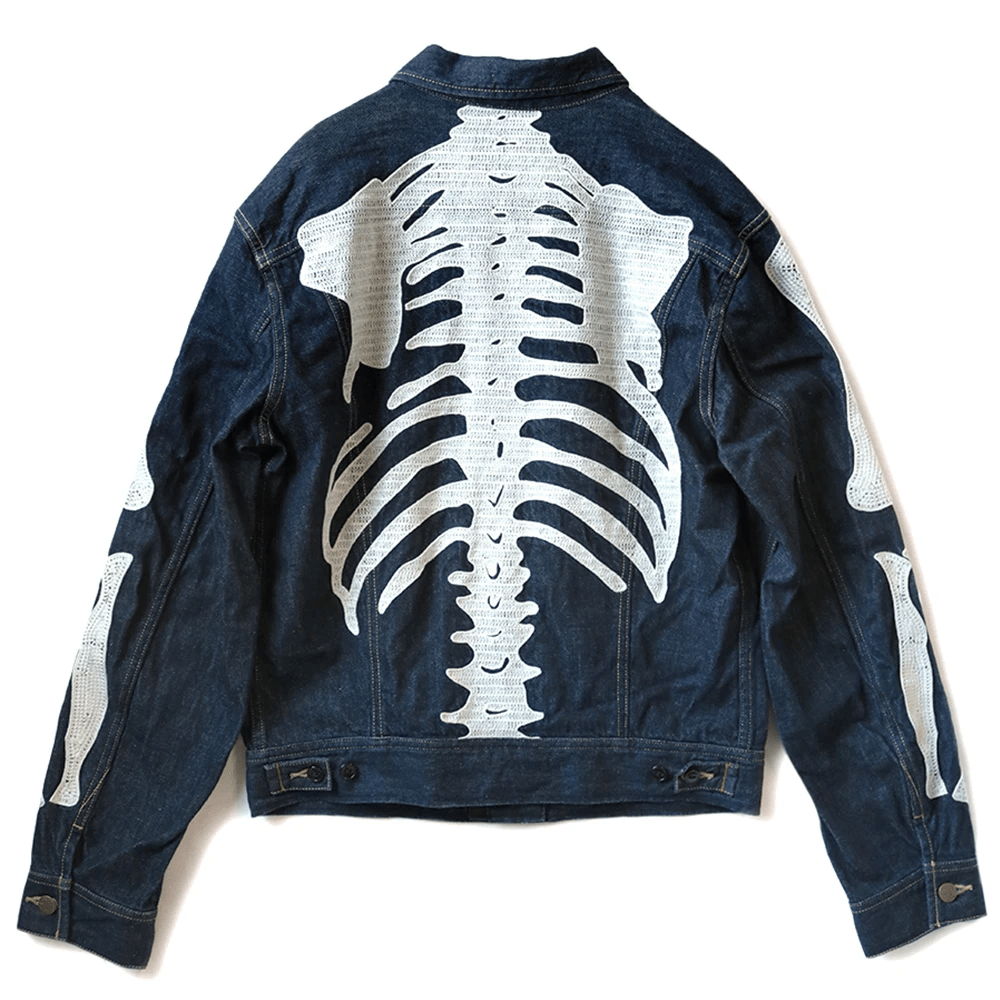
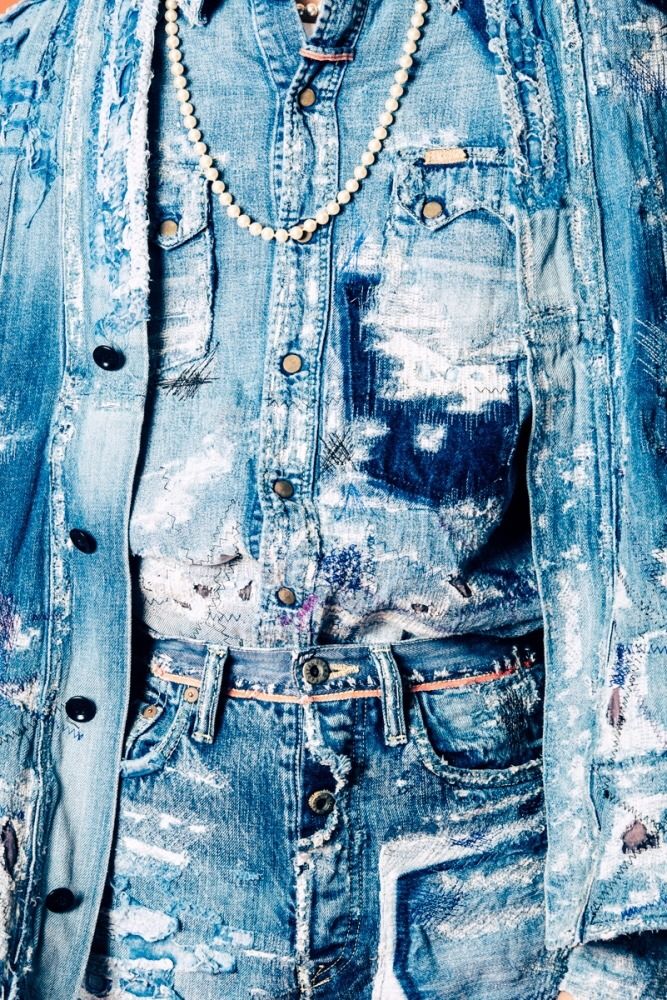
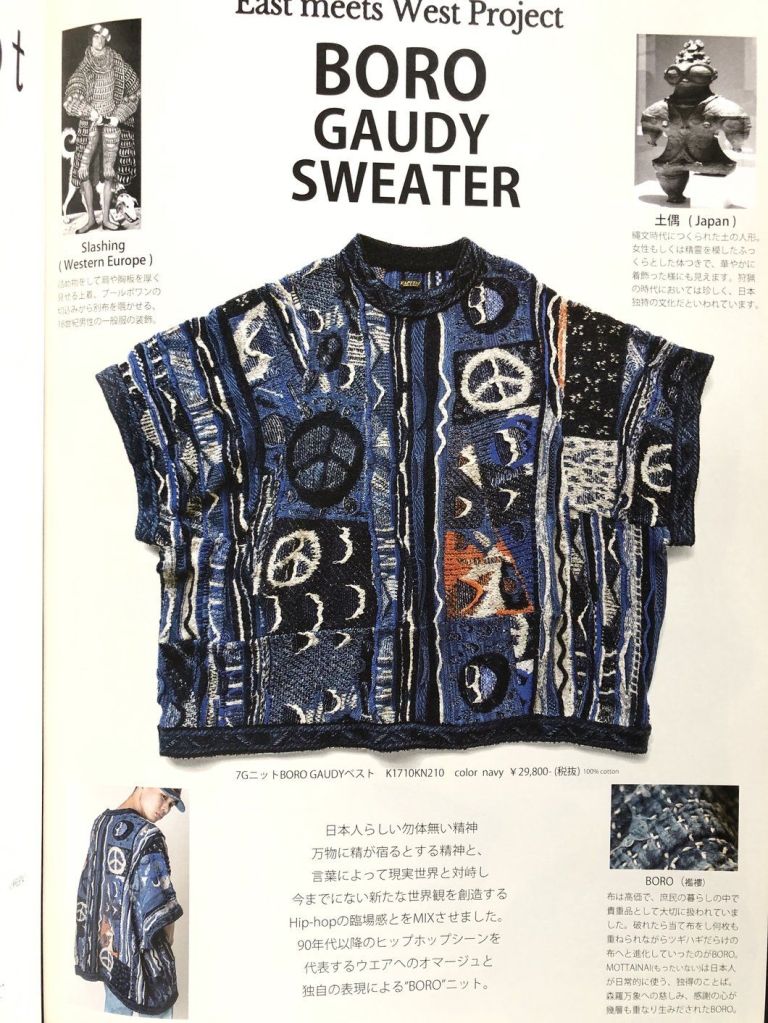
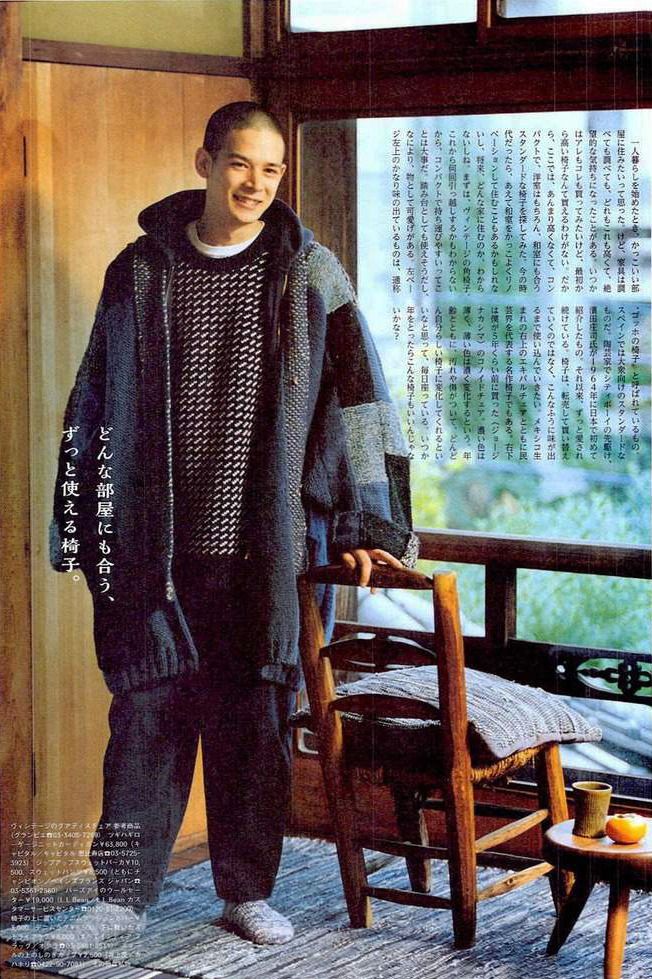
At the core of the brand’s aesthetic lies the sheer drama of fits and silhouettes, exemplified by jeans adorned with ancient sashiko sewing techniques, denim jackets with sawed-off collars and bottom edges, and three-dimensional duvets woven with historical Jomon period techniques. Treatments such as persimmon juice applications stiffen jeans to almost sculptural perfection, while flannel shirts are meticulously crafted by stitching together five different shirts. The utilization of traditional Japanese Boro technique creates a DIY patchwork aesthetic, imbuing each piece with an antique allure. Every garment boasts unique details and intentional flaws that, in line with wabi-sabi philosophy, accumulate with wear and tear, reflecting the wearer’s life and rendering each piece truly one-of-a-kind. Kapital’s clothing derives its value not solely from luxurious materials or intricate designs—although these are not lacking—but rather from the spirit imbued in their creation. Wearing Kapital garments is an experiential journey, with the wearer’s experiences leaving their mark on the clothing itself. Thus, the garments evolve alongside the wearer, transcending the mere notion of clothing to become living entities undergoing subtle transformations with each wear.
 curlycurlworld: Get Twisted with CurlyCurl: The Latest in Curls, Coils, and Confidence!