

Exploring the Curious World of Digital Relationships and Social Media Intrigues
In the realm of social media, an intricate tapestry of unwritten rules dictates the dynamics of relationships. These rules unveil subtle nuances that are often absent in our offline lives. Contemplating the notion of extending your digital circle to encompass individuals you harbor no affection for may seem absurd in the real world. After all, who would willingly invite someone they dislike into their inner circle merely to glean insights into the intricate details of their private life? Similarly, the idea of maintaining an online connection with someone you once held in high regard only to engage in surreptitious discussions about them behind their back appears morally questionable, if not outright inconceivable in face-to-face interactions.
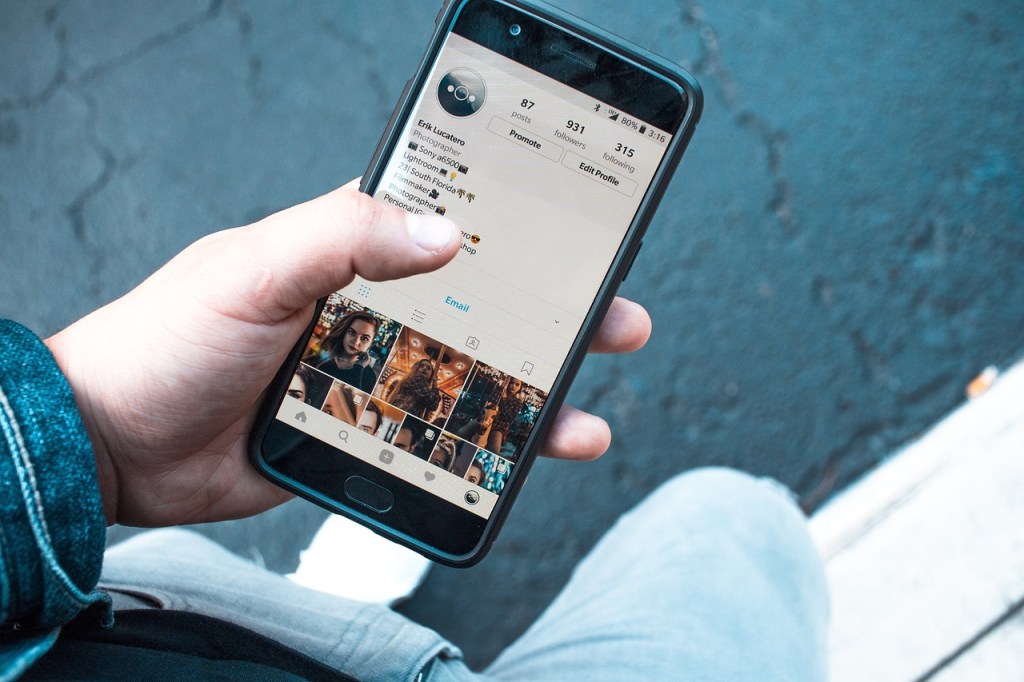
Yet, within the confines of the digital domain, such behavior not only exists but is granted a peculiar moniker: “hate-following.” This unique phenomenon encapsulates the act of maintaining an online presence in the lives of those we may disdain, silently observing their every move, and perhaps even engaging in conversations or gossip about them with our virtual peers.
In the realm of social media, the lines that distinguish our interactions from those in the physical world blur. This realm can be a paradoxical landscape where our digital connections, driven by curiosity, intrigue, or even a subtle desire for validation, might lead us down unexpected paths. It is here that hate-following, with all its intricacies, finds its peculiar place—a testament to the complex, fascinating, and often perplexing world of online relationships.
From Fascination to Critique: The Complex World of Hate-Following
In the ever-scrolling landscape of our digital lives, there exists a shared experience that transcends borders and generations. It’s the tale of stumbling upon a tantalizing scandal, perhaps birthed by the virtual quill of an influencer, and we, the curious voyagers, dive headlong into a whirlpool of blame and intrigue. As the story unfolds, we find ourselves entranced by the unfolding drama, unable to resist the siren call of the “follow” button. We’ve willingly stepped into the world of hate-following, a complex web where the lines between fascination and disapproval blur, and a peculiar form of entertainment emerges.
This phenomenon, akin to rubbernecking at a car crash or studying a squashed fly on a windshield, is a guilty pleasure that many can’t escape. We watch with a mix of shock and bemusement, like voyeurs peering through a peephole into the lives of individuals we don’t truly know. Yet we’re compelled to voice our critiques, to discuss the minutiae of someone else’s existence with friends and strangers alike. It’s a peculiar dichotomy: we revel in appreciation just as eagerly as we indulge in our capacity to criticize.
Sometimes, it begins innocently enough. We follow someone because they pique our interest, their content resonates with us, or we admire their style. But with time, like weathered pages in a novel, we discover the narrative takes an unexpected turn. Their character diverges from our own, misaligned with our values and interests. Yet we don’t sever this virtual connection; we linger as spectators in the shadowy corners of their digital realm. The allure of hate-following persists, and we become passive onlookers, separated by screens and wires, but connected through a peculiar fascination.
The allure of this behavior is comprehensible, almost forgivable. After all, humans delight in adoration just as much as they revel in critique. What’s the harm, you might ask? It’s just another pastime, seemingly light-hearted and devoid of consequences. It’s akin to watching a reality TV show long after we’ve deciphered its intricate dynamics and grown weary of its exaggerated characters. We persist to fulfill our desire to critique, to elevate ourselves by drawing unfavorable comparisons, to find solace in our judgments. It feels liberating, especially because it appears harmless; the distance between the critic and the criticized is vast.
Yet, in the grand tapestry of human interaction, there’s more than meets the eye. The potential harm lurks beneath the surface. As we invest time and energy in this digital spectacle, we may inadvertently perpetuate negativity, promoting an environment where criticism and judgment are normalized. We may overlook the profound impacts of our words and actions on the mental and emotional well-being of those we dissect from afar. The line between harmless pastime and destructive obsession blurs, leaving consequences that may not be immediately evident.
In this intricate dance between admiration and disapproval, fascination and critique, we must tread carefully. As we navigate the digital realm, let us remember that our interactions, no matter how distant they may seem, can shape the tone of the virtual world we inhabit. In the end, it’s not just about the harm we cause to others, but also the reflection of our own character that we cast into the vast expanse of the internet.
The Paradox of Hate-Watching: Fueling Fame in the Digital Age
In this era of digital media, we frequently disregard two pivotal constraints in our conduct towards online celebrities. The first limitation is of a more technical and objective nature. It’s remarkable how often influential and outspoken public figures harness the power of hate-watching. Deliberately cultivating contentious and controversial personas, they attract attention, followers, and subsequently, substantial financial gains. These gains translate into lucrative brand collaborations, career opportunities, and much more. Can we not draw the same lesson from the likes of Piers Morgan or, say, Kim Kardashian? Hate-watching and provocation are commodities that sell. Whether their viewership is composed of fervent supporters or merely curious onlookers driven by idle curiosity and disdain, the distinction becomes irrelevant. What truly matters are the raw numbers. The higher the viewership figures, the greater the prospects for the individual in question to amass attention, expand their influence, propel their career, and secure appearances on other media outlets, including the small screen. It’s paramount to recognize that in our ostensibly innocuous pastime, we may inadvertently contribute to the ascent of something negative or entirely incongruous to our values in the world of media and entertainment.
The Art of Pruning Negativity: Cultivating Balance and Harmony in the Digital Age
The enigma of the second limit unfolds, an intricately subjective yet profoundly consequential facet of our human experience. Gossip, that perennial companion of our social tapestry, stands as an unavoidable phenomenon, donned with a cloak of historical and sociological significance. And yet, amidst its tangled threads, have we ever paused to measure the toll it extracts from the precious currency of our lives?
It’s as though we pledge our time, our moments, to this somewhat beguiling yet inherently distorted activity. As we indulge in the ceaseless cycle of whispers and rumor, negativity seeps in insidiously, etching its mark on our emotional canvas and casting shadows over our outlook on life. The cost, it seems, is our own sense of well-being and our perception of the world.
In this labyrinth of thought, wouldn’t it be wiser to sculpt a space where joy reigns supreme? A space that not only enriches and entertains our souls but, at the very least, refrains from stoking the fires of irritation and displeasure. Here, we speak not of echo chambers, those cocoons of affirmation where dissenting voices dare not enter. No, the ideal we seek is an artful equilibrium, where constructive debate harmonizes with the soothing resonance of positivity.
Yet, the tapestry of existence often threads us through circumstances where such selection is an unattainable luxury. In the bustling throng of life, at the workplace, within the jovial ambiance of the local bar, and amidst the stoic setting of the office, harmony may elude our grasp. It’s in these moments that the pruning shears of discernment come into play. Why not sever those withered branches of negativity on social media? Trim away the toxic tendrils that infiltrate our screens and thoughts.
For in the end, activities like hate-watching, while seemingly benign, ensnare us in passivity, making us submissive to the machinations of social media. We believe ourselves to be mere consumers of innocent content, perhaps relishing the occasional stir of emotions. Yet, unbeknownst to us, we unwittingly aid in the propagation of these digital phantoms, allowing them to creep into the sanctums of our lives and minds.
Gradually, methodically, removing certain faces from our digital pantheon, depriving them of an audience, is a quiet yet potent act of self-preservation. It’s a gift we bestow upon ourselves and the broader social sphere. In this act, we take a step toward reclaiming our agency, fostering a climate of harmony, and liberating our mood from the unseen shackles of negativity.
 curlycurlworld: Get Twisted with CurlyCurl: The Latest in Curls, Coils, and Confidence!