
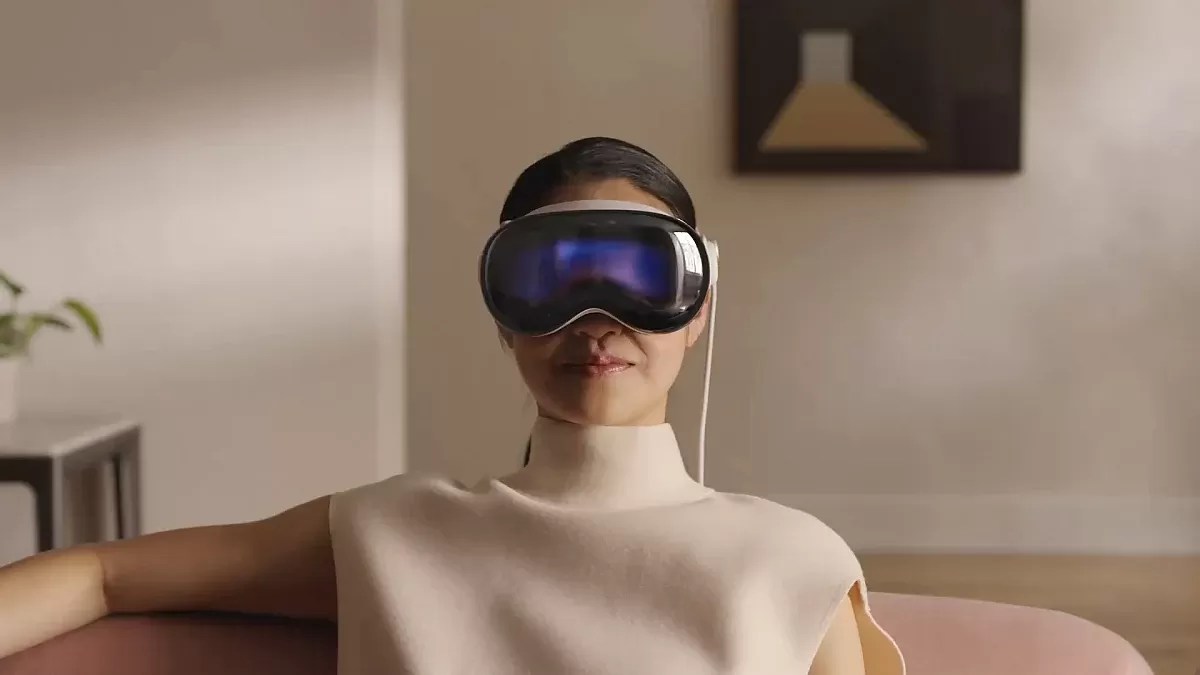
A future that is still too far off seems to be addressed by Apple’s latest product.
Tim Cook, CEO of Apple, is confident that he has discovered a method to transform computer technology after seven years of labor and more than 5,000 patents. The Steve Jobs-founded US global corporation presented what may be its most significant innovation in ten years yesterday. Theoretically replacing smartphones and providing access to the metaverse, Apple Vision Pro is an augmented reality headgear. According to Apple, it is “a revolutionary spatial computer that seamlessly blends digital content with the real world, allowing users to stay present and connected with others” and “creates an infinite canvas for applications that transcends the limitations of a traditional display through a three-dimensional interface controlled by natural, intuitive input (the user’s eyes, hands, and voice).” The headset converts any space into a personal cinema with a 30-metre wide screen and an advanced sound system. You can watch movies, TV shows, participate in more than 100 Apple Arcade games, and much more. It is equipped with visionOS, the world’s first computational operating system, and two ultra-high resolution screens. Unfortunately, the cost ($3500 excluding taxes in the US when launched next year, ) is on par with the expectations, but will Apple’s costly new wager be able to meet our everyday needs?
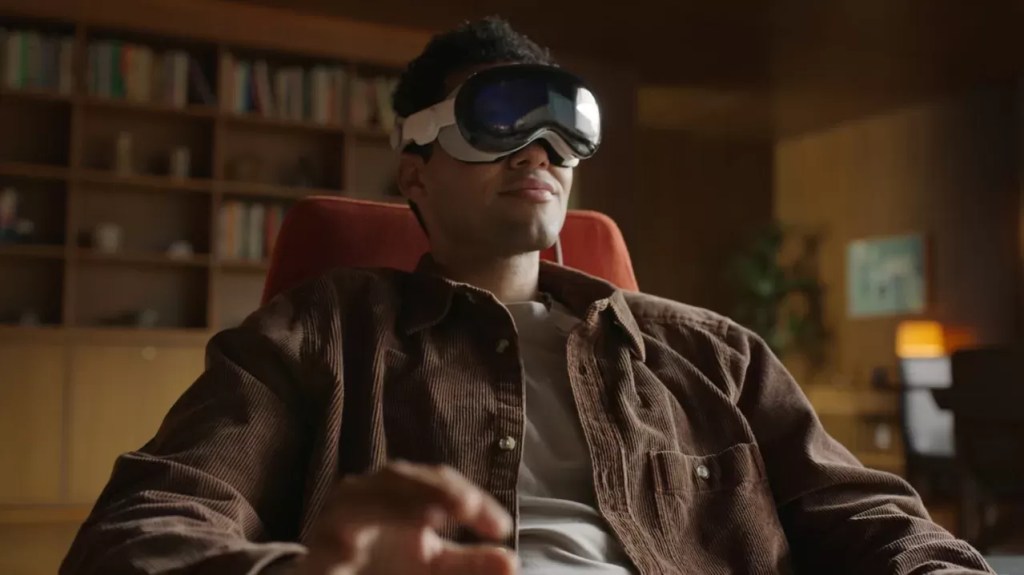
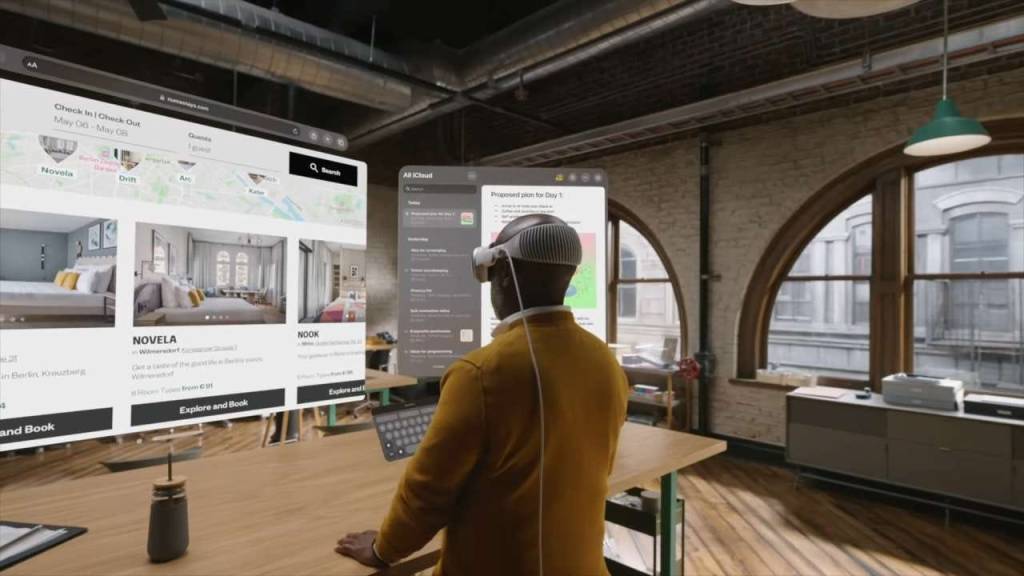
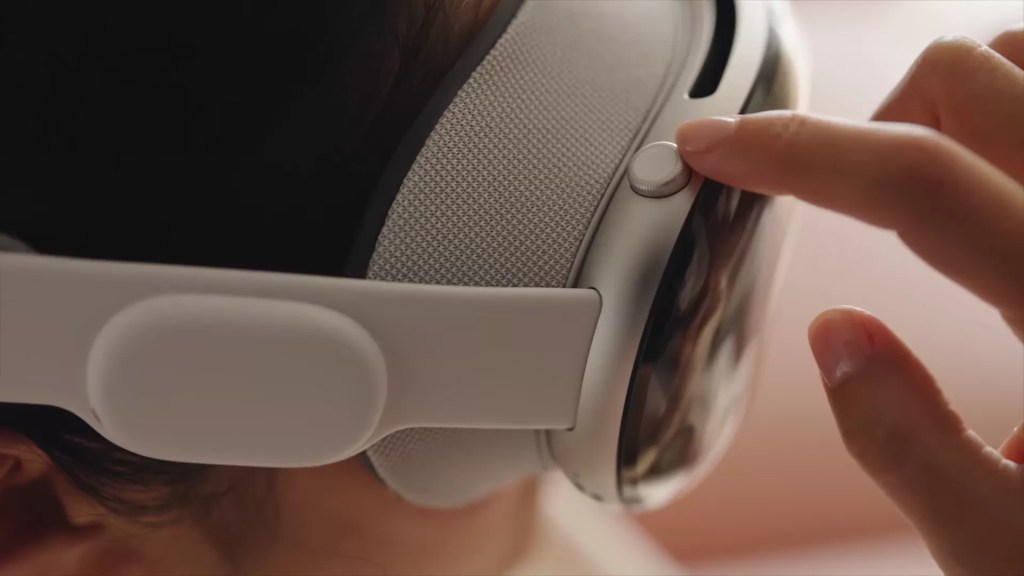
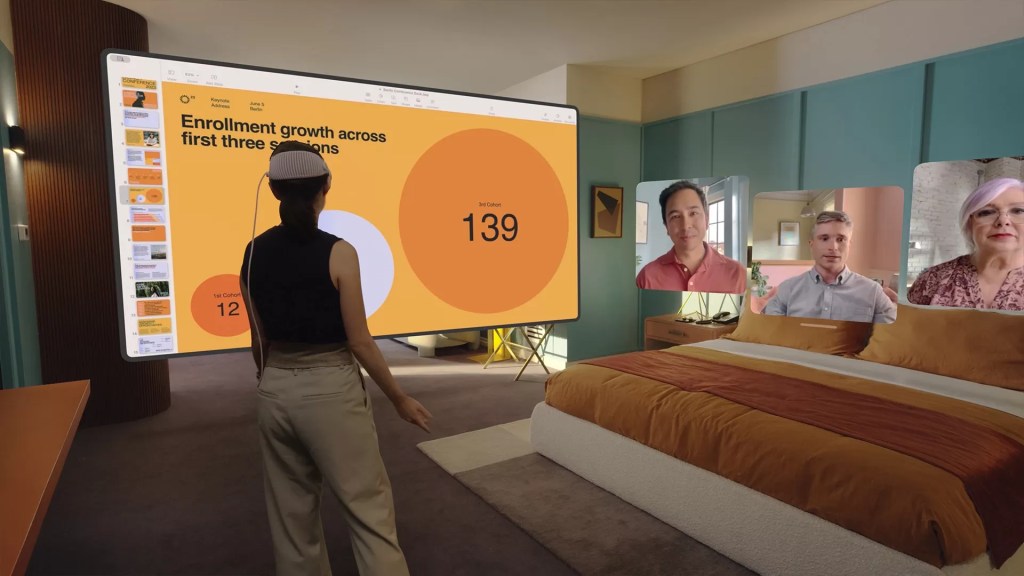
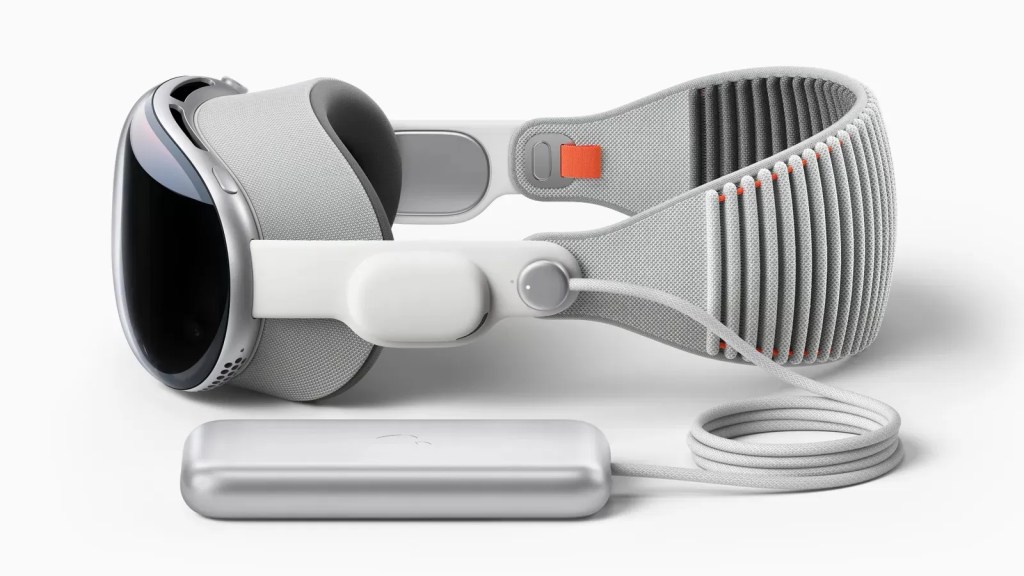
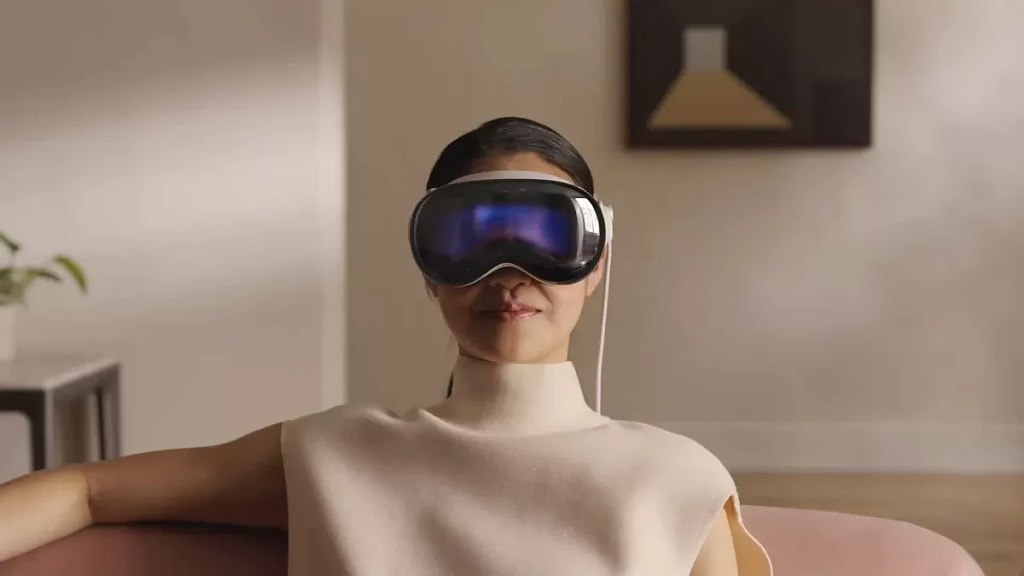
Advocates of mixed reality think that headgear or some sort of comfortable face computer will be crucial to popularizing augmented reality. It’s difficult to picture oneself in a pair of enormous, futuristic ski goggles made of aluminum and microfiber while riding a train or walking down the street. It is still difficult to believe that you can replace your smartphone with a product that costs three times as much, even though the price includes the dozens of sensors and viewers, the ultra-high resolution, the external battery (which, by the way, only lasts two hours), and the oodles of apps, features, and usage modes that come with each model. Investors do not appear to be impressed thus far, and analysts anticipate modest sales numbers in anticipation of a second prototype that is more useful and cost-effective.
Numerous businesses have been vying for the category’s financial success for years, propelled by the metaverse fever that, until last year, roused the market from its slumber. Tech behemoths like Google (Glass) and Microsoft (HoloLens) as well as start-ups like Magic Leap have all attempted and failed. Although Meta’s Oculus may be their best effort to far, it is still a long way from becoming the smartphone equivalent of the iPhone. Undoubtedly, a user-friendly and reasonably priced headgear model (that has nothing to do with the cumbersome and specialized experience that VR and AR currently give) might completely change the way we live.
Let’s start with the fashion industry, which has the potential to transform the way people purchase, enhance the e-commerce experience, and create new markets for digital goods like augmented reality apparel.


One thought on “The new Apple Vision Pro: Why We Aren’t Prepared For it”