
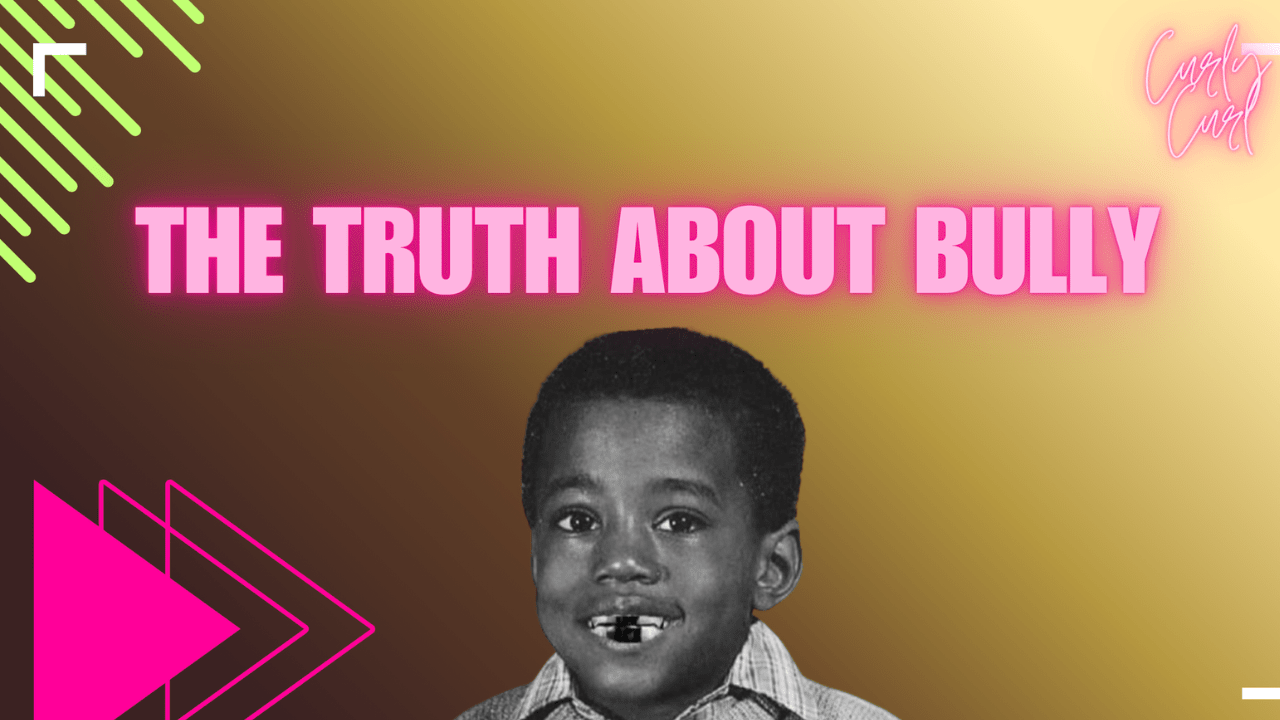

Kanye West’s BULLY Feels Less Like Growth — and More Like Control
There’s something off about BULLY.
Not in the obvious way — not just the sound, or the rollout, or even the controversy. It’s deeper than that. It’s the feeling that you’re not just listening to an album… you’re watching a narrative being rebuilt in real time.
Because when Kanye West drops, it’s never just music. It’s a reset. A shift. A new version of the story.
And this time, the story starts small.
A moment with his son. The word “bully” thrown out casually.
Normal, almost. Forgettable.
Except it doesn’t stay that way.
It becomes the concept.
And that’s where things start to feel strange — because instead of rejecting the idea, Ye leans into it. Shapes it. Turns it into perspective.
BULLY doesn’t feel like an apology.
It feels like a reframing.
After everything — the backlash, the headlines, the fallout — this album shows up right when the narrative needs to change. And suddenly, the tone shifts.
Now it’s reflection.
Now it’s growth.
Now it’s self-awareness.
But is it?
Because when you actually listen, it doesn’t sound like a new Kanye. It sounds like all of them at once.
The old Kanye.
The introspective Kanye.
The chaotic, unpredictable Kanye.
All layered together.
Not evolving — just… stacking.
Like he’s rebuilding his identity using pieces we already recognize.
And then there’s the part no one can ignore:
People don’t even fully trust what they’re hearing anymore.
The AI rumors? Even if they’re not true, they say everything about the moment we’re in. The audience isn’t passive anymore. Nobody just listens.
They question.
They analyze.
They doubt.
So now it’s not just “Do you believe him?”
It’s “Do you believe this is even him?”
And that changes the entire experience.
Because BULLY stops being just an album.
It becomes a test.
How much are you willing to separate the art from the artist?
How much are you willing to overlook?
How much do you actually care?
Some people will call this growth.
Others will call it strategy.
And honestly? Both can be true at the same time.
That’s the thing about Kanye.
He doesn’t resolve contradictions — he lives in them. Builds from them. Profits from them.
So maybe BULLY isn’t about redemption at all.
Maybe it’s about control.
Control of the narrative.
Control of the perception.
Control of what you choose to believe.
And the wildest part?
It might be working.
 curlycurlworld: Get Twisted with CurlyCurl: The Latest in Curls, Coils, and Confidence!