
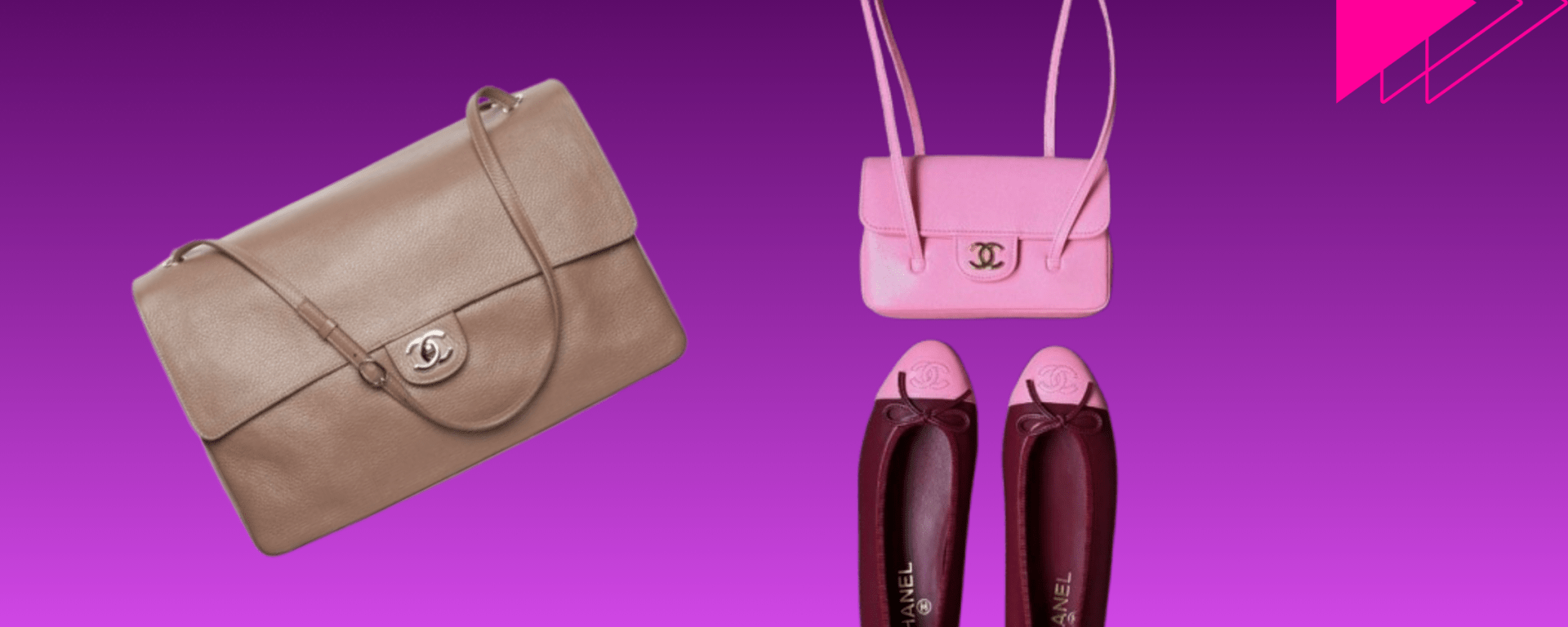
In recent seasons, Chanel has been subtly—but unmistakably—reshaping its identity. The introduction of the new Maxi Flap and the Mini 26 signals more than just a product update; it reflects a broader shift in how the house positions itself within a rapidly evolving luxury landscape.
The Maxi Flap: Function Over Iconography
The Maxi Flap departs from the structured, logo-forward DNA that once defined Chanel’s most recognizable pieces. Softer construction, oversized proportions, and a near-invisible logo place it firmly within the “quiet luxury” movement—an aesthetic rooted in discretion, material quality, and insider recognition rather than overt branding.
This design language aligns with a wider industry trend where luxury consumers are moving away from conspicuous consumption toward subtle, investment-driven fashion. However, the risk for a heritage brand like Chanel lies in dilution: when recognizability fades, so does the immediacy of desire.
The Mini 26: Safe, But Not Disruptive
In contrast, the Mini 26 maintains a closer connection to Chanel’s legacy. Compact, wearable, and commercially viable, it represents continuity rather than innovation. Yet, in an era driven by visual impact and digital virality, “safe” can translate into forgettable.
The coexistence of these two models highlights a brand navigating between heritage preservation and contemporary relevance—without fully committing to either extreme.
The Quiet Luxury Paradox
Chanel’s embrace of minimalism places it in direct conversation with the broader “quiet luxury” movement that has dominated fashion discourse. But unlike emerging or niche labels, Chanel’s power has historically relied on instantly recognizable codes: quilting, chain straps, and the iconic double C.
Stripping these elements back creates a paradox. The brand becomes more refined, yet potentially less distinctive. For long-time consumers, this evolution may feel like a loss of identity; for new audiences, it may lack the symbolic weight that once made Chanel aspirational.
Fast Fashion Acceleration
Perhaps the most pressing implication of this shift is how easily these new designs can be replicated. Brands such as Zara, Shein, and Temu are structurally built to translate runway minimalism into mass-market products at unprecedented speed.
When a luxury design leans heavily on simplicity rather than craftsmanship visibility, the gap between original and imitation narrows—at least visually. This creates a tension: if the aesthetic can be reproduced quickly and accessibly, what justifies the exclusivity?
A Brand in Transition
Chanel is not declining—it is recalibrating. The move toward understated design reflects cultural shifts, economic sensibilities, and a new generation of consumers who value subtlety over spectacle. Yet, in doing so, the house risks entering a space where its authority is less protected and more easily challenged.
The question is no longer whether the Maxi Flap or the Mini 26 will succeed commercially. It is whether this new direction can sustain Chanel’s symbolic power in a market where distinction is everything—and increasingly difficult to maintain.
In redefining what luxury looks like, Chanel may also be redefining what makes it unique.
 curlycurlworld: Get Twisted with CurlyCurl: The Latest in Curls, Coils, and Confidence!