
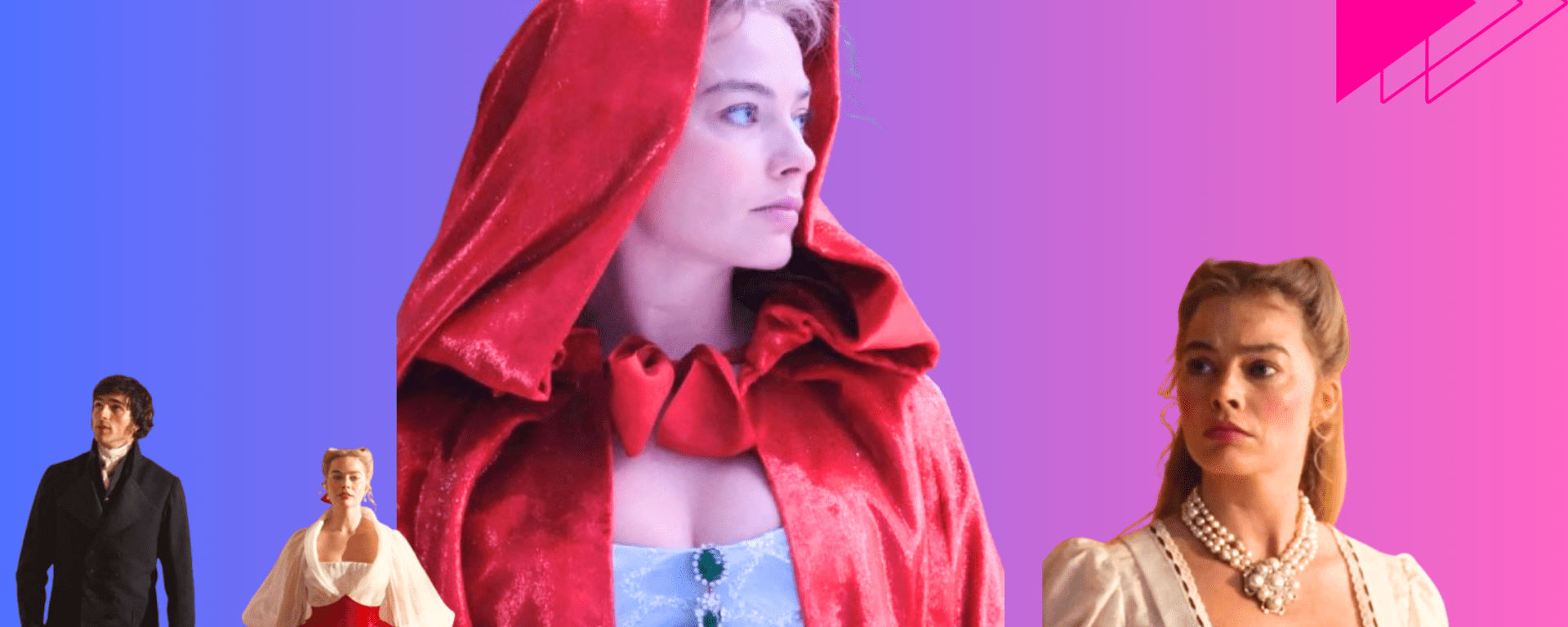

Emily Brontë’s Wuthering Heights is one of the most iconic novels in English literature, a story of love, obsession, and revenge set against the bleak Yorkshire moors. Traditionally, adaptations of this novel have focused on the raw emotion of the characters, the rugged landscapes, and the rigid social structures of the 19th century. The upcoming film adaptation starring Margot Robbie challenges every expectation — not with its plot, but with its daring and provocative approach to costume design.
Why the Costumes Are Controversial
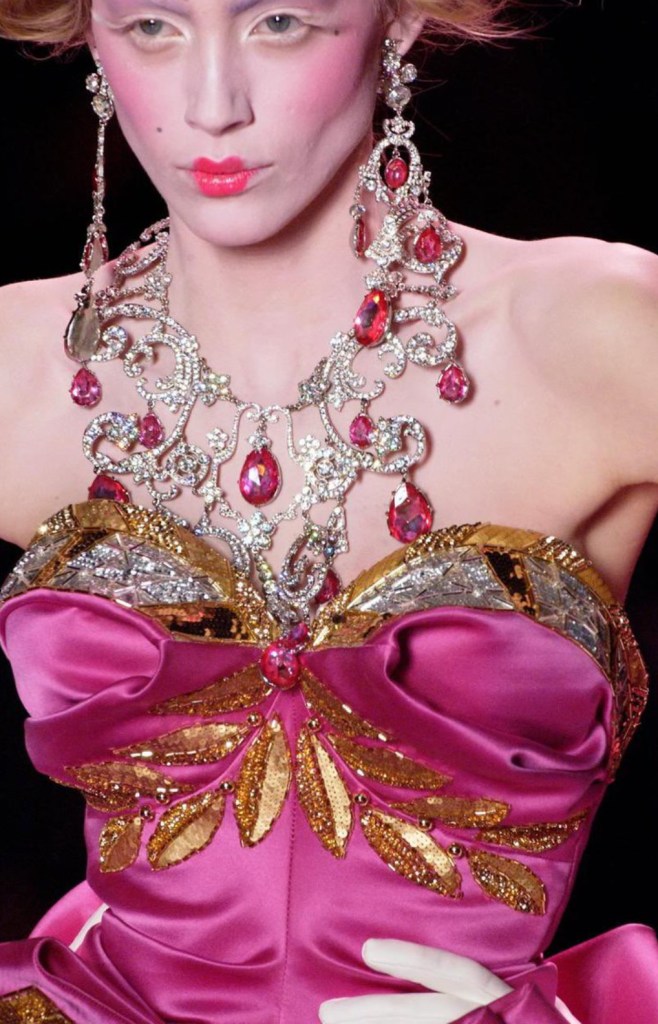
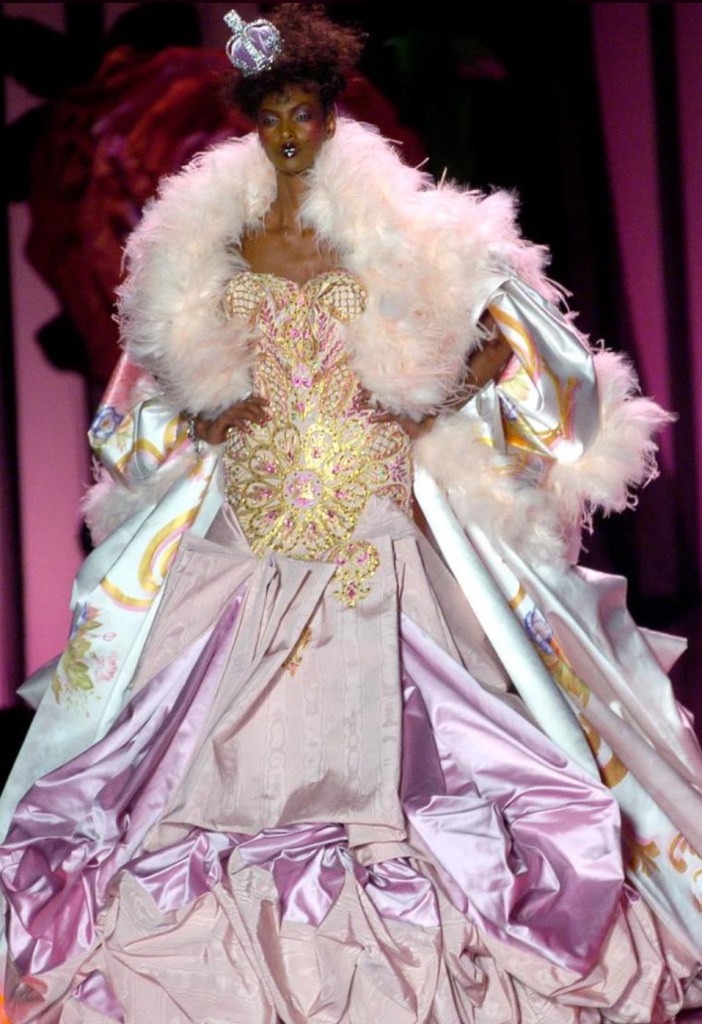
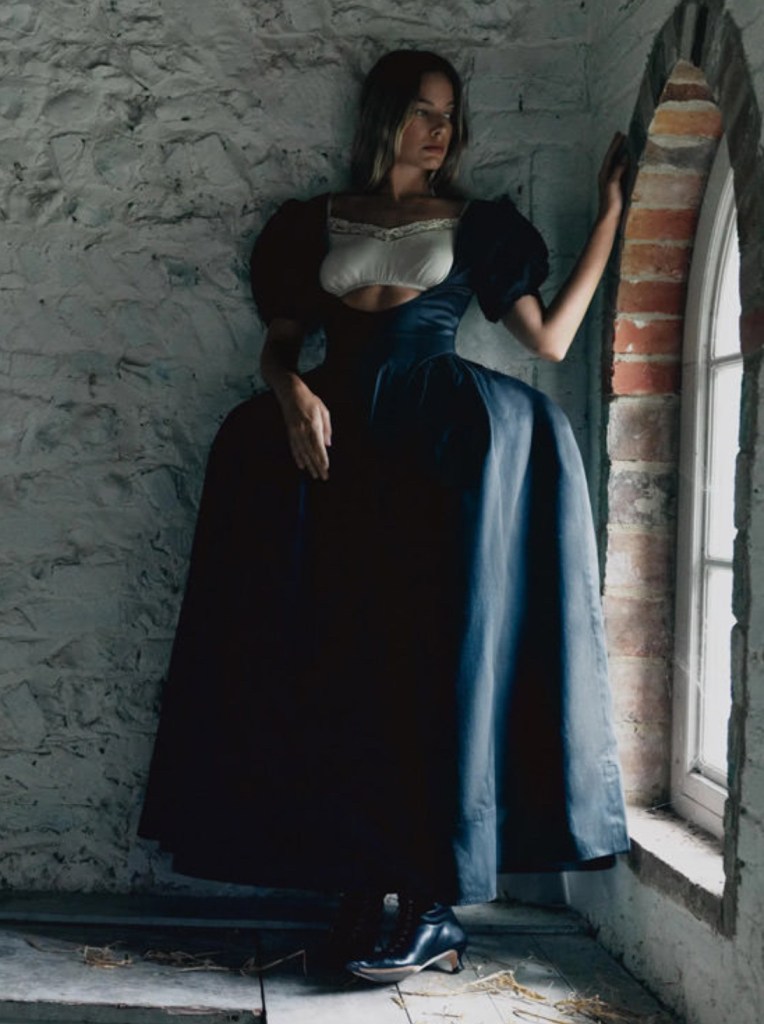
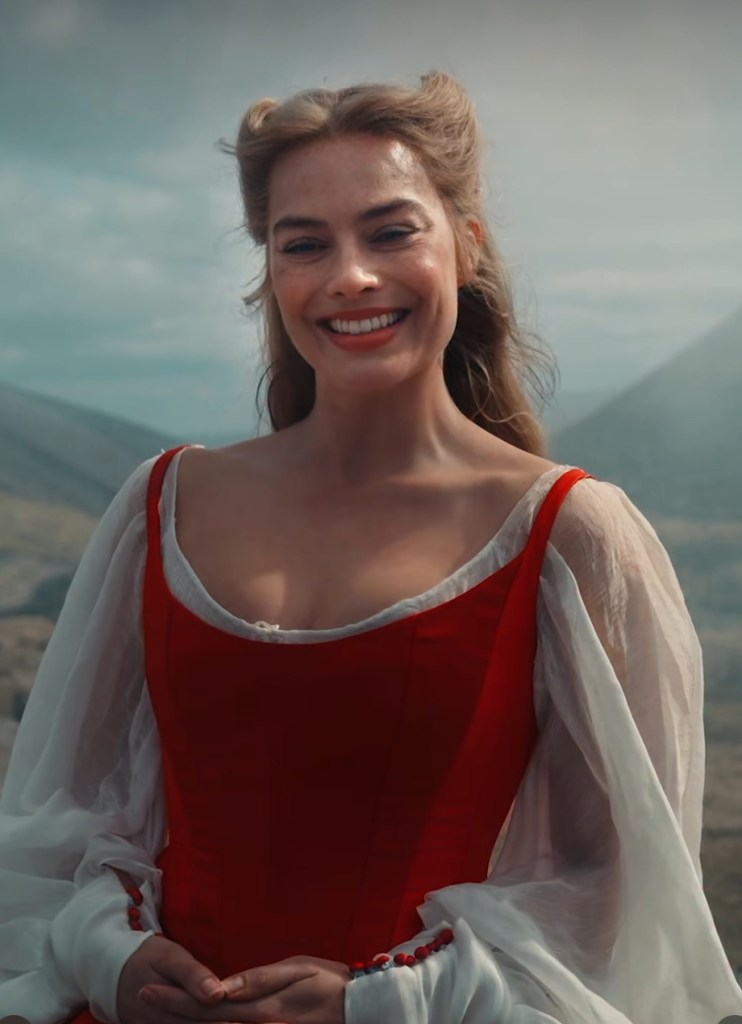
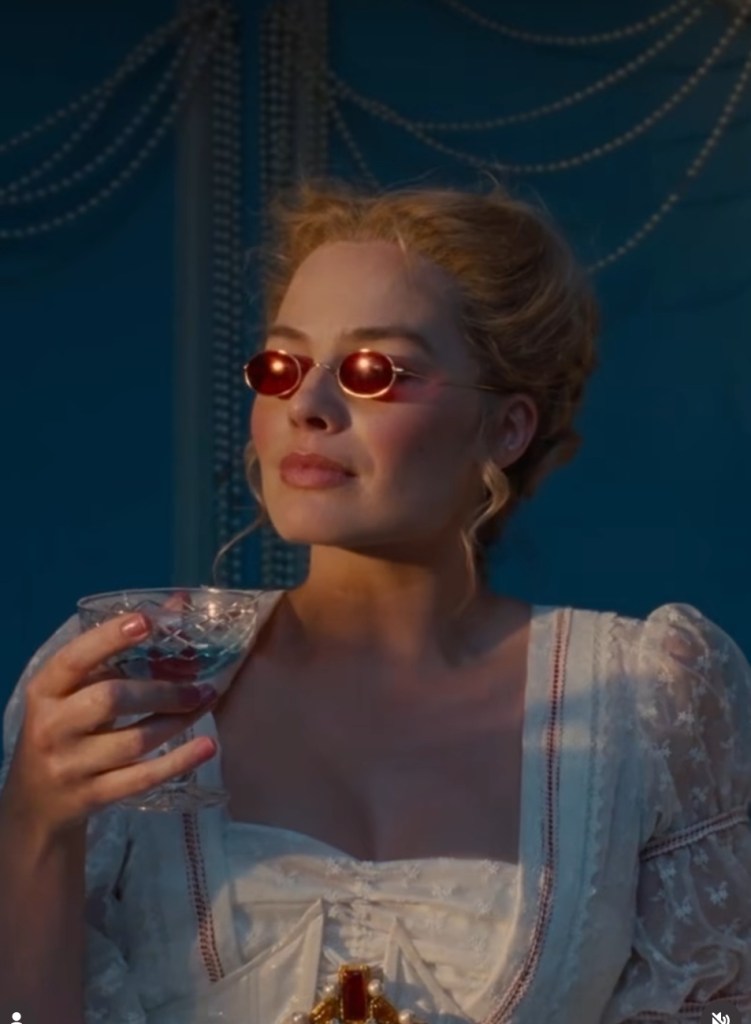
The first thing viewers notice is Margot Robbie’s wardrobe. Gone are the historically accurate Victorian dresses and muted color palettes. Instead, Robbie wears over 50 custom-made outfits inspired by an eclectic mix of eras and styles. Think Princess Sissi portraits, Scarlett O’Hara’s sweeping drama, 90s Mugler couture, early-2000s Dolce & Gabbana runway extravagance, and even PVC-wrapped pin-up editorials.
The costume designer, Jacqueline Durran, whose previous work includes Barbie, Pride & Prejudice, and Little Women, approached this project with a clear vision: historical accuracy is secondary to visual storytelling, glamour, and character emphasis. Each outfit was chosen to complement the actor’s presence on screen, rather than to reflect a precise period in time.
“The idea was to create a feverish dream — a visual narrative where fashion itself tells part of the story,” Durran explained in recent interviews. The result is a mashup of centuries and styles, producing what she describes as a “filmic mood board” — a collage of inspirations designed to evoke emotion and drama.
The Mood Board: From Royalty to Runway
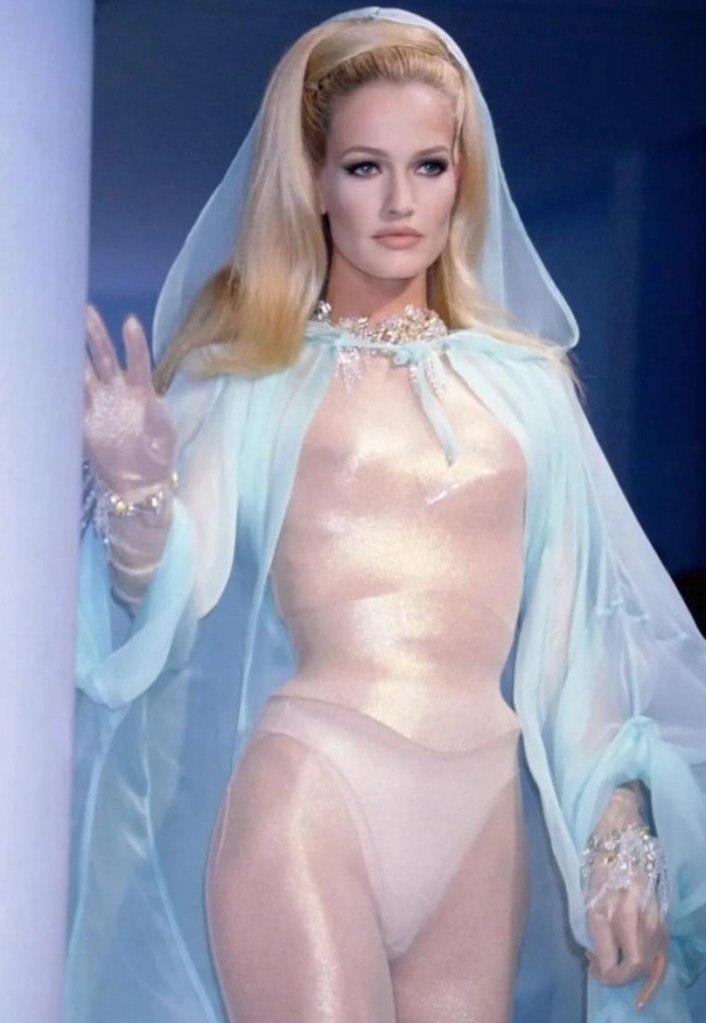
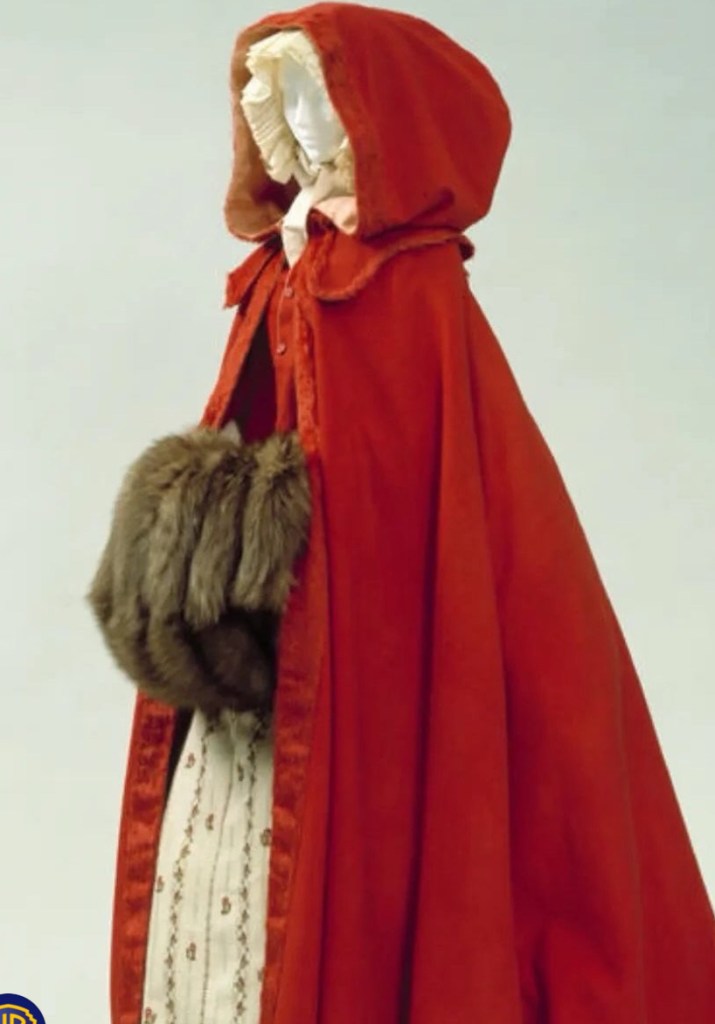
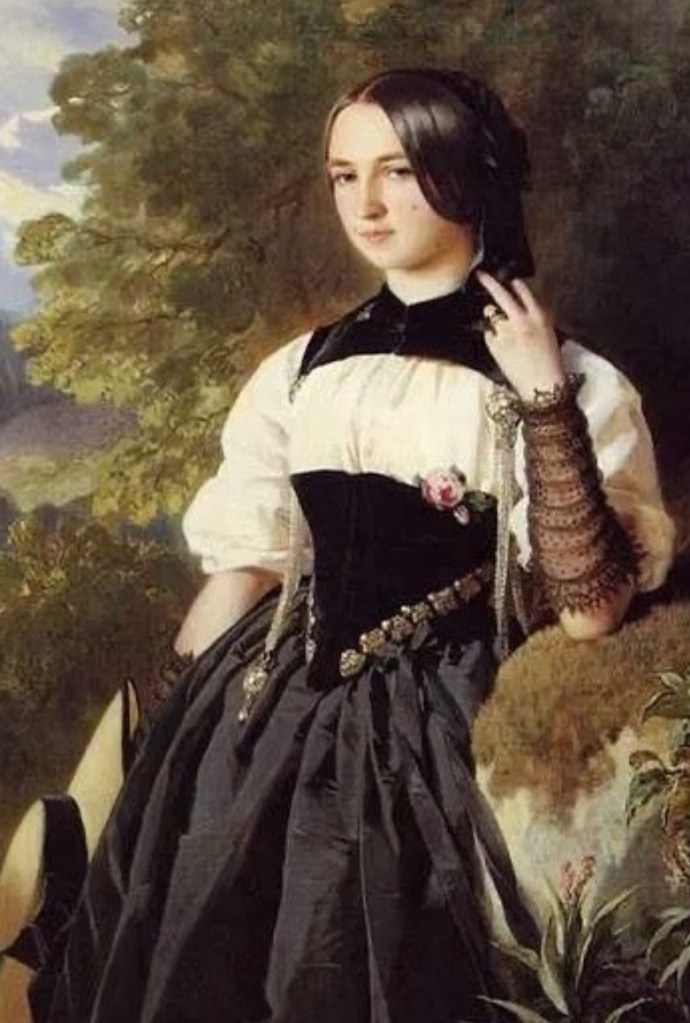
The mood board for Robbie’s costumes is a study in contrasts and artistic ambition. Royal portraits of Princess Sissi provide romantic and ethereal inspiration, while Mugler’s 1990s haute couture lends bold, sculptural lines. Early-2000s Dolce & Gabbana runway shows influence color and pattern, while Scarlett O’Hara’s iconic gowns bring theatricality and drama. Even PVC-wrapped pin-up editorials make an appearance, challenging the audience’s expectations of what a literary costume should be.
This eclecticism is intentional. The film is not a historical reconstruction — it is a fantasy filtered through couture. The costumes act as a bridge between eras, styles, and moods, creating an otherworldly atmosphere that underscores the intense, almost hallucinatory emotions of the story.
Casting and Character Choices
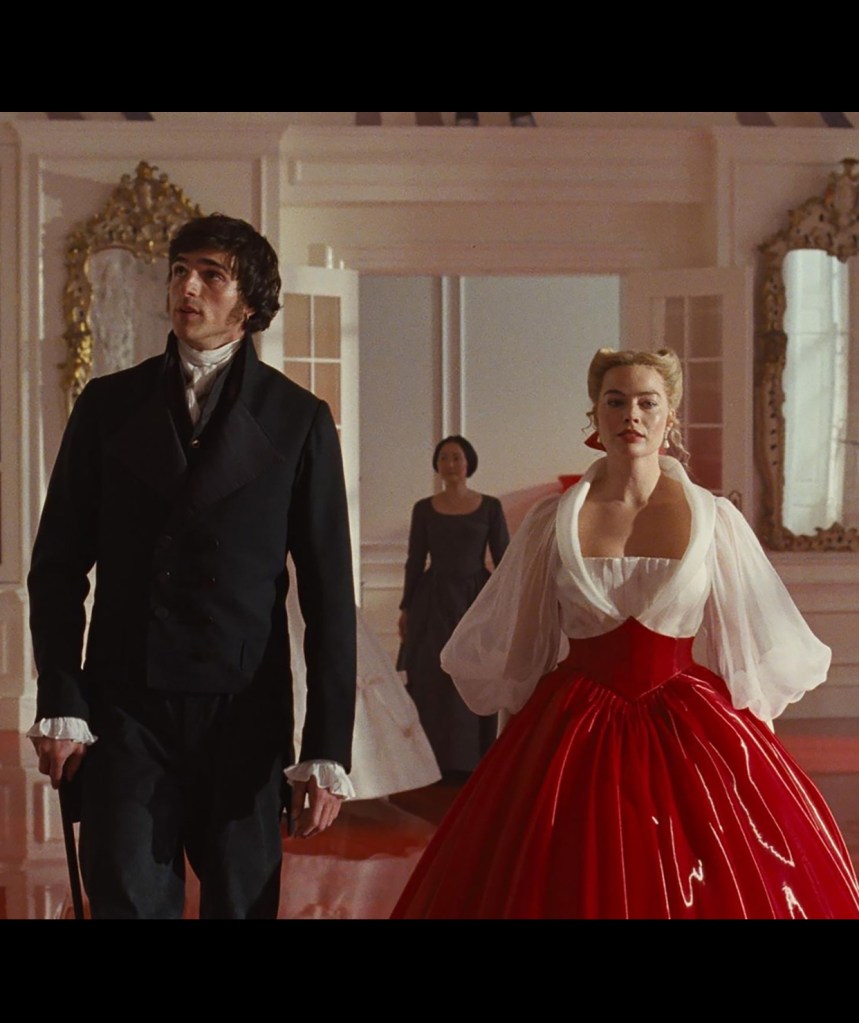
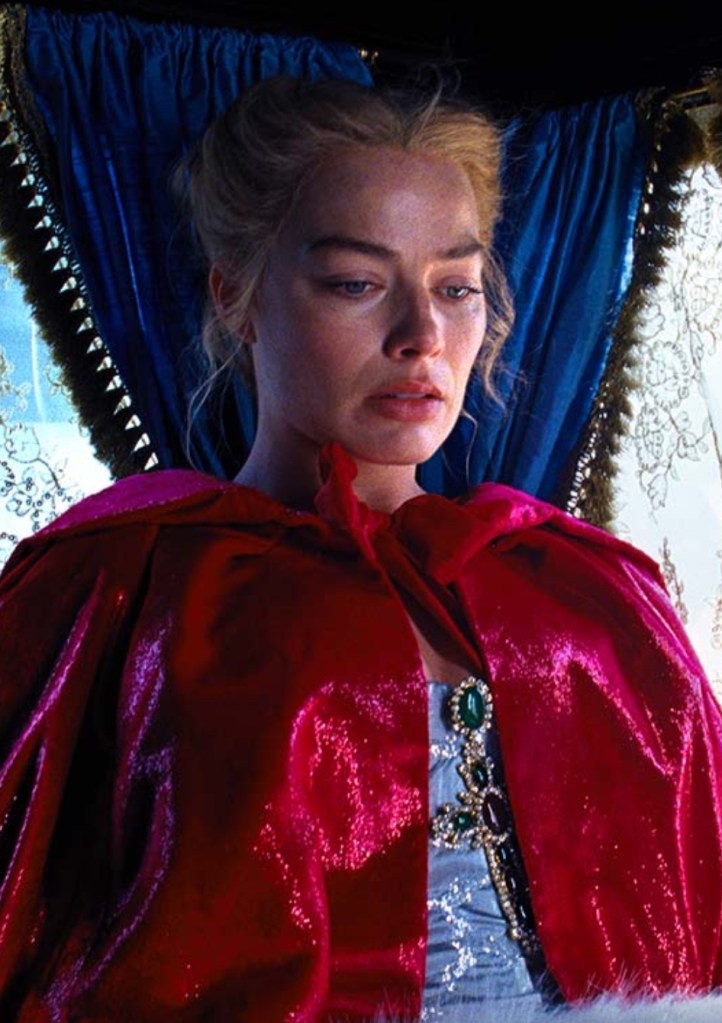
The casting decisions are equally provocative. Heathcliff, traditionally depicted as a dark-skinned outsider, is portrayed by Caucasian actor Gekko Belordi. This choice removes one of the novel’s core tensions: the societal impossibility of Heathcliff and Catherine’s love due to race and class. Critics argue this diminishes the story’s original social commentary, while supporters see it as a bold reinterpretation, allowing the film to focus on visual and emotional spectacle rather than social realism.
Heathcliff’s costumes, however, remain closer to the novel’s descriptions, emphasizing ruggedness and intensity. This contrast highlights the filmmakers’ intention: the story’s emotional core remains, but the visual language — particularly Catherine’s — is unapologetically modern, glamorous, and surreal.
Why This Adaptation Matters
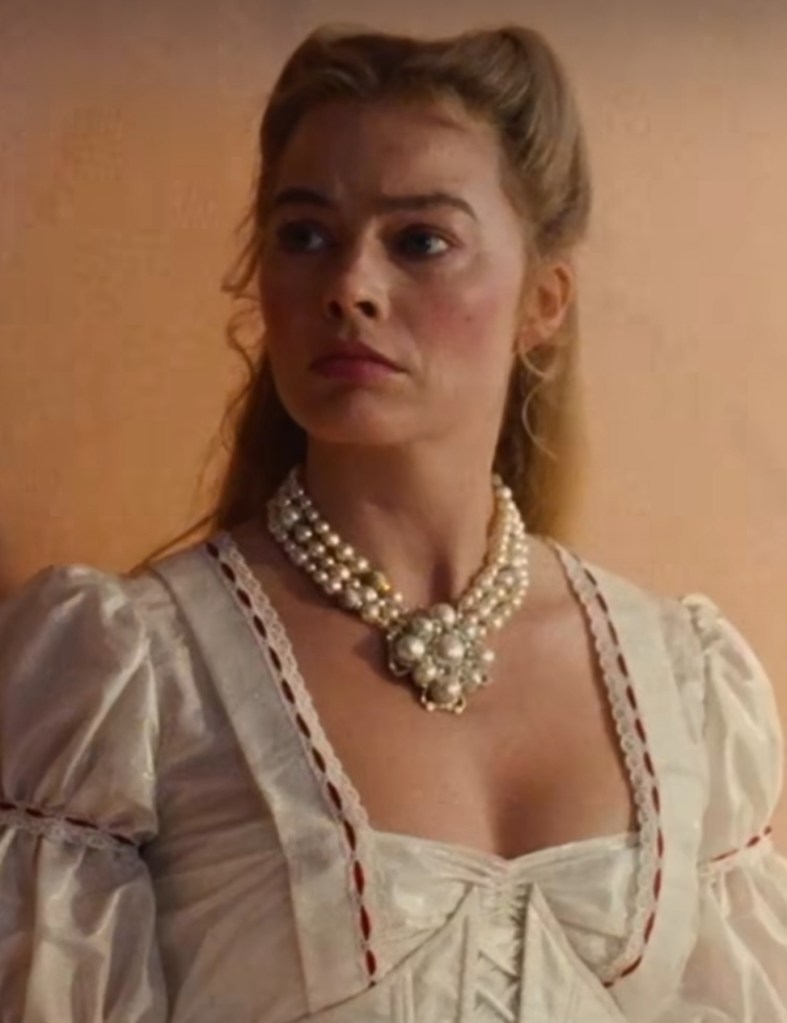
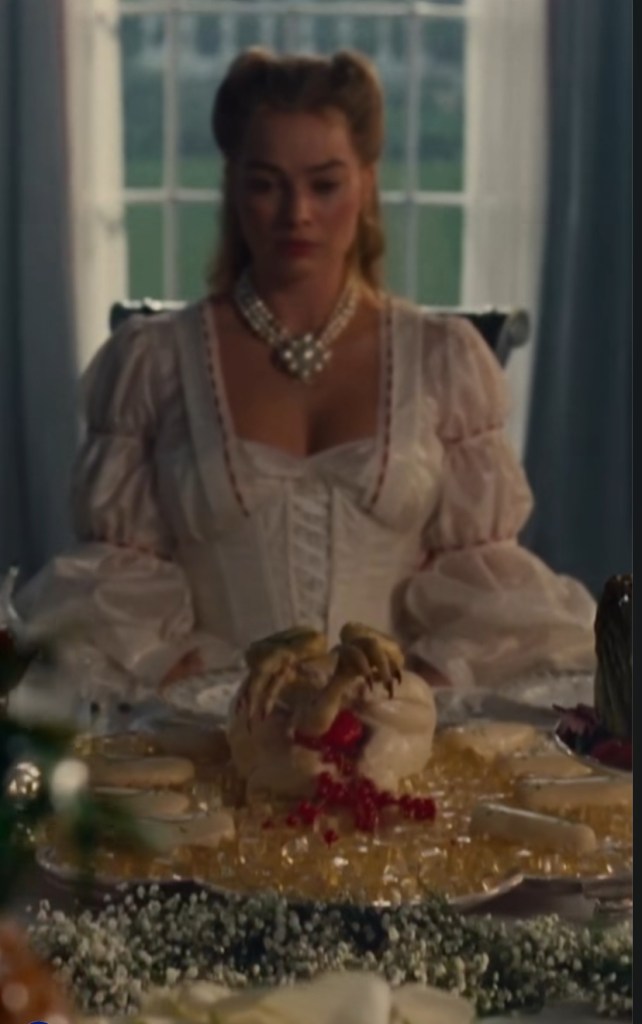
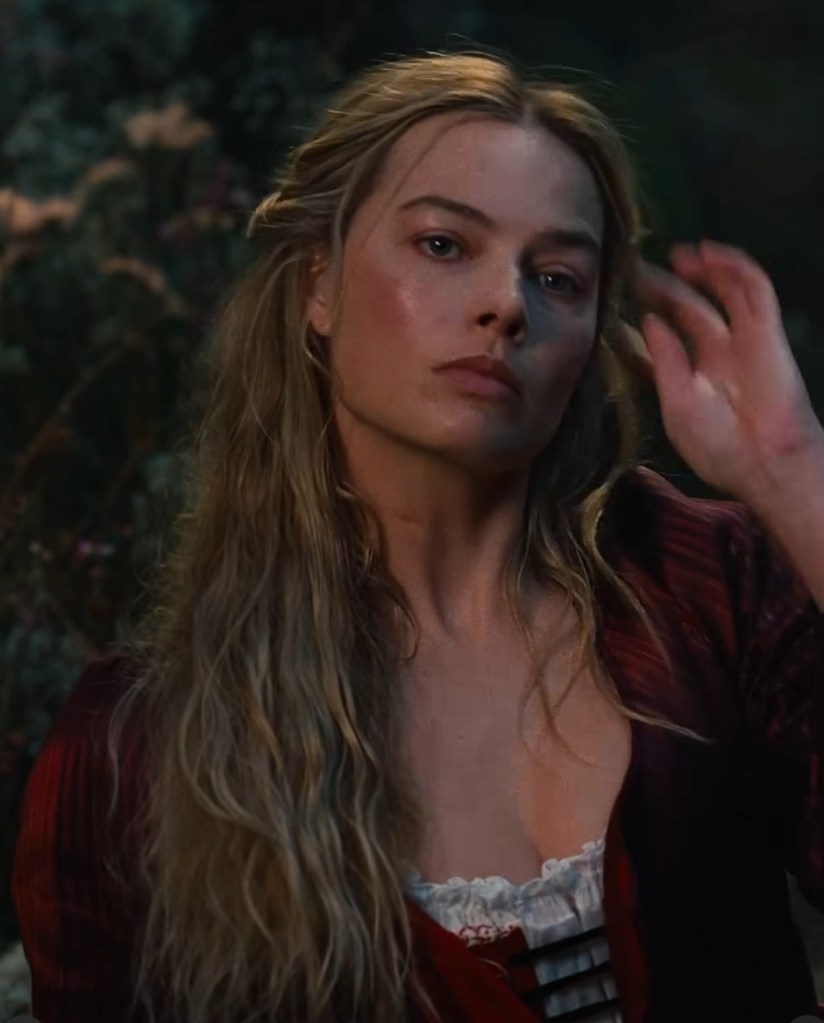
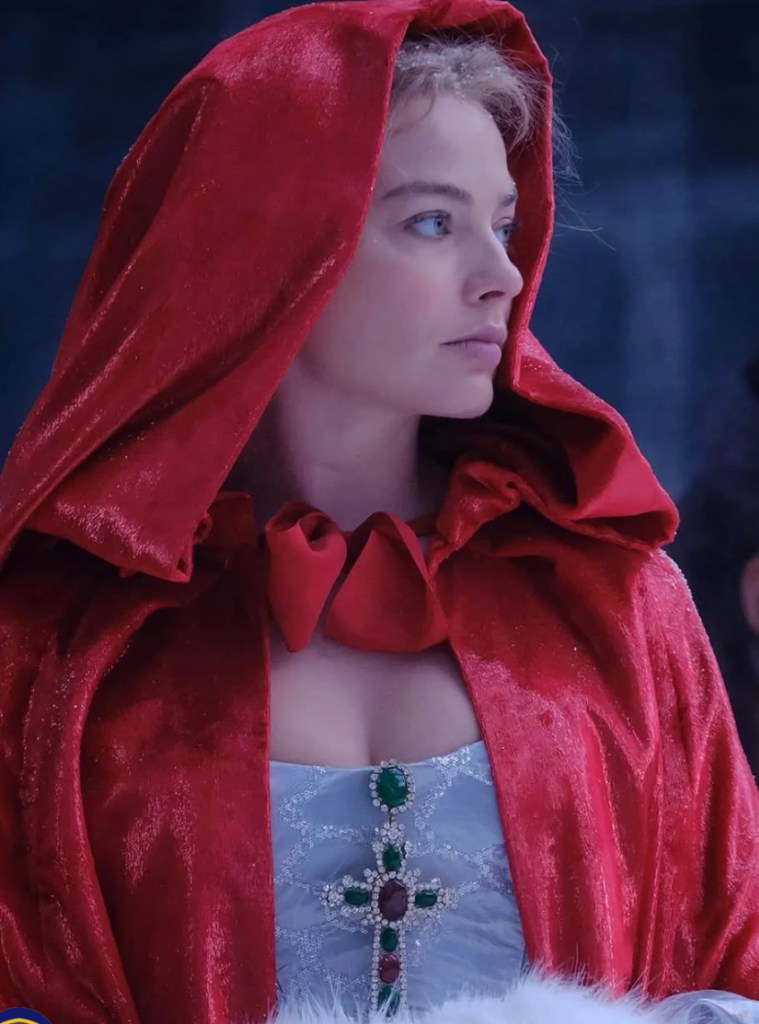
At first glance, these changes may feel shocking — especially for purists and scholars. But the new Wuthering Heights is part of a broader trend in cinema, where historical fidelity is traded for aesthetic impact and storytelling through visuals. Costumes are no longer merely functional; they are narrative devices, shaping how audiences perceive character, mood, and tone.
For fashion enthusiasts, this adaptation is a masterclass in blending eras, references, and textures. For literary audiences, it’s a test of flexibility: Can a classic story survive radical visual reinterpretation? Early reactions suggest the answer may be yes — the film is generating conversation, debate, and intrigue months before release.
Final Thoughts
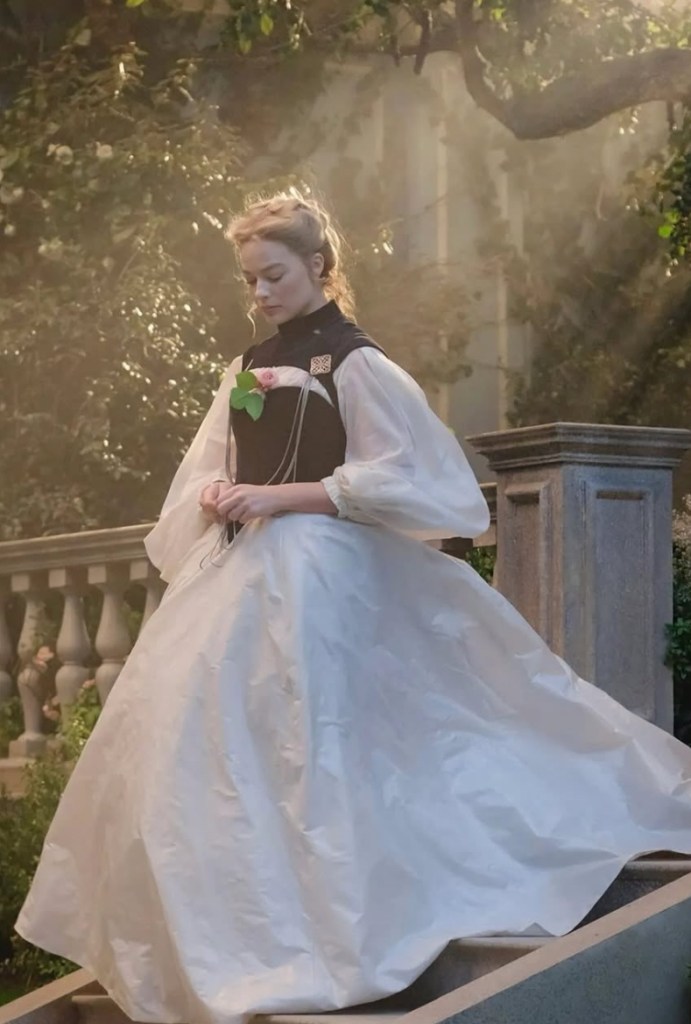
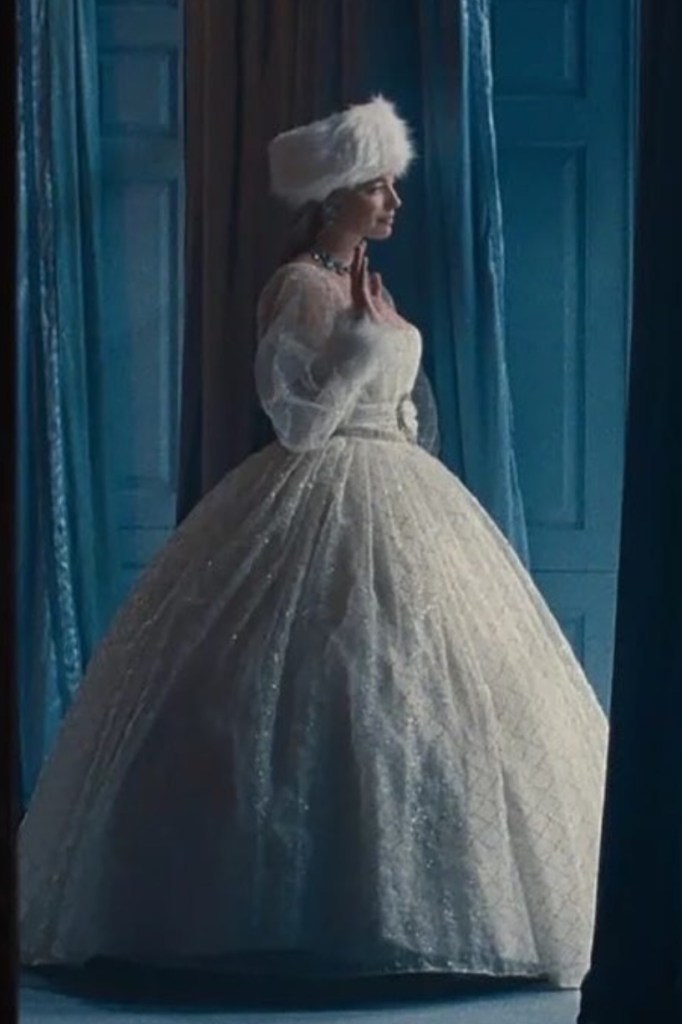
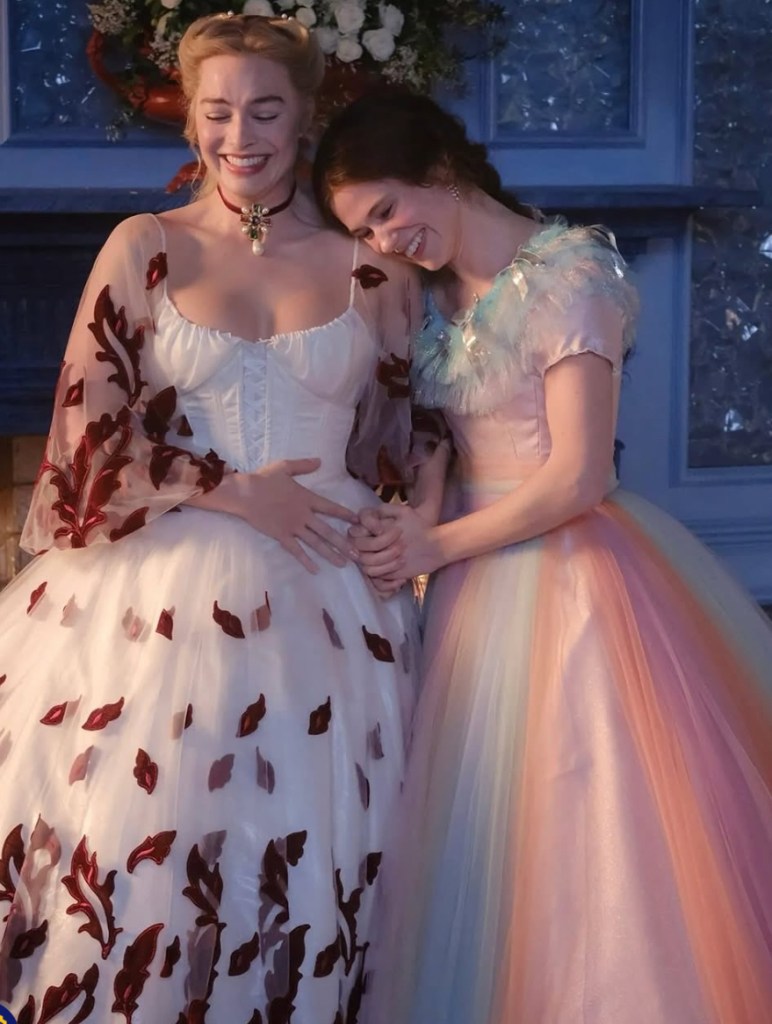
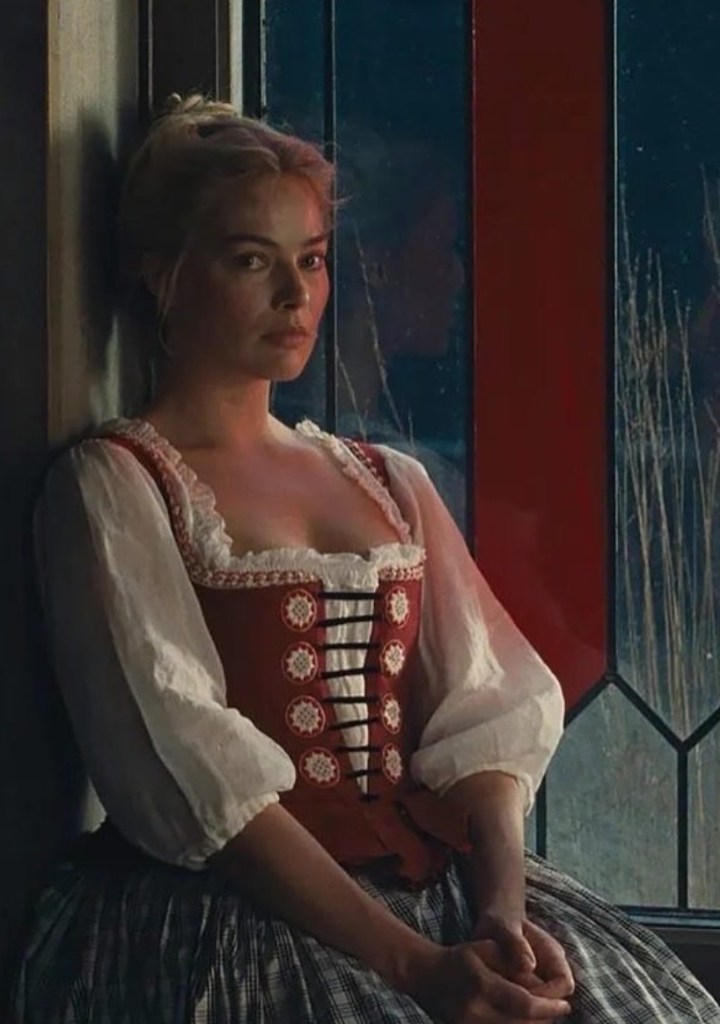
The new Wuthering Heights is more than a film; it is a cultural experiment. By blending literature, fashion, and fantasy, it challenges traditional notions of adaptation and costume design. Margot Robbie’s wardrobe, in particular, serves as a visual manifesto: daring, eclectic, and unapologetically glamorous.
This adaptation may not satisfy everyone’s desire for historical accuracy, but it promises a cinematic experience that is unforgettable, conversation-worthy, and visually stunning. For viewers willing to embrace a new lens, Wuthering Heights is a fever dream where couture tells its own story, and fashion is the new language of the moors.
 curlycurlworld: Get Twisted with CurlyCurl: The Latest in Curls, Coils, and Confidence!