
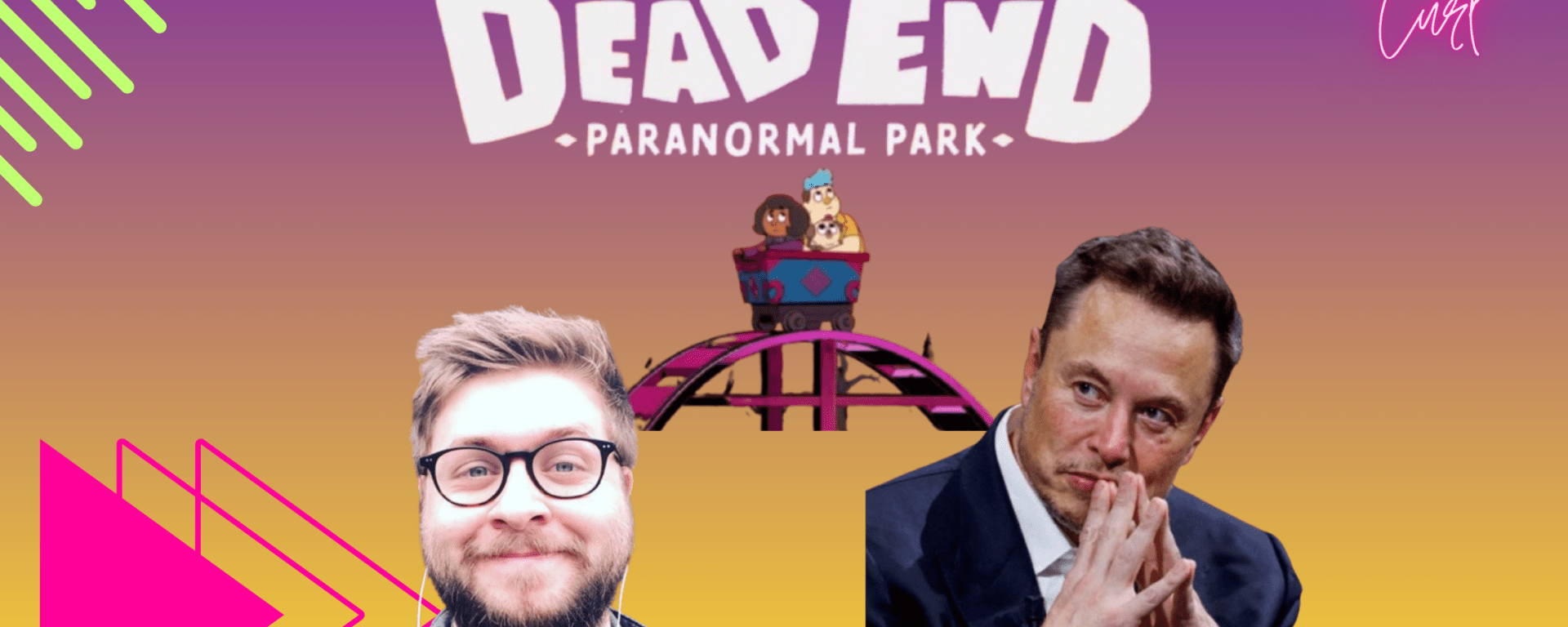
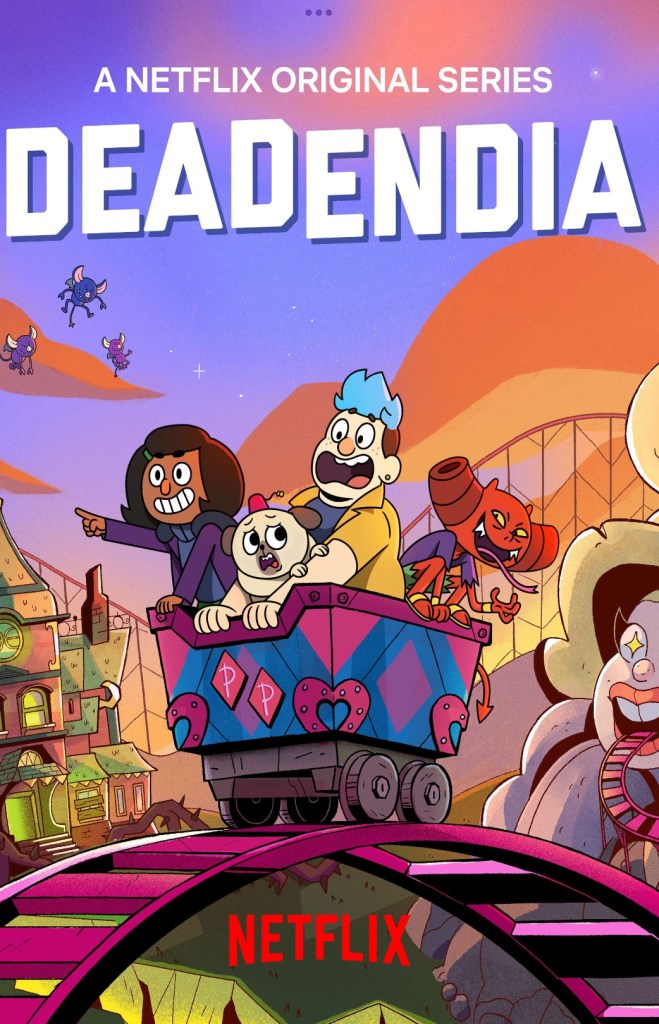
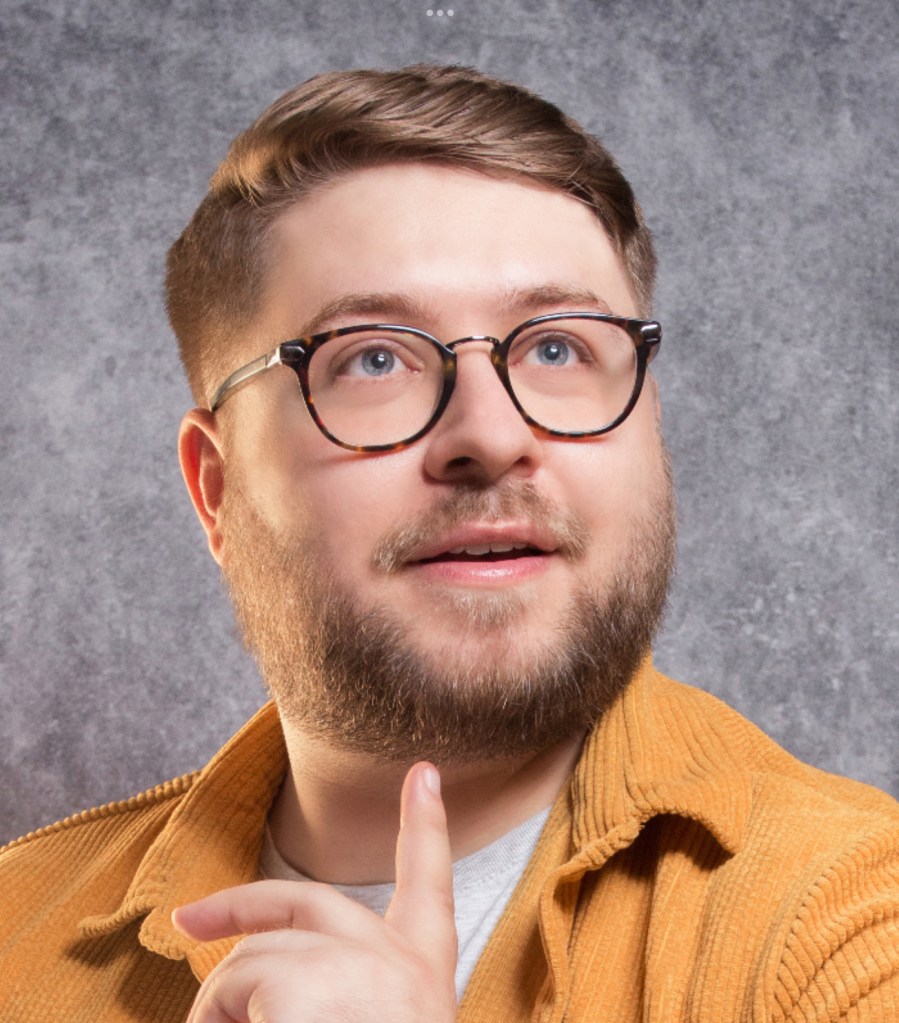
The recent controversy surrounding Elon Musk’s decision to cancel his Netflix subscription highlights, yet again, how easily social media outrage can distort reality—and unfairly target creators. According to reports, Musk’s reaction was sparked by an unverified screenshot allegedly linking Hamish Steele, creator of Dead End Paranormal Park, to an incendiary comment about conservative influencer Charlie Kirk. The irony? The show in question, which features a gay-trans protagonist, was canceled by Netflix in January 2023—over two years ago.
This episode underscores the dangers of misinformation in the age of viral screenshots. Steele, already navigating the pressures of creating inclusive content in a media landscape often hostile to LGBTQ+ narratives, faced an onslaught of trolling and harassment. While Musk shared his outrage on X (formerly Twitter), describing the situation as “not ok,” the backlash against Steele went far beyond simple disagreement, reportedly including homophobic and anti-Semitic emails.
It’s hard not to see this as a symptom of a larger problem: the weaponization of outrage for performative virtue or ideological signaling. Musk’s high-profile reaction gave legitimacy to a claim that was unverified, demonstrating how quickly the court of public opinion can convict someone without due process. Meanwhile, the actual discussion about the show—its cancellation, its representation of LGBTQ+ characters, and the industry’s failure to support diverse stories—was entirely lost in the noise.
Dead End Paranormal Park offered a rare space for trans and gay narratives in children’s animation. Steele’s desire to give the characters a proper ending reflects a genuine commitment to inclusive storytelling—something the industry should support, not punish through harassment. The real tragedy here isn’t Musk’s canceled subscription; it’s that a creator trying to expand representation now faces a climate where misinformation can translate into harassment, jeopardizing both personal safety and creative freedom.
Online outrage is no longer just an abstract phenomenon—it’s a tangible force shaping careers, reputations, and the media we consume. Musk’s reaction, though perhaps well-intentioned, highlights how even powerful voices can amplify misinformation, harming those who are already vulnerable. The lesson is clear: social media should not be a replacement for thoughtful engagement or fact-checking, and creators like Steele deserve protection, not persecution.
In an age where every viral screenshot can spark a storm, the public—and high-profile figures alike—must learn to pause, verify, and consider the human cost before adding fuel to the fire. Otherwise, we risk normalizing harassment and allowing misinformation to dictate whose stories get told.
 curlycurlworld: Get Twisted with CurlyCurl: The Latest in Curls, Coils, and Confidence!