
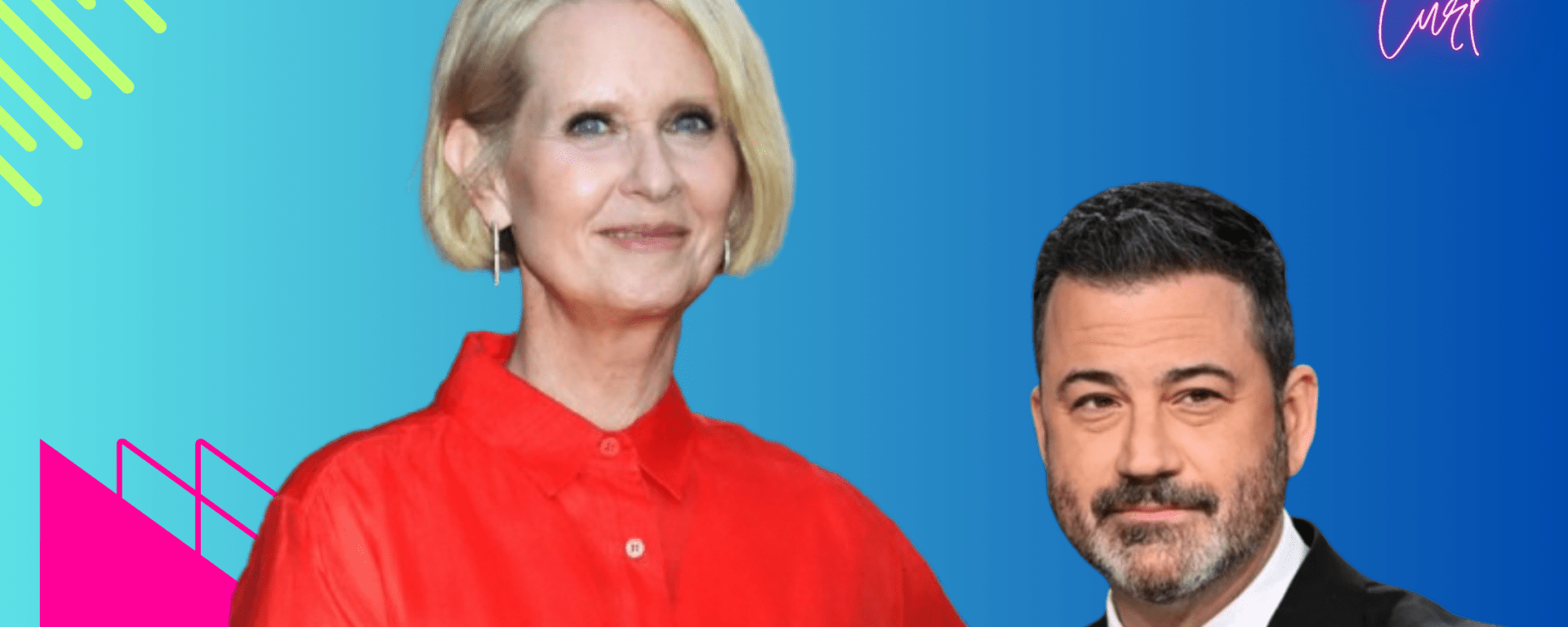
Actress and activist Cynthia Nixon has publicly canceled her Disney+ and Hulu subscriptions, joining a wave of protests against Disney after the suspension of Jimmy Kimmel Live! earlier this month.
In a video posted to TikTok, Nixon explained that she selected “other” when asked for a reason for leaving the services and typed: “Because I believe in the First Amendment. Reinstate Jimmy Kimmel. Now.”
The Sex and the City star acknowledged that her family would miss shows such as Abbott Elementary and Only Murders in the Building, both among Disney’s most popular streaming titles, but said the principle at stake was greater than entertainment.
“We would miss the First Amendment a whole lot more,” Nixon said in the video. “Don’t go to the theme parks. Don’t go on the cruises. Cancel your subscriptions. Now.”
Background on the Suspension
Disney-owned ABC suspended Jimmy Kimmel Live! indefinitely after the late-night host delivered a monologue addressing the death of conservative activist Charlie Kirk. The remarks drew swift condemnation from political figures and inquiries from the Federal Communications Commission, which raised concerns about possible violations of broadcast standards.
The decision has fueled criticism that Disney bowed to political pressure, sidelining one of late-night television’s longest-running hosts in order to avoid a broader clash with regulators. Free speech advocates and several entertainers argue the move undermines creative freedom and sets a troubling precedent for corporate media.
Boycott Gains Momentum
Nixon is one of several Hollywood figures to openly call for a boycott. Earlier this week, She-Hulk star Tatiana Maslany urged fans to cancel Disney subscriptions, describing the suspension as “a chilling attack on free speech.” Other entertainers have echoed the sentiment, warning that companies risk alienating both audiences and talent if they are seen as silencing creative voices.
On social media, hashtags urging consumers to cancel Disney+ and Hulu have spread quickly, with some activists expanding the call to include Disney’s theme parks and cruise business. While the financial impact of the boycott is unclear, it adds to the challenges facing Disney at a time when its streaming division is struggling with subscriber churn and mounting competition.
A Larger Debate
The controversy has reignited debate over the balance between corporate responsibility and free expression. Legally, the First Amendment restricts government censorship, not decisions by private companies. Still, critics argue that political pressure and the threat of regulatory penalties create a “chilling effect” that leads corporations to silence voices preemptively.
For Nixon, the issue is less about one television host and more about the precedent his suspension could set. By urging consumers to cut financial ties with Disney, she is betting that public pressure can outweigh political influence.
Whether the campaign succeeds in securing Kimmel’s return remains uncertain. But it has already underscored how cultural battles over speech and politics increasingly play out through consumer choices — from streaming subscriptions to theme park tickets — and how entertainment companies find themselves caught in the middle.
 curlycurlworld: Get Twisted with CurlyCurl: The Latest in Curls, Coils, and Confidence!