
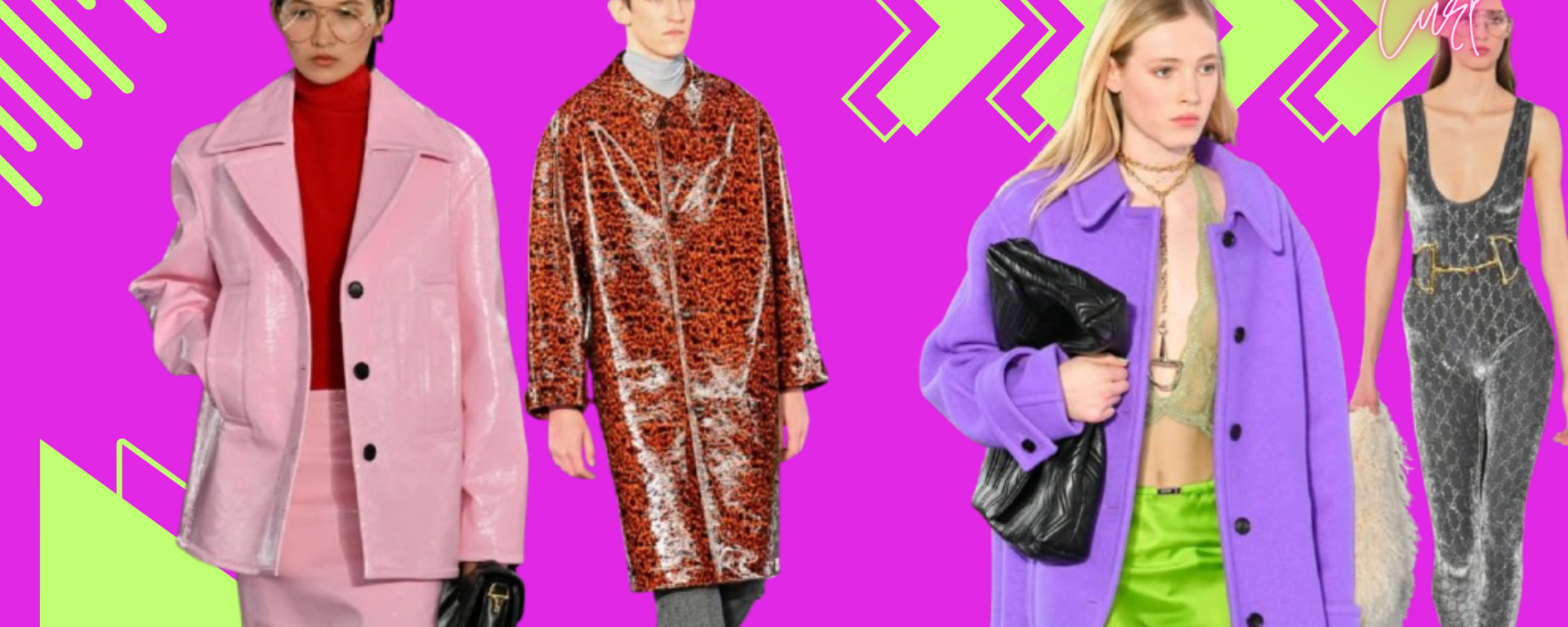
The Gucci FW23 show marked a turning point for the luxury fashion house. It was the first show to walk the runway without Alessandro Michele at the helm. At the time, the collection sparked curiosity. People were eager to see the brand’s evolving identity under the creative direction of Sabato De Sarno. He had just been appointed. Now, just over two years later, Gucci is once again at a crossroads. Kering’s flagship brand is facing another creative shift. This happens less than twenty days after De Sarno’s departure.
For the past two years, Gucci has been defined by Rosso Ancora, a deep red shade championed by De Sarno. However, with this latest collection, the brand pivots toward another iconic Maison color: forest green—though interestingly, this hue was absent from the designs on display. Instead, an opulent velvet-clad space in natural tones served as the backdrop, highlighting a monumental double G emblem at its center—a tribute to the logo’s 50th anniversary. This interplay between past and future aptly inspired the collection’s name: Continuum.
The runway show opened on an unexpected note, stepping away from the pop-infused soundtracks of Mina and Fiordaliso that defined recent seasons. In their place, Gucci embraced a more refined, cinematic atmosphere, featuring an orchestral score by Justin Hurwitz, the Oscar-winning composer known for his work on La La Land and Whiplash. The show’s format also broke convention, with models gracing the runway three times—first showcasing the women’s collection, then the men’s, and finally, a co-ed presentation to close the event.
With Gucci’s FW25 collection, the brand embarks on a new chapter, balancing heritage with reinvention. As the fashion world speculates about its next creative leader, one thing is certain: Gucci remains a force in luxury fashion, always evolving yet deeply rooted in its legacy.
Gucci’s latest collection pays homage to the creative visionaries who have shaped the brand’s legacy while blending tradition with modern influences. This season, the designs evoke a baroque aesthetic reminiscent of Alessandro Michele, featuring opulent long furs and signature printed scarves. The collection embraces Italian sprezzatura, a balance of effortless elegance and studied nonchalance, reinforcing Gucci’s distinctive identity.
Outerwear takes a retro turn, with three-quarter-length jackets inspired by the 1960s fashion revival, marked by oversized buttons and a departure from overt branding. Reflecting contemporary trends, midi pencil skirts dominate, offered in neutral hues, intricate patterns, or embellished with stones. These are frequently paired with lace bodysuits, subtly nodding to Tom Ford’s legacy of sensual transparency.
The color palette for Fall/Winter leans toward soft pastels, with banana yellow and lilac emerging as standout shades. While the brand recently flirted with a minimalist, almost brutalist approach under De Sarno, this season brings back Gucci’s flamboyant DNA, enriched with kitsch details like statement stockings and velvet bodysuits adorned with Swarovski double G logos.
This season, Gucci’s bags stole the spotlight, making a triumphant return after a period of underwhelming presence. The brand debuted the soft oversized Horsebit 1955 alongside fresh FW25 models, including a hobo bag inspired by Japanese designs and a bolder, larger horsebit motif. This updated horsebit also appeared in necklaces and women’s chokers, emphasizing its growing importance. The true standout, however, was the Bamboo bag, reimagined as a vinyl tote that reflects light beautifully despite its darker tones. Whether maxi or mini, the horsebit design flourished, becoming the defining feature across the accessory collection—from the handle of a new shoulder bag to the snap closure of the Gucci Siena.
Although the show featured both men’s and women’s collections, the men’s fashion segment took a backseat in terms of attention. The primary focus was a return to high tailoring, with strong 1970s influences seen in structured double-breasted jackets, ever-present turtlenecks, and knitted vests, now paired with shiny shirts. The men’s looks evoked the aesthetic of late-1960s Palmolive advertisements, blending the stern, workmanlike attire of a father with a playful, youthful twist. Outerwear was a dominant theme in the men’s collection, with oversized coats, including a striking tortoiseshell vinyl piece, and wool jackets with elegant collars. Despite these strong pieces, the men’s collection nearly faded from view until the second round of models emerged. Bags also played a role in this segment, with a new 48-hour bag featuring a tricolor design in forest green suede. Notably, eyewear was a highlight, drawing on mid-century influences and departing from the rigid squared shapes of previous collections.
The behind-the-scenes story remains somewhat unclear, especially after expectations of Sabato De Sarno’s seventh collection for Milan Fashion Week. Instead, the Gucci team presented a collection that clearly signals a break from the brand’s past two years. While there is still uncertainty surrounding the appointment of De Sarno’s successor (with confirmation expected soon from Gucci and Kering), one thing is evident: Gucci is striving for a fresh start. The upcoming Cruise show in Florence on May 15 could offer further confirmation of this new direction, marking the beginning of a new era for the brand. Gucci appears to have left its Rosso Ancora phase behind, embracing a sophisticated forest green as its new signature.
 curlycurlworld: Get Twisted with CurlyCurl: The Latest in Curls, Coils, and Confidence!