

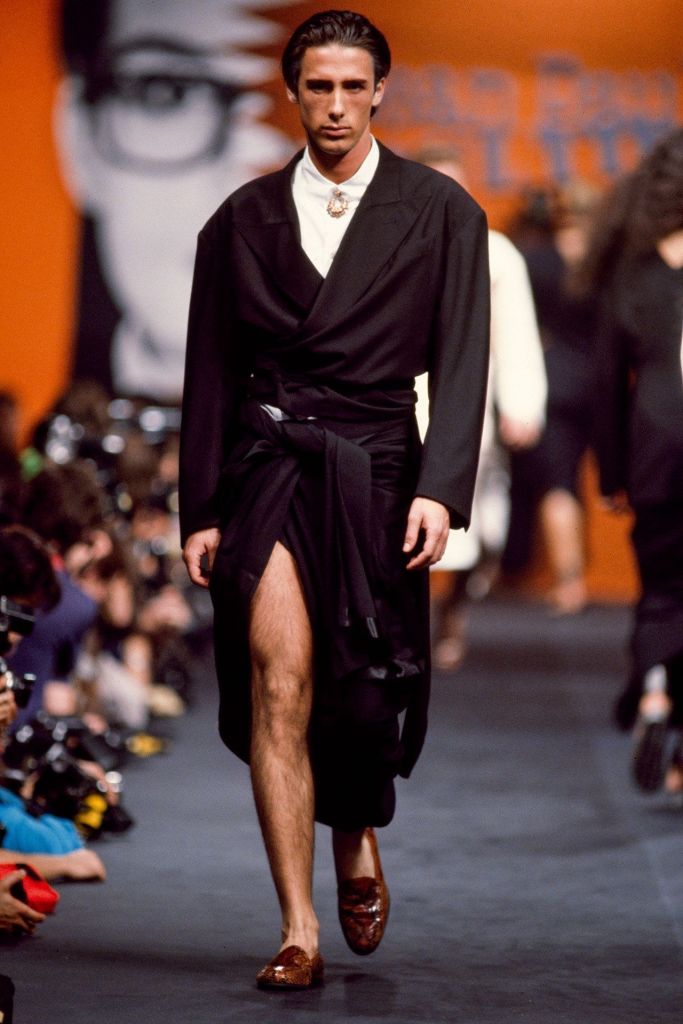
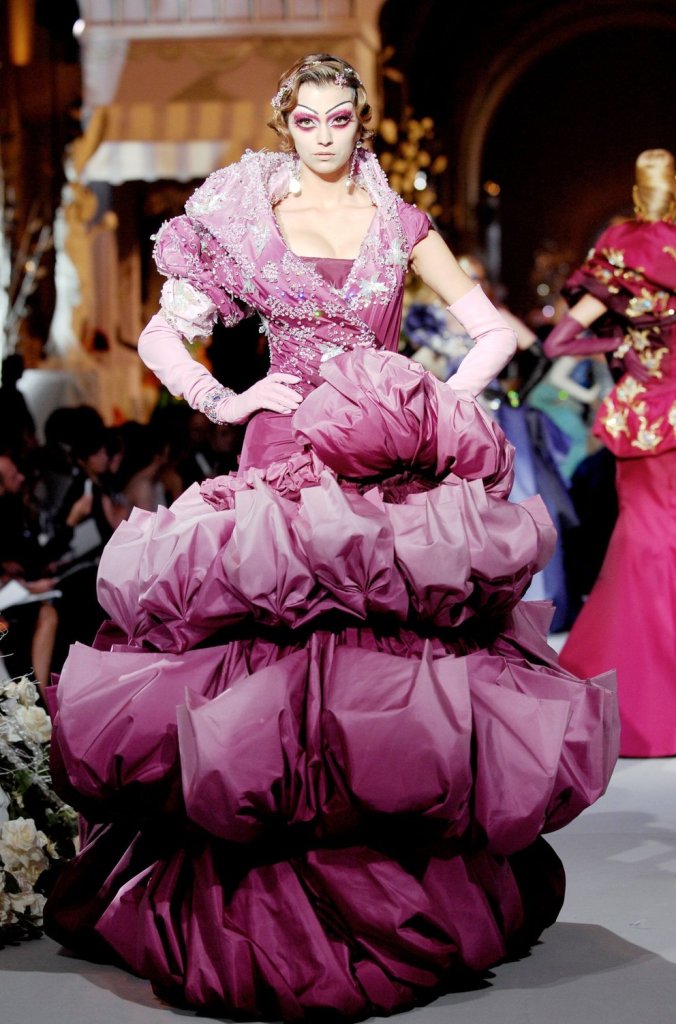
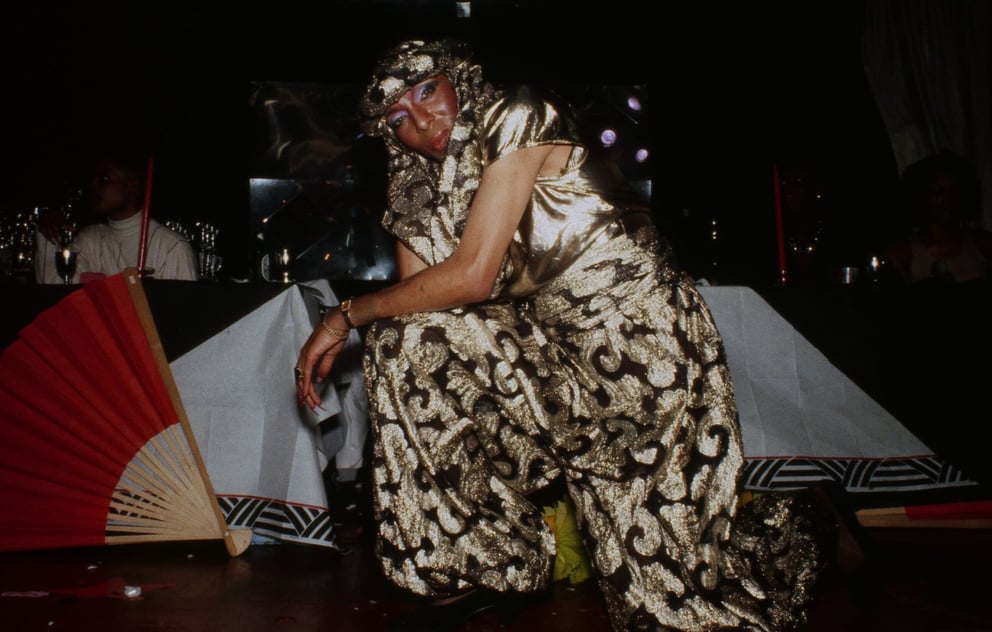
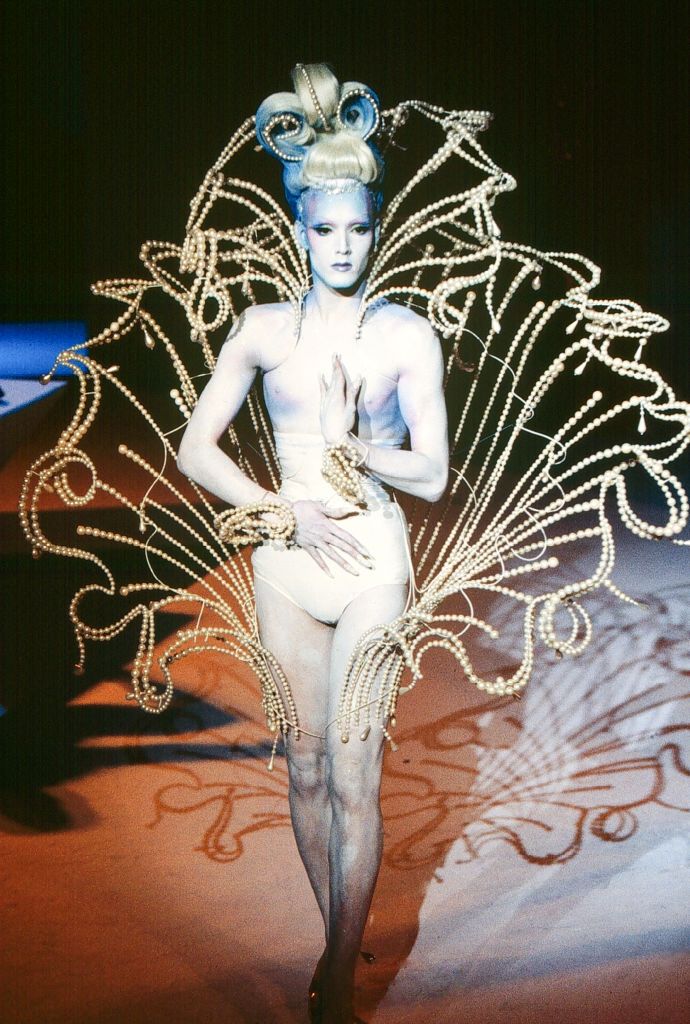
When reflecting on fashion’s most memorable milestones, certain names and moments come to mind. John Galliano’s dramatic tenure at Dior strikes a chord. Vivienne Westwood’s rebellious punk influences revolutionized the scene. Thierry Mugler’s strikingly architectural designs broke new ground. Among these, drag culture stands out as a powerful wellspring of inspiration. Drag balls, far more than underground celebrations, were transformative forces in both queer culture and the broader fashion industry. These vibrant gatherings dismantled traditional gender boundaries and championed individuality, profoundly influencing high fashion and beauty aesthetics. Drag balls served as incubators for stylistic innovation. They turned performance into a runway of imagination. Queens used intricate makeup. They wore elaborate costumes and embraced daring themes to push boundaries. This ignited creativity in designers worldwide.
Drag balls transcended mere aesthetics, revolutionizing fashion by challenging binary gender norms and celebrating the fluidity of identity. This defiant subculture left an enduring imprint on haute couture, ready-to-wear, and streetwear, emphasizing self-expression and shattering stylistic limits. The interplay between drag culture and fashion is especially evident in the works of daring creatives like Alexander McQueen. His Spring/Summer 1999 collection, No. 13, showcased theatricality through sculptural designs and striking makeup reminiscent of drag’s bold artistry. Similarly, John Galliano’s tenure at Dior was full of camp and extravagance. He drew inspiration from drag culture’s dramatic silhouettes and fluid expressions. This inspiration was particularly evident in the Spring/Summer 2003 and 2007 collections. These collections epitomized the fearless grandeur of drag balls.

Thierry Mugler’s bold, exaggerated silhouettes and theatrical runway shows highlight the undeniable connection between drag culture and high fashion. His signature designs—characterized by strong shoulders, tightly cinched waists, and dramatic proportions—embody the larger-than-life aesthetic cherished in drag performances. Meanwhile, Jean-Paul Gaultier elevated this relationship. He actively collaborated with drag icons like RuPaul. This brought the vibrancy and drama of drag into the heart of his work. Gaultier’s Fall/Winter 2007 collection, Les Gitans, directly honored the narrative artistry of drag balls. It celebrated the dazzling spectacle and solidified drag’s profound influence on his creative vision.
The synergy between drag and fashion extends far beyond the past. In the 1980s and early 1990s, designers and drag performers often shared creative spaces. They merged the vibrant energy of queer nightlife with the sophistication of high fashion. Fashion historian Shaun Cole observes that this era of queer artistry flourished. It was a bold reaction to the homophobia of the time. This included the AIDS crisis and policies like Section 28. The collaborations born from this defiant creativity broke traditional molds, producing designs that symbolized both resistance and innovation.
Drag’s impact also revolutionized the beauty industry. Techniques like contouring and baking, now fundamental in mainstream makeup, originated in drag culture. Contouring sculpts facial features using contrasts of light and shadow. Drag queens mastered it long before it became a global phenomenon. Similarly, baking—applying translucent powder to set makeup for a flawless, long-lasting finish—is another drag innovation that reshaped modern beauty practices.
Drag culture has profoundly shaped the worlds of fashion and beauty. It all started from the vibrant club scenes of the 1980s. Today, it continues to play a role in high-fashion runways and viral Instagram tutorials. Its fearless creativity, boundary-pushing aesthetics, and celebration of self-expression continue to influence designers, challenge societal norms, and honor individuality. As RuPaul aptly states, “We’re all born naked, and the rest is drag.” This sentiment is fully embraced by the fashion industry. They weave drag’s unapologetic spirit into its very fabric.
 curlycurlworld: Get Twisted with CurlyCurl: The Latest in Curls, Coils, and Confidence!