
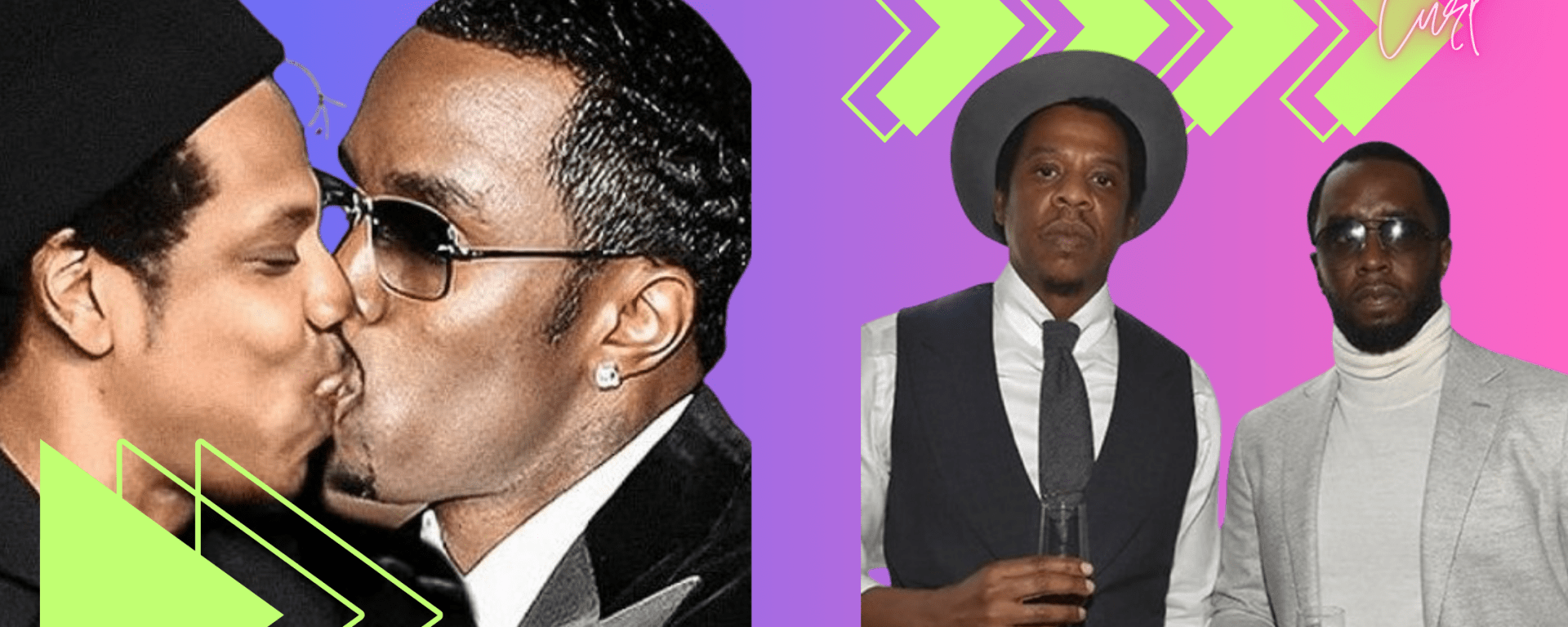
The legal battle involving Sean “P. Diddy” Combs and Jay-Z (Shawn Carter) has taken a dramatic turn as new accusations emerge and legal strategies unfold. The case initially named only Combs. An amendment filed by the plaintiff now includes Jay-Z. She is referred to as “Jane Doe” to protect her privacy. Jane Doe alleges that both Combs and Jay-Z assaulted her during an after-party for the 2000 MTV Video Music Awards when she was just 13 years old. According to her claims, the assault occurred at a “large white residence with a U-shaped driveway.” She said she was offered a ride by a limousine driver associated with Combs.
The plaintiff recounts that she consumed a drink at the party that left her feeling disoriented. Seeking solitude to recover, she retreated to a bedroom where the alleged assaults occurred. She claims that Jay-Z was the first to assault her, followed by Combs, and that she managed to escape after striking Combs on the neck. She ultimately found refuge at a nearby gas station, where her father picked her up. In response to these allegations, Jay-Z has denied any involvement and accused the plaintiff’s attorney, Tony Buzbee, of extortion. Through Roc Nation, Jay-Z issued a statement. He called the allegations “heinous.” He urged that, if such a crime occurred, it should be pursued criminally rather than through civil court.
Combs faces a far more complex legal battle. He is involved in over 30 civil lawsuits alleging sexual abuse, sex trafficking, and racketeering. He has also criticized Buzbee. Both defendants accuse the attorney of using the legal system for publicity. They cite his unconventional methods of recruiting clients through social media channels. They also mention hotlines and press conferences. Adding to the controversy, Jay-Z or an associate is believed to have filed a countersuit against Buzbee and his firm. They allege improper conduct after receiving a letter notifying him of the lawsuit. This countersuit seemingly led to the decision to reveal Jay-Z as “Celebrity A,” initially unnamed in the legal filing.
Buzbee responded to these accusations in a lengthy Instagram post, dismissing the countersuit as “laughable” and “without legal merit.” He defended his actions, claiming that sending demand letters for confidential mediation before filing lawsuits is standard practice. Buzbee asserted that the lawsuit against his firm was an attempt to intimidate him and his clients. He declared that he would proceed with filing the case. He would also publicly disclose the letters as part of the legal process.
Meanwhile, the issue of Jane Doe’s anonymity has also become a focal point in the case. The judge overseeing the case in New York has announced plans to reassess the plaintiff’s temporary anonymity. However, it remains unclear how this decision will unfold. According to Buzbee, maintaining Jane Doe’s anonymity at this stage allows the case to proceed while shielding her identity until trial. However, this issue has sparked a wider debate. The debate intensified when federal judges recently denied anonymity requests in several other cases involving Combs. One accuser chose to come forward publicly last month to ensure her case could proceed.
The legal and public relations strategies on both sides highlight the high stakes of this case. It involves two of the most prominent figures in the music industry. As the legal battles intensify, the tension between ensuring a fair trial grows. Protecting survivors’ privacy is also a concern. Managing public perception continues to fuel widespread attention. The coming decisions, including the reassessment of Jane Doe’s anonymity, are expected to have significant implications for all parties involved.
 curlycurlworld: Get Twisted with CurlyCurl: The Latest in Curls, Coils, and Confidence!