

Wicked, the musical, offers a fresh perspective on the classic Wizard of Oz tale. It highlights the unlikely friendship between Glinda the Good Witch and Elphaba. They are also rivals. In this story, Glinda isn’t just the bubbly, one-dimensional character from the original movie. She’s a multi-layered individual with complexities and flaws. Wicked explores how these two women, who start as friends, eventually take opposite paths. This discussion delves into Glinda’s character, her transformation, and the deeper themes the musical presents.
In The Wizard of Oz, Glinda is portrayed as the quintessential Good Witch: a symbol of light, optimism, and kindness. She’s the glamorous, bubbly guide who helps Dorothy find her way. Wicked offers a deeper look into Glinda’s past. It highlights that she isn’t born “good.” She becomes “good” due to her decisions. Some of these decisions are morally ambiguous. This makes Glinda a relatable and dynamic character. She provides a contrast to the more straightforward image of her in The Wizard of Oz.
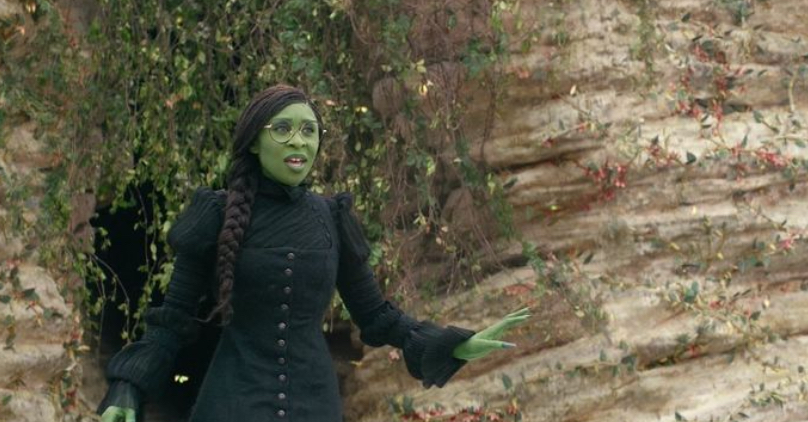
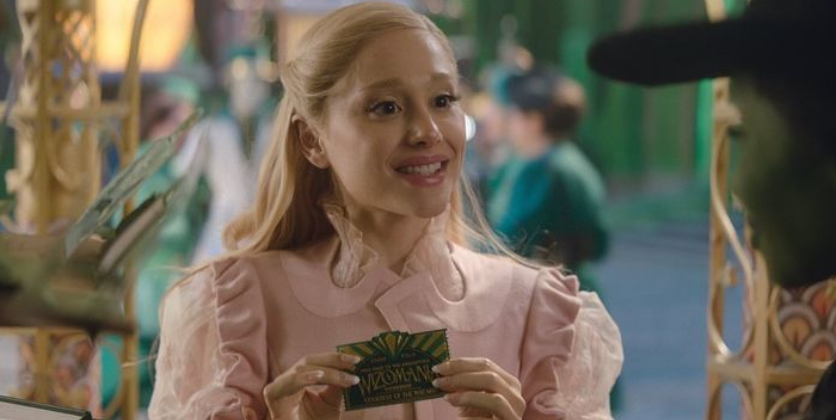
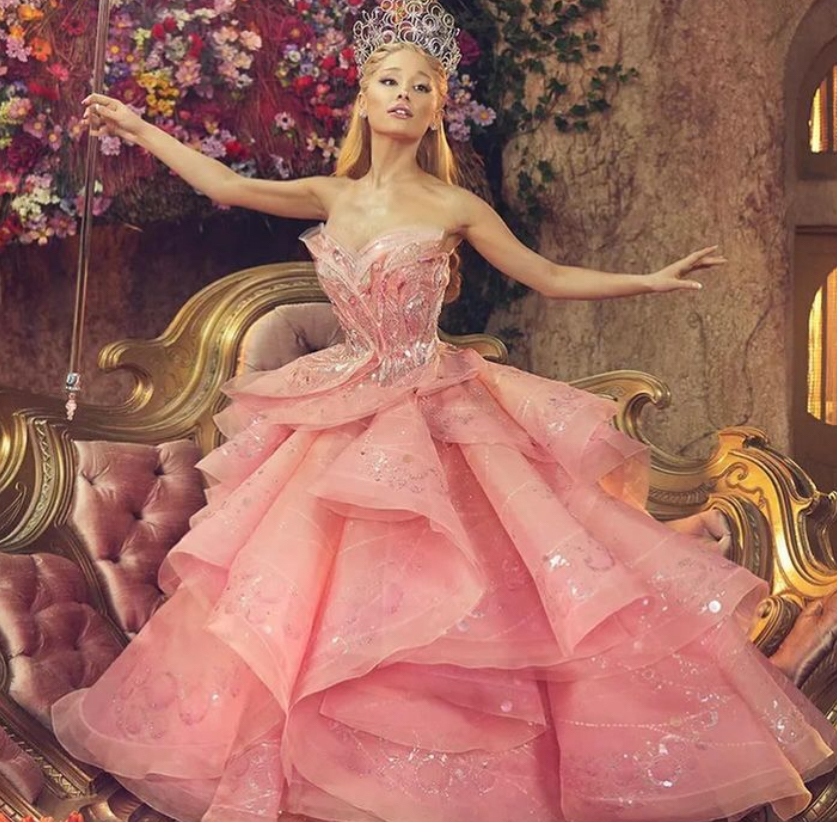
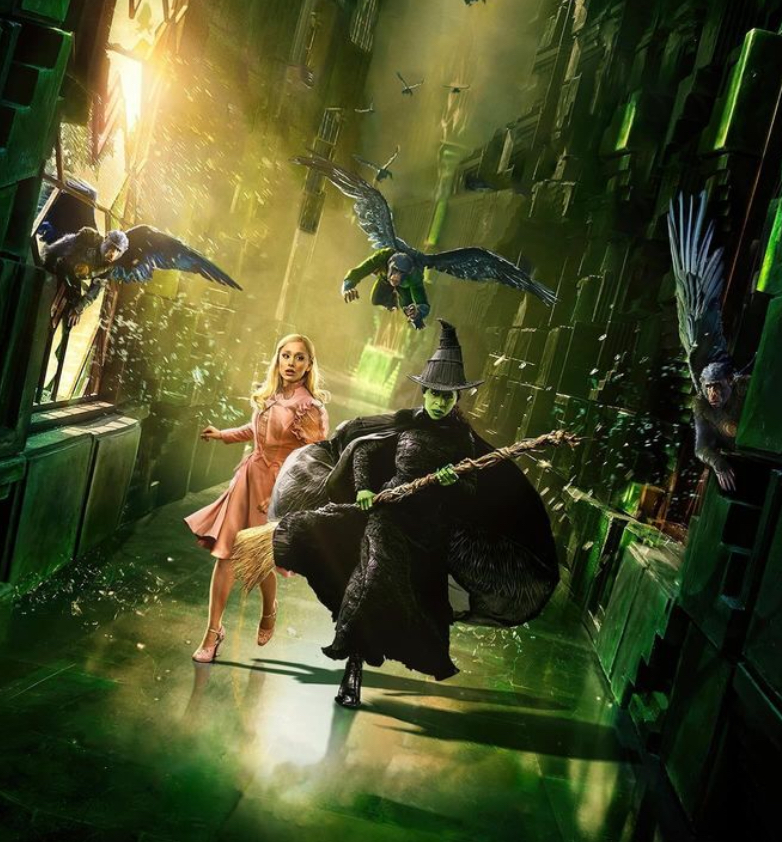
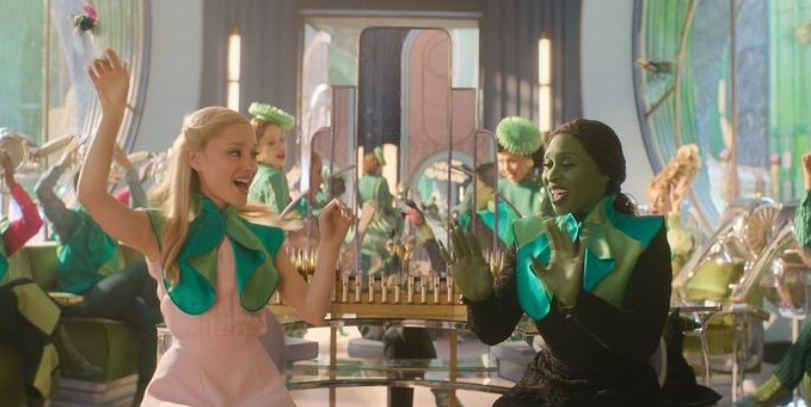
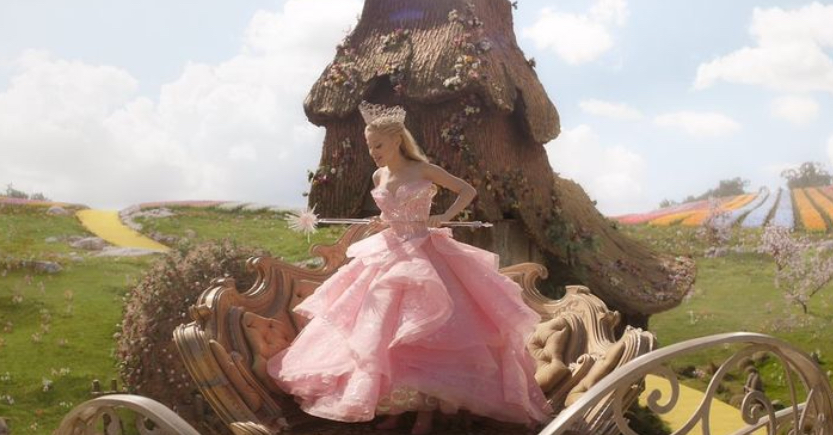

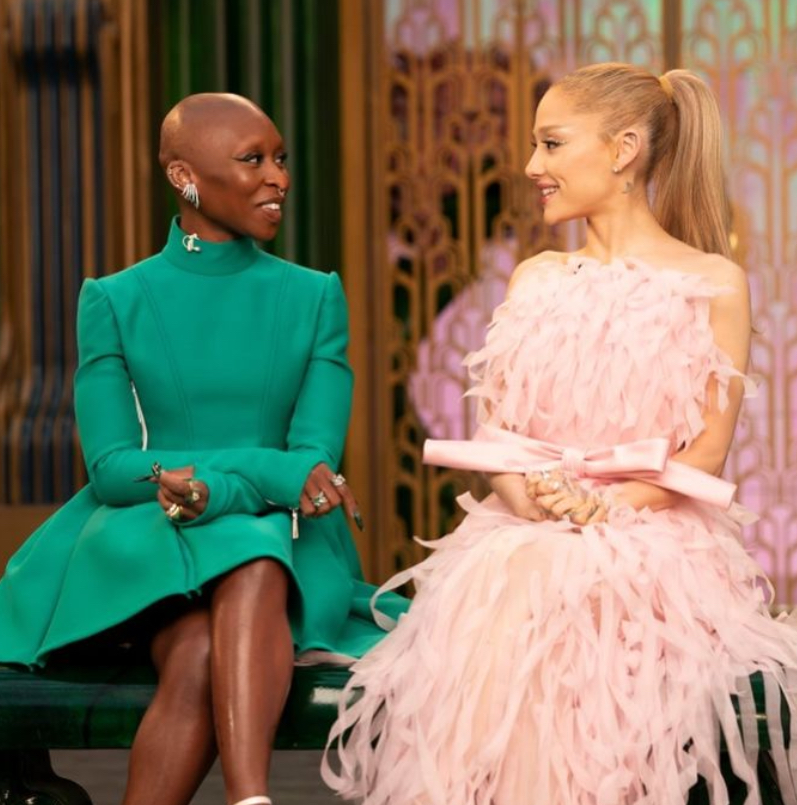
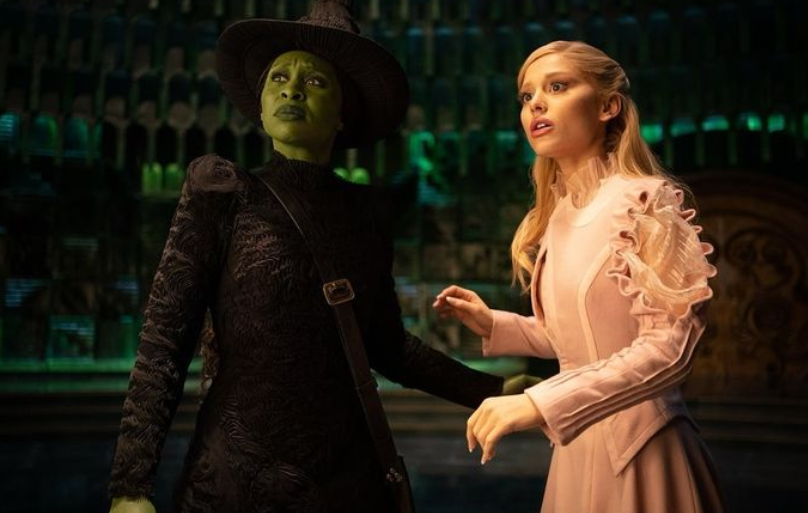
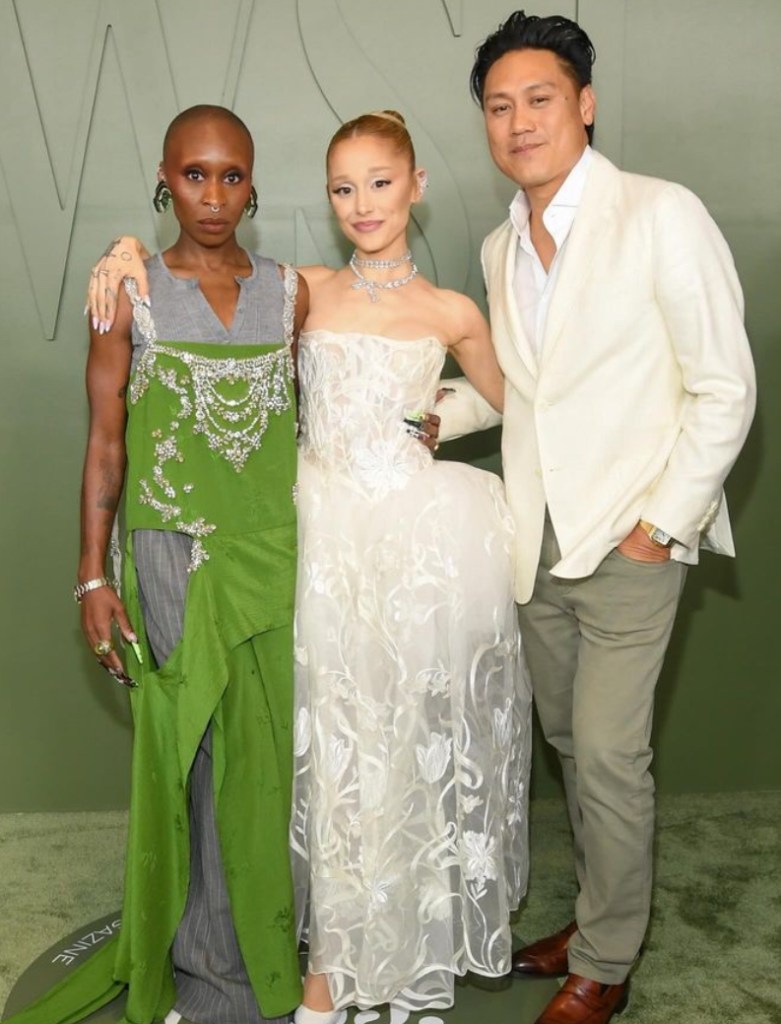
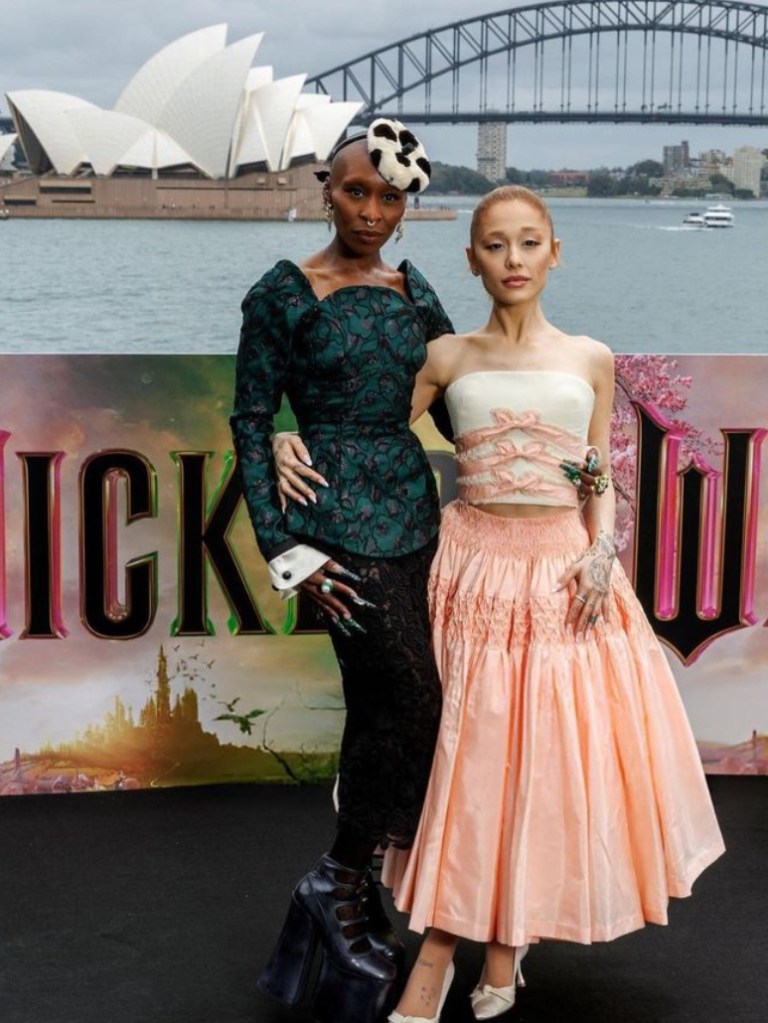
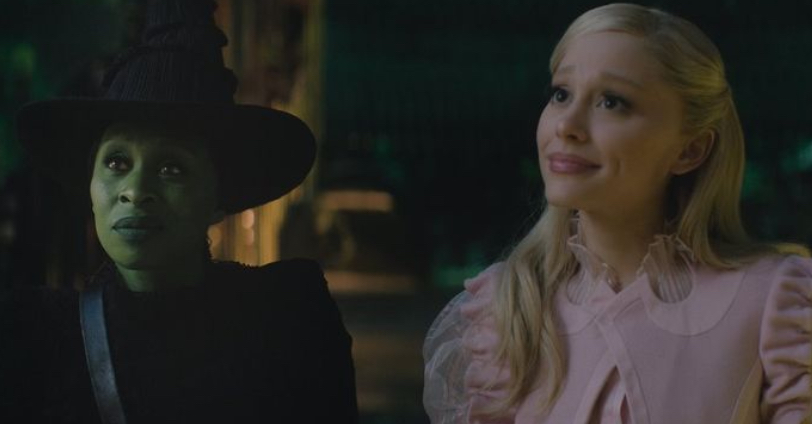
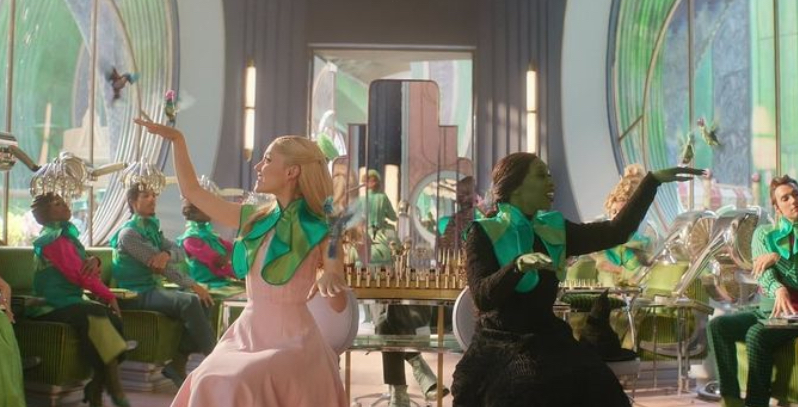
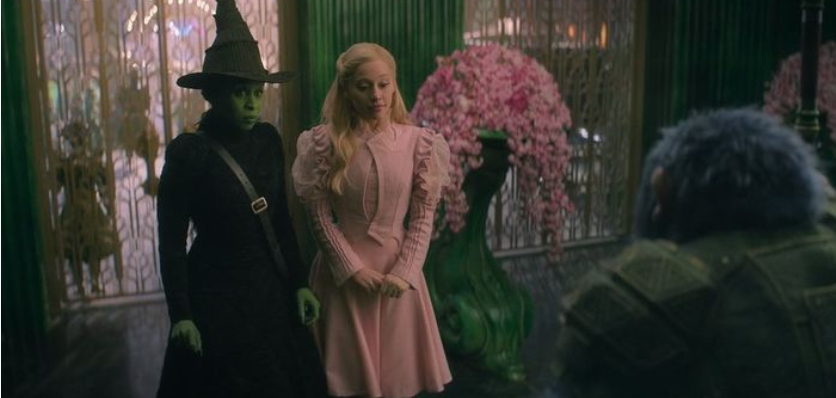
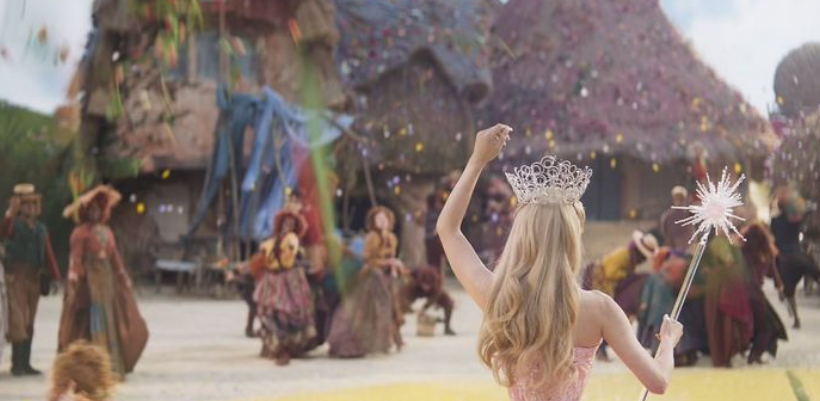
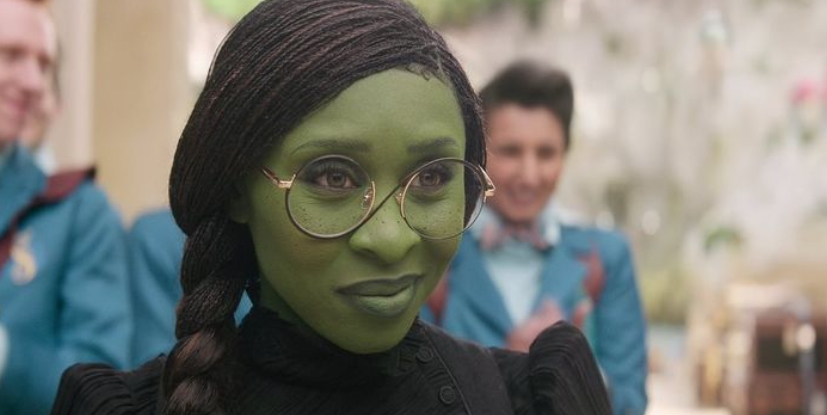

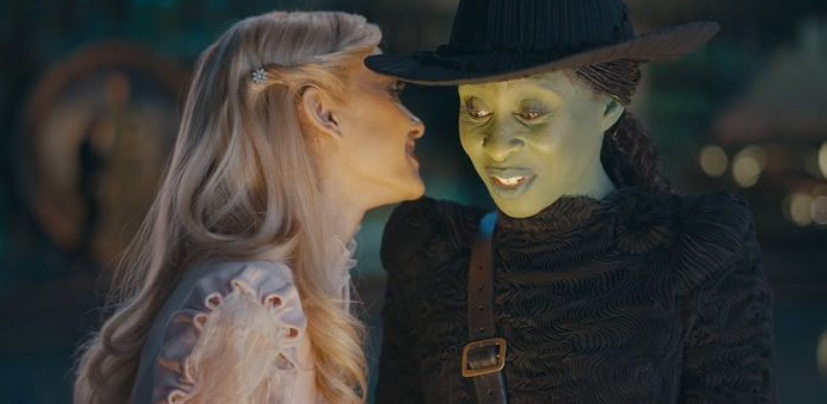
The heart of Wicked lies in the friendship between Glinda and Elphaba. At Shiz University, Glinda initially judges Elphaba for her unconventional appearance and behavior. But as they are forced to work together, they develop an unexpected bond. Their friendship evolves through shared experiences, rivalry, and secrets. This bond, however, is fragile. Glinda enjoys popularity and acceptance, while Elphaba faces constant prejudice. Over time, their differing values and personal goals create tension. Glinda often chooses paths that reflect a desire for social acceptance. Sometimes, this means she compromises her morals. Elphaba, on the other hand, chooses a more rebellious path. She fights for justice, even at the cost of her own reputation. This division ultimately leads to their famous opposing roles in Oz.
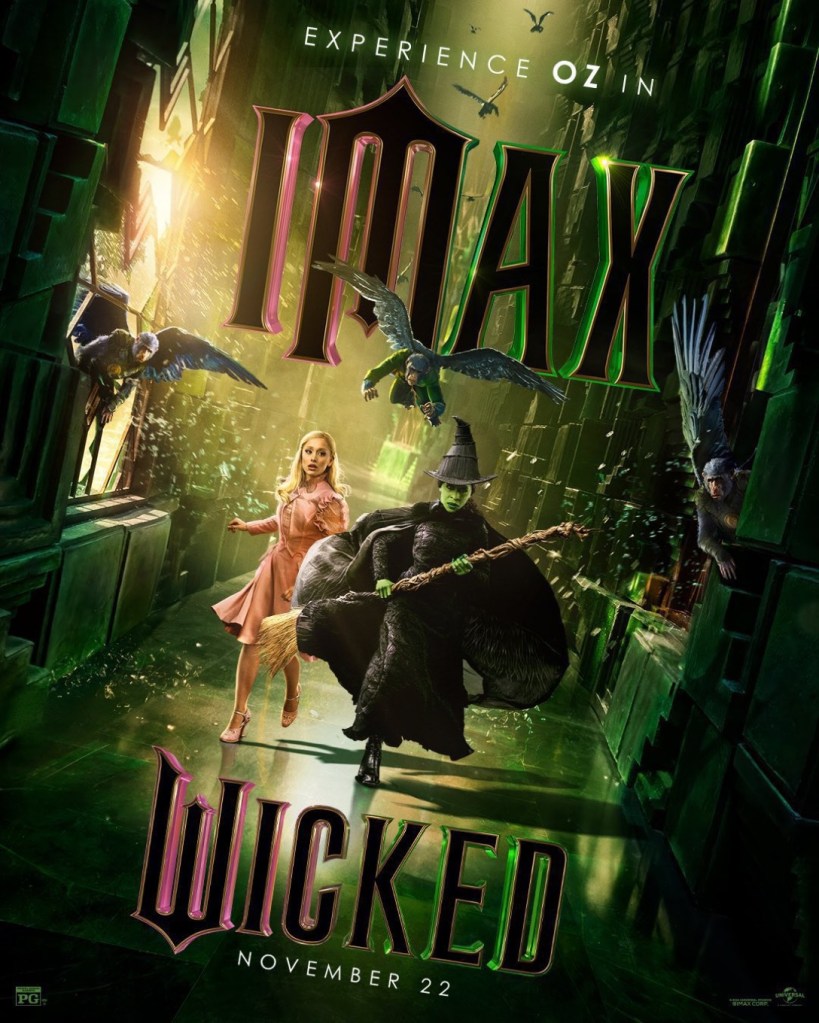
In Wicked, Glinda begins as a somewhat superficial character, overly concerned with her image and popularity. She’s ambitious, wanting to be loved and admired, even if it means hiding or ignoring inconvenient truths. However, as she witnesses the discrimination Elphaba faces, Glinda starts to question her own values. A pivotal moment occurs when she realizes that her desire for social approval comes at the cost of personal integrity. This self-awareness is painful, but it leads to growth. By the end of Wicked, Glinda has changed into a more thoughtful figure. She is now complex, grappling with the cost of “goodness.” She also deals with the societal expectations placed on her.
One of the fascinating aspects of Glinda’s character is her role in Elphaba’s transformation into the “Wicked Witch.” While Glinda never directly betrays Elphaba, her silence and acceptance of the Wizard’s propaganda indirectly contribute to Elphaba’s downfall. Glinda’s unwillingness to speak out against injustice shows how even “good” people can enable harm through inaction. This moral ambiguity gives her depth. She becomes a more nuanced character compared to the one-dimensional “Good Witch” she’s remembered as in the original story.
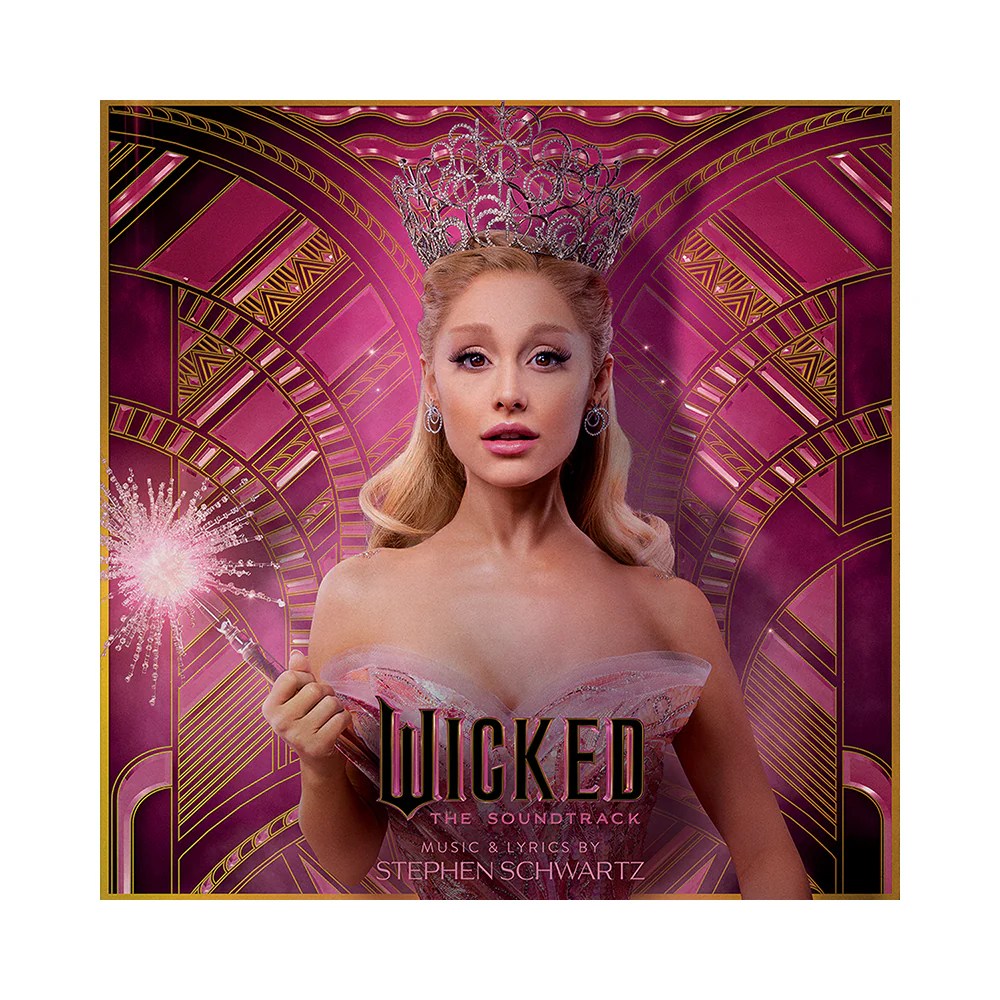
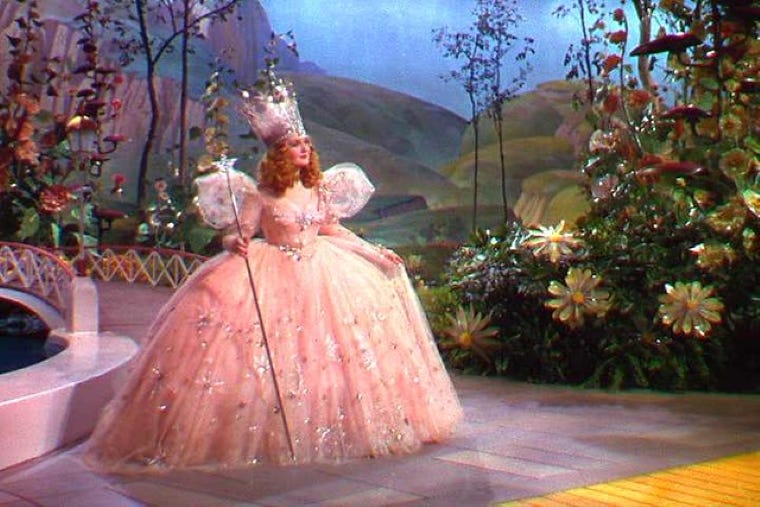
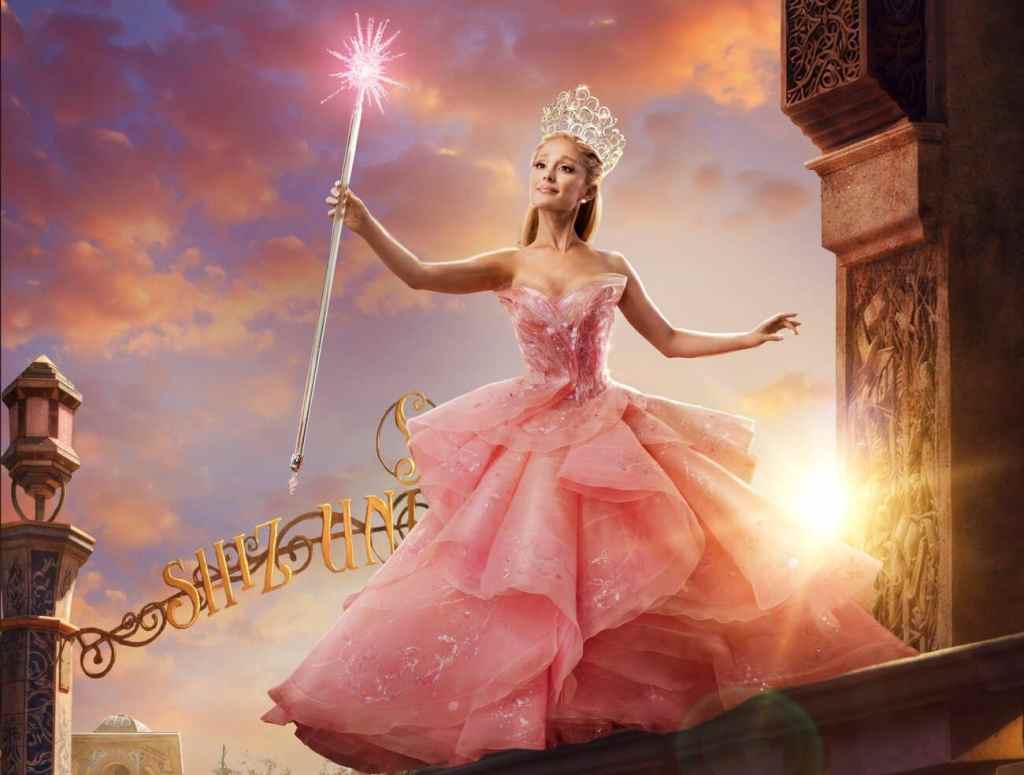
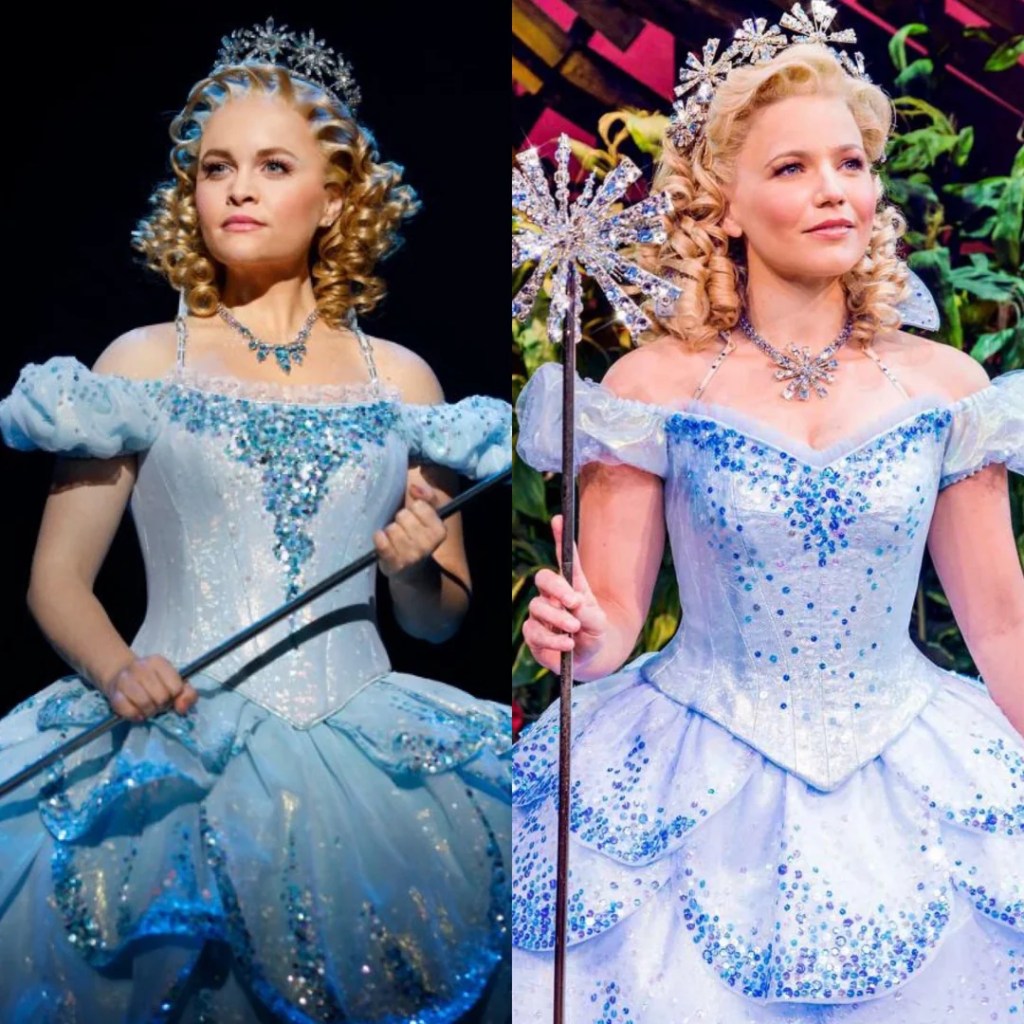
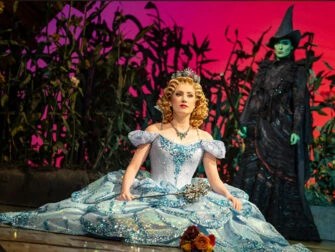
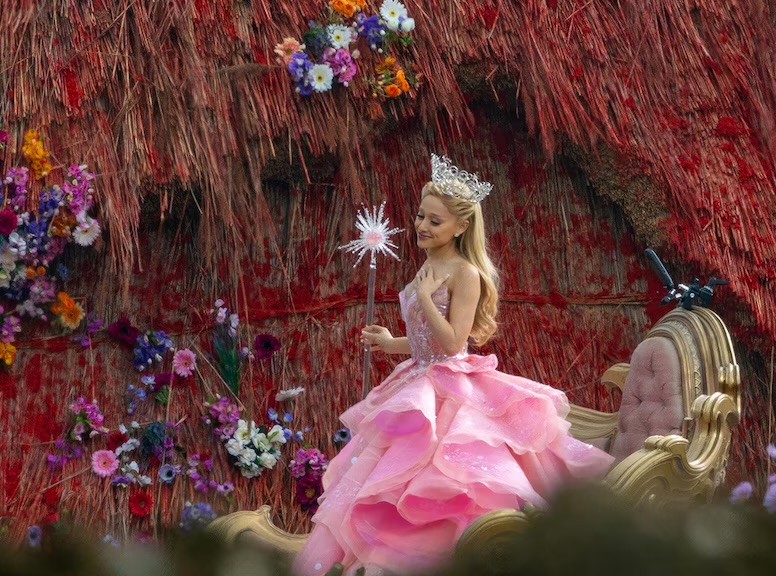
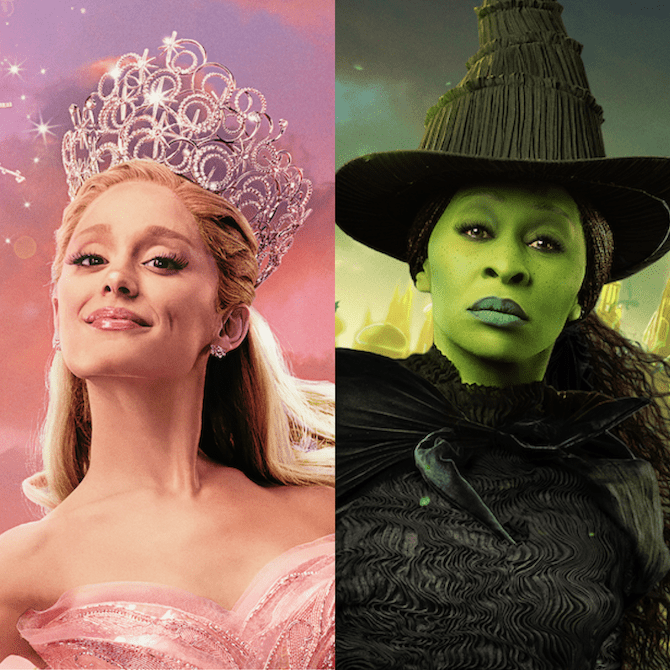
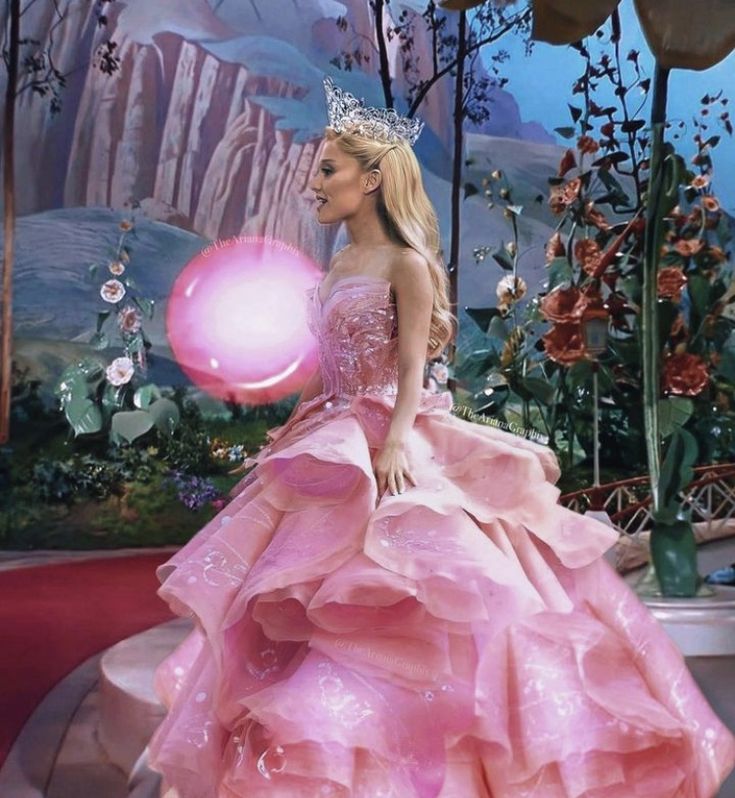
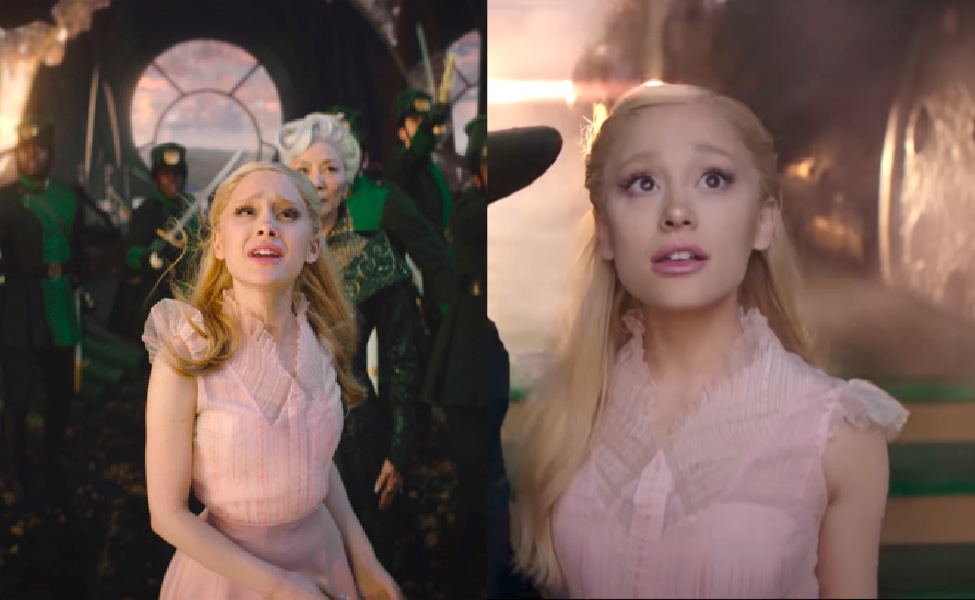
Wicked challenges the conventional understanding of good versus evil. Glinda and Elphaba are both complex characters who defy the simplistic labels of “good” and “wicked.” Glinda’s journey shows that goodness isn’t always clear-cut—it’s often a struggle between personal desires, social expectations, and moral responsibility. Their story reflects larger societal themes. These themes include prejudice, power, and the role of public perception in shaping a person’s identity. Elphaba’s rebellion leads her to be labeled as “wicked.” In contrast, Glinda is praised as “good” because she aligns herself with the powers that be. This contrast shows flaws in judging people based on labels. Both characters contain shades of good and wicked.
Glinda’s character arc in Wicked gives audiences a chance to see a different side of her. This side wasn’t explored in The Wizard of Oz. She is no longer just a symbol of goodness. She’s a fully fleshed-out character. She faces her own struggles with morality, loyalty, and self-identity. Through Glinda, Wicked illustrates how complex people can be and how everyone has both strengths and flaws. This story reminds us that even those we admire as “good” have moments of weakness. Those who seem “wicked” may just be misunderstood.
 curlycurlworld: Get Twisted with CurlyCurl: The Latest in Curls, Coils, and Confidence!
One thought on “Understanding Glinda: The Complex Good Witch in Wicked”