

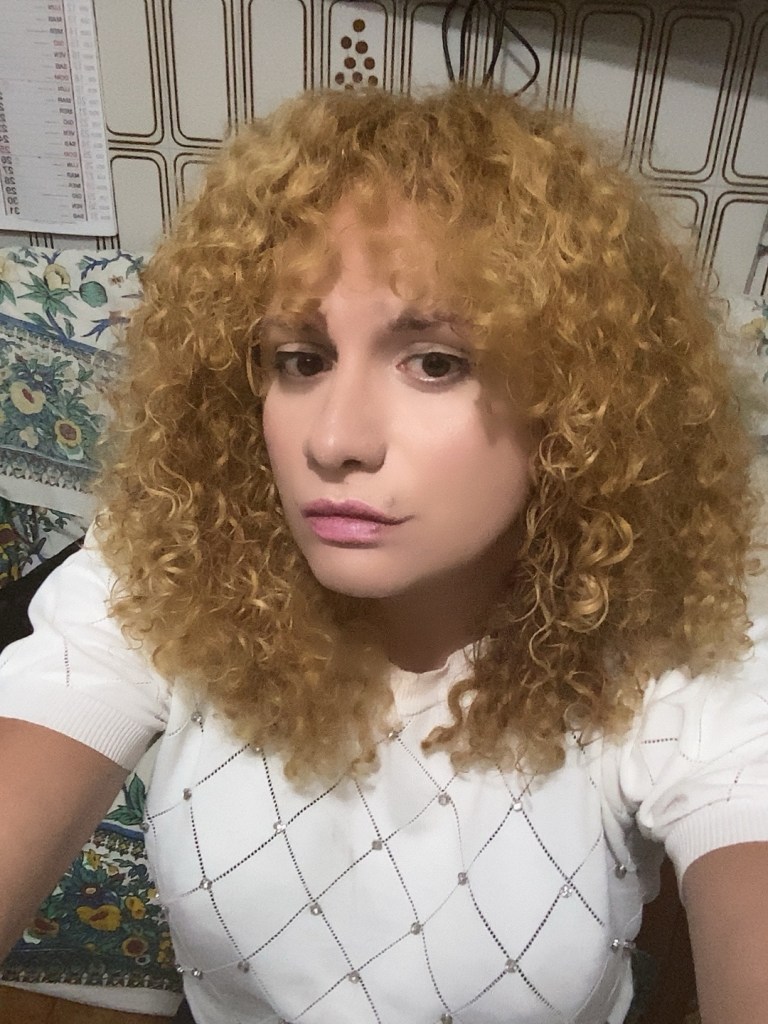
Lady Gaga’s portrayal of Harley Quinn in the upcoming film “Joker: Folie à Deux” is a significant reflection on femininity manipulated by a destructive, charismatic male figure. Harley Quinn, originally introduced in the 1990s as the Joker’s sidekick, has always been a character defined by her complex relationship with him—one that transforms her from a brilliant psychiatrist into a chaotic and dangerous figure. The casting of Gaga in this role brings an added layer of depth to the character, given her history as an artist who defies social norms and embraces the unconventional.
At the heart of Harley Quinn’s character is the theme of a woman caught in a cycle of manipulation and emotional abuse, symbolized by her infatuation with the Joker. Though she is often depicted as fiercely independent and rebellious, her origin story is rooted in the psychological control exerted by the Joker. Gaga herself has spoken about the complexity of the role, saying, “I’ve always been fascinated by characters who are simultaneously powerful and vulnerable. Harley Quinn embodies both in such a compelling way. She’s deeply in love, but it’s that love that ultimately destroys her sense of self.”
This duality—strength and fragility, rebellion and dependence—is what makes Harley Quinn so intriguing. Despite her outward strength, her love for the Joker is emblematic of a toxic relationship that warps her identity. Gaga has touched on the darker side of love in her personal life as well, often referencing her struggles with power dynamics and emotional manipulation. In an interview, she said, “Love can be the most beautiful thing in the world, but it can also be the most dangerous. In Harley’s case, her love for the Joker leads her down a path where she loses control over her own life.”
Harley’s transformation from a well-educated, competent woman to a criminal enamored with chaos illustrates how easily one can be drawn into a world of moral ambiguity under the influence of a powerful figure. Her love blinds her to the destruction she causes, as she begins to embrace the Joker’s nihilistic worldview, where there are no rules, and where good and evil are indistinguishable. “Harley falls in love with darkness,” Gaga noted. “She becomes enchanted by the Joker’s world because it offers her a sense of freedom, but it’s really a prison of its own.”
Though Harley Quinn is often depicted as a rebellious and empowered figure, her story underscores the dangers of losing oneself in the pursuit of love, especially when that love is with someone as manipulative as the Joker. The relationship is a reflection of how easily the lines between freedom and control, passion and obsession, can blur. Gaga has consistently spoken out against societal expectations and how women are often manipulated into believing they need to conform or be submissive, which resonates deeply with the character of Harley.
In the world the Joker creates, where chaos reigns and moral codes dissolve, Harley is both victim and willing participant. Her rebellion against societal norms is a cry for freedom, but it is also a symptom of the profound psychological damage inflicted on her by the Joker. As Gaga remarked, “Harley thinks she’s free because she’s no longer bound by society’s rules, but really, she’s just playing by the Joker’s rules, and those are far more dangerous.”
The role of Harley Quinn in “Joker: Folie à Deux” promises to explore these themes even further, delving into the idea of madness as both a coping mechanism and a form of rebellion. Gaga’s portrayal will likely bring a new depth to the character, emphasizing the fine line between empowerment and exploitation. In a world where the Joker’s chaotic philosophy prevails, Harley’s descent into madness becomes not just a personal tragedy, but a commentary on the corrupting influence of toxic love and the dangers of losing one’s identity in the name of passion.

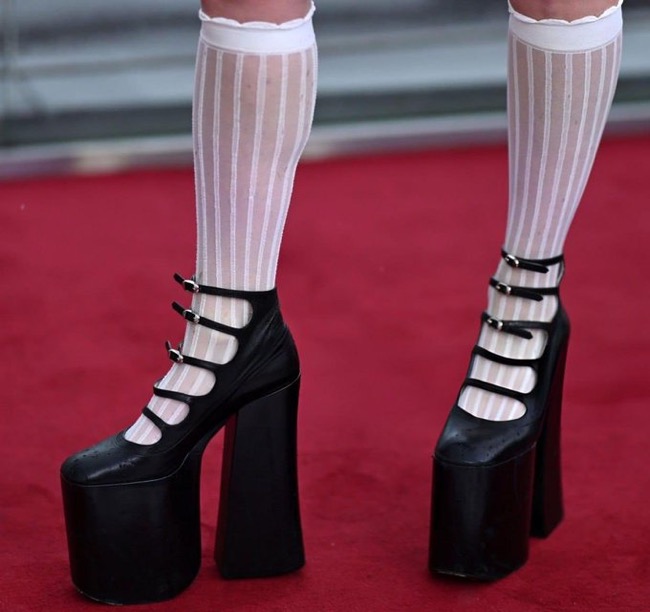
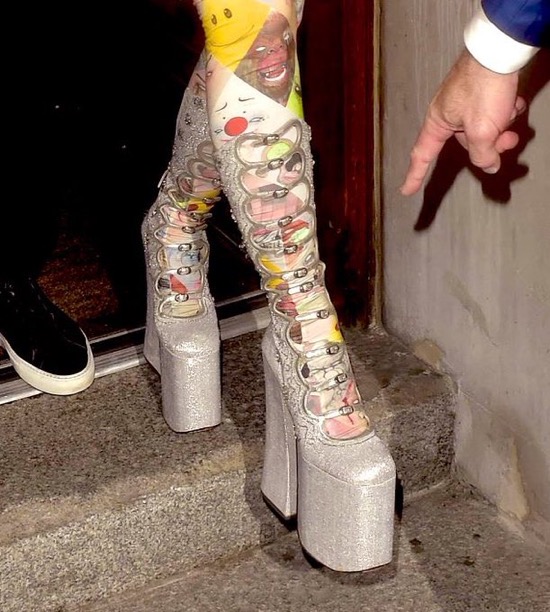

In many ways, Harley Quinn’s journey reflects broader themes about the societal expectations placed on women and how easily these can be manipulated by powerful men. Gaga, known for her outspoken views on feminism and empowerment, is an ideal fit for the role. As she once said, “To me, Harley Quinn is a woman who wants to break free from the constraints that have been placed on her, but the tragedy is that in doing so, she ends up falling deeper into a different kind of trap.”
Ultimately, Gaga’s Harley Quinn will likely be a character defined by this tension between freedom and control, rebellion and submission, love and destruction. It’s a role that speaks to the complexities of modern femininity, where strength is often intertwined with vulnerability, and where the desire for liberation can sometimes lead to even greater captivity. As Gaga summed it up: “Harley is a reminder that we can all be seduced by the darkness, but it’s up to us to decide whether we let it consume us.”
In “Joker: Folie à Deux,” Harley Quinn’s story will not only be one of madness and mayhem but also a poignant exploration of the human desire for connection, even when that connection leads down the darkest of paths. Lady Gaga’s portrayal will likely bring a fresh, nuanced perspective to this iconic character, one that challenges audiences to reflect on the complexities of love, power, and identity.
 curlycurlworld: Get Twisted with CurlyCurl: The Latest in Curls, Coils, and Confidence!