
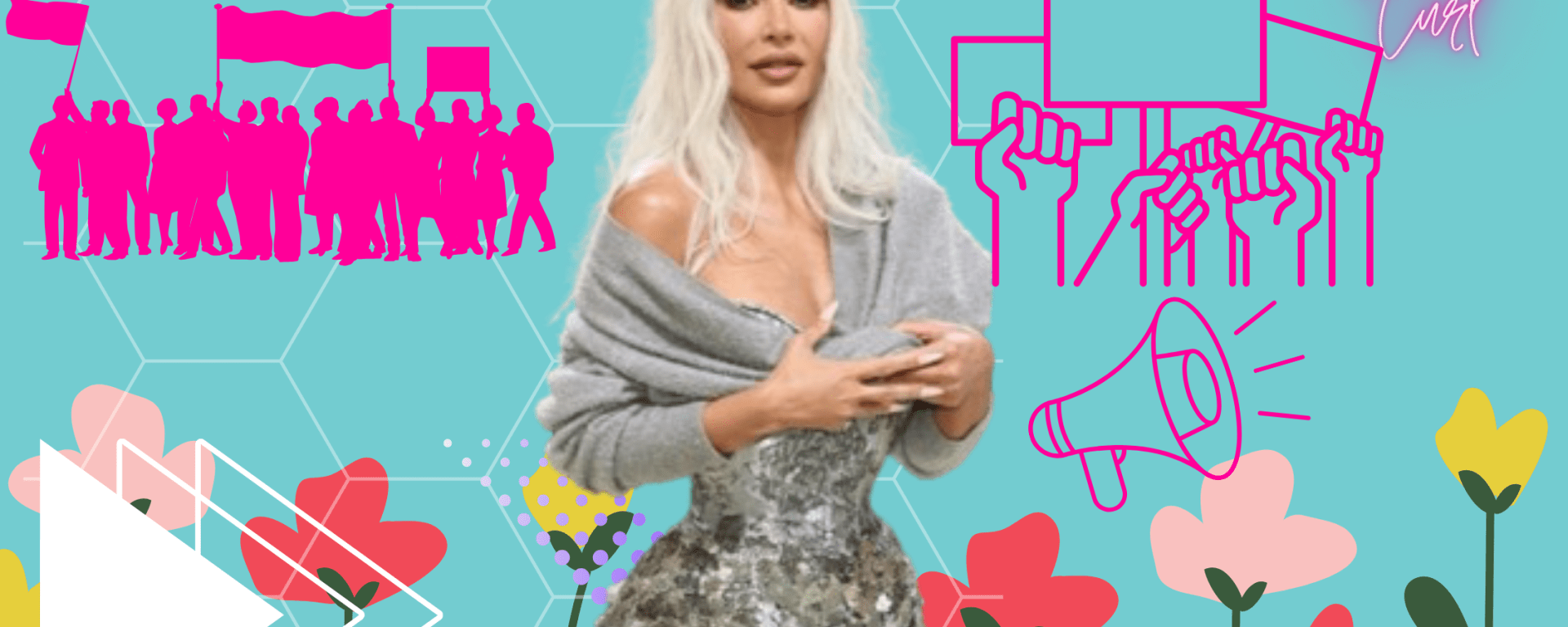
Kim Kardashian grappled with discomfort in the Maison Margiela Couture corset she showcased at the latest Met Gala, while Tyla made a striking entrance, escorted by four men in tuxedos to safeguard her intricate sand dress. Meanwhile, Kendall Jenner captivated in an exclusive archival ensemble, never-before-seen. Drawing inspiration from J.G. Ballard’s “The Garden of Time,” the Met Gala emerged as a lavish celebration of nature and decadence, spotlighting floral fashion motifs and the revival of forgotten haute couture treasures. This year, a historic milestone was reached as all attendees embraced the event’s theme, though devoid of political undertones, as the green carpet unfurled a spectacle of roses and hourglasses. Yet, beyond the glamour, protests against the ongoing conflict persisted outside the Met, underscoring the Gala’s inadvertent embodiment of the very controversies it aimed to transcend.
In 2013, model Abby Lee Kershaw made a bold statement at the Met Gala, themed “Punk: Chaos to Couture,” wearing a silver Rag & Bone slip dress adorned with “Gun Control” across her stomach. Fast forward to 2021, Cara Delevingne attempted to echo Kershaw’s audacity with a Dior bustier featuring the phrase “Peg The Patriarchy,” while Democratic lawmaker Alexandria Ocasio-Cortez donned a “Tax The Rich” dress, coinciding with the exhibition dedicated to American fashion. While Kershaw’s outfit is still hailed as “the only true punk look” of that year, Ocasio-Cortez and Delevingne’s choices were engulfed by internet meme culture. This may explain the absence of political statements on this year’s museum red carpet, as attendees refrained from voicing their opinions on current affairs.
The Cut humorously noted the fittingness of this year’s theme, given Ballard’s narrative of the “inevitable ruin of the aristocracy,” as highlighted by Literary Hub. According to Anna Wintour’s standards, the evening was a triumph: to preempt any surprises, Condé Nast struck a deal with the Union representing its workers just hours before the event, pledging salary increases, severance pay, parental leave, and other benefits. Though the edition wasn’t dedicated to John Galliano as originally planned, Maison Margiela looks and archive dresses from the enfant terrible, the former creative director of Dior, were aplenty.
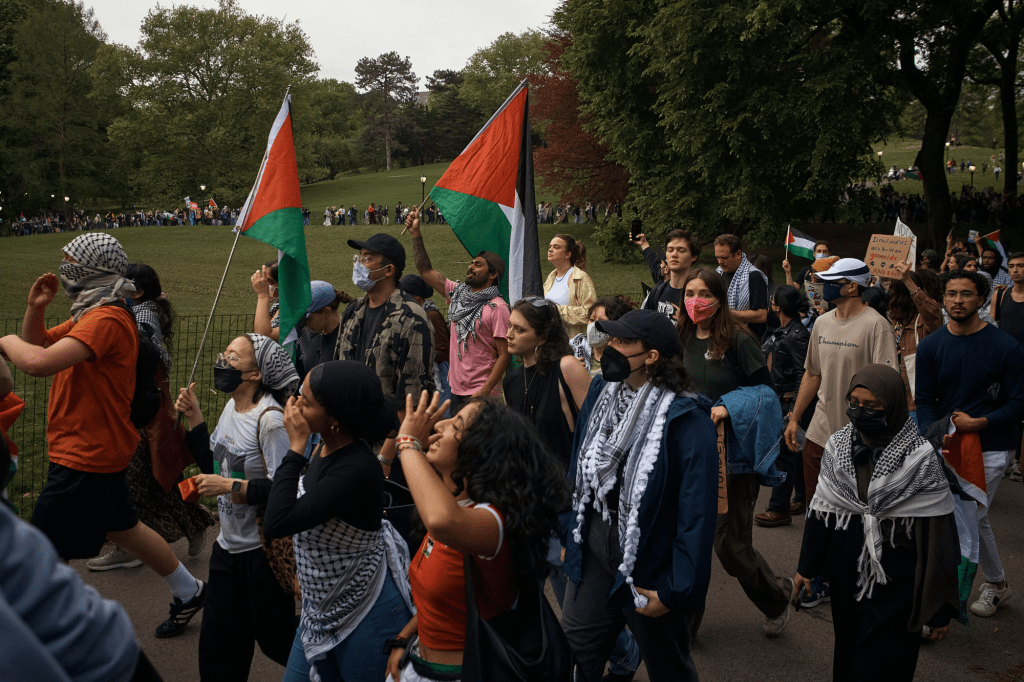
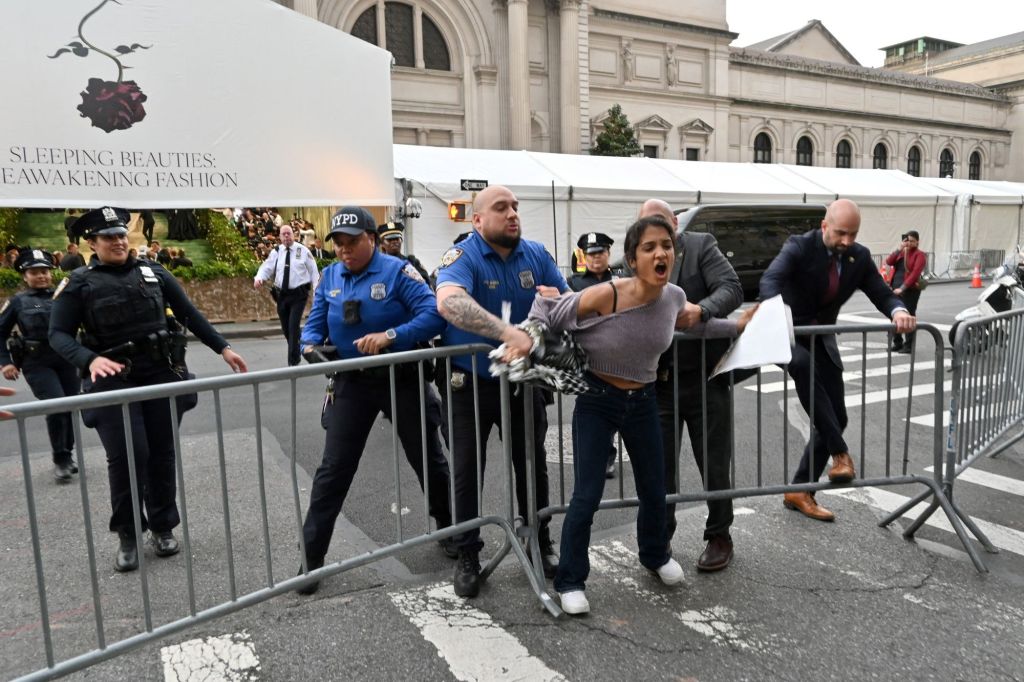
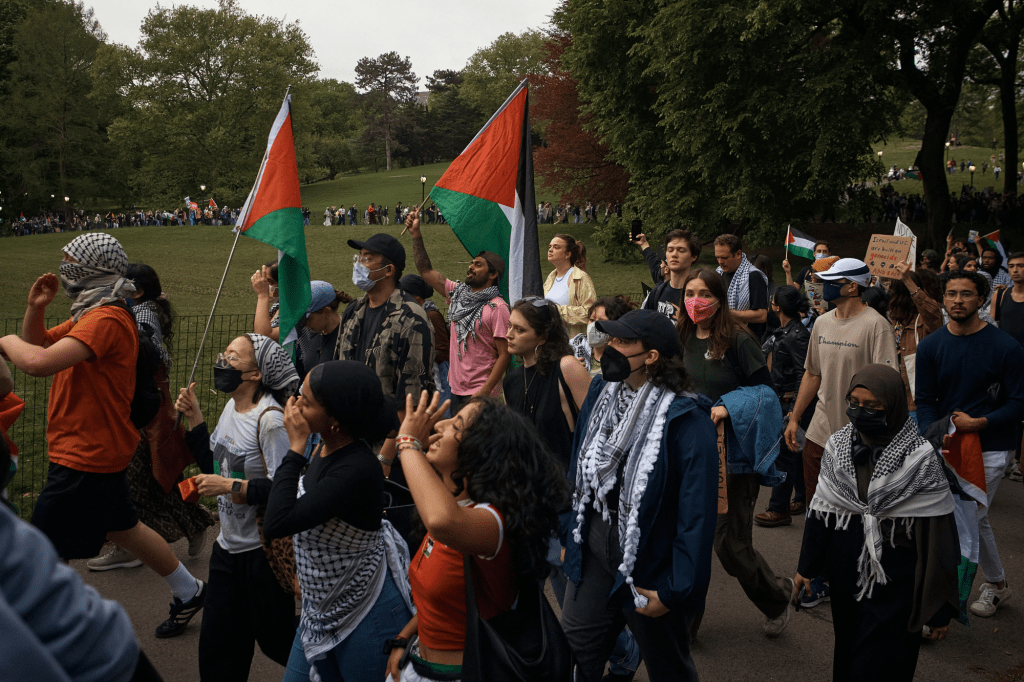
Despite occasional disruptions by protesters outside the Met, clad in keffiyehs and brandishing Palestinian flags, the event’s TikTok lives (sponsored that night) soldiered on, with ample police presence and barricades to quell any disturbances. Initially, everything at the Met Gala proceeded according to plan, until social media erupted with discontent.


The Met Gala unfolded as a charitable oasis, supporting the arts with flair, marking a potential record-breaking year for the institution’s finances. Reports from the New York Times indicate a substantial increase in ticket prices, with seats at Anna Wintour’s dinner jumping from $50,000 to $75,000. Projections suggest a remarkable $33 million profit for the Met Gala 2024, compared to $22 million in the previous year.
In line with last year’s trend, Condé Nast aimed to maintain a tranquil atmosphere, deflecting any dissent outside the haute couture narrative. Initial success was achieved by pacifying striking employees and leveraging New York armed forces to quell protests against U.S. support for Israel’s actions in Gaza, while luxury fashion brands generously contributed to the Met’s coffers.
However, the museum’s silence inadvertently sparked controversy, escaping translation into social media memes. Despite generating 5.1 million tweets globally, the Met Gala’s buzz was overshadowed by the 3.6 million tweets about the Rafah bombings. Criticism mounted against Gala attendees for their perceived indifference towards the conflict, exacerbated by the tardiness of guests on the red carpet, likely delayed by the protests. Whether “fashionably late” or not, attendees seemingly had ample time to catch up on current events via Google.
 curlycurlworld: Get Twisted with CurlyCurl: The Latest in Curls, Coils, and Confidence!