

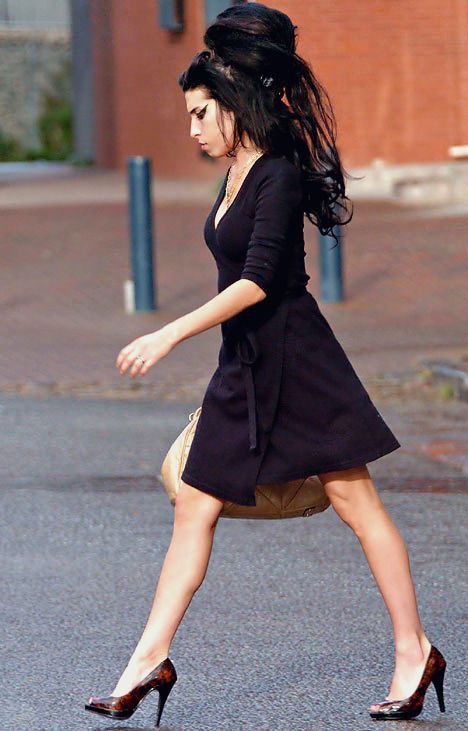
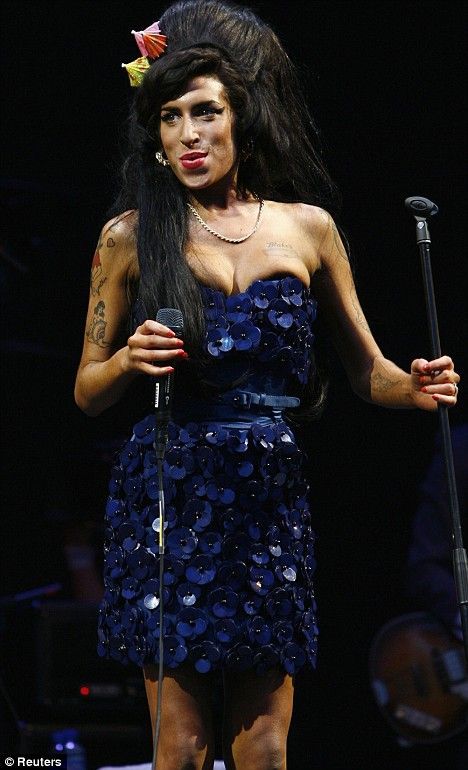
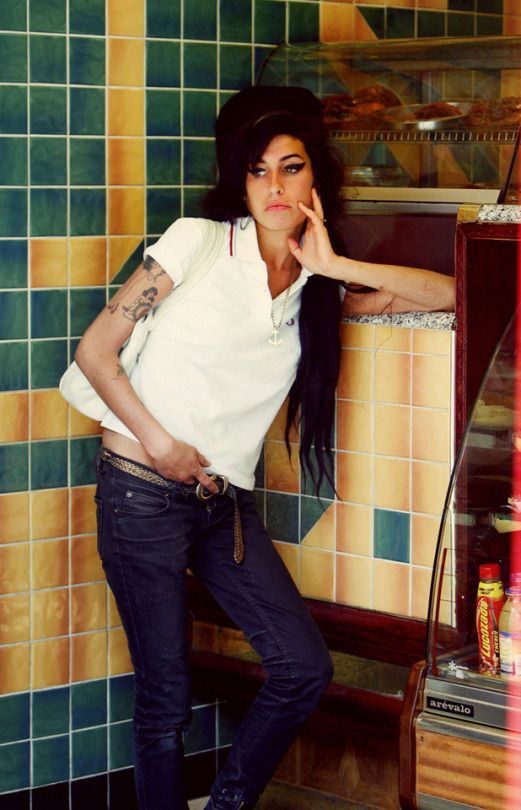
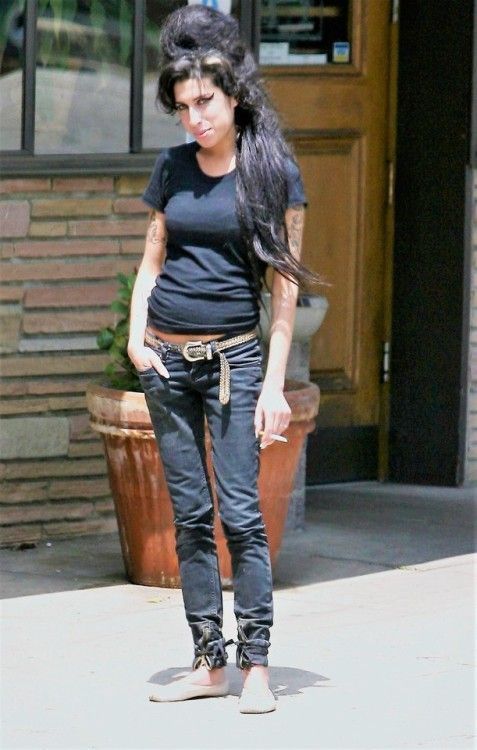
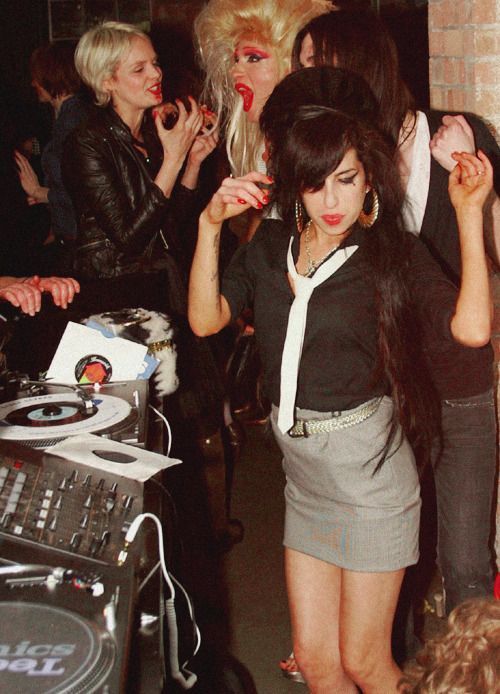
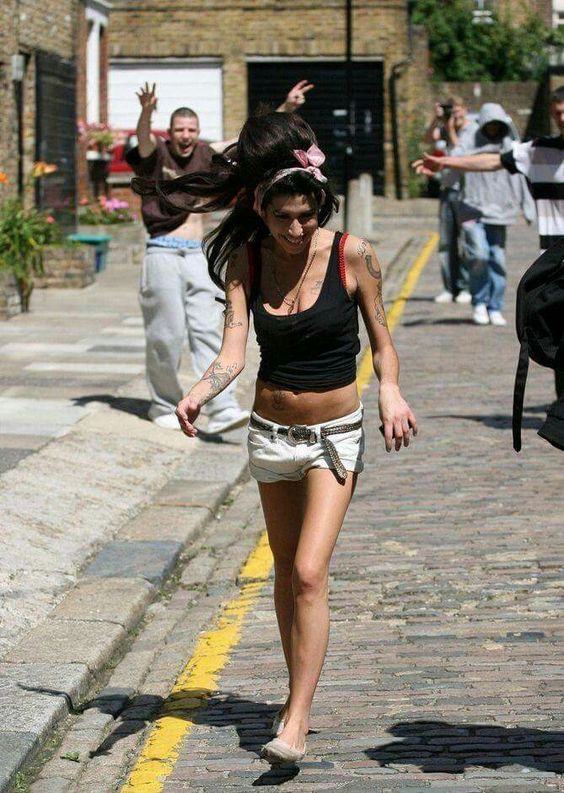
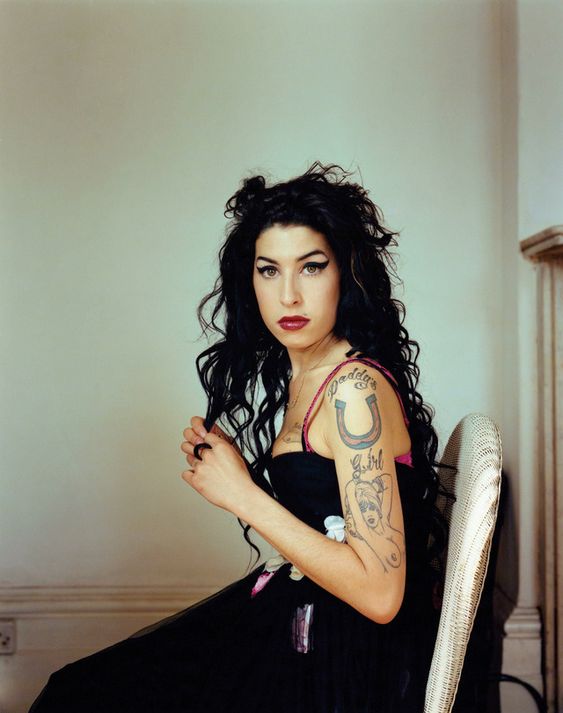
To embody Amy Winehouse’s style, apply eyeliner generously and tousle your hair casually. Her iconic look is etched into memory with distinct elements: denim shorts showcasing her slender legs, a thick black belt accentuating her hips, and a form-fitting black dress reminiscent of Minnie Mouse’s polka dots. With the release of “Back to Black,” a biopic now showing in theaters, there’s concern it might dwell too heavily on her tragedies, overshadowing her artistic triumphs. While media once fixated on her personal struggles, Winehouse’s legacy transcends addiction, shaping music, art, and fashion with her fiercely feminine aesthetic.
The adoration of Winehouse’s fans knows no bounds. Her former residence in Camden Town, adorned with a statue in her honor, has become a pilgrimage site adorned with lipstick kisses. The neighborhood, where the songstress resided for years, still exudes her signature style, deeply intertwined with English music culture and gritty street fashion. Despite evolving into a bustling tourist hotspot in London, it retains its essence with tattoo parlors, vibrant nightlife, and avant-garde fashion, each corner infused with a trace of her spirit.

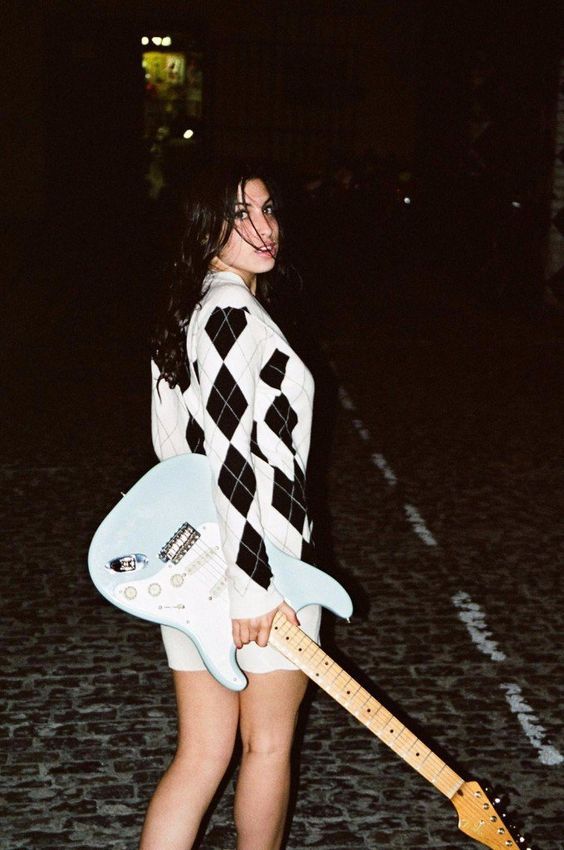
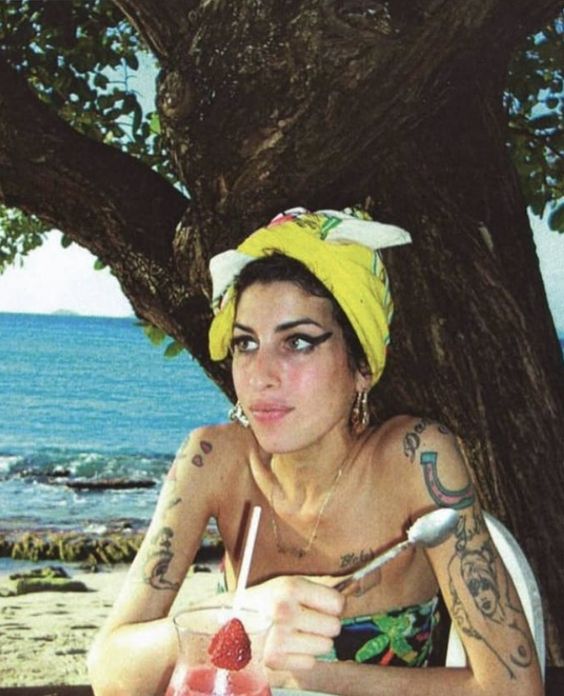

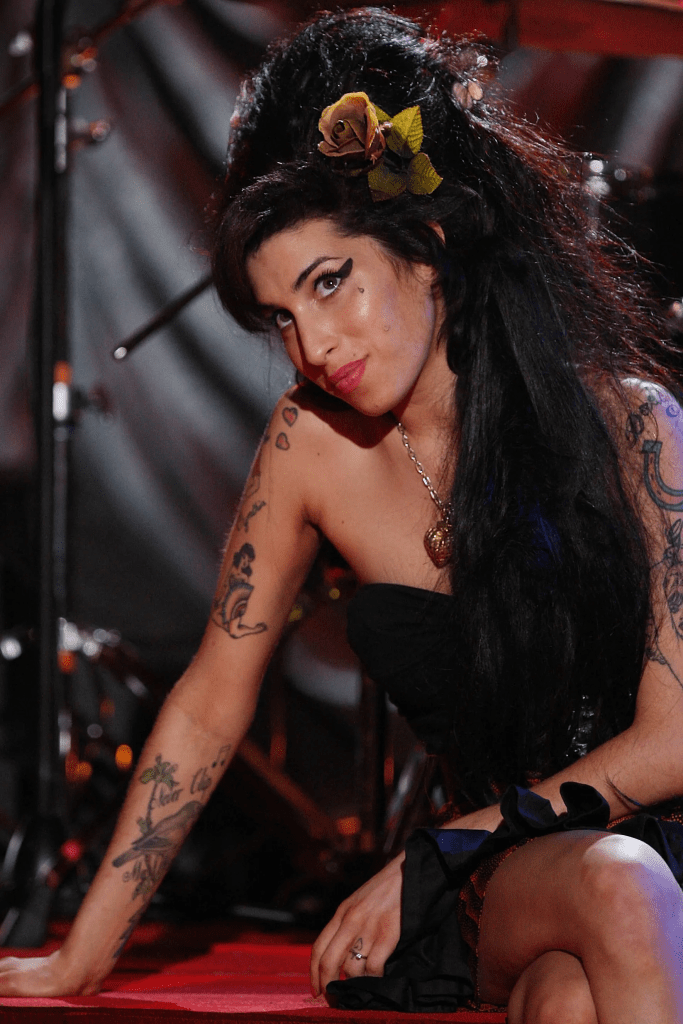

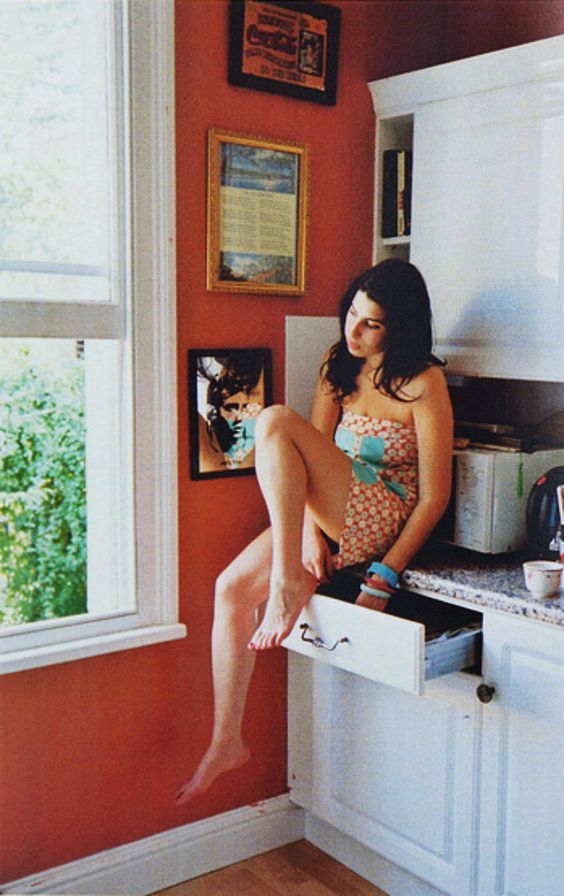
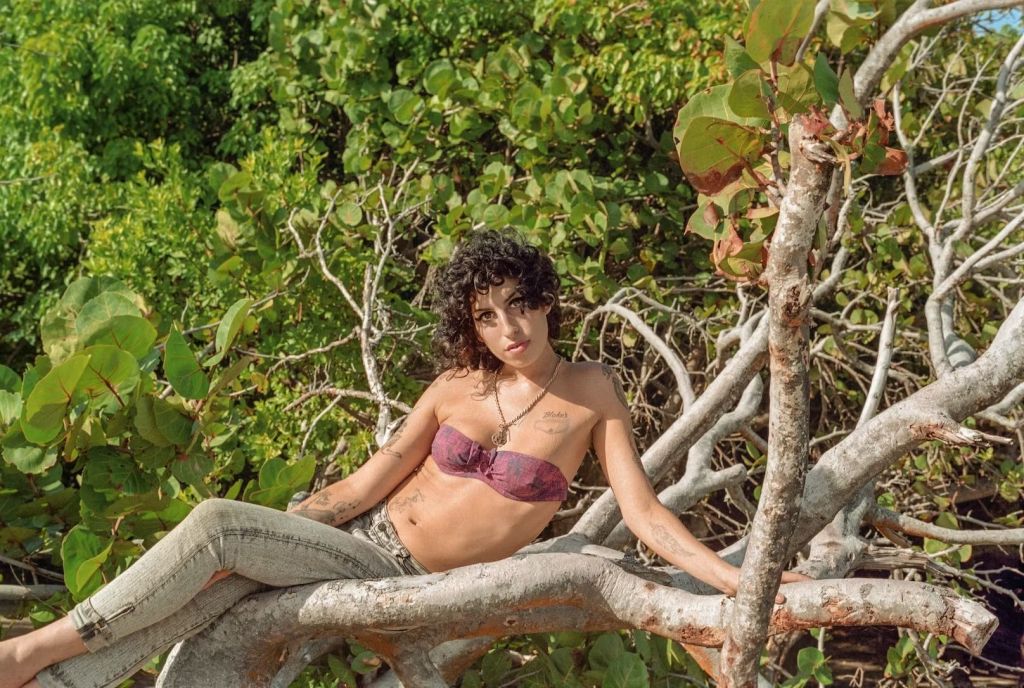
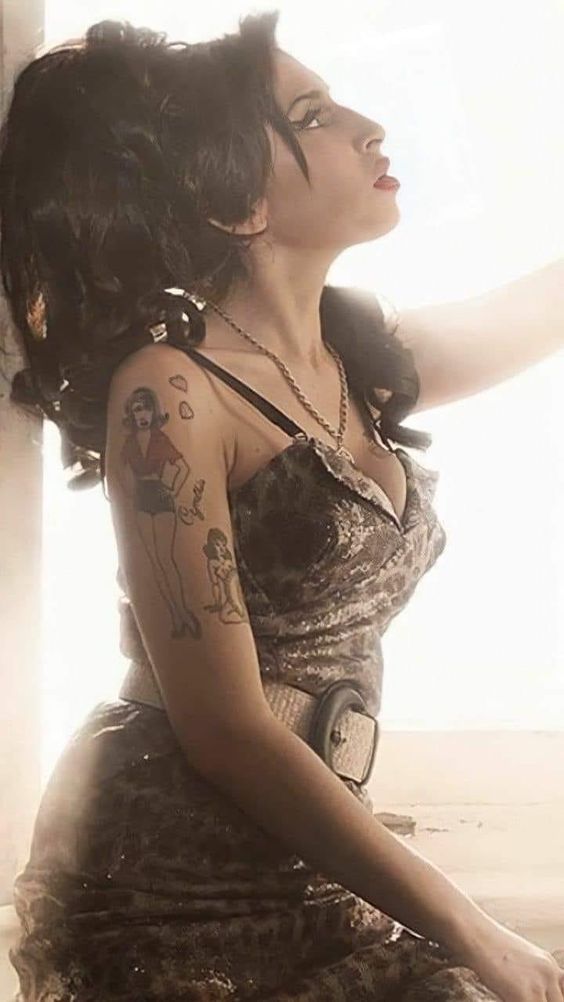

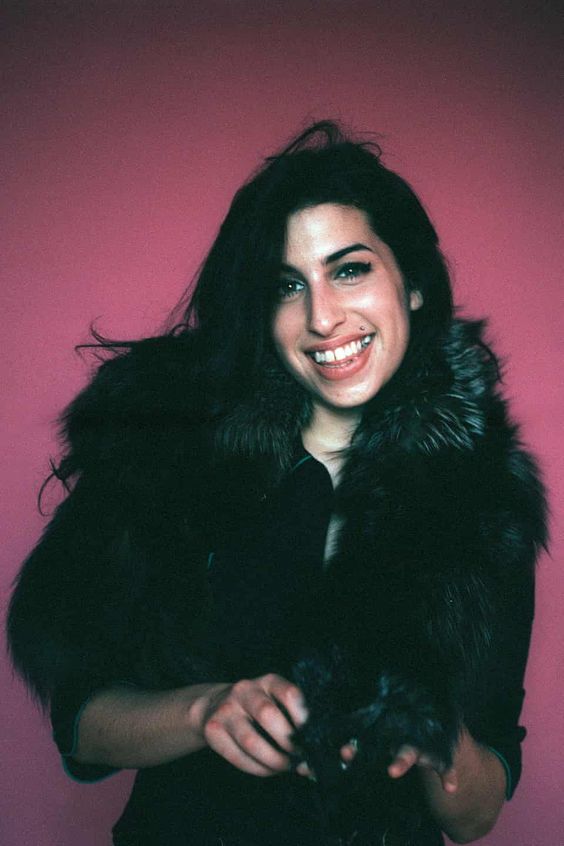
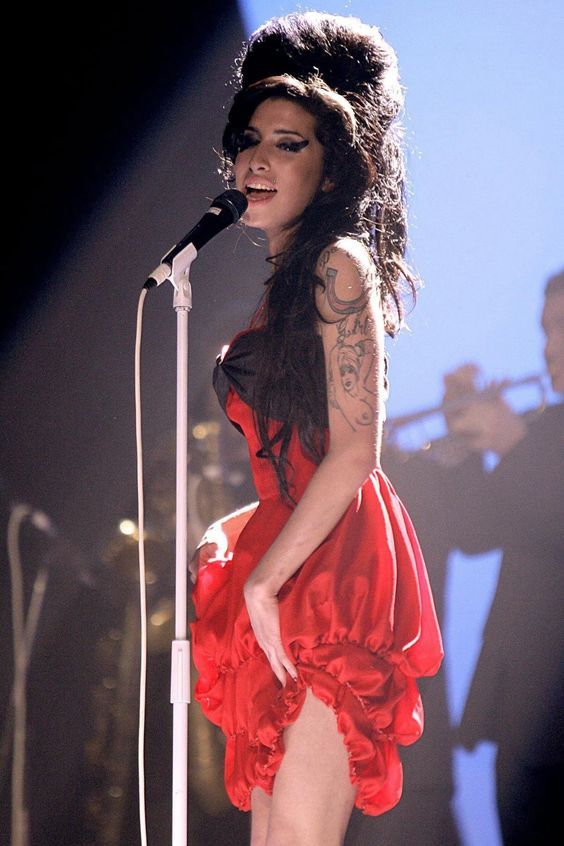
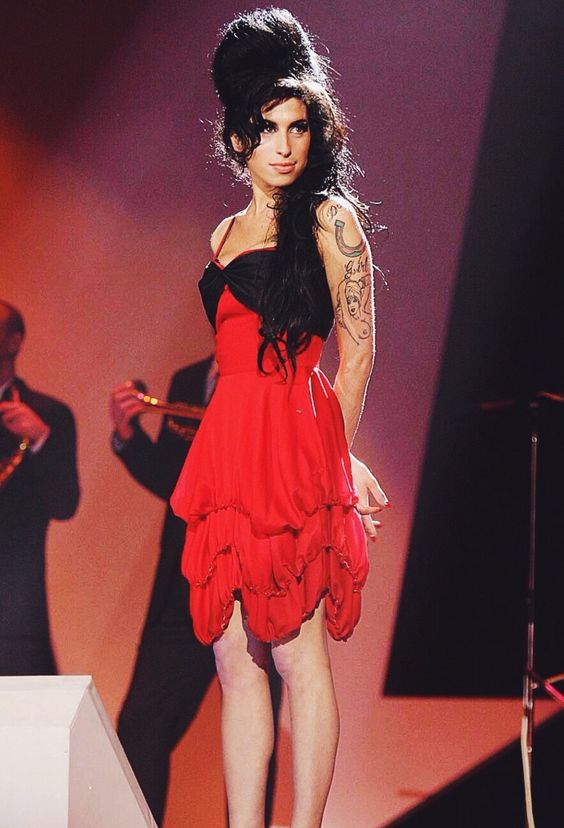

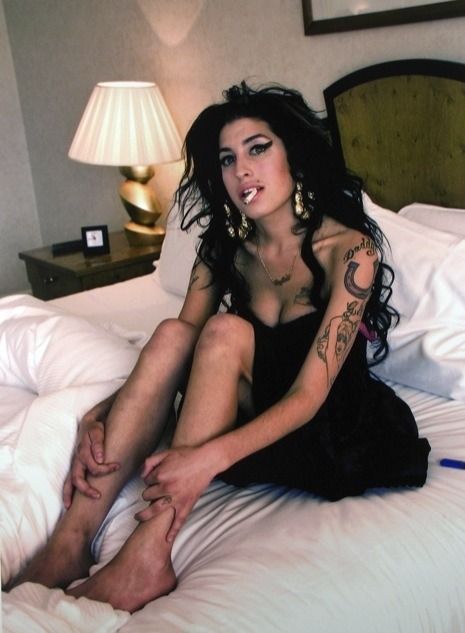
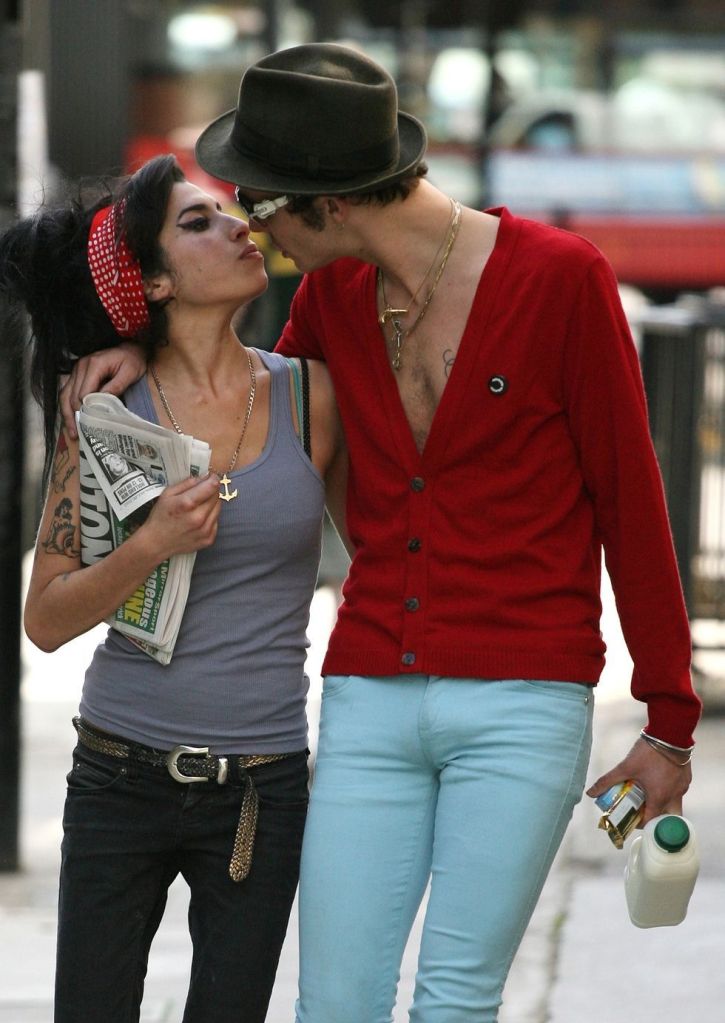


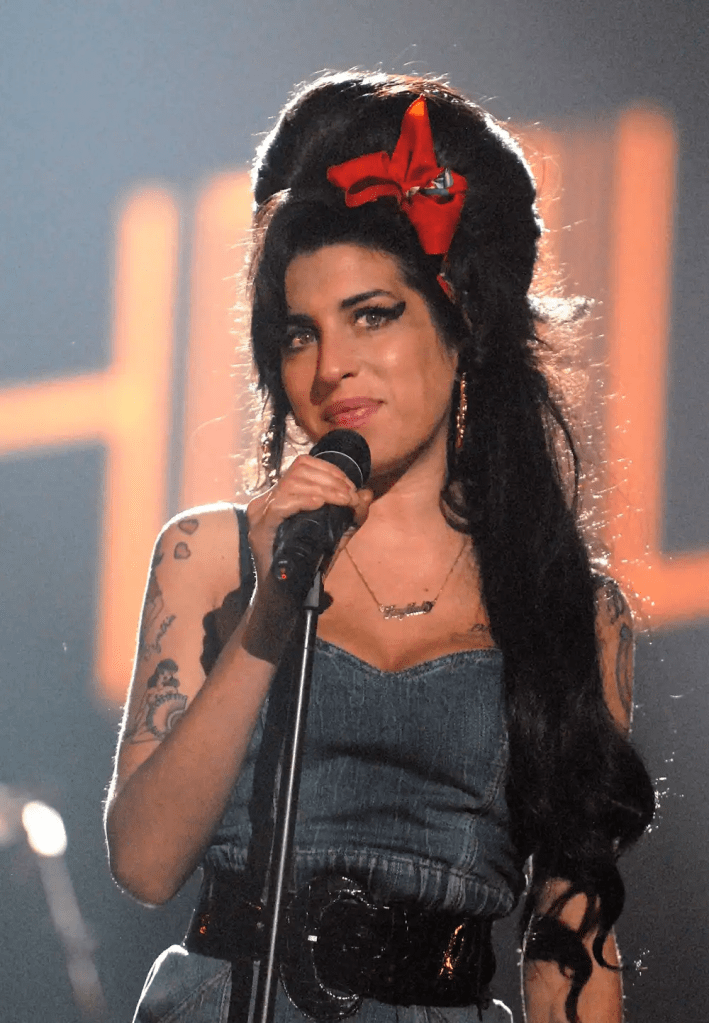
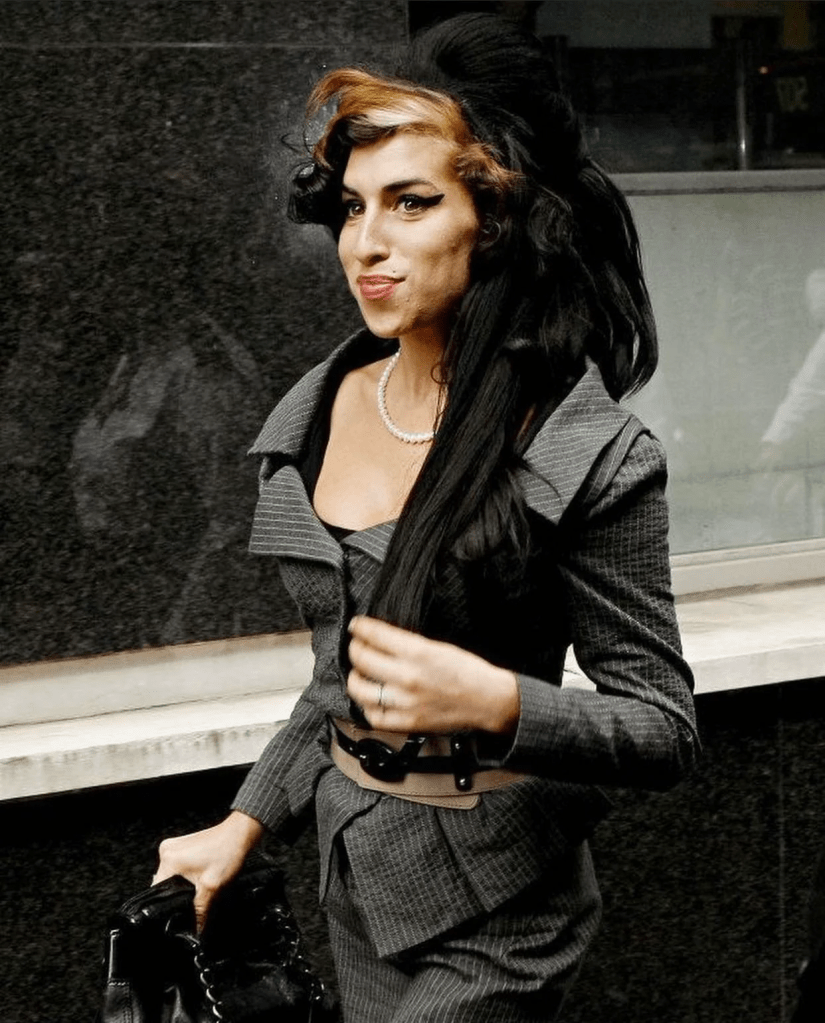
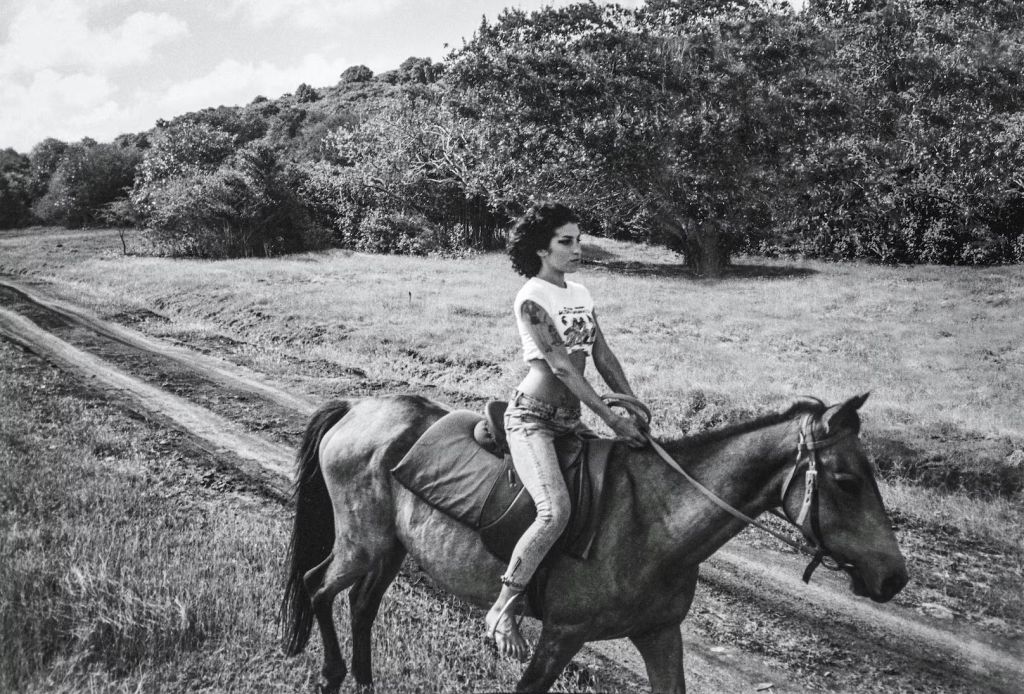

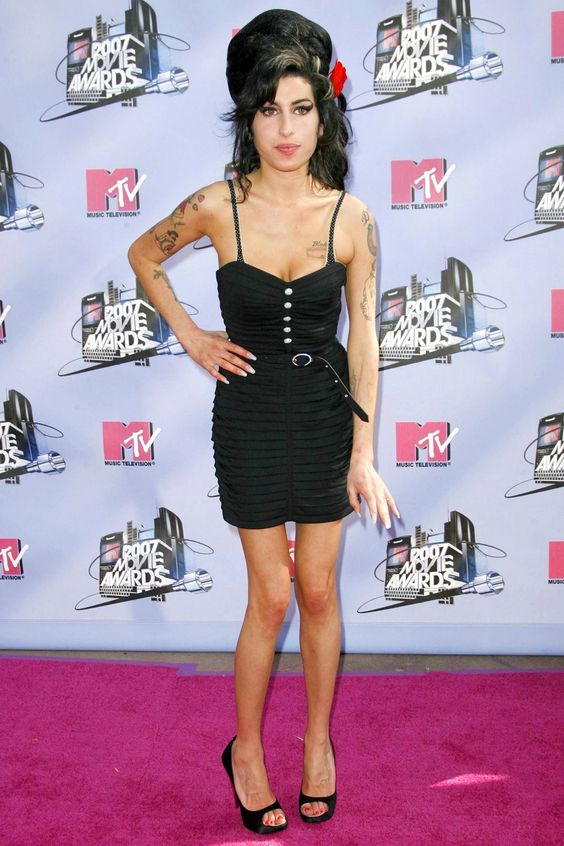



Her iconic ballet flats, a fixture on stage and in her daily life, and her pumps have traversed these streets countless times, leaving an indelible mark on the tapestry of indie culture and the renaissance of British music. From her debut album, “Frank” (2003), Winehouse displayed a keen sense of sartorial expression, mirrored not only in her wardrobe but also in her poignant lyrics. In tracks like “Fuck Me Pumps,” she conjures the image of a materialistic femme fatale through evocative descriptions of attire: towering heels, an empty Gucci bag, and jeans clinging too tightly to sit comfortably.
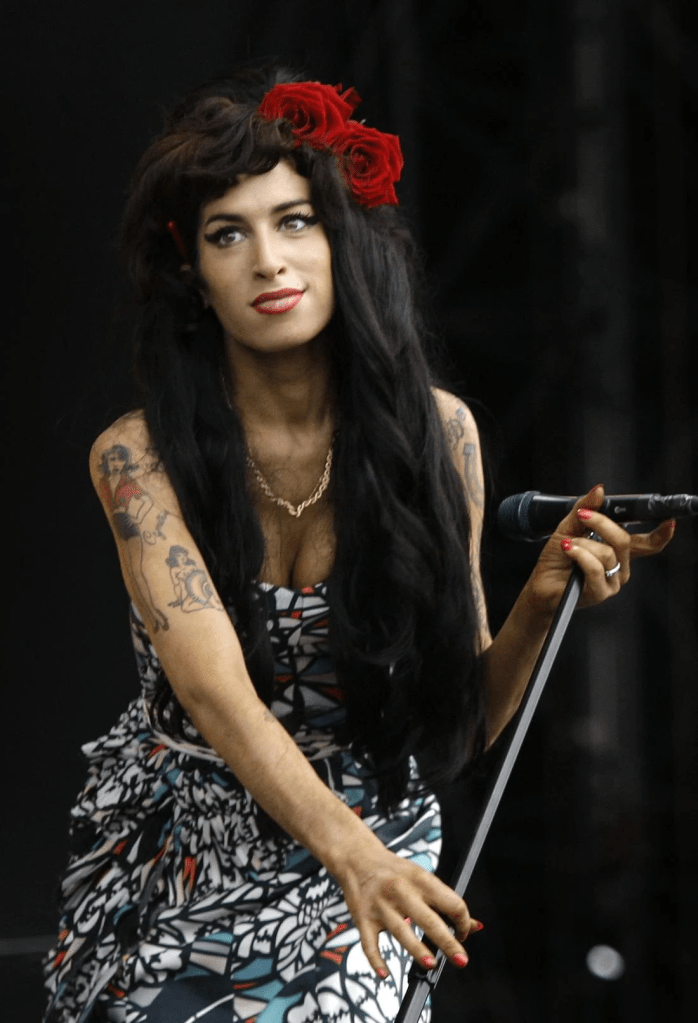
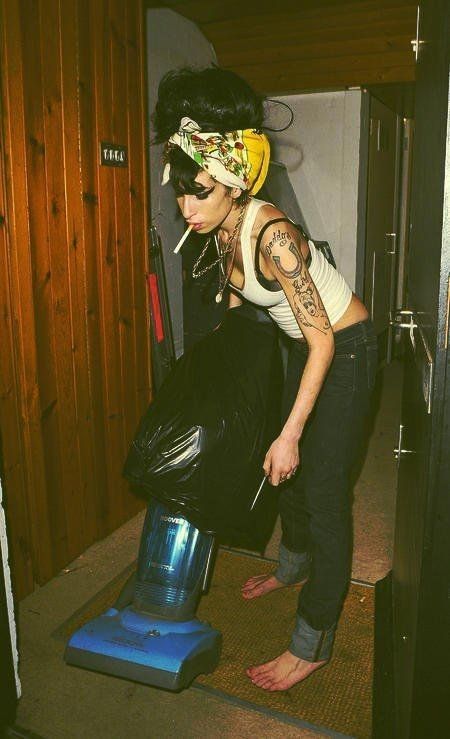
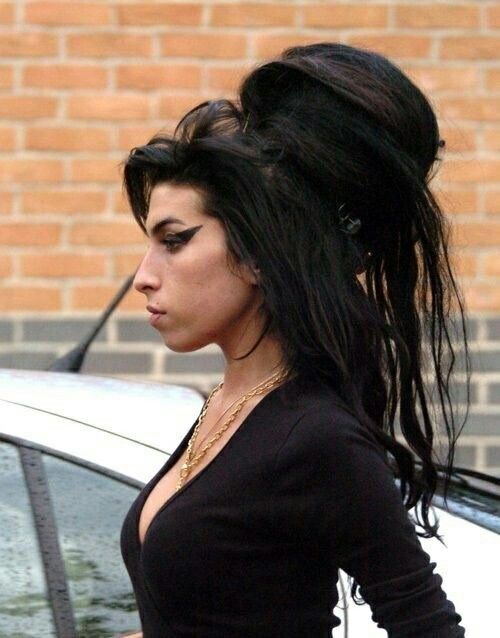
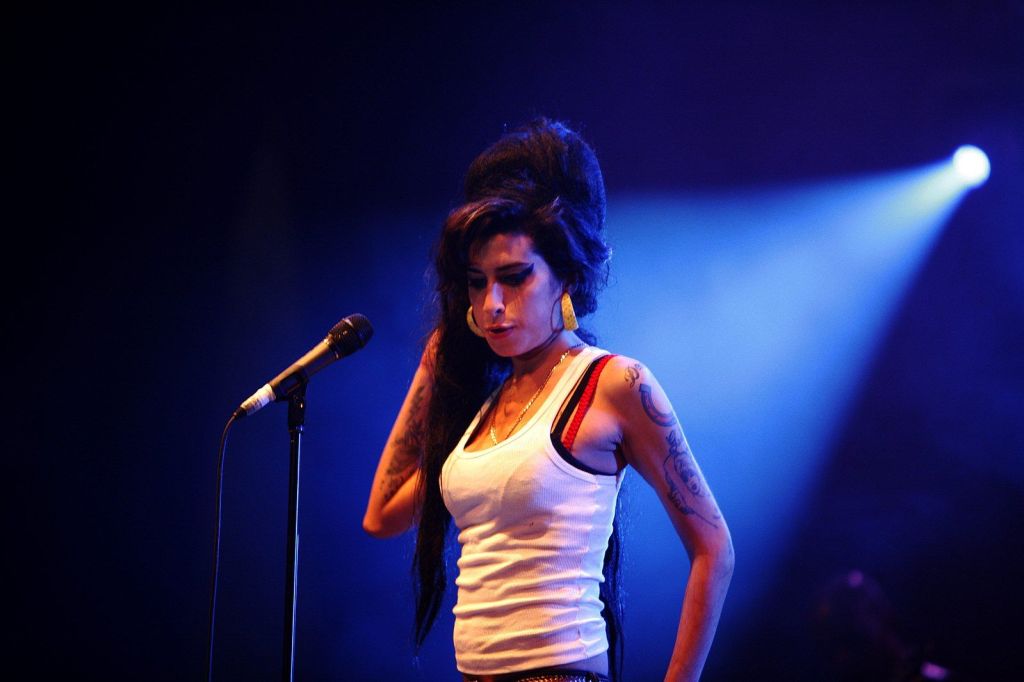
Amy Winehouse’s reinterpretation of the 1950s pin-up aesthetic has left an indelible mark on fashion and music history. While her meticulous attention to detail, from adorning her beehive hairstyle with flowers, oriental clips, and bandanas, garnered attention, it was her ability to decontextualize the look that truly set her apart. With unmatched elegance, she transformed the cocktail dress into a captivating costume, showcasing her unparalleled sense of style.
In both her music and clothing, Winehouse drew inspiration from vintage stars like Billie Holiday, Alma Cogan, and Brenda Lee, seamlessly blending their stylistic codes with the vibrancy of the new millennium. Her presence in the fashion world was magnetic, characterized by fragility and emotional depth, far removed from the glitz and glamour often associated with fame.

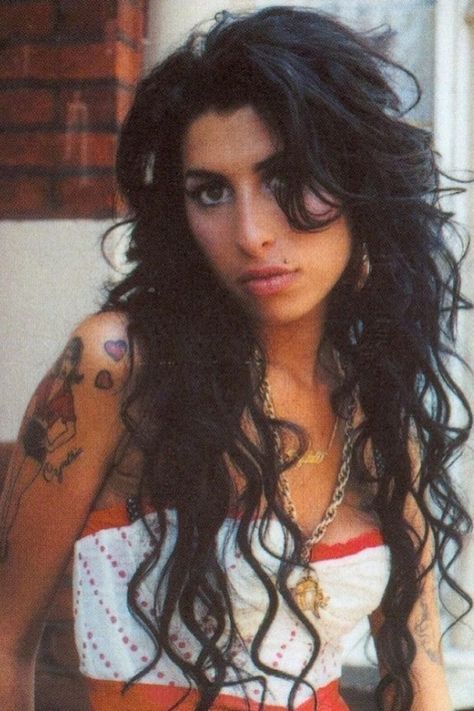
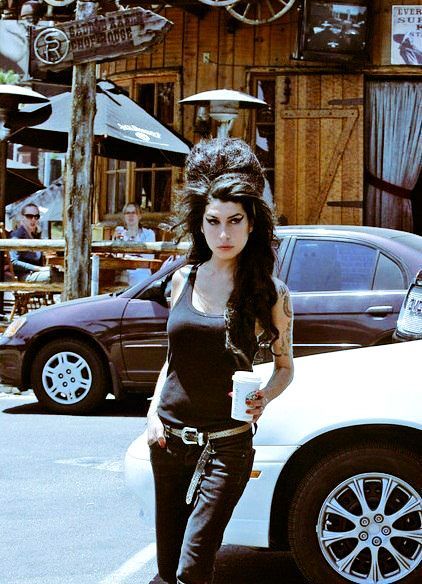
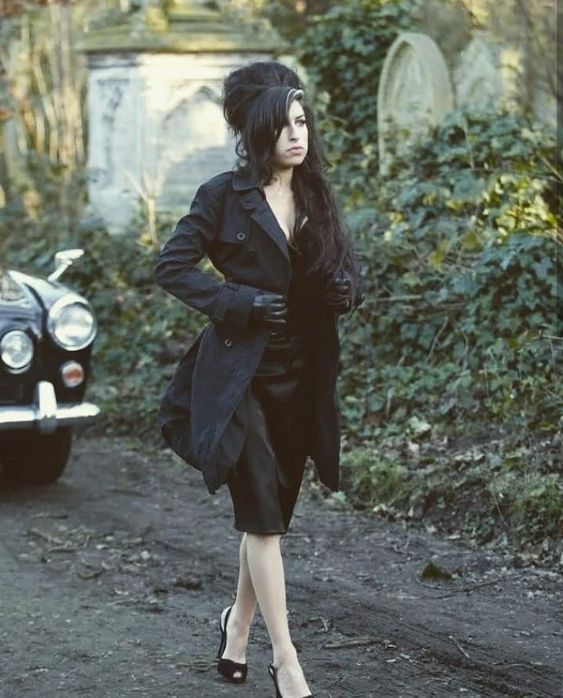

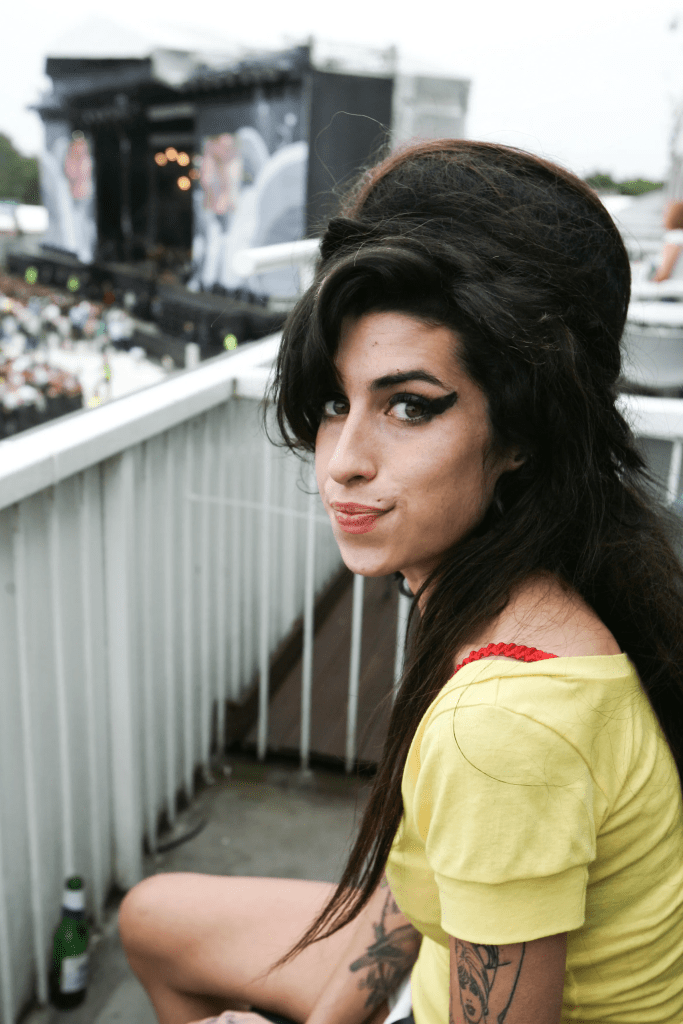

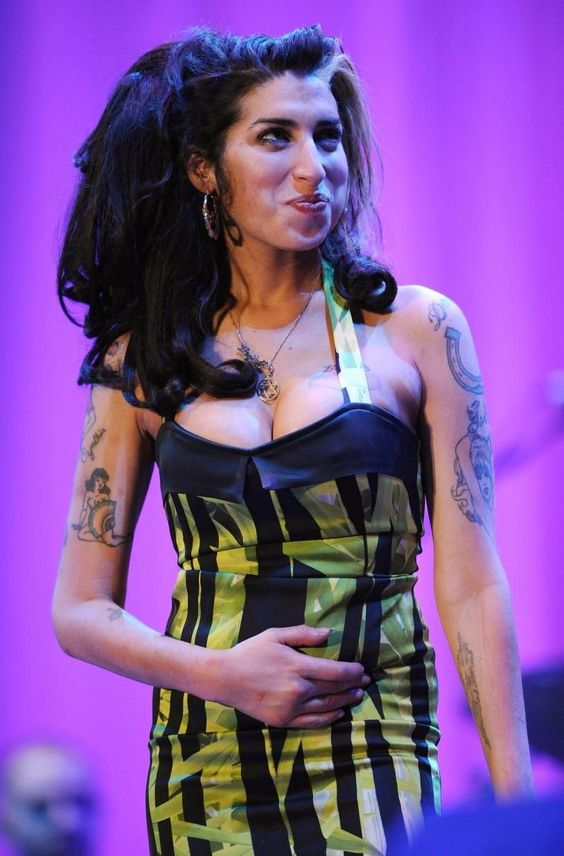


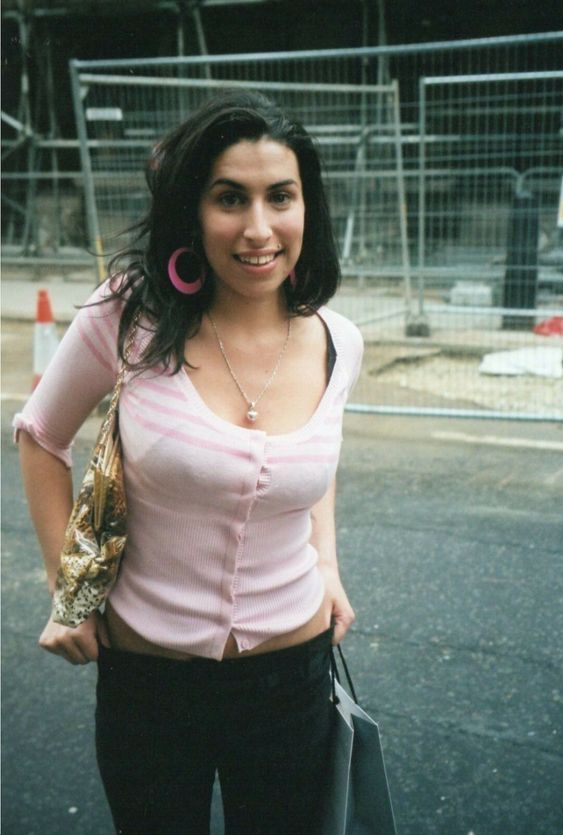

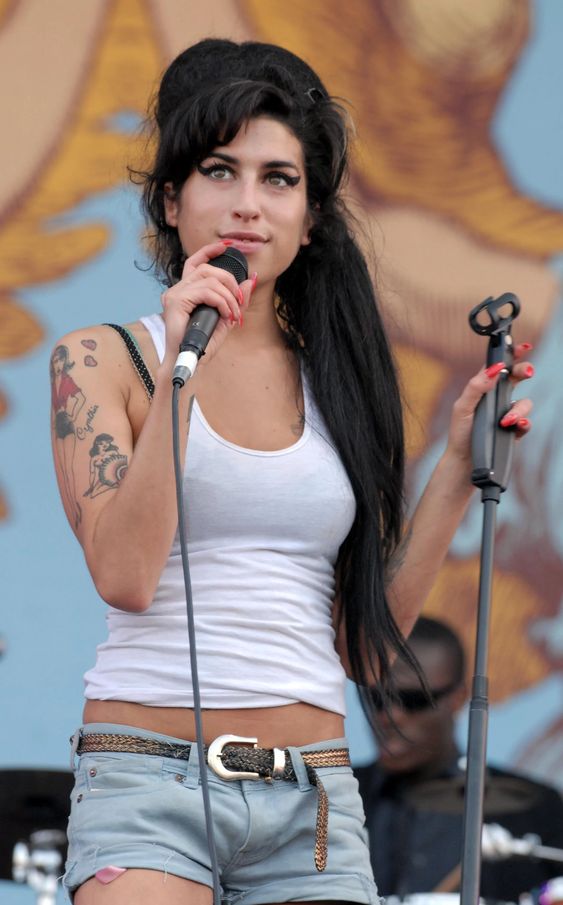
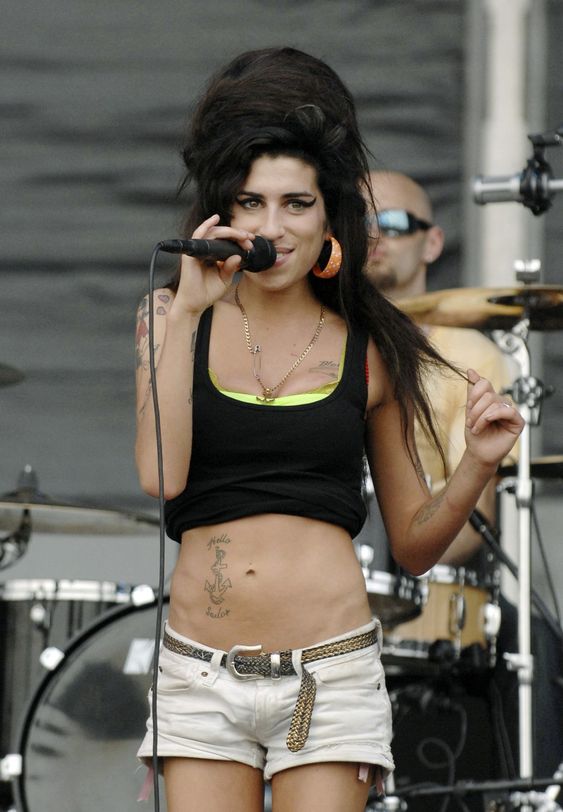

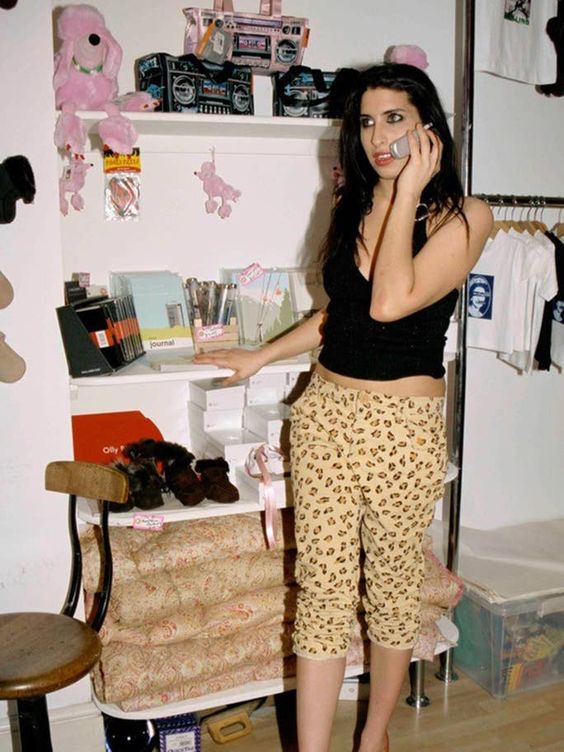
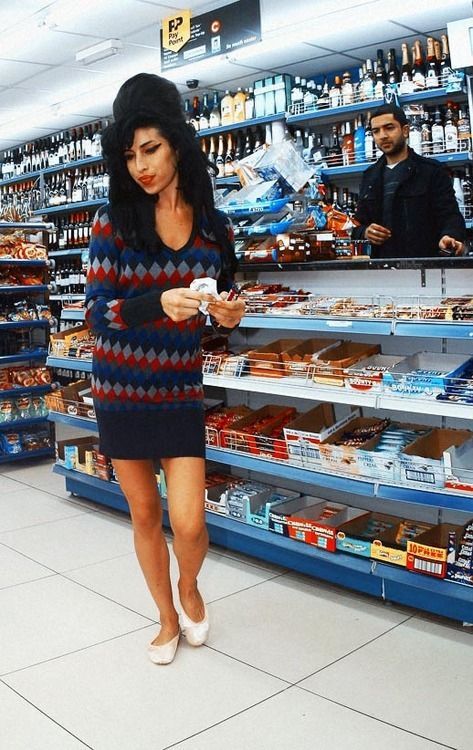
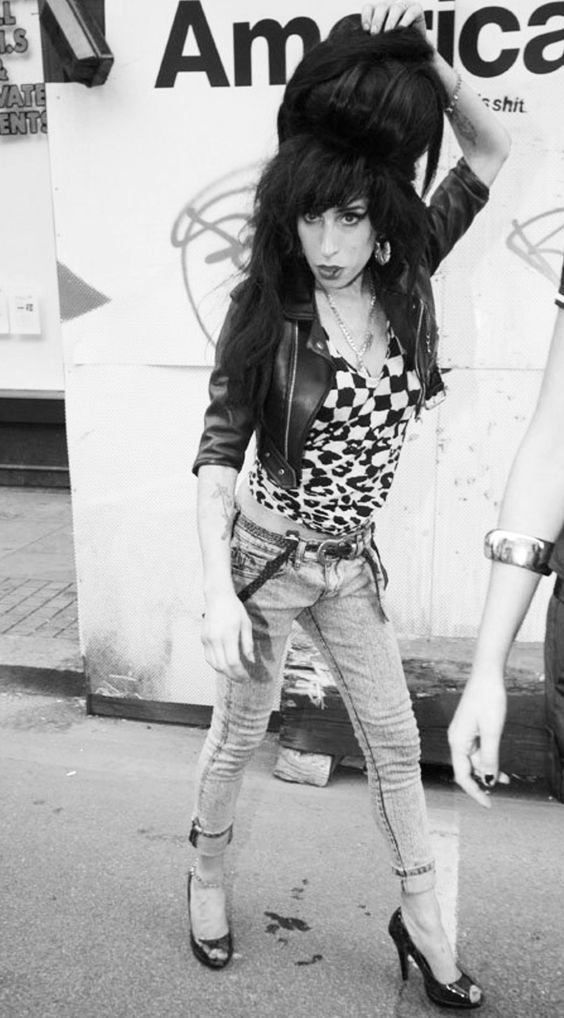
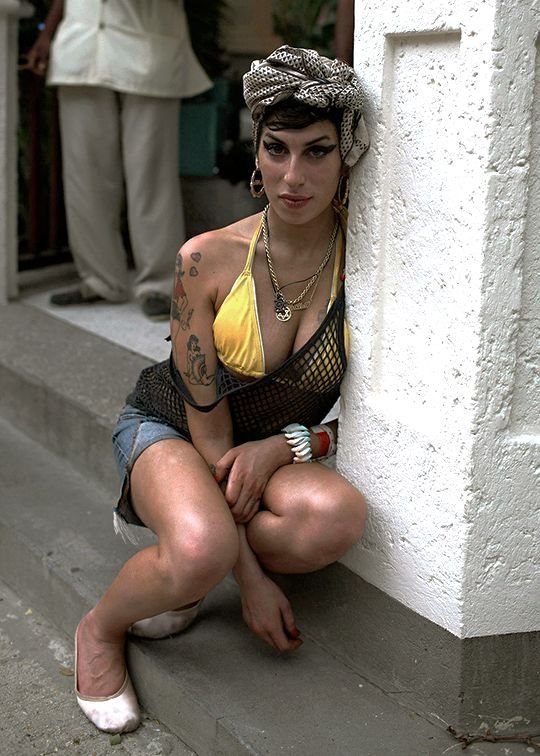
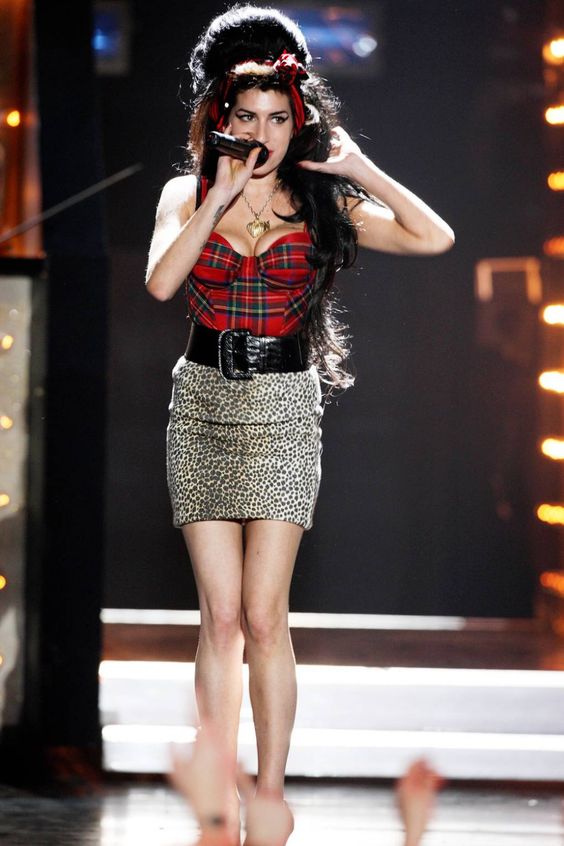
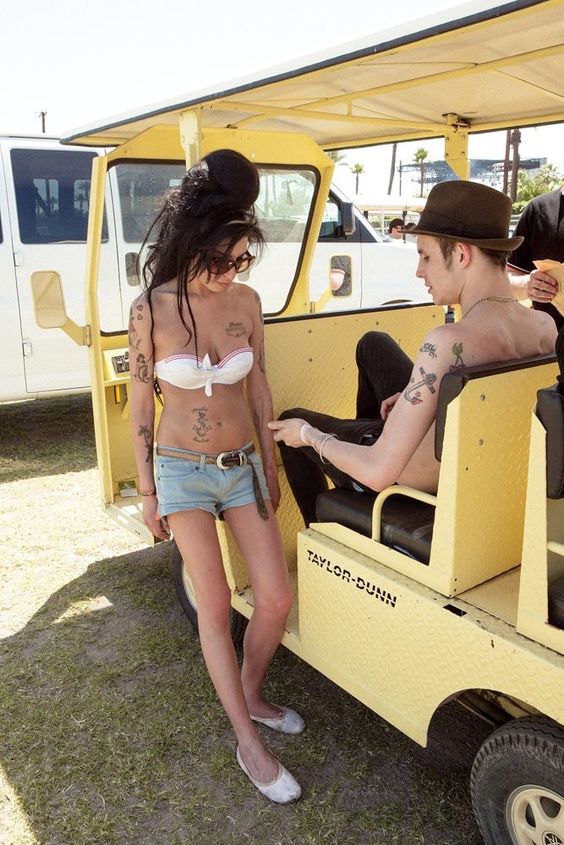
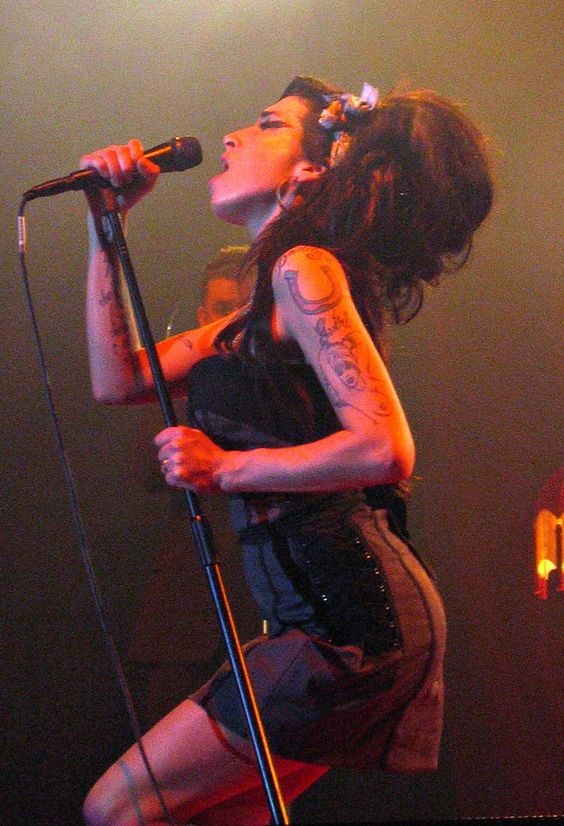

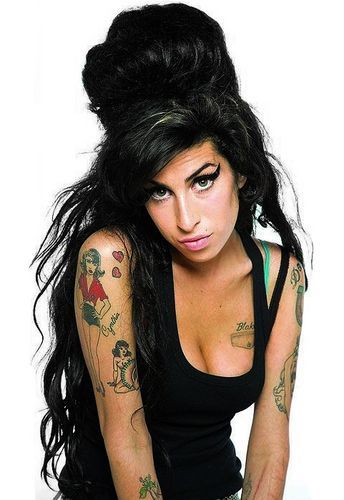
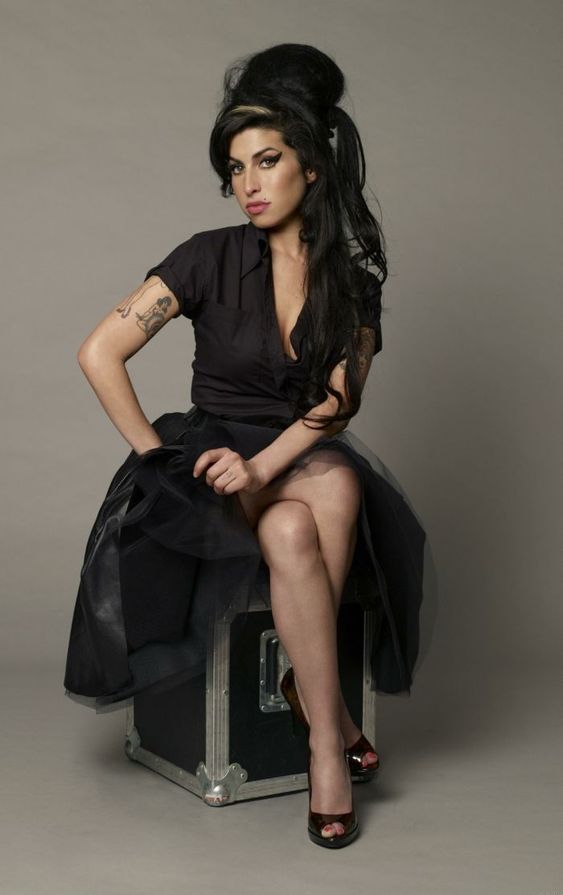
In 2011, Robin Givan, now a Senior Critic for the Washington Post, observed in the Daily Beast a peculiar fascination within the fashion industry for Winehouse. There was an odd blend of defiance, admiration, and even envy surrounding her, perhaps fueled by the familiarity and irresistible creative motif of her emphatic, tortured, and seemingly out-of-control life.
Moreover, Winehouse’s rise to prominence coincided with an era when ‘heroin chic’ dominated magazines and advertising campaigns, hailed as a manifesto of a generation. In this cultural landscape, her enigmatic persona and tumultuous journey served as a poignant reflection of the times, capturing the imagination of audiences worldwide.
Amy Winehouse’s preferred fashion brands included Betsey Johnson, Karen Millen, Galliano, Dolce&Gabbana, Vivienne Westwood, and Moschino. Her iconic style, reminiscent of the ’50s with a modern twist, was often adorned with old-school tattoos and self-tanner stains, as disclosed by her stylist Naomi Parry in the BBC documentary “Reclaiming Amy” (2021). Despite her professed lack of interest in fashion, Winehouse was a notable presence at events like the 2007 launch party of The Row with the Olsen twins and a modified dress at a Fendi event during Paris Fashion Week in 2008. This seeming indifference was belied by her 2010 collaboration with Fred Perry, which featured a collection mirroring the fashion of suburban English girls, including cardigans, low-cut polo shirts, pencil skirts, and Capri pants.






Throughout the tumultuous years, the barrage of expectations and criticisms aimed at Winehouse often overlooked the fact that she was merely in her early twenties, her audacity merely a reflection of her profound emotional and artistic sensitivity. Without her boldness, the world might have never experienced the raw honesty of “Back to Black,” a musical masterpiece that continues to resonate deeply. In hindsight, her journey parallels that of Alexander McQueen, another rebellious figure in English culture, renowned for his unconventional and cutting-edge approach to fashion. Both were part of the system yet openly disdainful of it, enduring scrutiny from tabloids and the internet. Their legacies, however, were immortalized in the pop world following their untimely departures, a testament to their enduring impact despite the trials they faced.
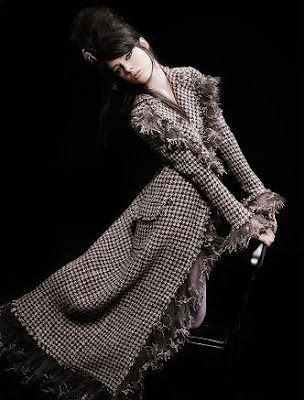
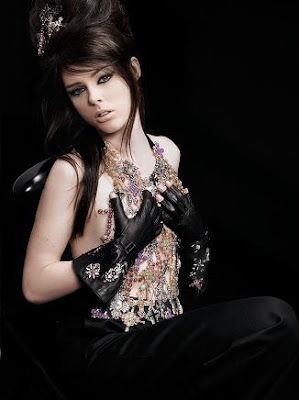
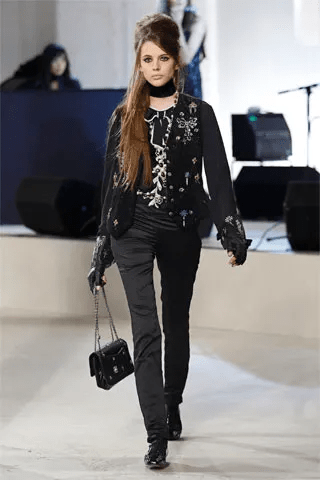
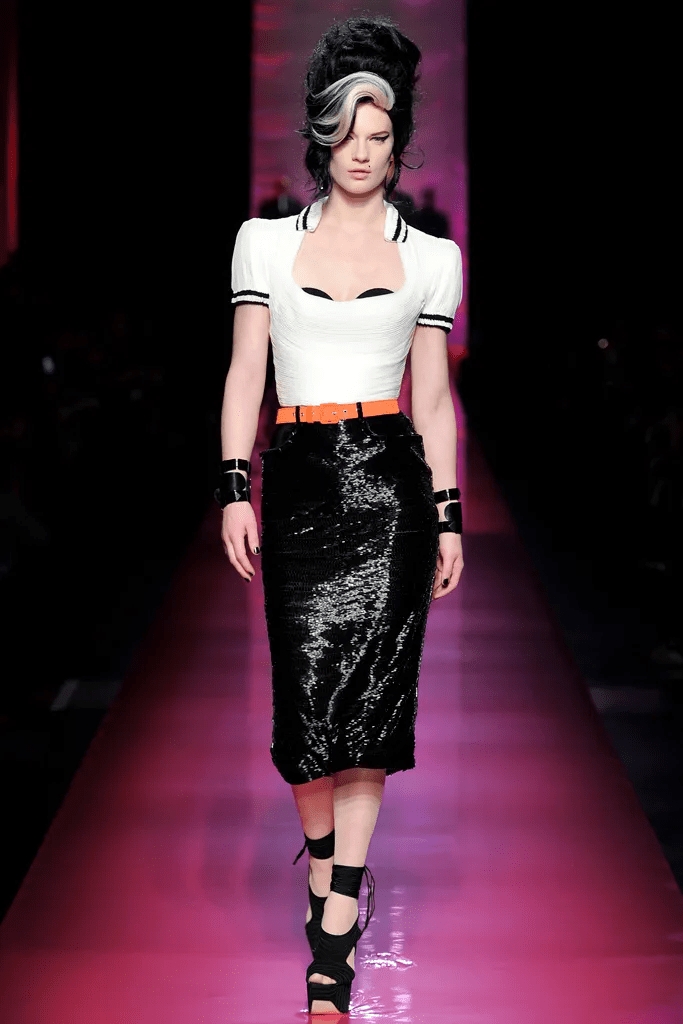
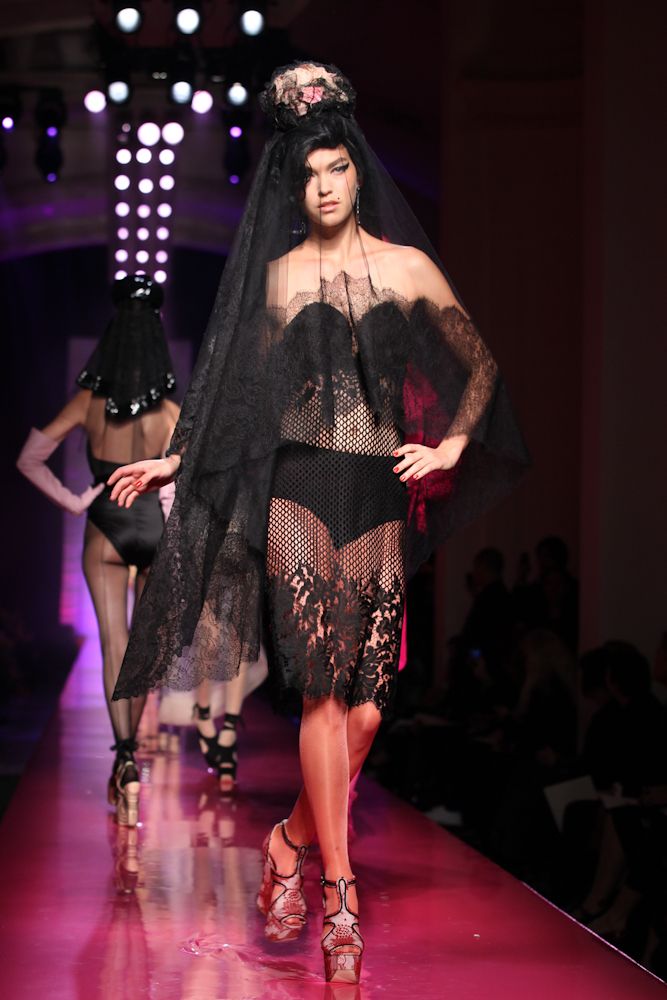
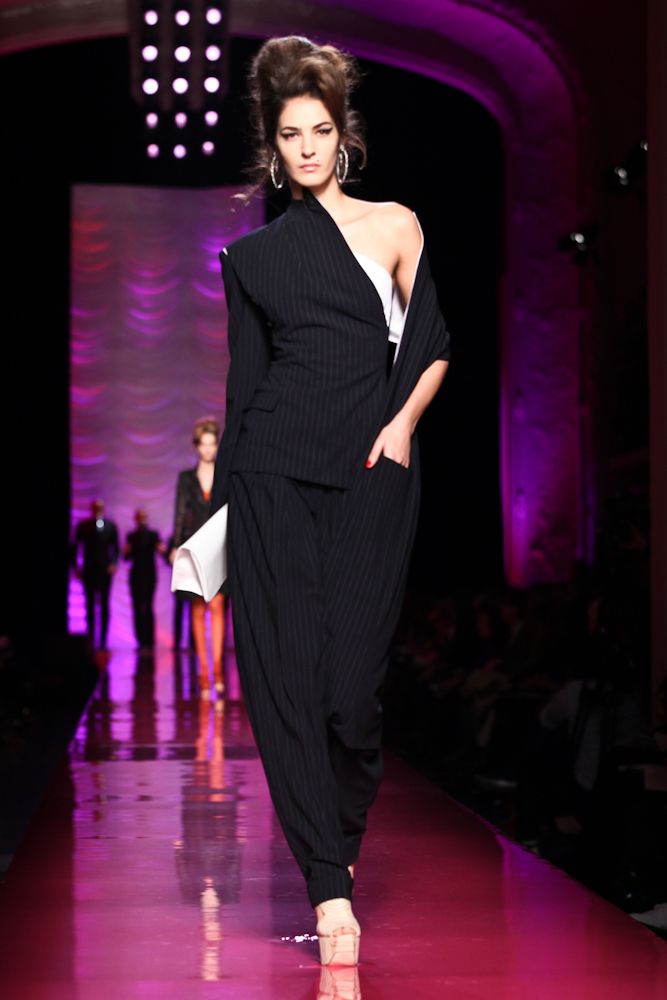
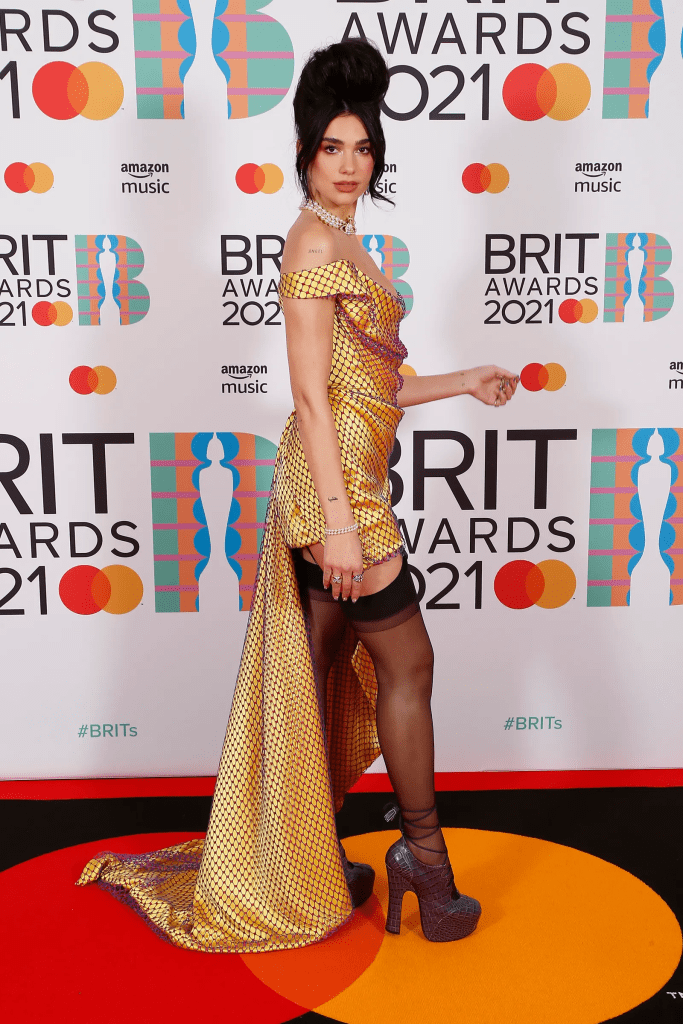
Karl Lagerfeld was among the first in the fashion industry to publicly express his admiration for Amy Winehouse. For the Chanel Pre Fall 2008 collection, Lagerfeld showcased looks inspired by Winehouse, including her iconic ’50s hairstyle and intense eyeliner. The collection, presented in a black and white show, paid homage to Winehouse’s eclectic and subtly kitschy style, perfectly aligned with Chanel’s aesthetic. Lagerfeld himself described Winehouse as a “style icon” and praised her talent, citing her hairstyle as inspiration, reminiscent of Brigitte Bardot’s iconic look. Love Magazine followed suit by featuring Adriana Lima on their February cover in a Winehouse-inspired style. Other notable figures like Jean Paul Gaultier, Lana Del Rey, and Dua Lipa have also drawn inspiration from Winehouse’s distinctive wardrobe and signature dark beehive hairstyle, further cementing her influence in the fashion world.

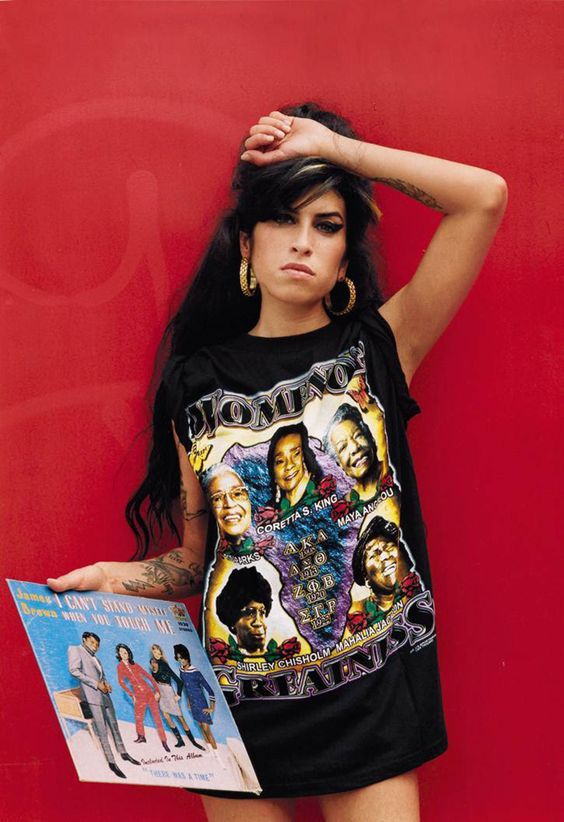

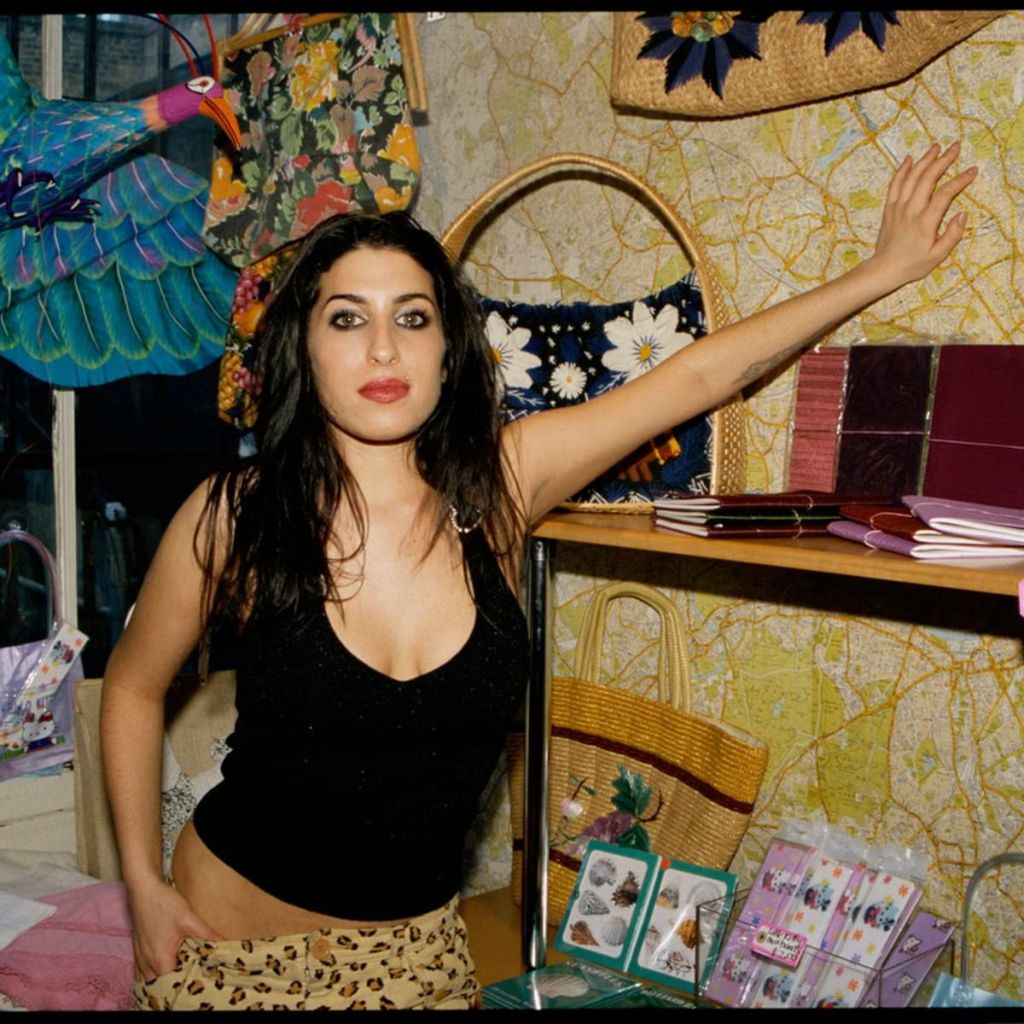
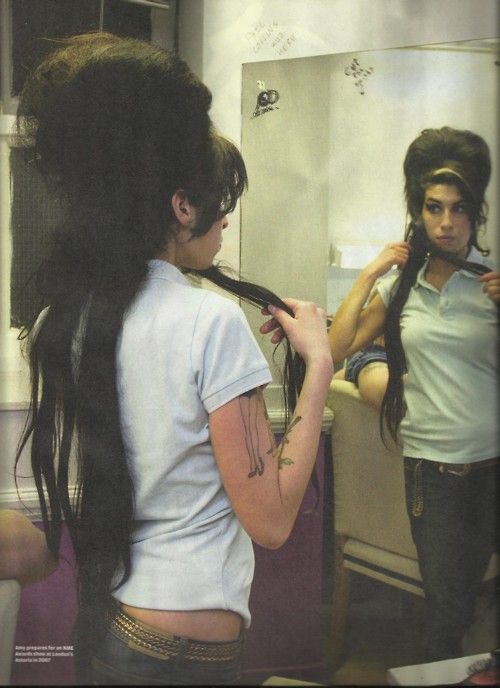
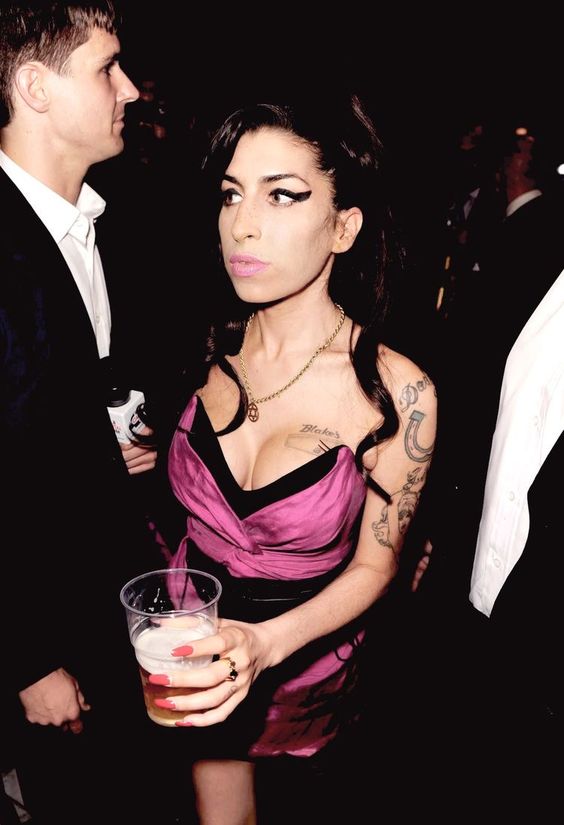


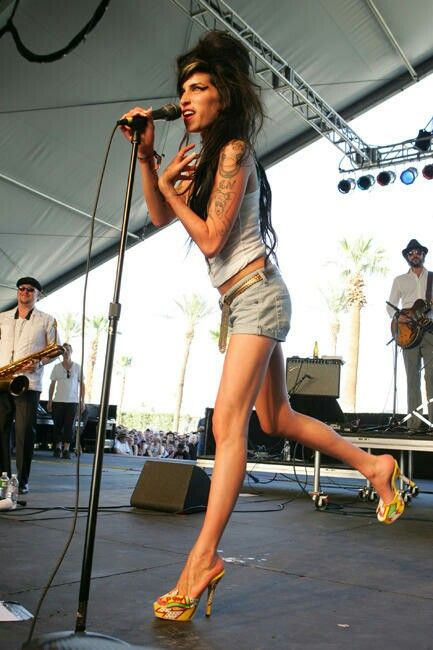


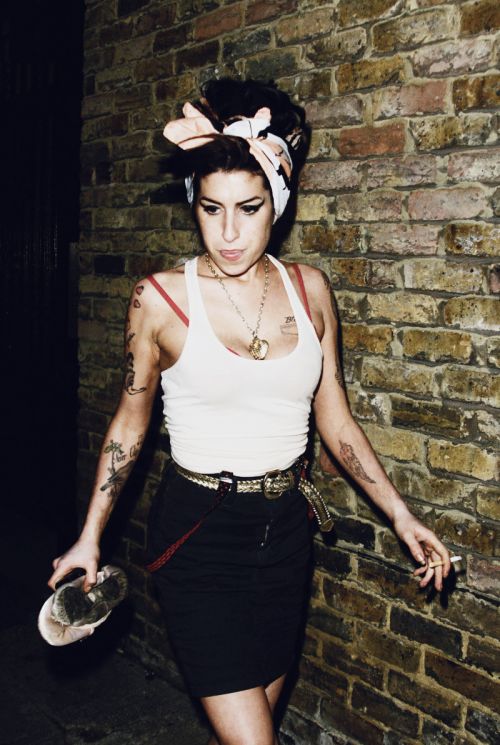
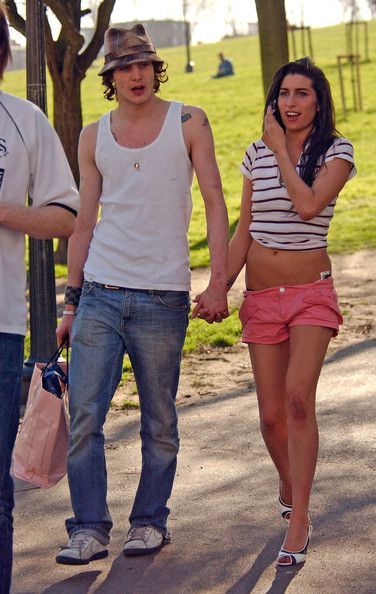

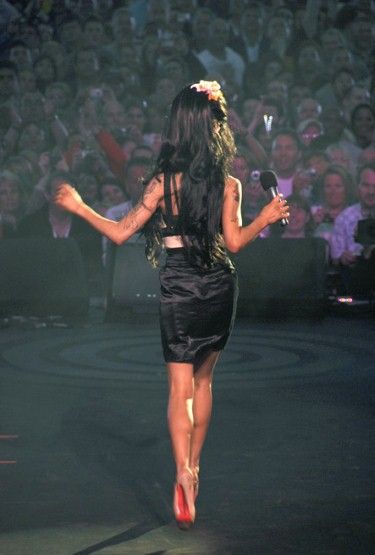
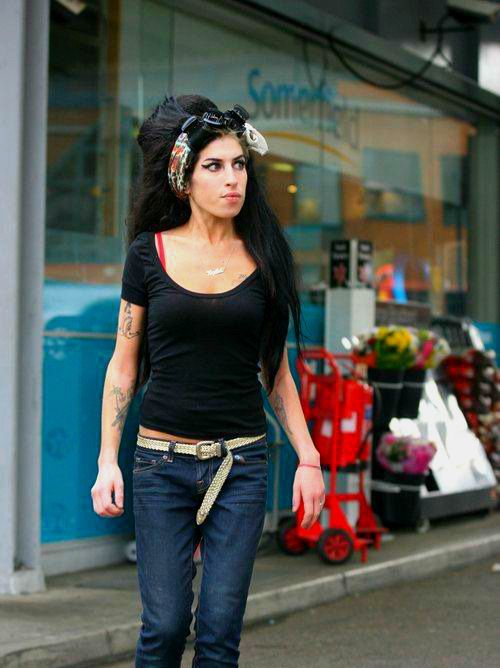
Leading up to the release of the biopic “Back to Black” depicting the life of Amy Winehouse, starring Marisa Abela and slated for May 2024, numerous museums and auction houses have dedicated exhibitions to Winehouse’s iconic dresses. In 2020 and 2022, the Grammy Museum in Los Angeles and the Design Museum in London aimed to shift the narrative surrounding Winehouse away from her personal struggles and towards her influential style and cultural impact. While the film’s release will provide further insight into Winehouse’s greatness, her essence can already be felt through her wardrobe, symbolized by her satin pink shoes, bearing the metaphorical weight of her journey, stained with mud yet still radiating her unique spirit.
 curlycurlworld: Get Twisted with CurlyCurl: The Latest in Curls, Coils, and Confidence!