
Explore the Epic Role of the American West and its Influence on Modern Society
The cowboy myth, although perceived as superficial by Europeans, holds profound significance in America, playing an epic role in its cultural narrative. The saga of the American West transcends mere territorial conquest; it encompasses a rich tapestry of heroes and villains, serving as a lens through which the American psyche defines itself and evolves. Today, Western culture remains vibrant and relevant, especially as debates emerge around the inclusion of diverse voices, such as African-American singer Beyoncé, in traditionally white-dominated genres like country music. This reappropriation by minority groups challenges conventional narratives, reshaping perceptions of who owns and shapes Western culture
Denim’s Resurgence: Exploring the Evolution of Fashion and Cultural Trends
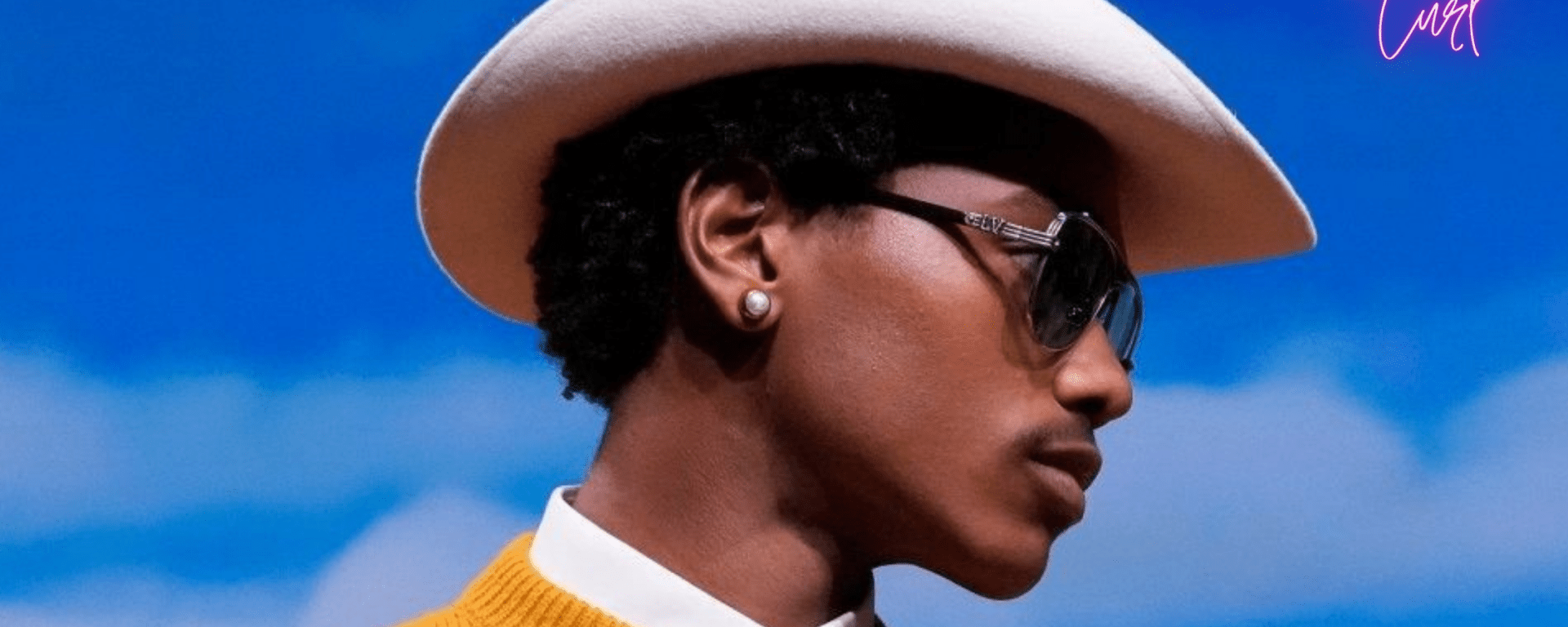
Beyoncé stands out as a significant figure in contemporary culture, notably within the realm of pop music. While artists such as Miley Cyrus and Taylor Swift have roots in country music, upcoming albums from Lana Del Rey and Post Malone are poised to contribute to the genre’s evolution. Today, country music intersects with global fashion trends, with celebrities like Bella Hadid, Kendall Jenner, and Kim Kardashian embracing cowboy hats, flared pants, and pointed shoes popularized by Louis Vuitton’s FW24 collection designed by Pharrell Williams. Denim, a cornerstone of Western revival, has garnered attention, evidenced by Beyoncé’s track ‘Cowboy Carter Levii’s Jeans’ and Levi’s recent recognition as the Most Trustworthy Company in America for clothing
In recent months, denim has emerged as a cornerstone of fashion, reflecting broader shifts in collective taste towards a new clothing paradigm. This trend embraces oversized or flared jeans, leather jackets, checkered shirts, Western belts, 70s-style glasses, as well as mullets and various types of mustaches. Rooted in workwear aesthetics, this movement revitalizes the ‘old-school man’ uniform, infused with subtle queer influences. It draws inspiration from the drugstore cowboys envisioned by Hedi Slimane for brands like Saint Laurent and Celine, as well as the imagery of Los Angeles and Californian ranches, seeking enduring archetypes beyond streetwear. The cowboy repertoire, while specific and sectoral, evokes elements of the American proletarian wardrobe and iconic rock stars like Jim Morrison, who blended the ruggedness of the cowboy with mystical and hedonistic rock star vibes in the late ’60s.”
What’s noteworthy is that the cowboy trend isn’t merely a fleeting fashion moment but has evolved from Lil Nas X’s breakout hit ‘Old Town Road’ to become a staple beneath other seasonal trends. It’s manifested in the enduring popularity of pointed cowboy boots, championed by Hedi Slimane, and the ongoing obsession with mega-leather jackets and workwear, as seen in collections like Miu Miu’s. Notably, recent fashion seasons have seen elements of this aesthetic embraced without explicit cowboy references, such as Bottega Veneta’s desert-themed show and brands like ERL and Phipps evoking a 1970s American summer vibe. However, the ’70s influence is just one aspect of a broader Western aesthetic, utilized by figures like Pharrell and Beyoncé to explore the roots and reasoning behind certain styles of dressing. In this context, the cowboy aesthetic serves as an attempt to establish a system and genealogy for fashion choices, providing a framework from which to derive inspiration
Unpacking the Global Interpretation of the Cowboy Aesthetic: Perspectives from the United States and Beyond
However, it’s crucial to recognize a fundamental distinction: the cowboy aesthetic holds different meanings within its native country, the United States, compared to elsewhere. While European brands often portray the cowboy in a romantic or even postmodern light, the American interpretation tends to aestheticize the past while also engaging with it on a political level. Both Pharrell and Beyoncé’s endeavors operate within the context of cultural assertion, aiming to redefine aspects of the American national narrative. They dive into spaces often dominated by a certain conservatism, then recalibrate the narrative to address a mature America capable of confronting historical choices and reimagining its past. This mindset has found renewed strength in the post-BLM era, sparking the emergence of a sub-genre in cinema and TV known as the Black Western. It began with films like Django Unchained and has since continued with productions such as Hell on the Border, Nope, The Harder They Fall, and Harriet, as well as series like The Underground Railroad, The Good Lord Bird, and Lawmen: Bass Reeves.
Even the incorporation of Western elements into Barbie, referencing the campiness of mid-century American iconography, served a broader narrative of redefinition and role reversal. In an era of globalism, where patriotism often serves as a weapon rather than a shield, and national identity is intertwined with rhetoric emphasizing exclusion and division, prominent American creatives in music and pop culture assert their presence. Once associated with socially charged genres like hip-hop and streetwear, now commodified and embraced globally, these creatives have transitioned into nationally recognized figures. However, this transition has led to questions of authenticity, as hip-hop and streetwear, once voices of marginalized communities, have become commercialized commodities. This shift reflects broader changes in American culture and creativity
Exploring Authenticity: Bella Hadid’s Texas Experience and Beyoncé’s Country Music Narrative
Discussing real-life experiences beyond the realm of art, Bella Hadid’s immersion into the Texan lifestyle offers a compelling narrative of the city girl’s quest for authenticity amidst rodeos, cowboy hats, and communal gatherings. This journey mirrors the timeless tale of seeking genuine connections and emotions beyond the superficial allure of the fashion world. Similarly, Beyoncé’s recent album reflects a desire for authenticity, with the artist emphasizing the organic and human elements of her music, aiming to reconnect with purity amidst the digital age. However, discussions on authenticity in country music reveal a shift from traditional narratives of outcasts and ordinary people to a perceived authenticity, sparking debates on the evolving ethics within the genre. While this discourse may seem distant to the European perspective, where countryside and folklore hold different meanings, it underscores the socio-political complexities of American society. While Europeans may indulge in romanticism when donning pointed boots and bootcut jeans, for Americans, authenticity carries deeper significance and higher stakes.”
 curlycurlworld: Get Twisted with CurlyCurl: The Latest in Curls, Coils, and Confidence!