
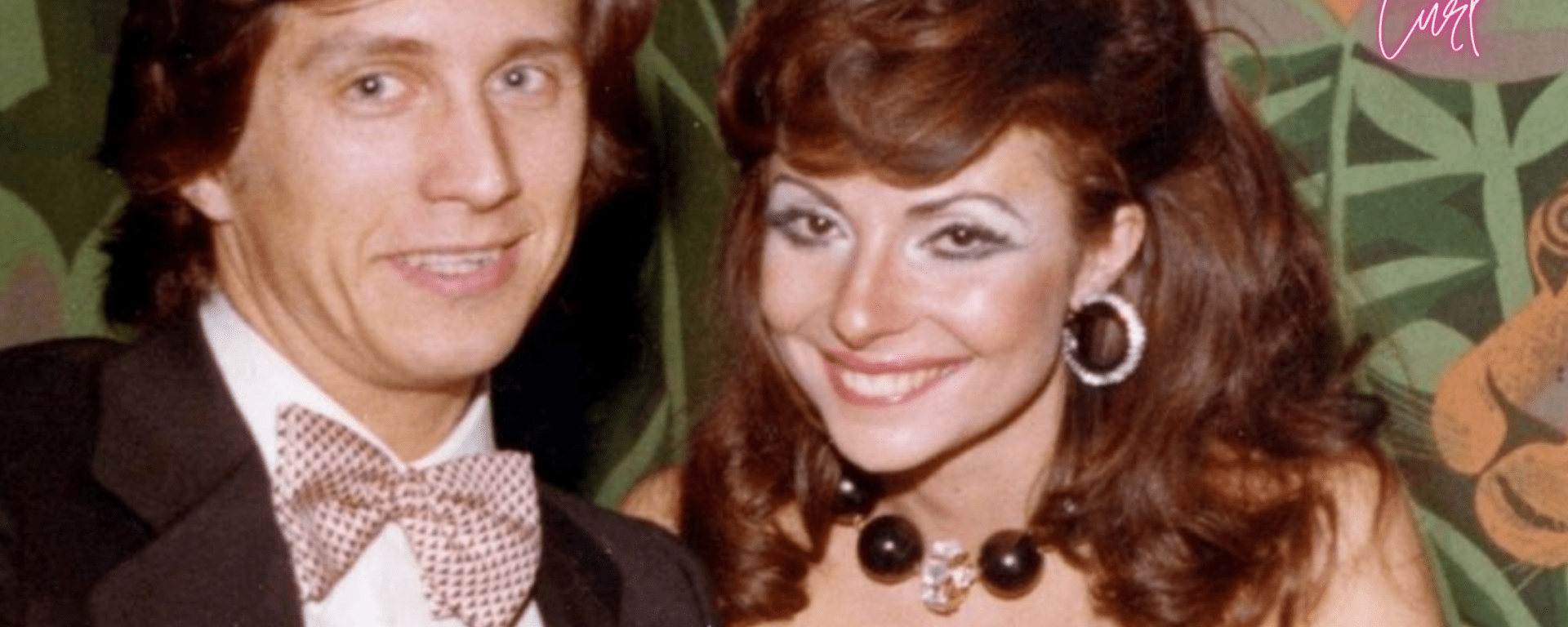
The narrative of Maurizio Gucci’s murder unfolds across three weekly drops, each delving into pivotal stages of the story: his rise within the company, the murder itself, and the ensuing investigations. Amidst the intricate web of events, the Gucci family tree serves as a guide, highlighting key players in the drama.While today Gucci epitomizes high fashion, its legacy was once overshadowed by the tumultuous saga of its namesake family. Throughout the 1980s, the Gucci narrative read like a gripping saga, with scandals, betrayals, and power struggles dominating headlines. These events, often likened to a soap opera or dynasty, nearly drove the company to ruin before culminating in Maurizio Gucci’s tragic murder in 1995.The Gucci family’s internal strife played out on a global stage, emblematic of an era where fashion shifted from familial enterprises to corporate behemoths. At the heart of this saga stood Patrizia Reggiani, known as Lady Gucci or the Black Widow, whose involvement in Maurizio’s murder captivated Italy. Though her ties to the company were tangential, her arrest and imprisonment transformed her into a central figure in the chaotic Gucci narrative.

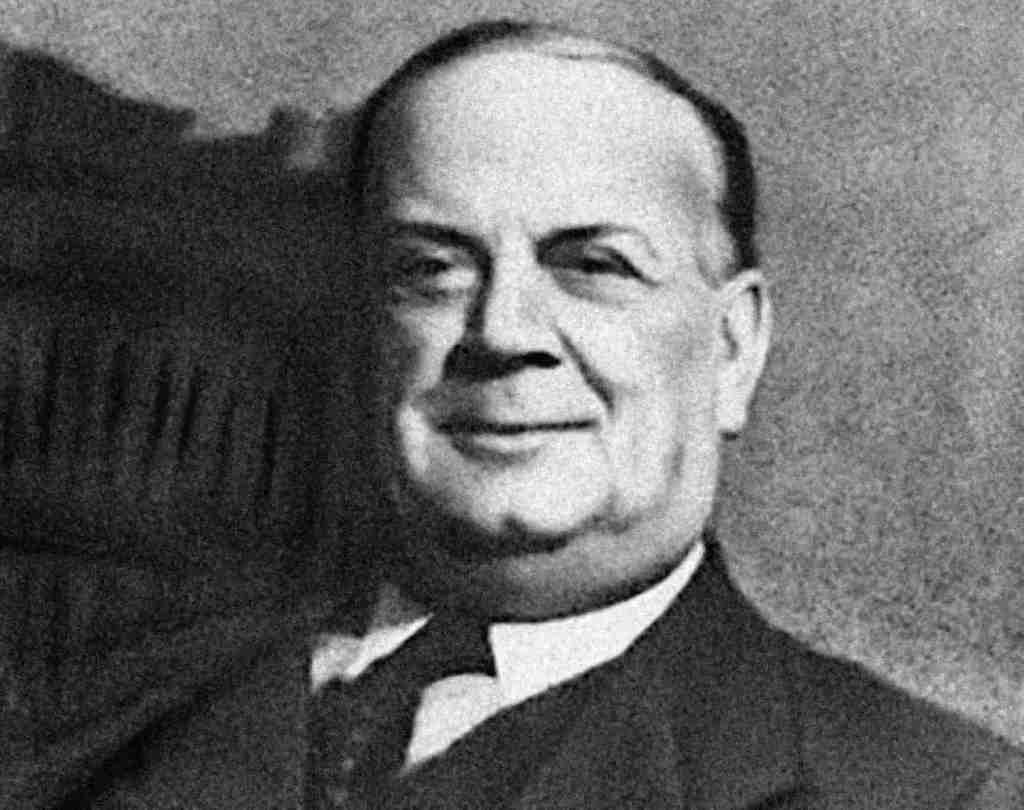
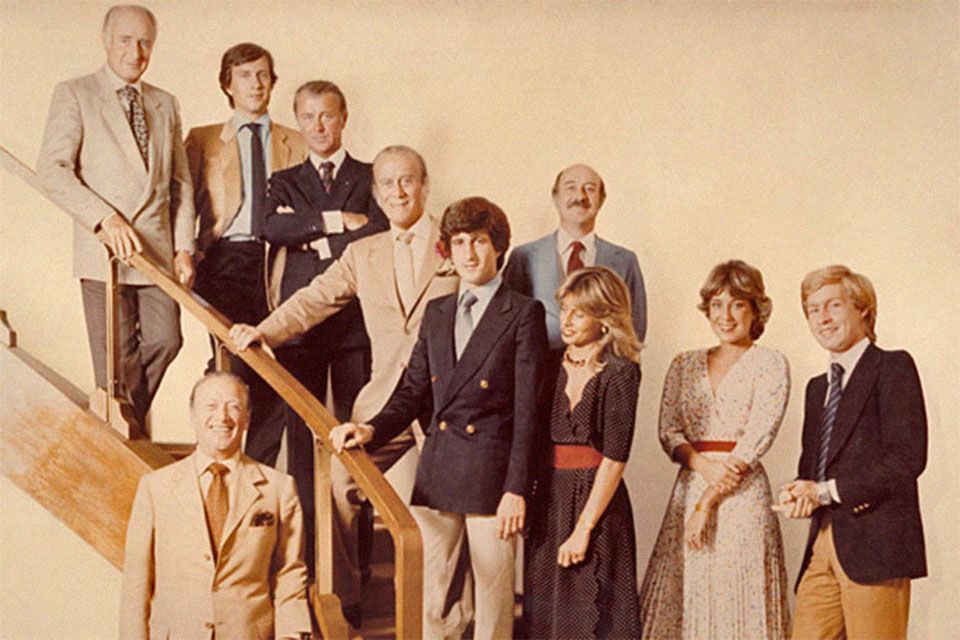
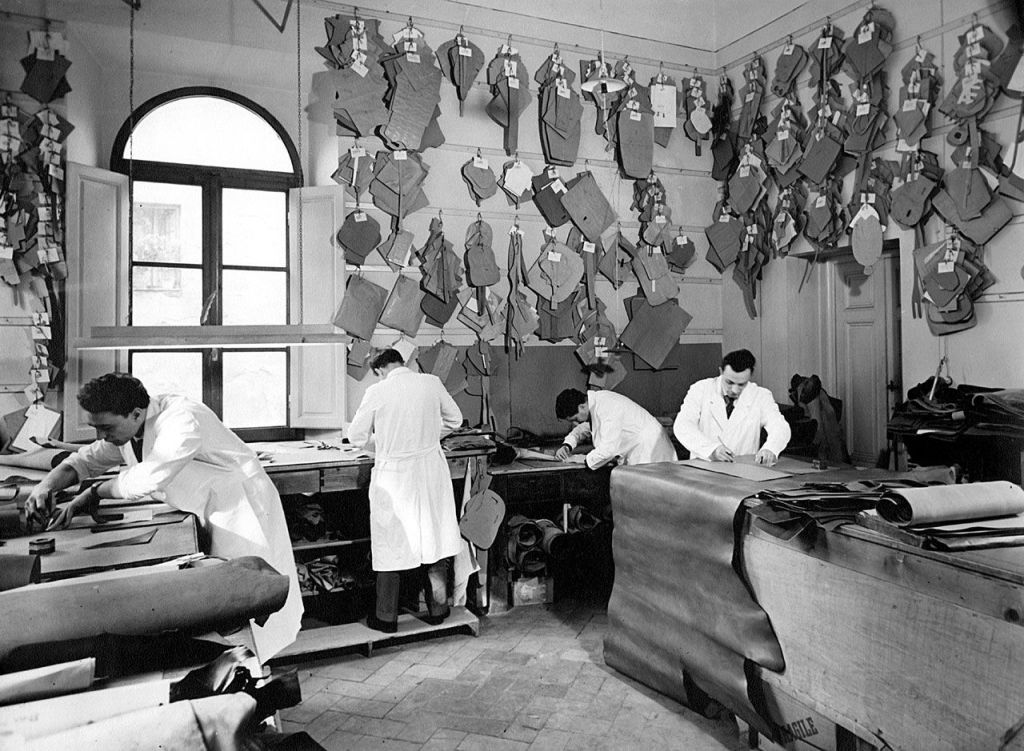
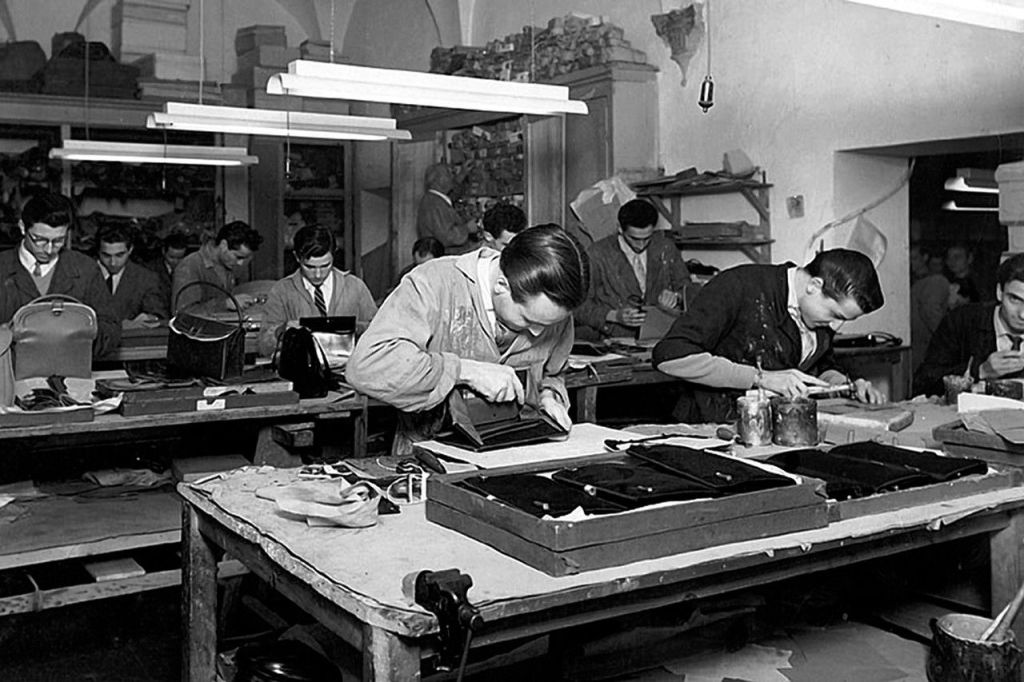

Family Fractures: The Gucci Dynasty’s Turbulent Journey
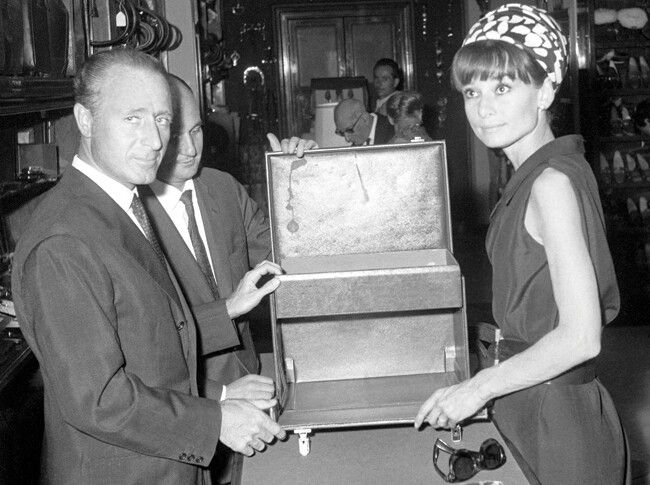
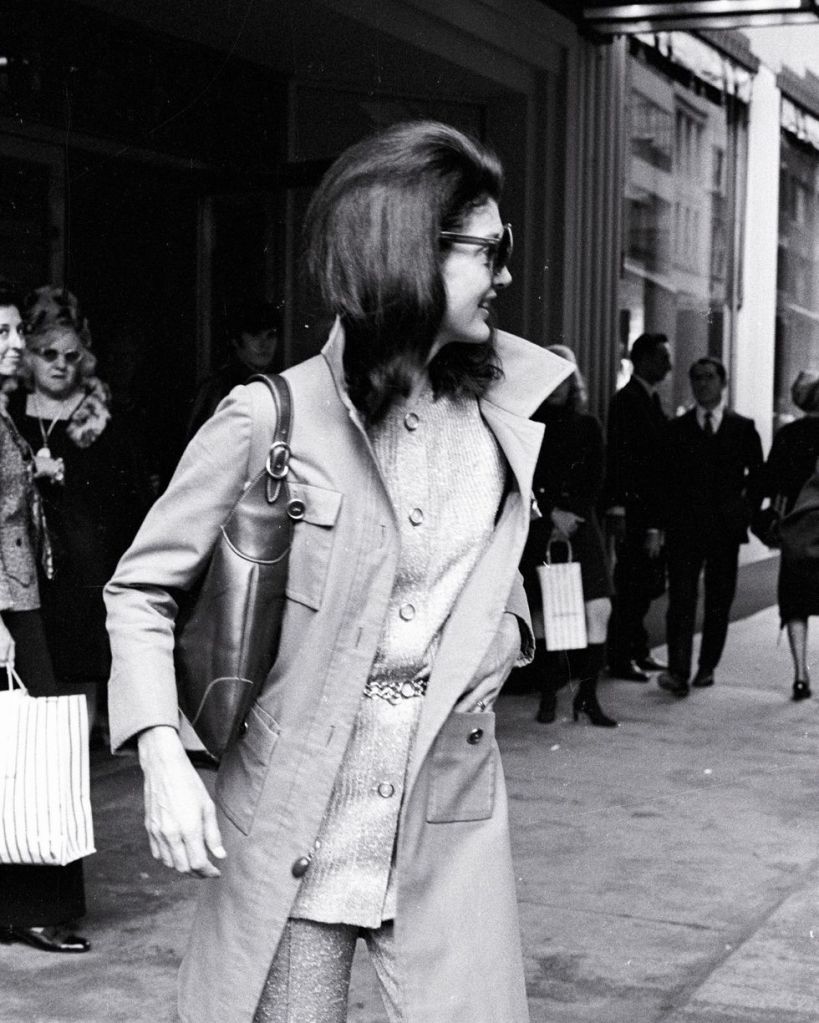
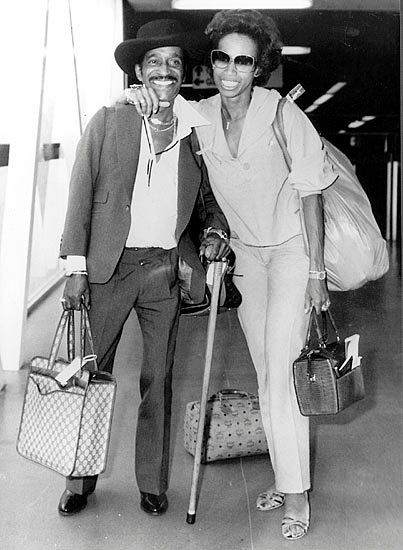
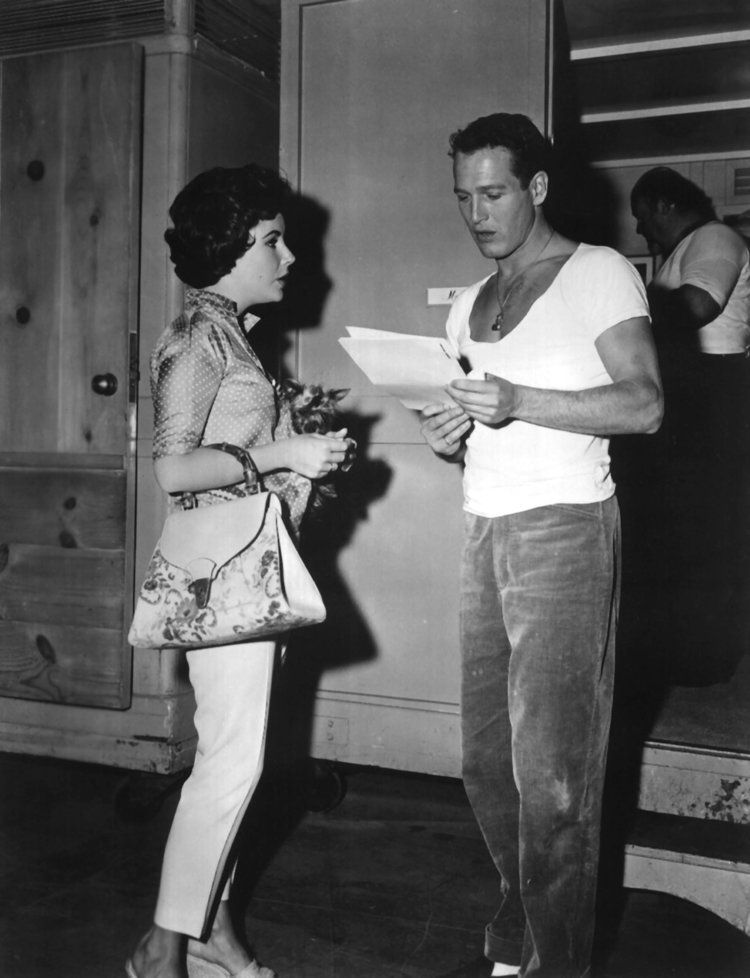


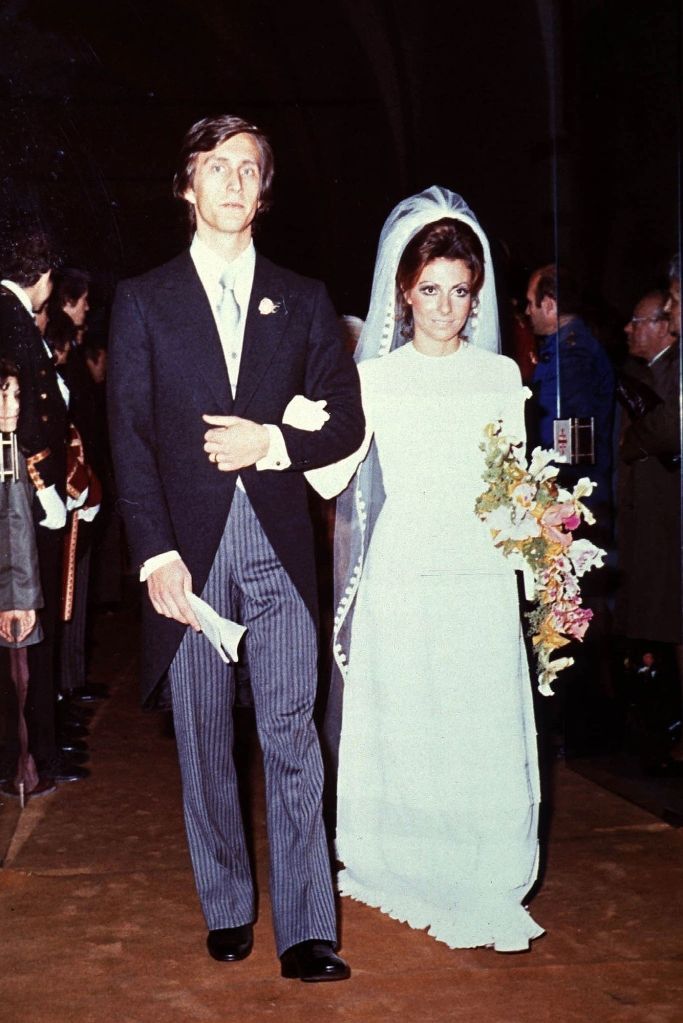
In the early 1980s, Aldo and Rodolfo propelled the brand into international stardom, achieving a turnover of 200 billion lire. However, Rodolfo’s demise in 1983 disrupted the family’s equilibrium, plunging them into turmoil. Maurizio Gucci, Rodolfo’s heir, inherited half of the empire, prompting a power shift that fueled familial tensions. Having amassed wealth working alongside his uncle Aldo in New York, Maurizio viewed his relatives as hindrances to his ambitions. His opulent lifestyle, marked by properties in San Babila, villas in St. Moritz, and a lavish 66-meter schooner named Crèole, epitomized his affluence. Despite paternal disapproval, Maurizio wed Patrizia in October 1972, forging a partnership within the European jet-set.Rodolfo’s attempts to exclude Maurizio from the family business were thwarted by Patrizia, who advocated for reconciliation during the birth of their first daughter, Alessandra, asserting, “You are a Gucci, and our children must be Guccis.” However, their twelve-year marriage unraveled, reaching a crescendo in May 1985 when Maurizio vanished during a purported business trip, leaving Patrizia alone. This rupture planted the seeds of discord that ultimately culminated in Maurizio’s tragic murder a decade later.
Power Play: The Gucci Family’s Turbulent Battle


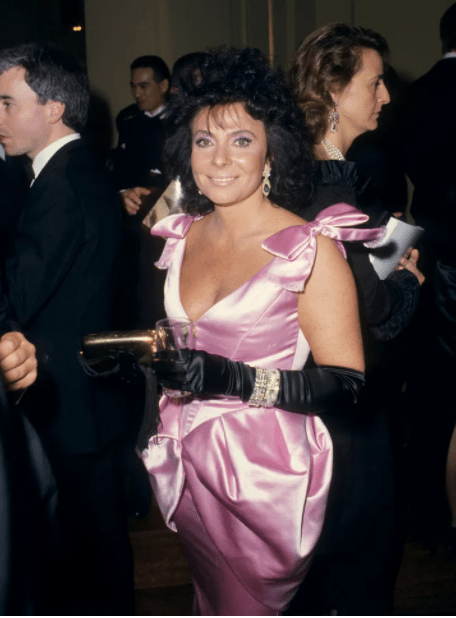
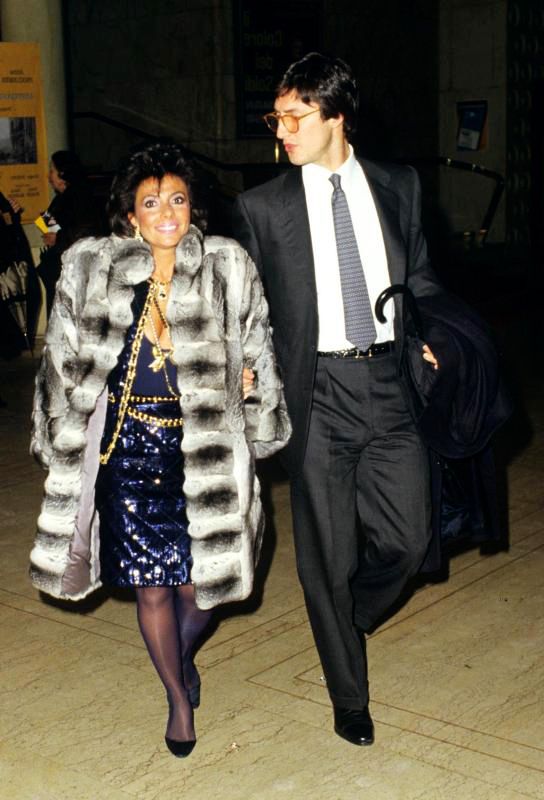
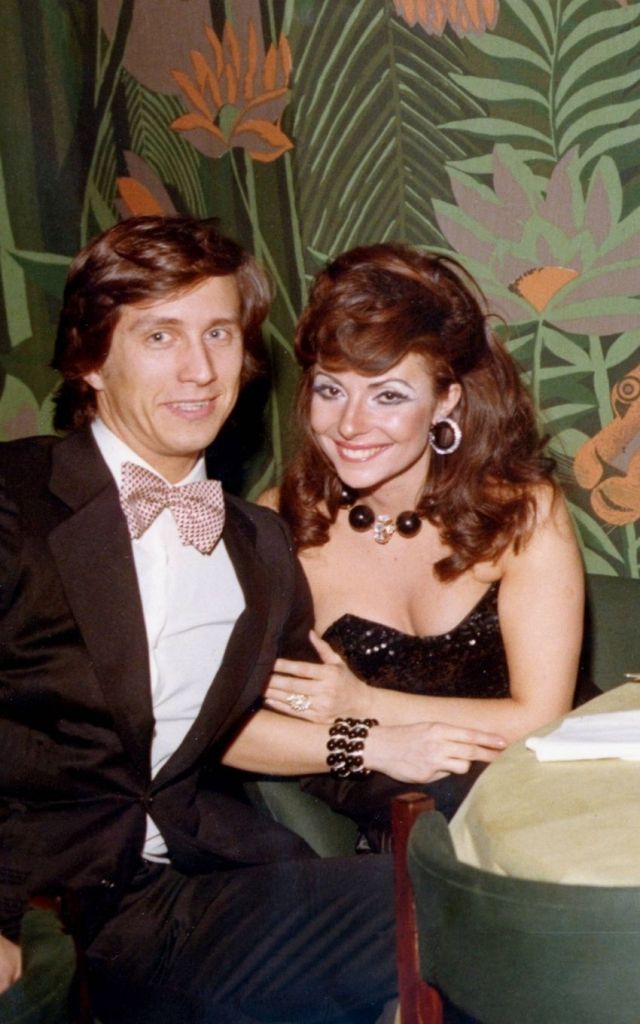



Maurizio now held a 50% stake in Gucci, while Aldo retained 40%, with the remaining 3.33% divided among each of Aldo’s three children. Maurizio’s vision for the brand was clear: modernize management, streamline the extensive product catalog of 22,000 items, and rationalize the retail network from 2,000 to 1,250 stores. These measures aimed to restore Gucci’s tarnished reputation, marred by excessive licensing and franchising in the 1980s, which diluted its exclusivity.Years later, Dawn Mello, Gucci’s creative director from 1989 to 1994, lamented to The New York Times, “By 1989, no one would dream of wearing Gucci.” Achieving Maurizio’s goals necessitated the family’s retreat from the business. The first move was ousting his uncle Aldo, the brand’s president and the linchpin of the family’s empire. Maurizio forged an alliance with his cousin Paolo, Aldo’s son, who, along with his brothers Roberto and Giorgio, held a combined 3.3% stake in the company—a seemingly insignificant but strategically crucial share, especially given the strained relations between Paolo and his father.
Maurizio persuaded Paolo to support his bid to oust Aldo from the presidency, promising him the creative autonomy he craved in exchange. However, Maurizio reneged on this promise, failing to grant Paolo the anticipated independence and instead consolidating power for himself. Shortly after securing the presidency, Maurizio swiftly dismantled Aldo’s legacy, beginning with the Gucci Gallery—a revered museum-boutique established in 1977, showcasing artworks by Modigliani and De Chirico alongside luxury goods.The abrupt removal of Aldo from his position and the subsequent public humiliation marked a turning point in the family’s dynamics. Adding insult to injury, Paolo betrayed his own father, accusing him of a $7.4 million tax evasion scheme. This betrayal led to Aldo’s imprisonment for a year and a day, exacerbating the rift within the Gucci family.
A fierce legal battle ensued as Maurizio failed to uphold his commitments to his cousin Paolo, who then aligned with his father, Aldo. Allegations surfaced that Maurizio had forged his father Rodolfo’s signature to sell company shares and evade mounting debts accrued from extravagant spending. An article in La Repubblica from 1987 outlined the accusations, stating that Maurizio sought to avoid hefty inheritance taxes by falsifying documents, a move allegedly orchestrated just days after Rodolfo’s passing in 1983.Maurizio’s response was swift—he fled to Switzerland, where extradition for financial crimes was unlikely. Meanwhile, in Milan, Maurizio’s ex-wife, Patrizia Reggiani, openly expressed disdain for him as news of his fraud allegations spread. Reggiani publicly denounced Maurizio, asserting his guilt and advocating for his imprisonment.Consequently, Maurizio lost control of Gucci in Italy, with his shares seized, although he retained the presidency of Gucci America. However, the internal strife within the family intensified, with the next objective being to wrest control of the company from familial hands.
 curlycurlworld: Get Twisted with CurlyCurl: The Latest in Curls, Coils, and Confidence!