

*Historical Authenticity vs. Modern Aesthetics: Unraveling the ‘iPhone Face’ Enigma
*Exploring the Impact on Audience Perception and Filmmaking Choices
The phenomenon of actors appearing out of place in historical films, often referred to as “iPhone face” or “smartphone face,” has become increasingly common in contemporary cinema. This term emerged in 2019 when a Twitter user criticized Timothée Chalamet and Lily Rose-Depp’s casting in The King, attributing it to their faces seeming too modern for a medieval setting. Subsequently, this label has been applied to various actors, such as Dakota Johnson in Emma, Florence Pugh in Little Women, Millie Bobby Brown in Enola Holmes and Damsel, Nicole Kidman in The Northman, Matt Damon in The Last Duel, and the entire cast of Rings of Power.
The discussion on “too modern faces” resurfaced with the success of the indie comedy The Holdovers, highlighting the contrasting appeal of its cast, particularly Dominic Sessa, praised by Paul Giamatti for resembling someone from 1972. The BAFTA-awarded ensemble is seen as an antidote to the prevalent issue of modern-looking actors in historical roles. The challenge lies in understanding the origins of the perception that a face in cinema can be deemed “too modern,” a subjective judgment influenced by facial features, expressions, and the overall aesthetic alignment with historical settings.
The intriguing question of what makes an actor’s appearance seem too modern for a historical film has sparked discussions on platforms like Reddit and Quora. Users widely agree that the issue often lies in cosmetic details, including overly thin eyebrows, sophisticated or poorly concealed makeup, hairstyles that deviate significantly from historical norms, perfectly whitened teeth, anachronistic hair dyes, and visible signs of fillers and plastic surgery. Even factors such as excessive cleanliness, height, and physical build can impact the perceived authenticity of an actor in a historical role.
Recent shifts in casting conventions, as exemplified by actors like Jacob Elordi, who defied the expectation of average height for film casts, underscore the challenges in achieving historical accuracy. Elordi’s portrayal of Elvis in a film required significant set adjustments due to his height difference. The term “iPhone face” transforms into “Instagram face” in Elordi’s case, emphasizing the concept of resembling an Instagram influencer with a generic aesthetic. This concept echoes a 2019 debate about the increasing similarity among “professionally beautiful” Instagram personalities. As noted in a 2013 article in The Daily News, advancements like teeth whitening, plastic surgery, body piercings, weight training, and yoga pose challenges in finding period performers, exacerbated by the unforgiving nature of high-definition video and the discerning eye of visually savvy audiences, contributing to a sense of historical dissonance.
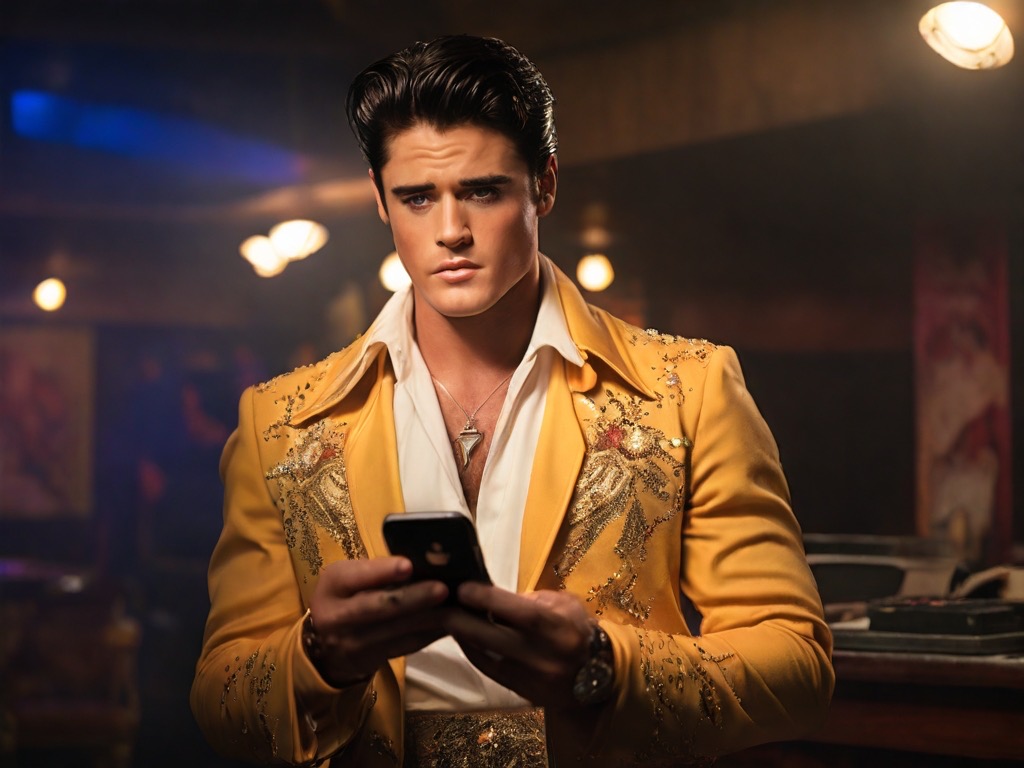

The issue at hand reveals a notable disparity between the industry’s emphasis on attractiveness, driven by actors’ extensive presence on social media, and the audience’s demand for realism, influenced by the ubiquity of idealized features in their online feeds. The crux of the matter lies in the delicate balance between makeup and hairstyling, and the artistic courage to risk presenting a realistic, albeit potentially disconcerting, portrayal. The bygone era of “character actors,” individuals with distinctive physiognomies meant to counterbalance the perfect looks of protagonists, has all but disappeared in today’s cinema landscape.
Many instances of “inaccurate” films, particularly those mentioned earlier, align with the historical-teen trend seen in series like Reign, The White Queen, and Dickinson. Here, a combination of budget allocation, a desire to capitalize on the physical beauty of protagonists, and at times, production negligence, results in the portrayal of historical settings akin to modern prom costumes. The modernity of protagonists’ appearances may also serve the “digestibility” of the product by the audience. The burning question emerges: do viewers truly wish to witness a historically accurate yet dirty and toothless Timothée Chalamet in a medieval film, or would they rather compromise historical fidelity for aesthetic appeal? This dilemma raises essential considerations about the balance between historical accuracy and visual allure, acknowledging that even our daily selfies may reflect an “iPhone face” – a product of modern sensibilities.
 curlycurlworld: Get Twisted with CurlyCurl: The Latest in Curls, Coils, and Confidence!
One thought on “Is the ‘iPhone Face’ Phenomenon Changing the Face of Historical Cinema?”