
Exploring the Tokyo Toilet Project’s Cinematic Legacy and Urban Innovation
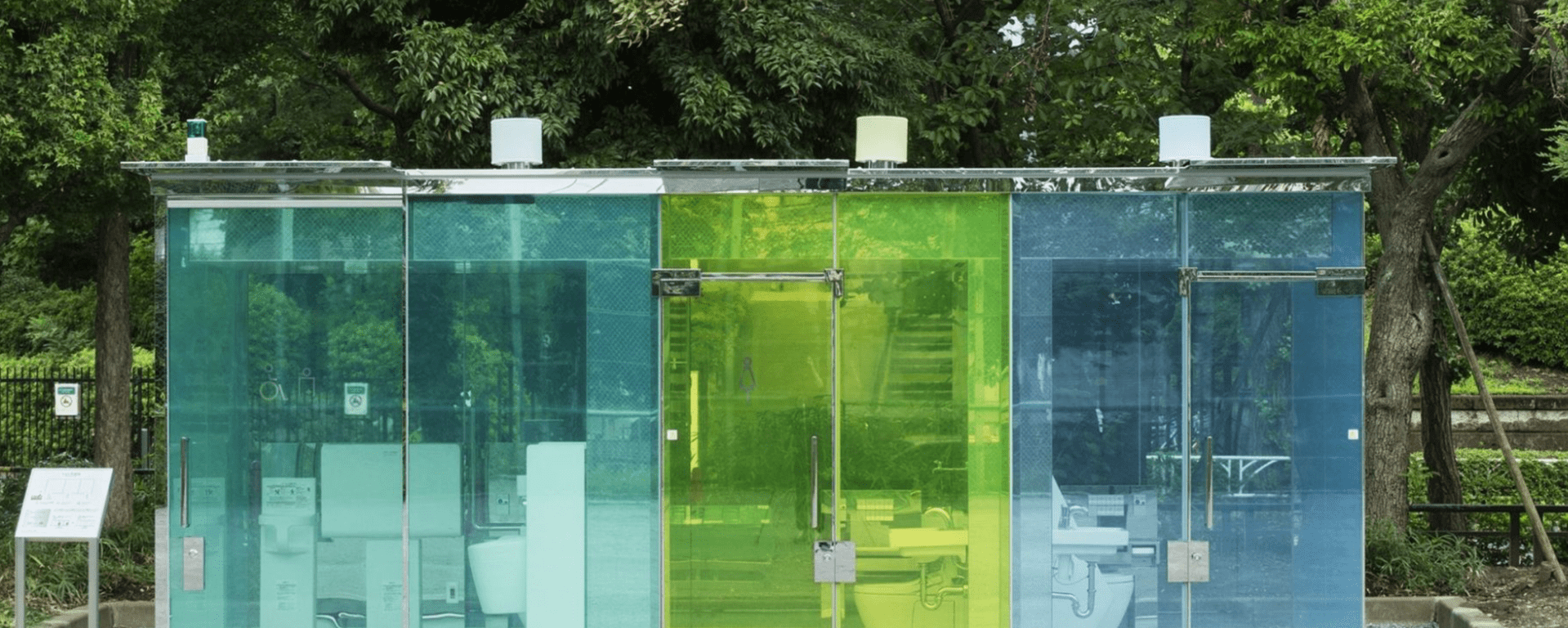
In a captivating scene from “Perfect Days,” Wim Wenders’ latest film gracing theaters this January, an intriguing encounter unfolds around the innovative Tokyo Toilet Project. Against the backdrop of the Shibuya district, renowned Japanese architect Ban Shigeru’s creation takes center stage – public restrooms with walls of colored, transparent glass, turning opaque upon locking.
The narrative weaves through the foreign protagonist’s attempt to decipher this architectural marvel, seeking guidance from a janitor. The essence of the Tokyo Toilet Project lies in its transparency – a visual cue indicating occupancy and cleanliness. These public amenities, scattered conveniently across Tokyo, reflect the city’s commitment to hygiene and accessibility, particularly evident in every subway station.
The film’s allure, earning accolades from critics and audiences alike, is intricately linked to these unique toilets. Originally conceived as a documentary commissioned by the Tokyo Toilet Project, Wim Wenders’ cinematic vision transformed what was to be a factual account into the fictional brilliance of “Perfect Days,” now vying for recognition in the Oscar shortlist for Best Foreign Film. The toilets themselves, with their refined and unconventional architectural style, play a pivotal role in the film’s narrative, contributing to its widespread acclaim.
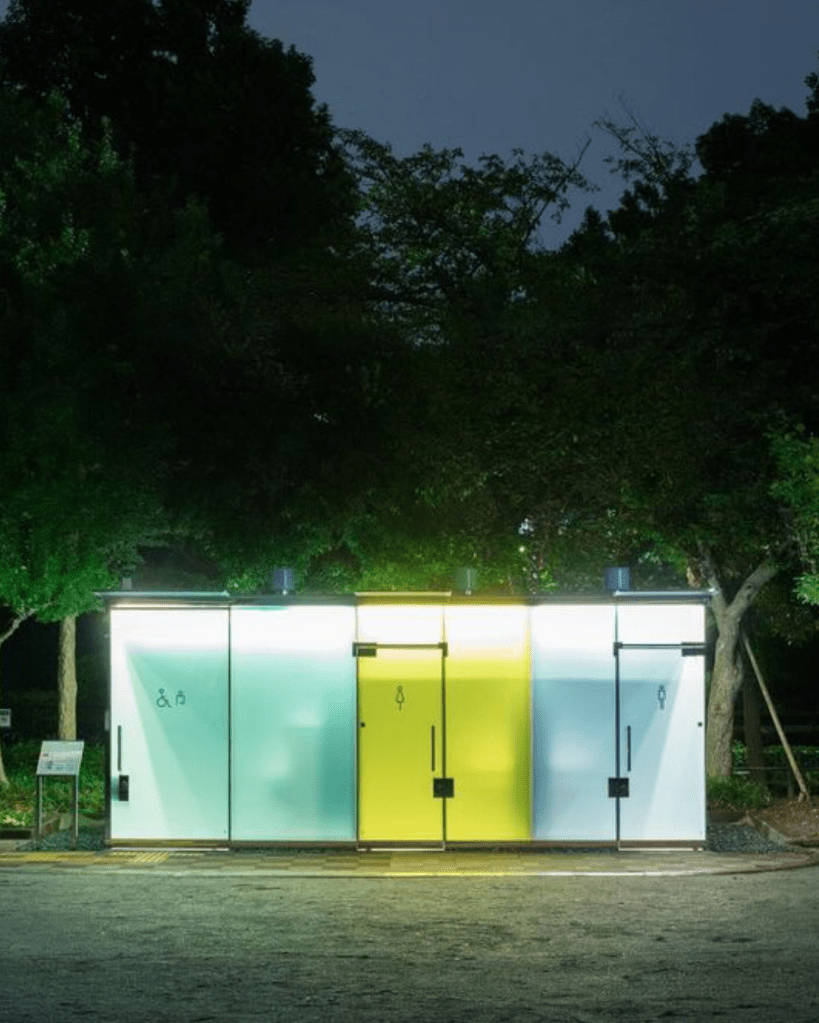


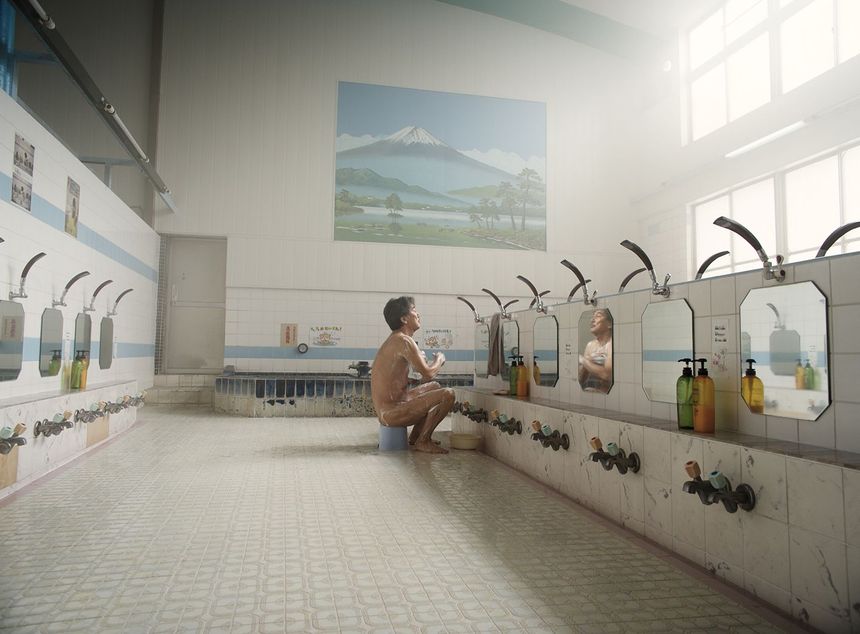

Cinematic Elegance: Perfect Days Unveiling Tokyo’s Cultural Tapestry at the Oscars
In the anticipated lineup for the 2024 Academy Awards, “Perfect Days” stands shoulder to shoulder with international gems like “Leaves in the Wind,” “The Zone of Interest,” and “I, Captain.” As Japan’s hopeful contender for the Best International Feature Film category, the film promises to captivate audiences with its portrayal of the quiet yet profound existence of a Tokyo Toilet Project janitor.
Set against the backdrop of the Japanese capital, Wim Wenders‘ creation unfolds the daily tapestry of life through the lens of a tender-hearted custodian. Koji Yakusho, the film’s lead, adds an extra layer of authenticity, having earned the Best Actor award at the Cannes Film Festival after immersing himself in the world of Tokyo Toilet Project janitors for days.
Wenders, known for his keen insights into culture and human connection, chose fiction over documentary to capture the essence of these unique bathrooms. According to him, the Tokyo Toilet Project’s restrooms not only boast “absolute architectural beauty” but also encapsulate vital aspects of Japanese culture, embodying a profound sense of “service” and “common good.” The film serves as a testament to the director’s admiration for Japan, rooted in his earlier work, including a documentary on designer Yohji Yamamoto in the late 1980s titled “Travel Notes on Fashion and City.” As the Oscars approach, “Perfect Days” emerges as a cinematic ode to cultural nuances and everyday beauty.
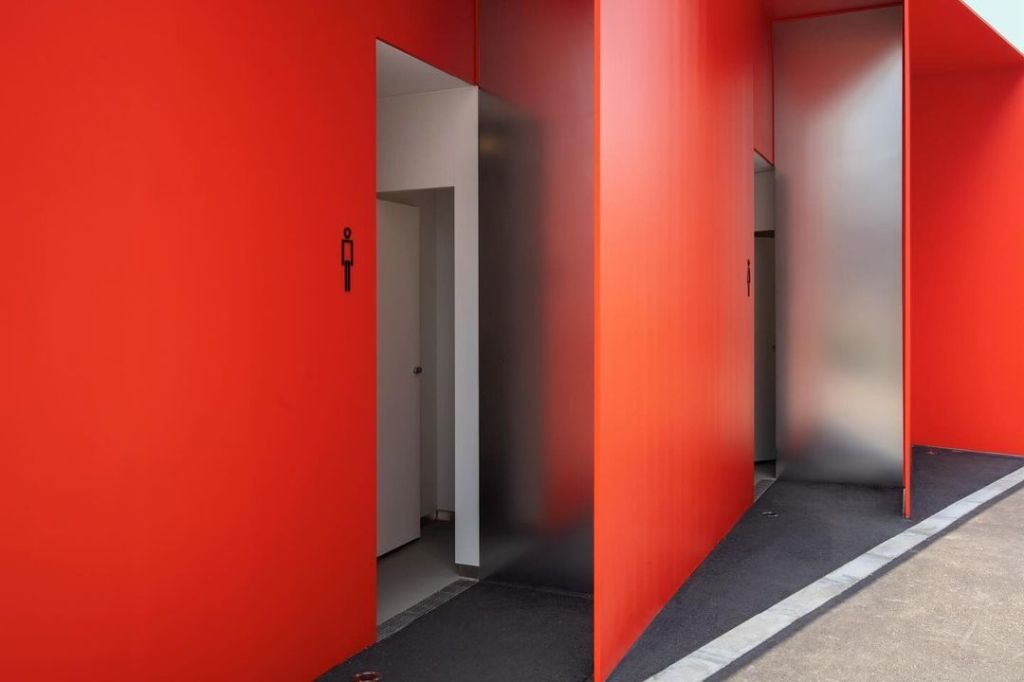
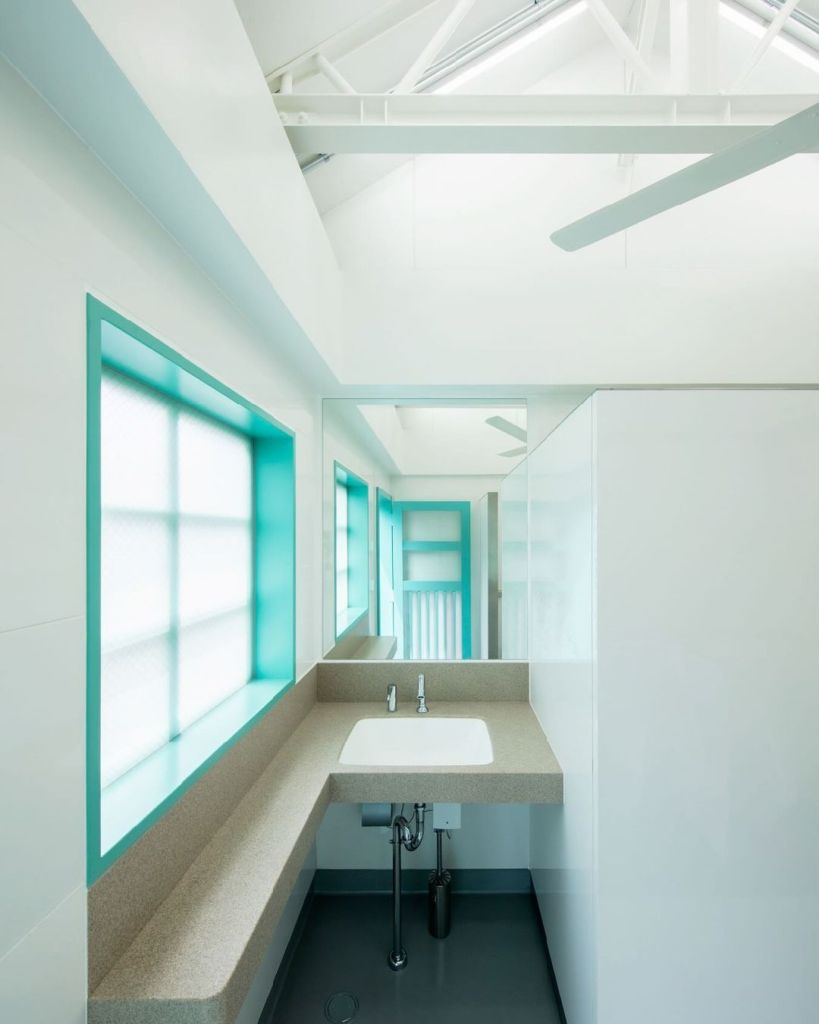
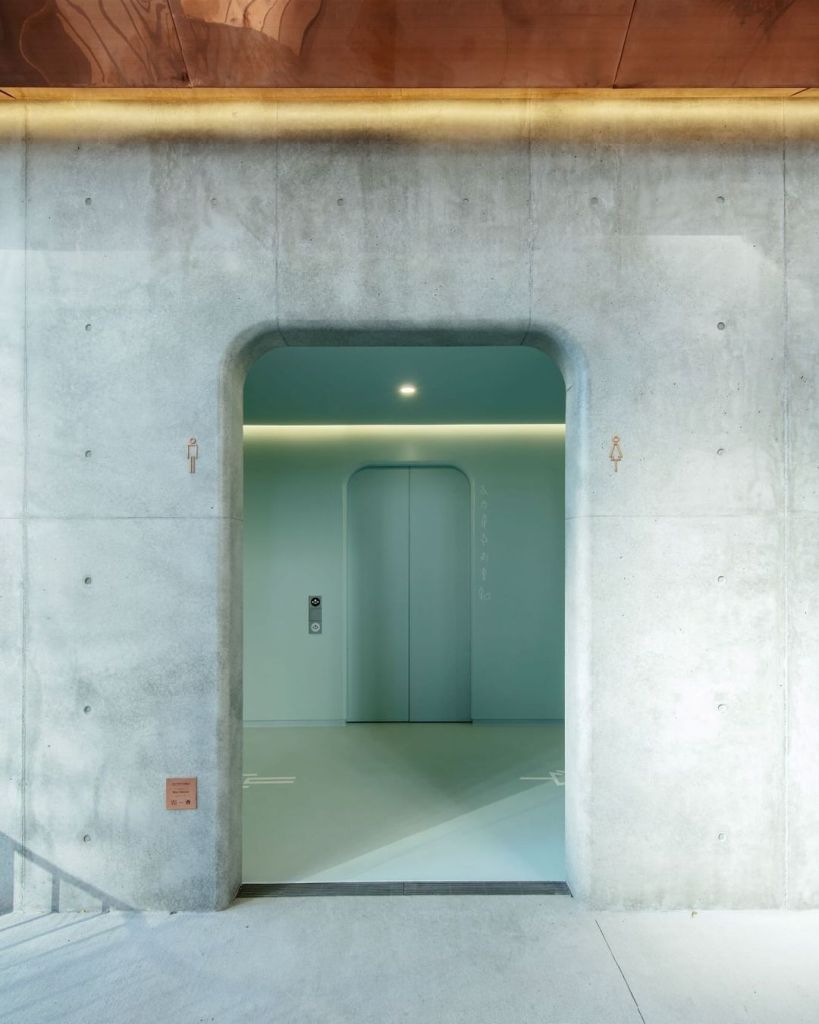
The Tokyo Toilet Project, initiated in 2018, sought to transform public perceptions of city toilets by promoting their use and dispelling the notion that they are unclean or unsafe spaces. Conceived by Koji Yanai, president of Fast Retailing, the parent company of Uniqlo – a brand that played a pivotal role in the production of “Perfect Days” – the project garnered support from a prominent Japanese charity foundation. Collaborating with renowned architects, the foundation tasked them with designing over 15 new public toilets in Shibuya.
Beyond mere accessibility, these structures were mandated to possess a profound aesthetic significance, intertwining functionality with visual appeal. The initiative’s dual purpose was not only to enhance public restroom facilities but also to challenge preconceived notions, fostering a cultural shift towards embracing and appreciating these essential urban amenities.
 curlycurlworld: Get Twisted with CurlyCurl: The Latest in Curls, Coils, and Confidence!