
“Exploring the Modern Avant-Garde with Priced Prestige”
In a fashion world typically abuzz with the grandeur of runway shows and the anticipation of trend-setting events, Phoebe Philo‘s latest revelation brought a refreshing departure from the ordinary. With her signature subtlety and understated elegance, the renowned designer’s press office made a quiet yet highly anticipated announcement to loyal subscribers of the brand’s newsletter: “phoebephilo.com is now open.” The digital doors swung wide, revealing a meticulously curated collection and an aesthetic that was quintessentially Philo.
The homepage of the website, a visual testament to Philo’s unique sensibilities, showcased a captivating blend of imposing visages, meticulous artistry, and an exploration of the interplay between nudity and voluminous silhouettes. As the visitor’s gaze roamed the digital landscape, the first to catch the eye were the mesmerizing models, with the unmistakable presence of Daria Werbowy, who had graced the brand’s initial teaser, leaving an indelible mark.
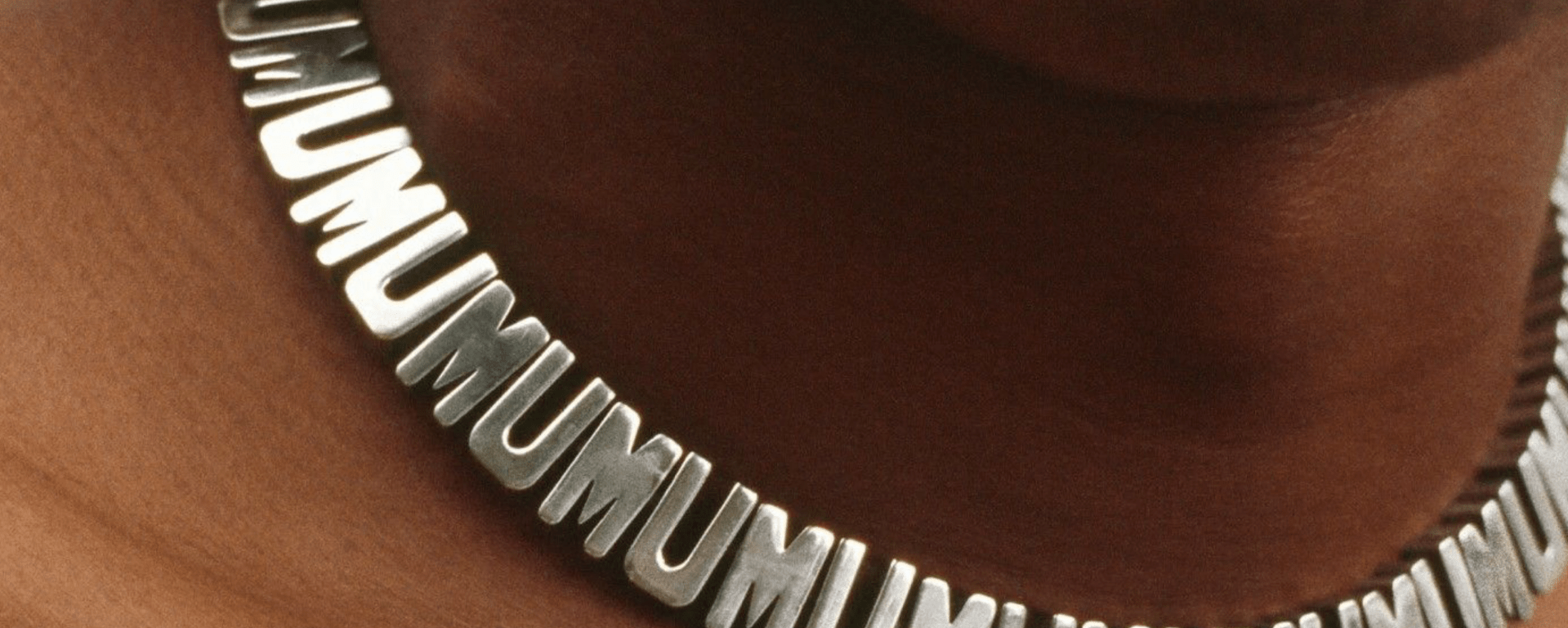
Among the highlights of this digital fashion exhibition was the coveted “MUM” necklace, a piece that vanished from the digital shelves within a mere few hours of its debut. The collection also paid homage to Philo’s Celine years, evoking the era when the brand’s name bore an accent and symbolized the perfect fusion of femininity and quirkiness. Iconic sheepskin wool coats and leather cut-out dresses transported loyalists back to that bygone era.
Yet, as the fashion aficionados and enthusiasts eagerly explored the online catalog, they were met with price tags that left many in awe. Philo’s dedication to uncompromising quality was evident in the cost of her creations, with pants commanding a princely sum of $2,400, dresses reaching an opulent $8,500, and jackets and sweaters ascending to the heights of $4,800. Even the most extravagant leather and shearling garments soared to an astonishing $25,000. Remarkably, the steep prices failed to deter a legion of Philo’s fervent fans.
In less than 24 hours after its digital debut, the website was adorned with a tapestry of crimson “sold-out” labels, a testament to the enduring allure of Philo’s avant-garde designs. Her return to the fashion stage, imbued with that unmistakable blend of modernity and the avant-garde, left no doubt that her unique vision remained as captivating and alluring as ever, even at a price that few could afford but many were willing to invest in.


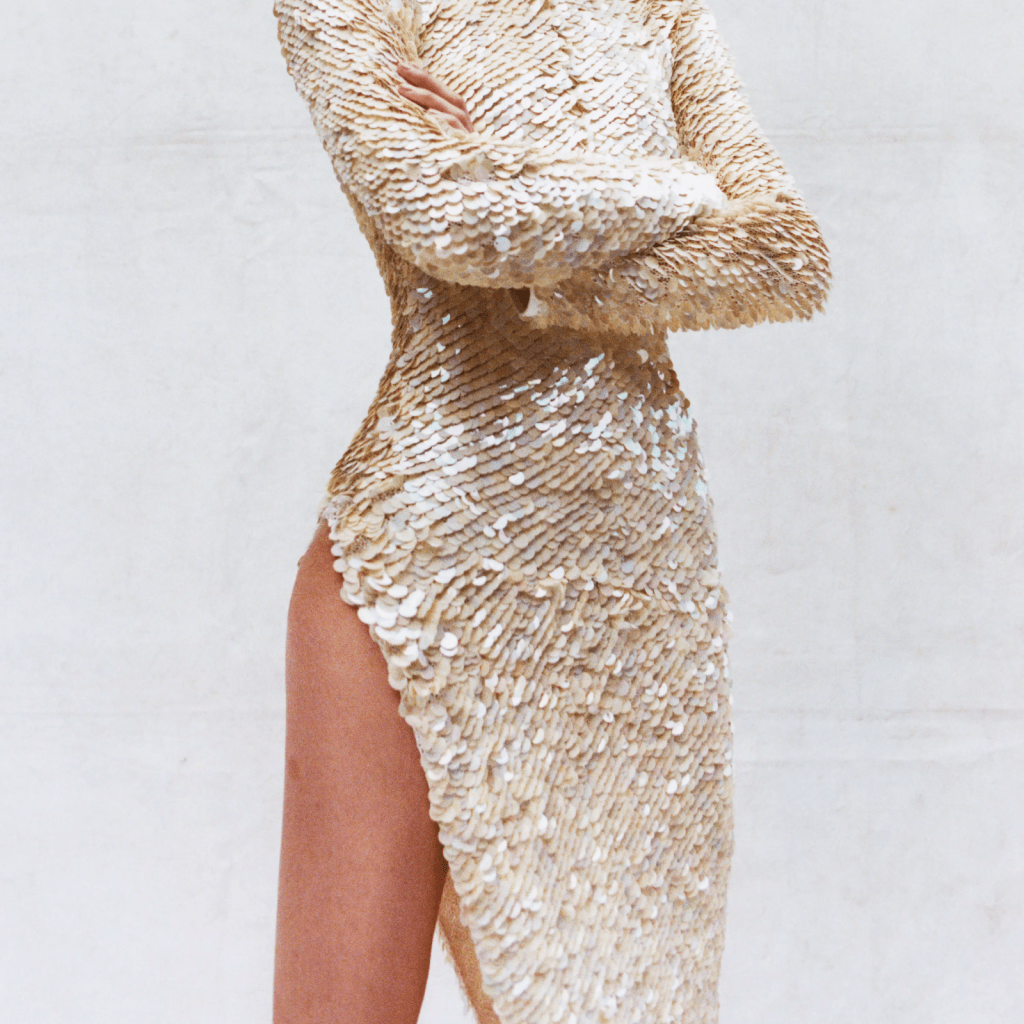
In an era where fashion brands often flood the market with excessive storytelling and elaborate narratives, Phoebe Philo’s approach stands out for its eloquent simplicity. On her website, the absence of verbose tales is conspicuous, with the collection images and a concise production statement providing the primary insight.
The site’s most striking revelation is encapsulated in a resounding commitment: “We are determined to create a fashion house that is socially and ecologically literate. We are committed to minimizing waste and avoiding overproduction by producing notably less than anticipated demand. We are committed to running a contained, well-managed supply chain.”
Philo’s model offers a fresh perspective in a fashion landscape where towering mega-boutiques are on the brink of becoming the standard, and brands incessantly scatter their products to the far reaches of the globe. It’s a model that appears to blend the ethos of an artisanal boutique, the buzz of Supreme’s limited drop strategy, and the age-old allure of “supply always falling short of demand,” an intrigue that has perennially gathered eager customers outside the hallowed doors of Hermès boutiques.
What Philo presents is a deliberate scarcity, a well-thought-out approach that could potentially serve as a roadmap to navigate the existential quandary faced by the fashion industry today: how to democratize luxury without diluting its essence. The unassailable truth remains that luxury, by its very definition, is exclusive and meant for the discerning few—a stark contrast to the relentless pursuit of quarterly growth by brands aspiring to cater to billions while maintaining a facade of exclusivity. It’s an intriguing conundrum that prompts us to reconsider the essence of true luxury in a world obsessed with mass consumption.
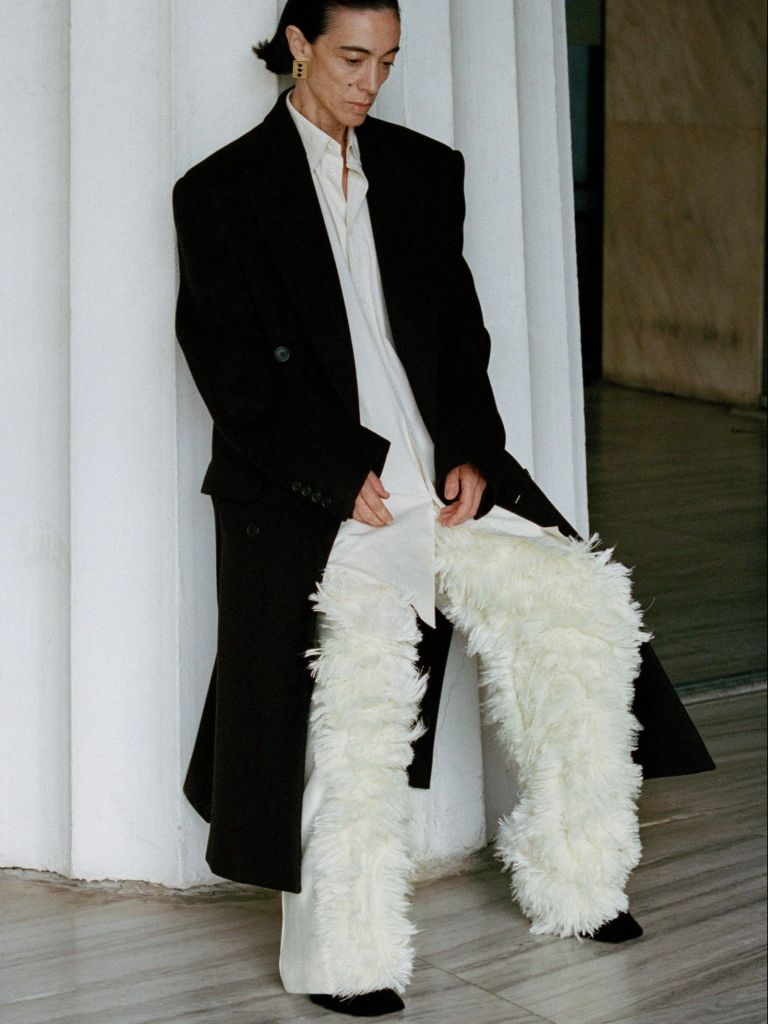
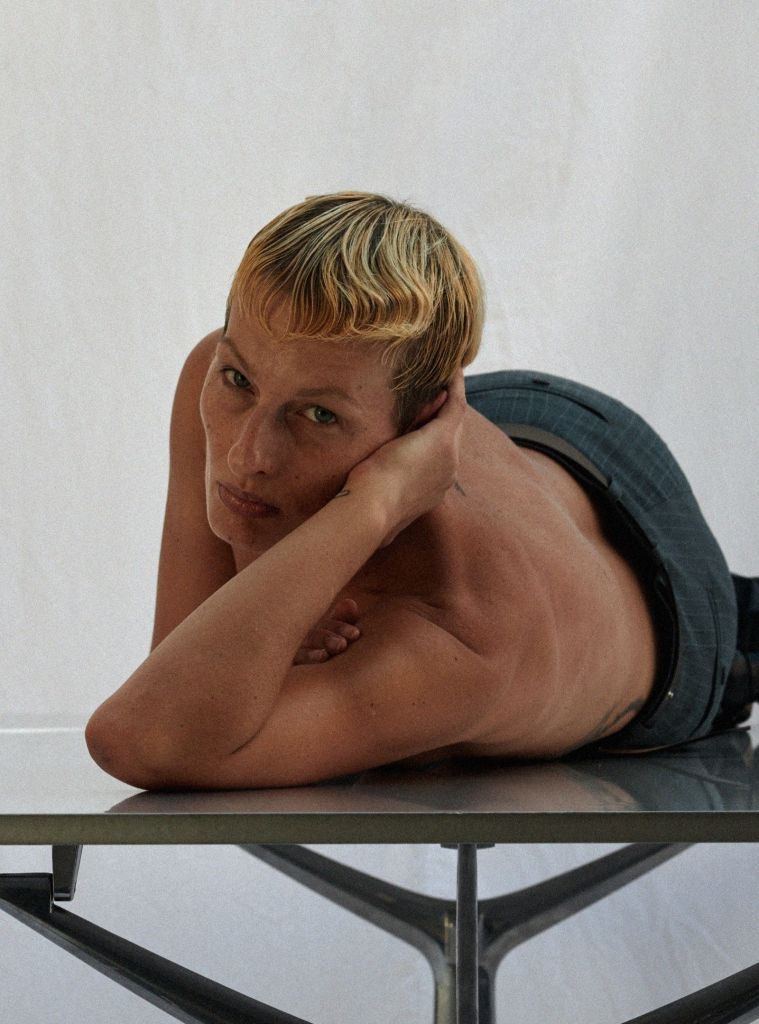
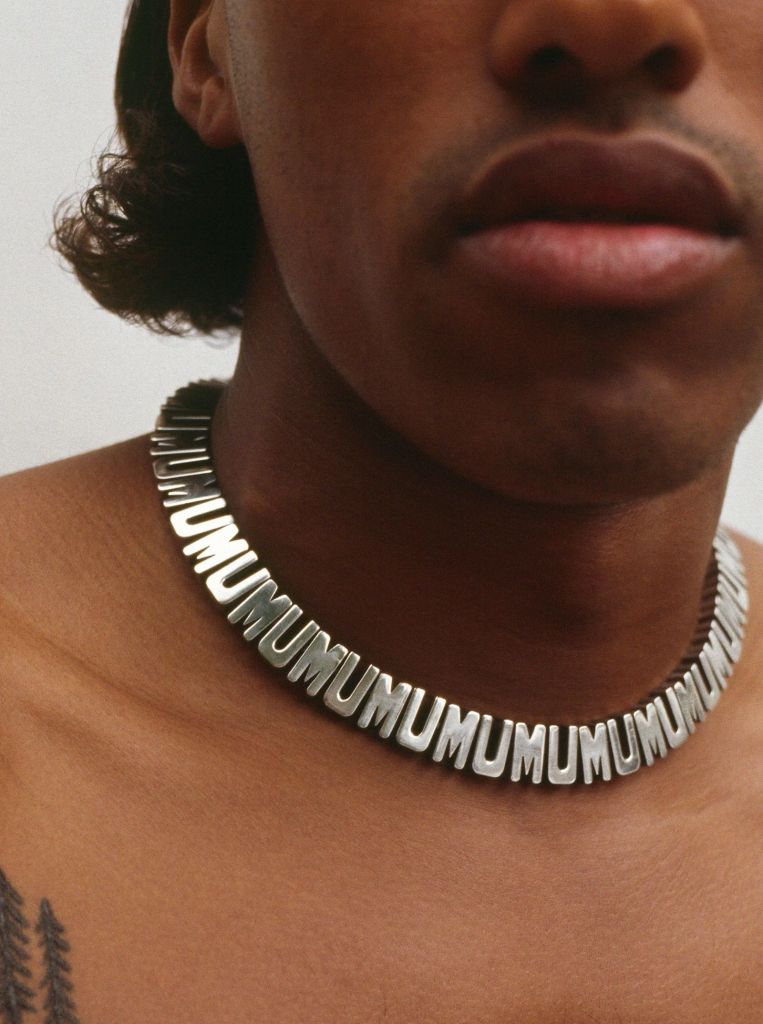

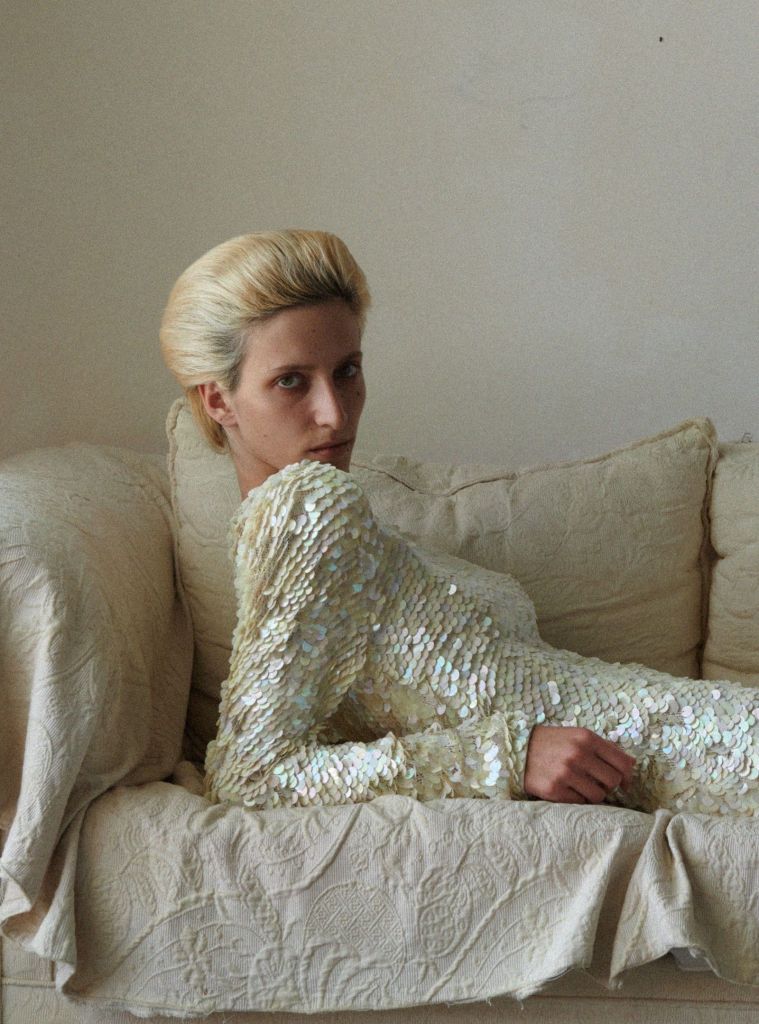
In a world where European brand boutiques sprawl across five continents, the notion of a small-scale, artisanal production seems like a charming relic of a bygone era. Phoebe Philo’s brand introduces a compelling concept – a deliberate embrace of a contained, modest operation. Here, the formula is simple: the lower the risk, the higher the demand, and subsequently, the fatter the profit margins. This enigmatic approach adopted by the nascent brand, coupled with its audaciously premium price tags, already seeks to ascend to the pinnacle of the fashion industry, creating an aura of exclusivity all on its own.
Of course, the true extent of production remains shrouded in mystery. Whether a mere handful or just a few units of the opulent €12,000-plus shearling double-breasted coat were crafted, the result is the same – a swift declaration of the “sold-out” status. Yet, even when the quantities are scant, the concept of a limited, expedited production process serves as an antidote, or at the very least, a pragmatic compromise. In a world where luxury has been overrun by commercialization, and the sense of authorship that once propelled it has been all but eroded, Philo’s approach offers a refreshing glimpse into a more restrained, yet enchanting, future for high-end fashion.
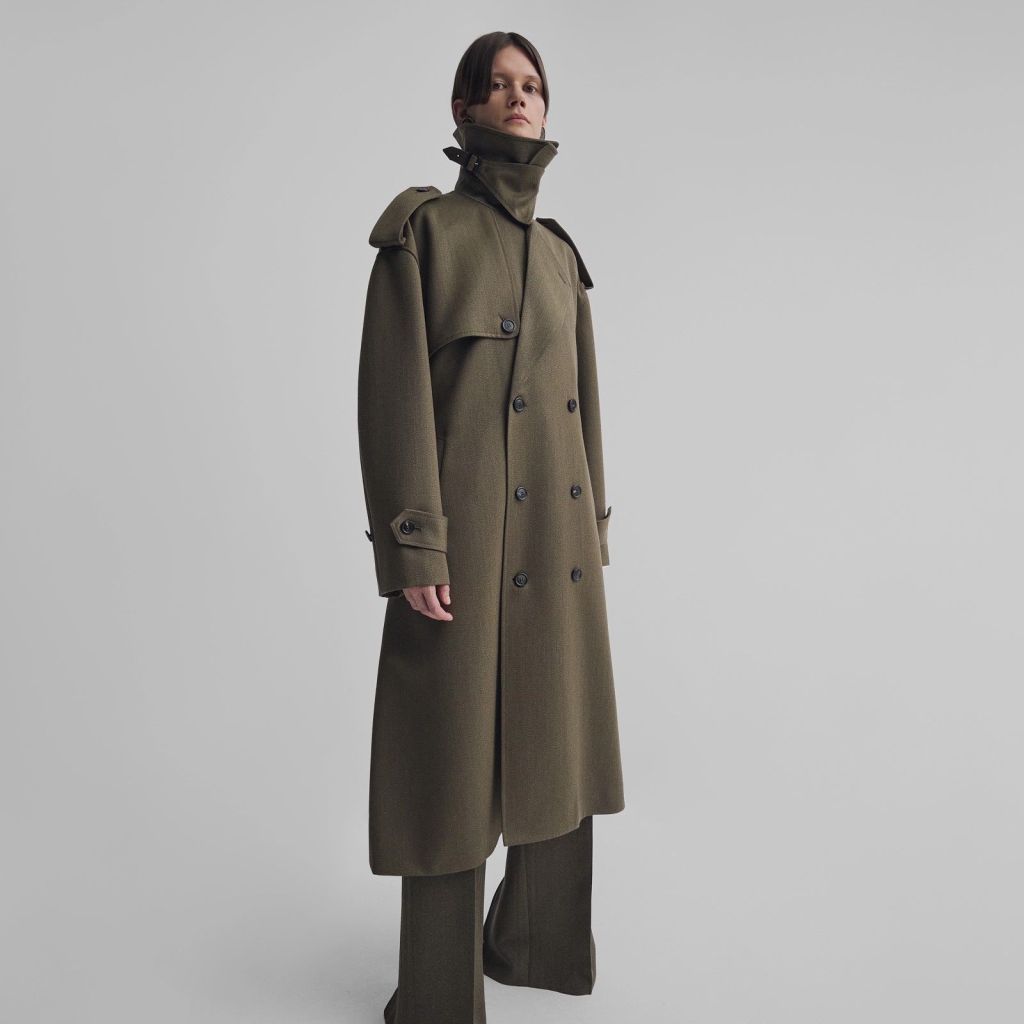
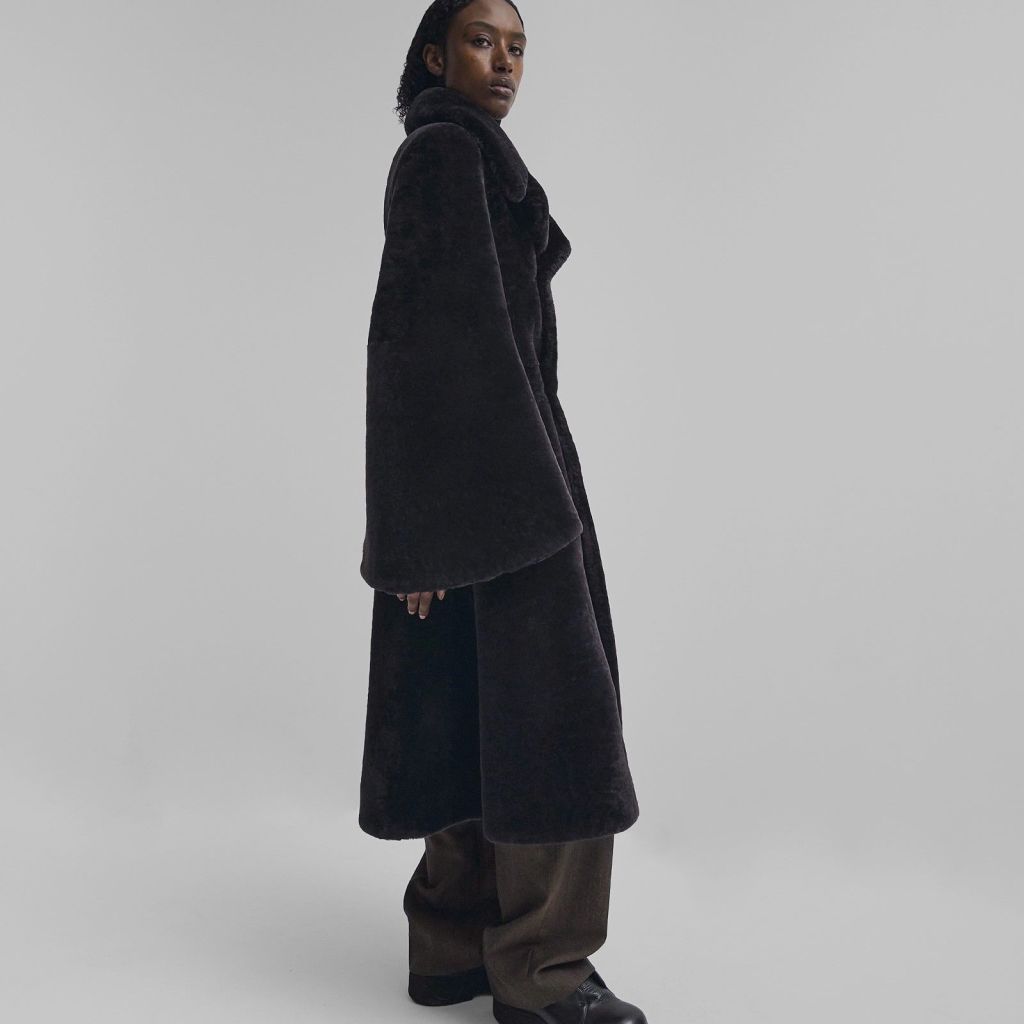
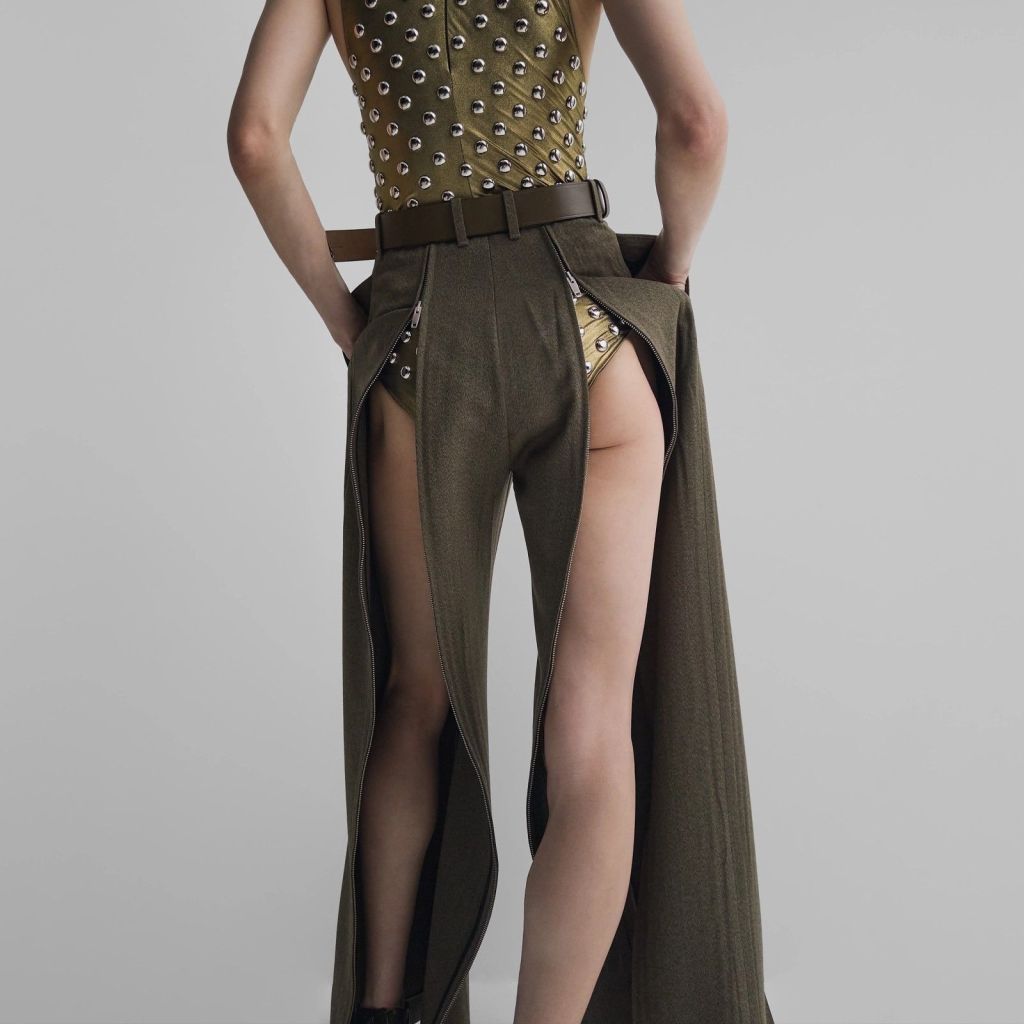


But what about the garments themselves? Are they truly deserving of their stratospheric price tags? Without the tactile experience of donning them, passing judgment remains an enigma until they grace the human form. Yet, from the tantalizing glimpses offered through photographs available to us and the broader press, they appear to embody an intellectual construction that transcends the norm. They seem to possess an ethereal complexity that even surpasses the intricacies of Bottega’s designs and ventures into a realm more futuristic than the iconic Hermès.
Consider the subtle yet profound redesign of the melange wool trench coat. The cuffs, conventionally visible on the outside of the sleeves, are ingeniously relocated to the inside. The detachable and unsown band that secures them serves as both a functional element and a decorative motif. Enveloping it with a matching scarf creates an avant-garde silhouette that exudes an otherworldly charm. Meanwhile, the silhouette and the various closures (comprising studs and zippers) of a leather blouson boast a curvilinear opulence that borders on decadence. It would feel martial if not for the belt that cascades forward, reminiscent of a belt without a loop.
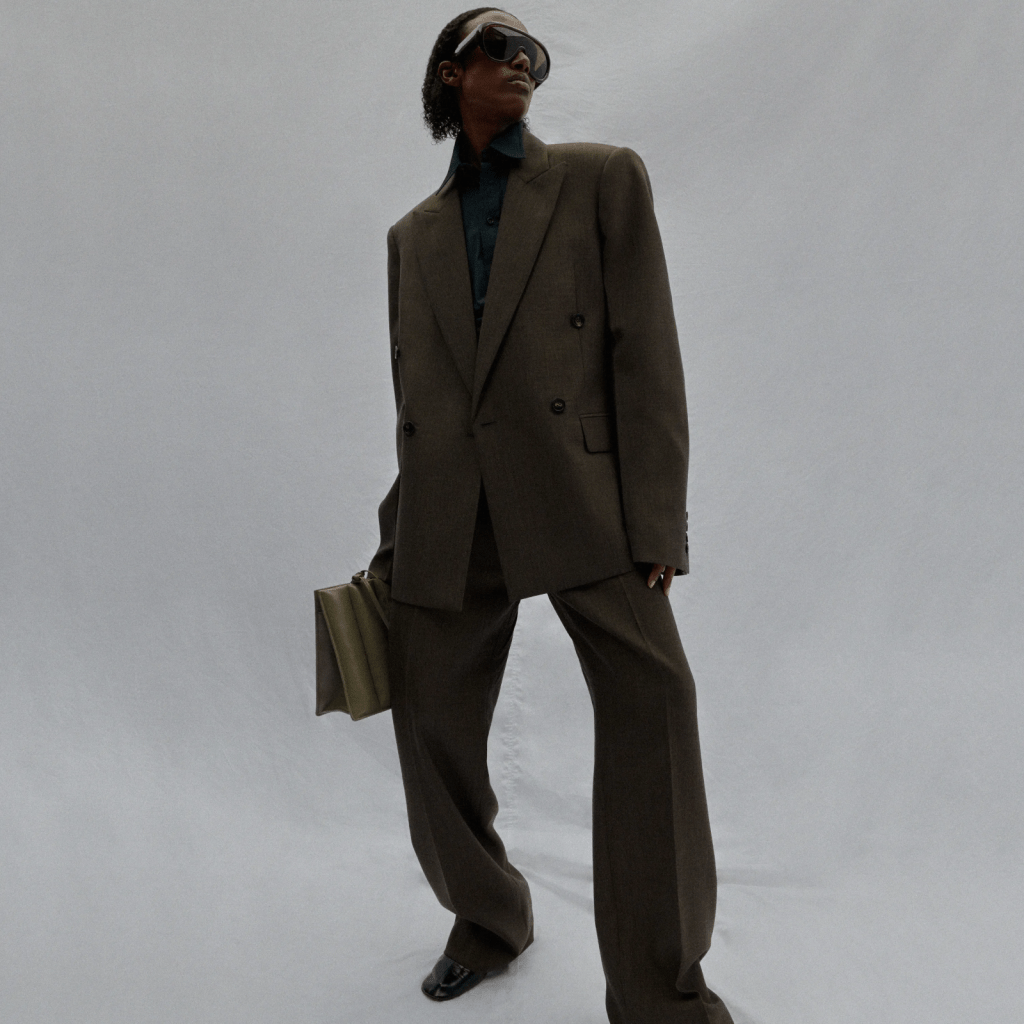
The brand seamlessly blurs gender boundaries, exemplified by a classically tailored double-breasted coat originally designed for women but meticulously crafted to embrace men’s measurements, evoking the delightful nonchalance when women don an oversized men’s coat. Every fold and crease is carefully considered, akin to the pleats in a pair of trousers, transforming the arm into a sharp-lined work of art.
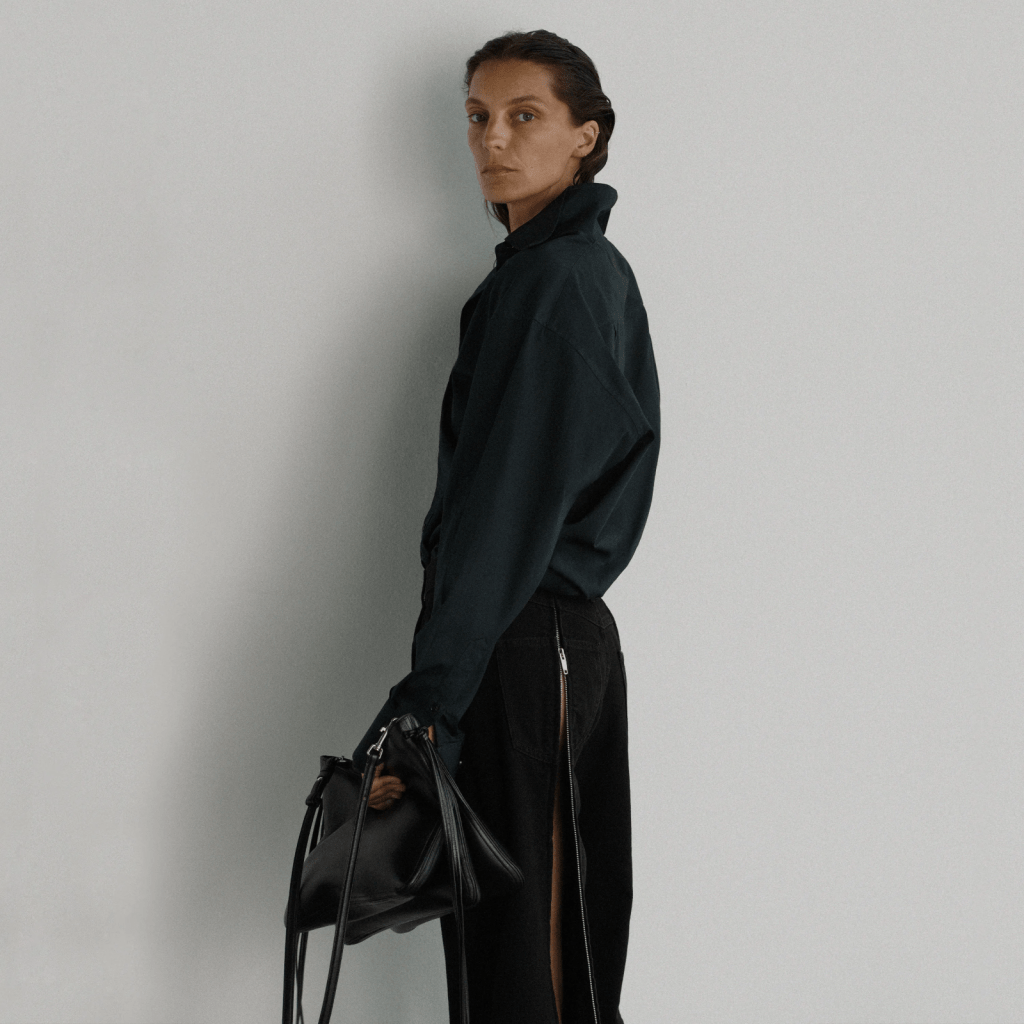
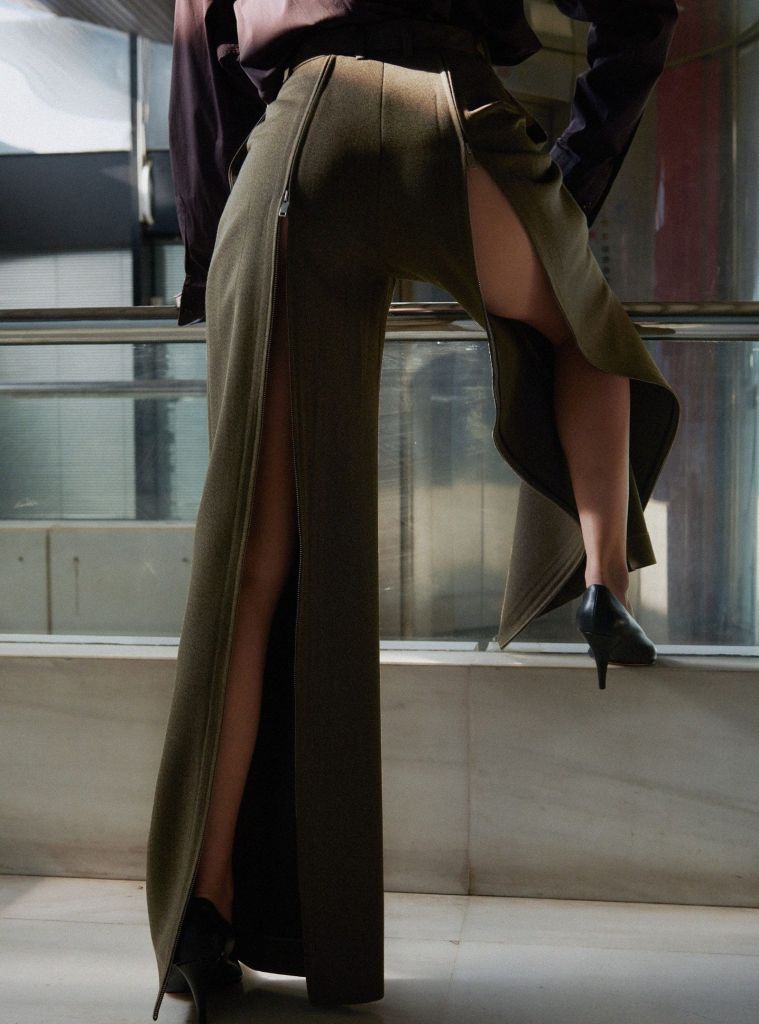
How can one not appreciate the sly sensuality of pants equipped with a zipper running along the back of the leg, unbuttoning their way up to the waist? While many may strive to emulate Philo today, her ingenious complexity remains an elusive trait.
Among the collection’s detractors, some argue that the prices are excessively high for a debut offering. Perhaps they overlook the wisdom that in the realm of fashion, it’s often prudent to shock the market with a high price, which, once a sense of allure is established, ultimately signifies a hallmark of unparalleled excellence. Then there are those who bemoan the brand’s apparent lack of storytelling. Little do they realize that numerous brand proclamations, brimming with self-praise and grandiose language, often serve as veils of promotional hyperbole. Philo’s silence, on the other hand, conveys an all-important message: the products will speak for themselves, for, at the heart of it all, we’re talking about clothing.
Critics also argue that the pieces appear overly basic. Yet, this perspective disregards the deliberate approach of presenting these garments in a manner that fosters a versatile and seamlessly interchangeable wardrobe, coexisting harmoniously with existing pieces in the discerning clientele’s closets. In essence, they serve as diverse articulations of the daily vocabulary for individuals akin to the enigmatic Shiv Roys.
The decision to sidestep diversification, opting for direct customer sales through a single channel with limited, swiftly exhausted inventory, embodies the very essence of exclusivity, rarity, and preciousness that luxury aspires to represent. Phoebe Philo isn’t for everyone, and that’s precisely the point. Her brand seeks to define luxury in its most authentic and unadulterated form, daring to be exclusive, and all the more desirable for it.
 curlycurlworld: Get Twisted with CurlyCurl: The Latest in Curls, Coils, and Confidence!