
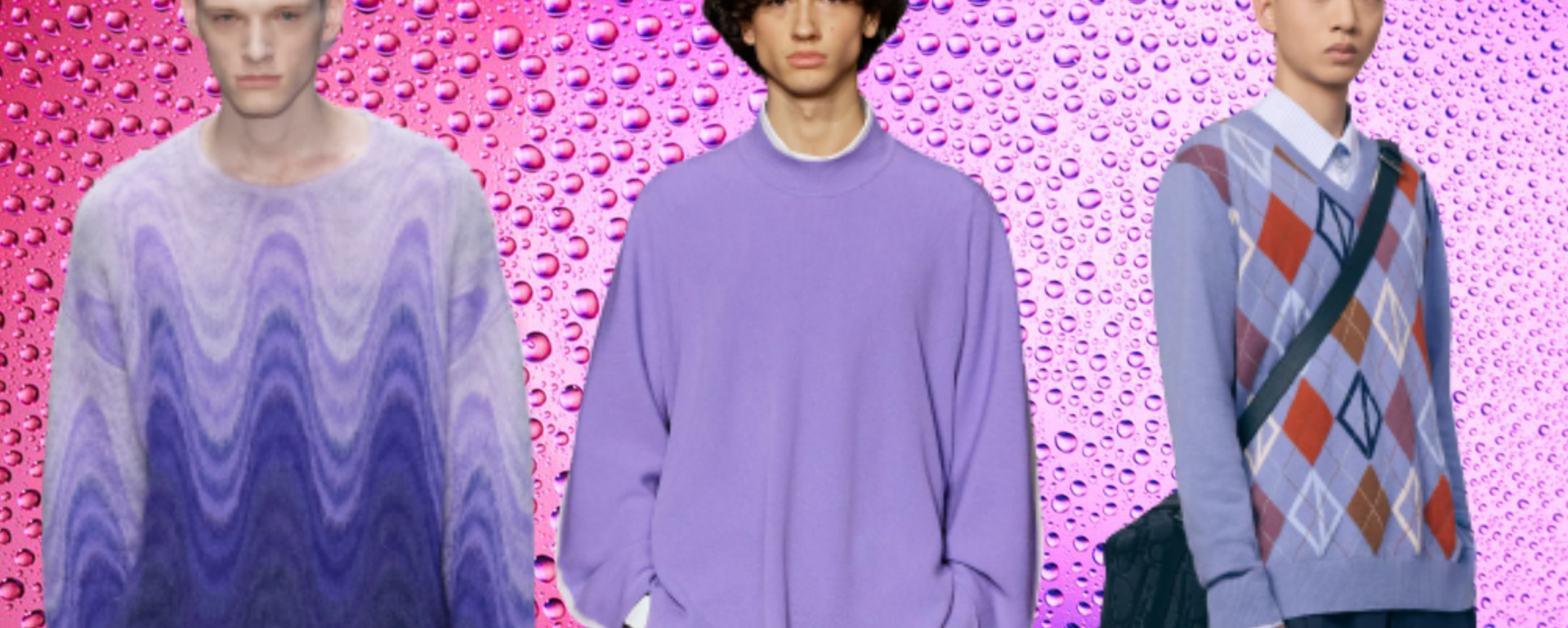
Exploring the Evolution of Color Trends and Styles Over Nine Decades
A full nine decades ago, back on March 21, 1933, Gabriele D’Annunzio crafted a letter addressed to his tailor in Milan, an act that unknowingly marked the birth of a style legacy. In that letter, he returned a batch of pink shirts and, with remarkable foresight, listed a palette of colors that would go on to define men’s fashion for generations to come. He described “the subdued allure of grey, the timeless elegance of ivory white, the warmth of lion-colored (which we now liken to the rich tones of caramel or camel brown), and the tranquil coolness of light blue.” Even in the present year, especially throughout this winter season, these enduring shades continue to dominate the sartorial landscape. This year, marked by the essence of office chic, has seen the steadfast reign of greys, the prominence of sharp blacks, and the ever-reliable blue jeans.
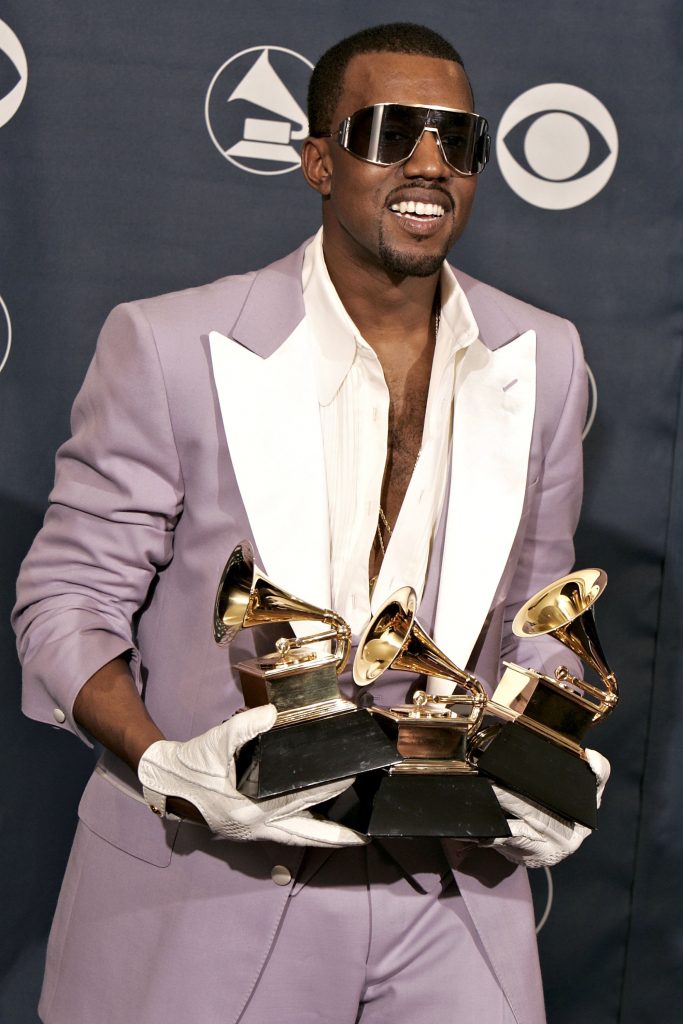
However, in the realm of fashion, one compelling trend has risen to the fore—the revival of purple. While this color has made sporadic appearances in collections over the years, it hasn’t been this influential since 2007. That was the year when Kanye West famously graced the Grammy Awards in a dashing lavender tuxedo while collecting his award. this era also witnessed the subcultures of “truzzi” and “emo” embracing shades like purple, pink, fuchsia, and red as integral elements of their distinctive wardrobes. Purple, though vibrant, seemed somewhat kitschy for a while. But, as the seasons turned, it made a triumphant return, shedding its flashy connotations and reclaiming its status as a symbol of style and sophistication.
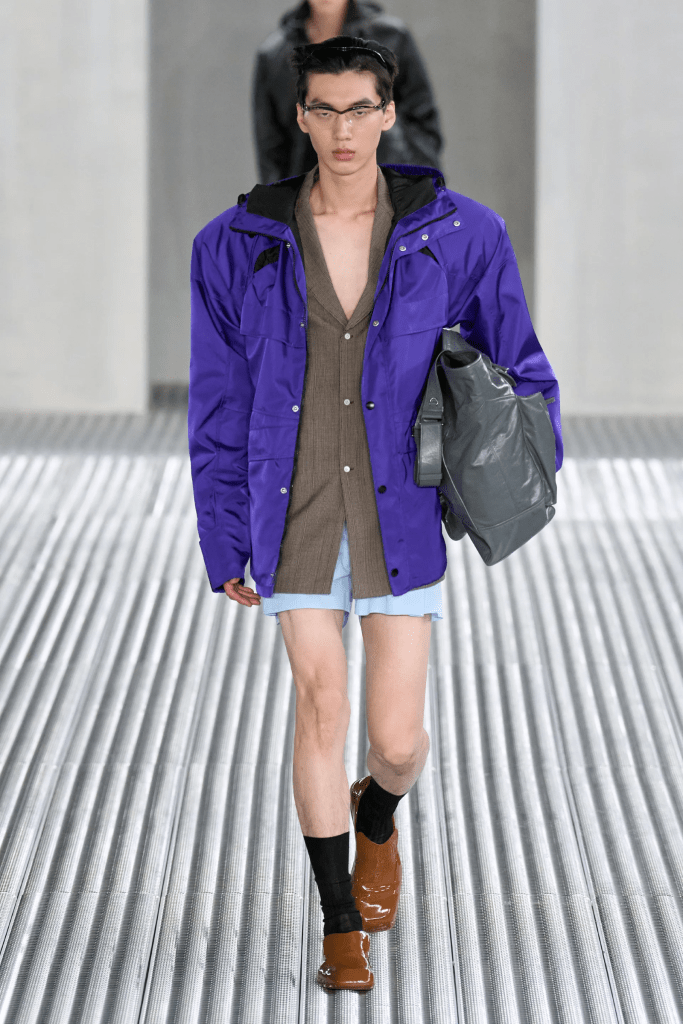
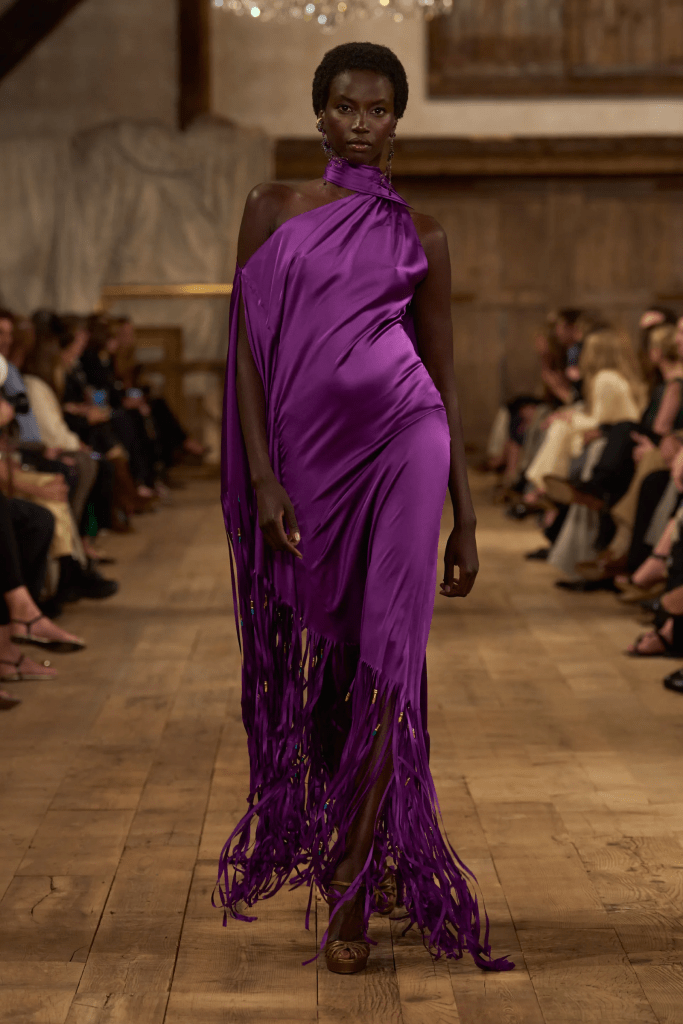
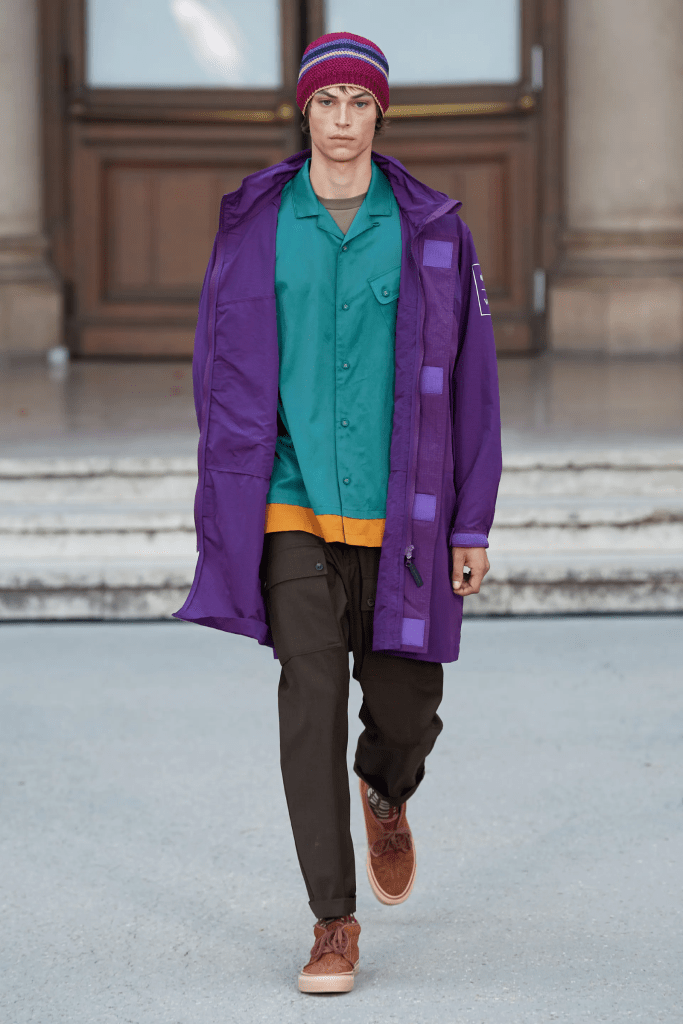

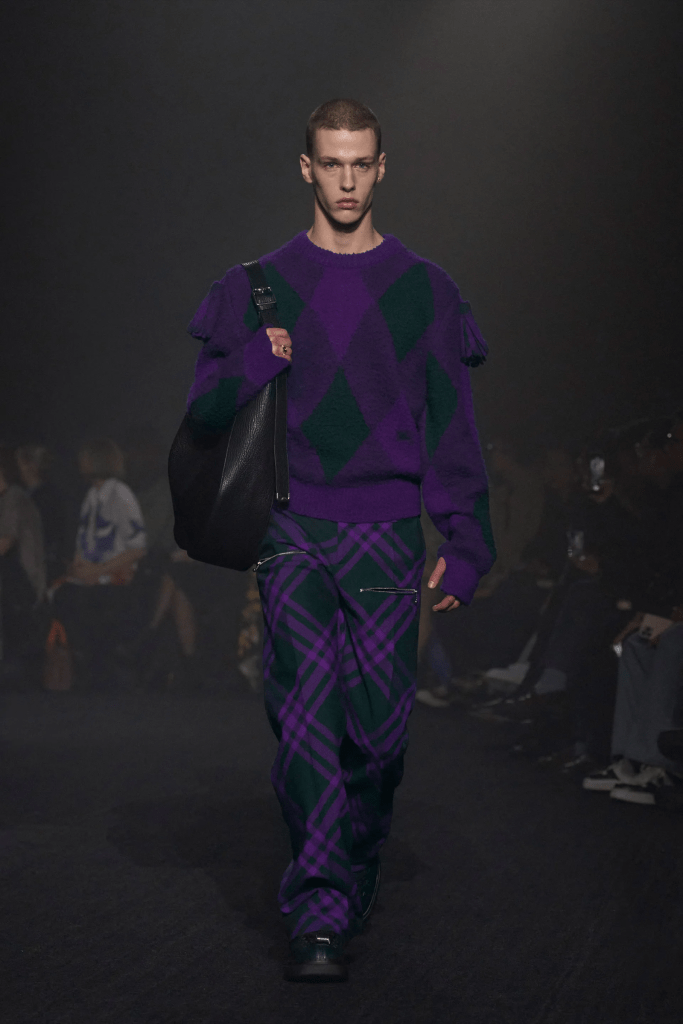
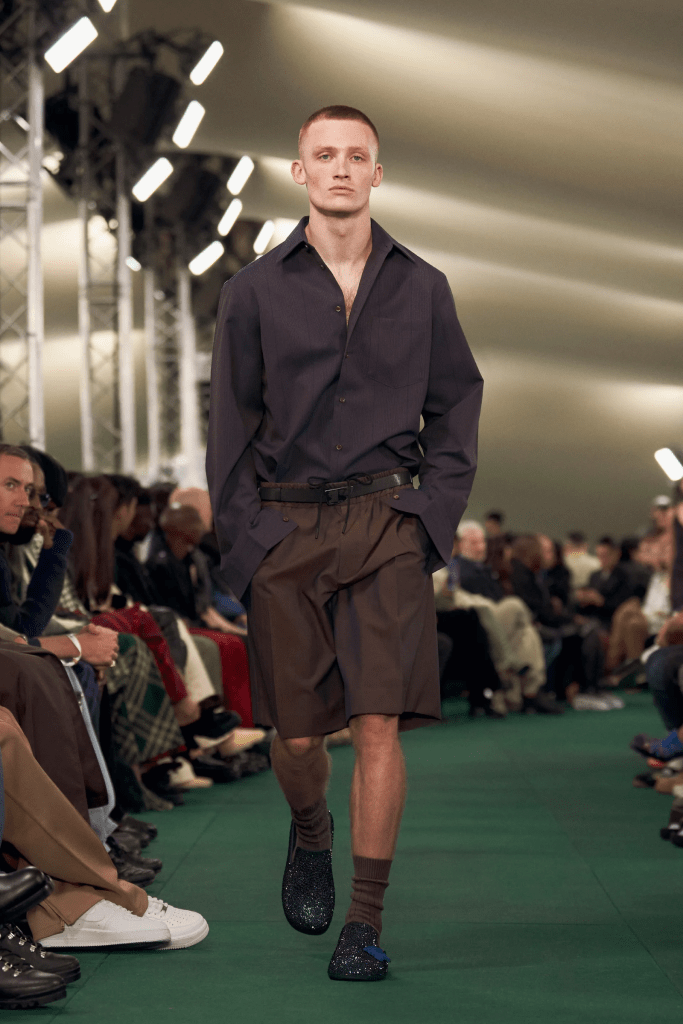


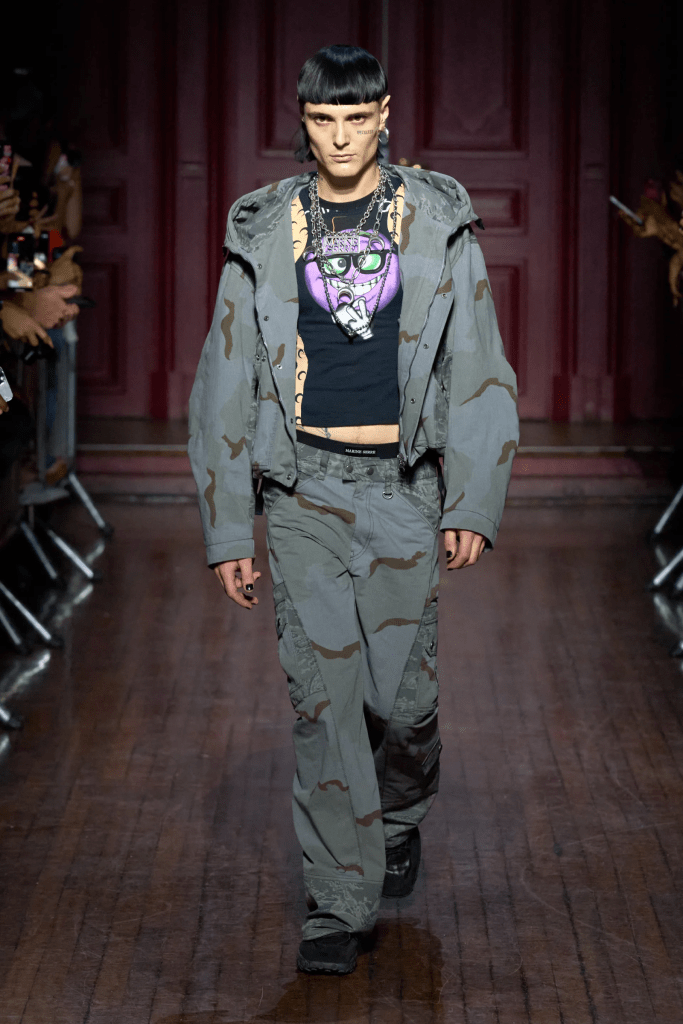

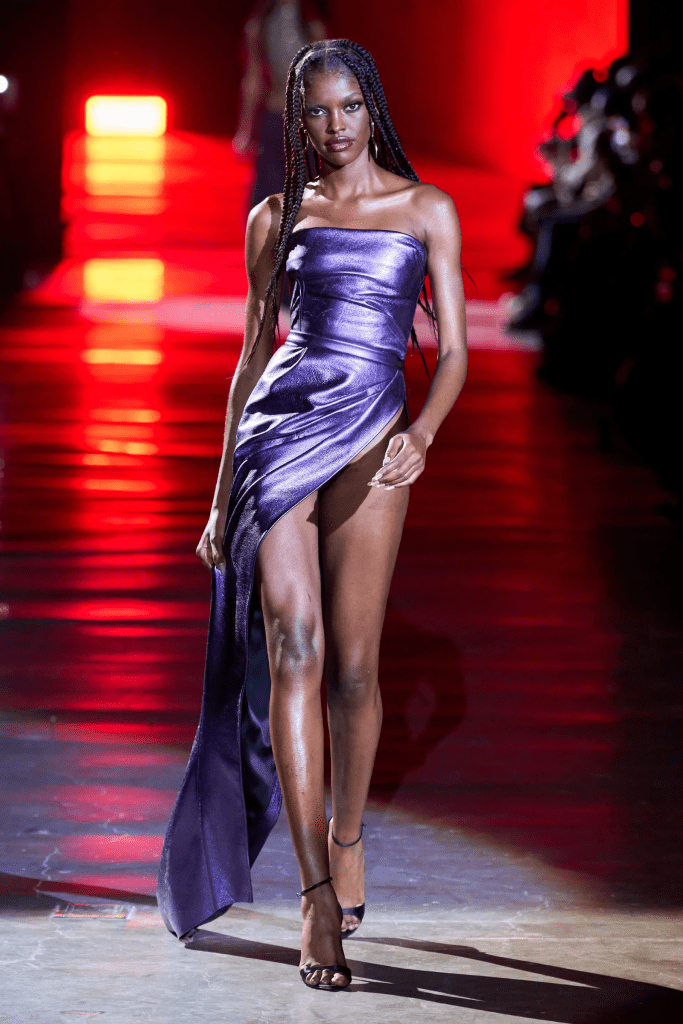
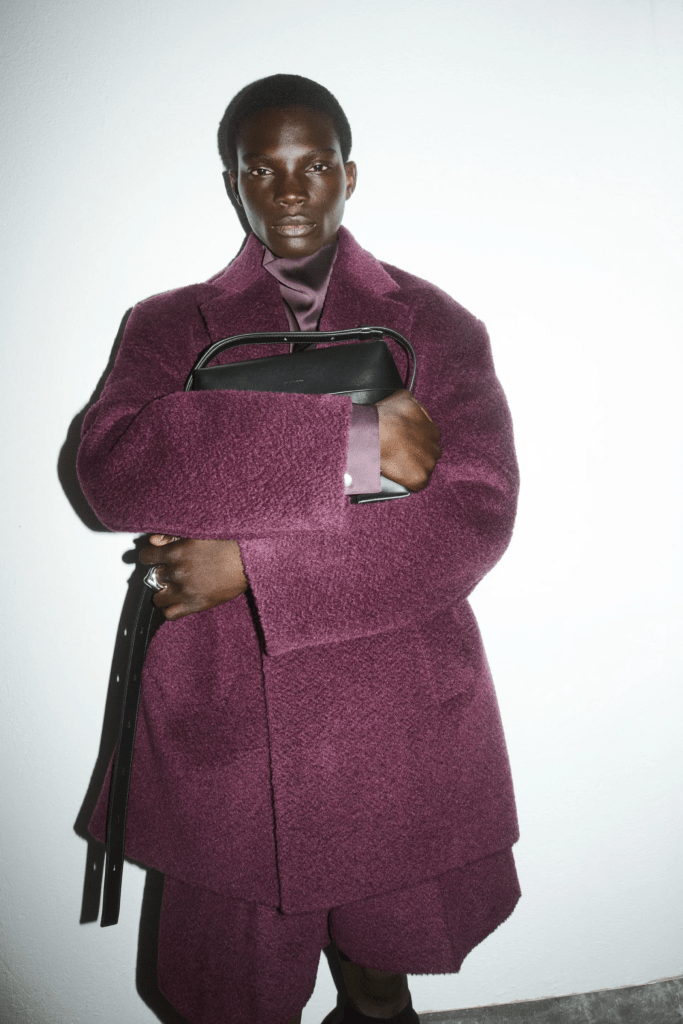
In the world of haute couture, where colors serve as the eloquent brushstrokes of self-expression, this year’s catwalk has unveiled a mesmerizing spectrum of purples. From the deepest indigos to the ethereal lavenders, cascading through the regal aubergines, sumptuous plums, exquisite amethysts, and delicate lilacs – it’s a symphony of purples that defies the rigidity of Pantone codes, catering to every discerning taste.
But what truly caught our discerning eye during the FW23 and SS24 collections was the emergence of purple as a vibrant accent in a sea of neutral hues, each esteemed brand translating this trend with unparalleled finesse. At Prada, a purple jacket and bag made a bold sartorial statement; oversized coats in this majestic hue graced the runways of Emporio Armani, Fendi, Givenchy, Rick Owens, and Acne Studios. Dior, Burberry, Dries Van Noten, Chanel, and others wove the rich tapestry of purple into their collections, ranging from cozy knitwear to elegant jackets.
The resurgence of purple manifested in three distinct ways. First, it became the outermost layer, cloaking the wearer in a regal contrast to subdued greys and blacks. Secondly, it breathed life into achromatic ensembles, adding that much-needed pop of color to transform the mundane into the extraordinary. And finally, designers courageously embraced lilac and lavender shades, daring to outfit the world in their delicate embrace.
This revival of purple is intricately woven into the broader tapestry of the achromatic trend, where the canvas of fashion is dominated by office greys, stark blacks, pristine whites, and soft pastels. In this landscape, purples reigned as the dynamic accents, enlivening the neutral backdrop, adding vibrancy, and crafting captivating contrasts. Fashion, it seems, has embraced purple as the color of change, awakening the canvas of style to a new dimension of expression and creativity.
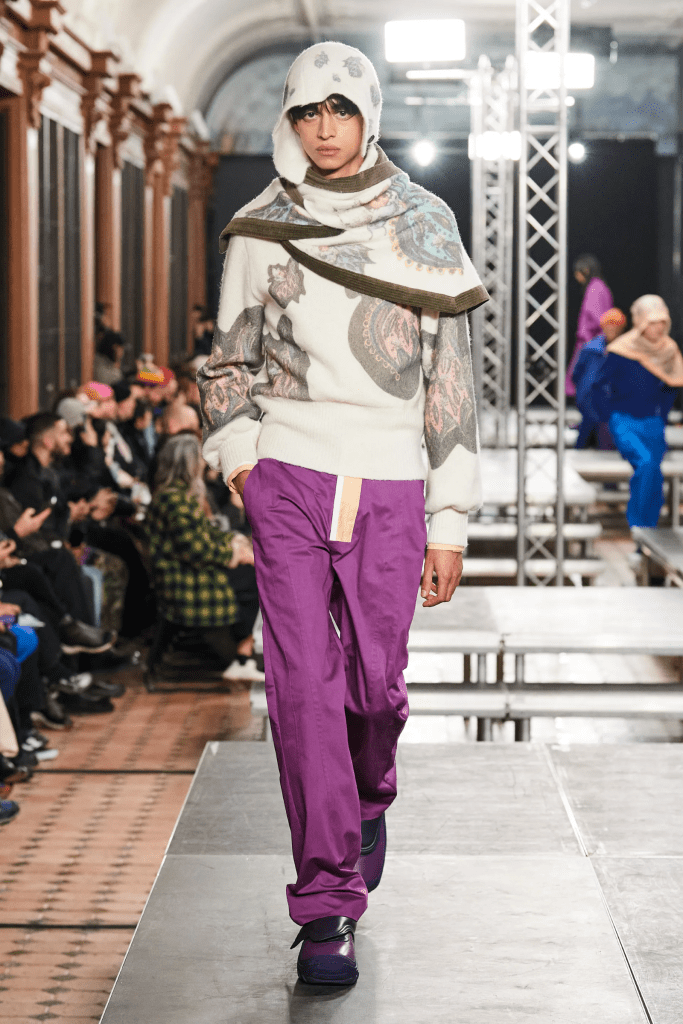
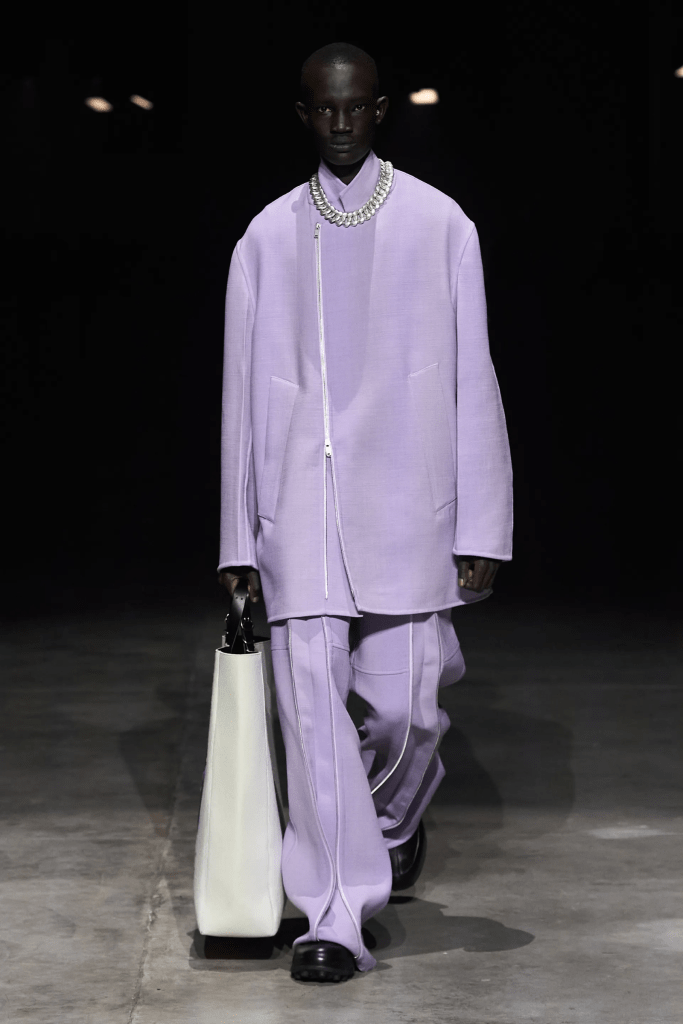
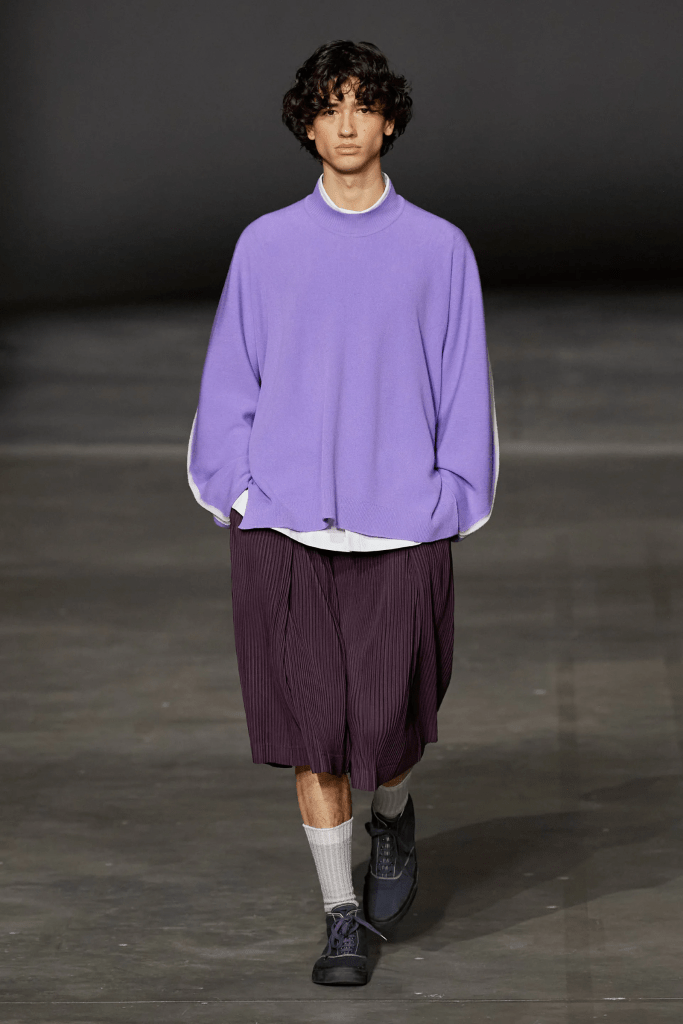
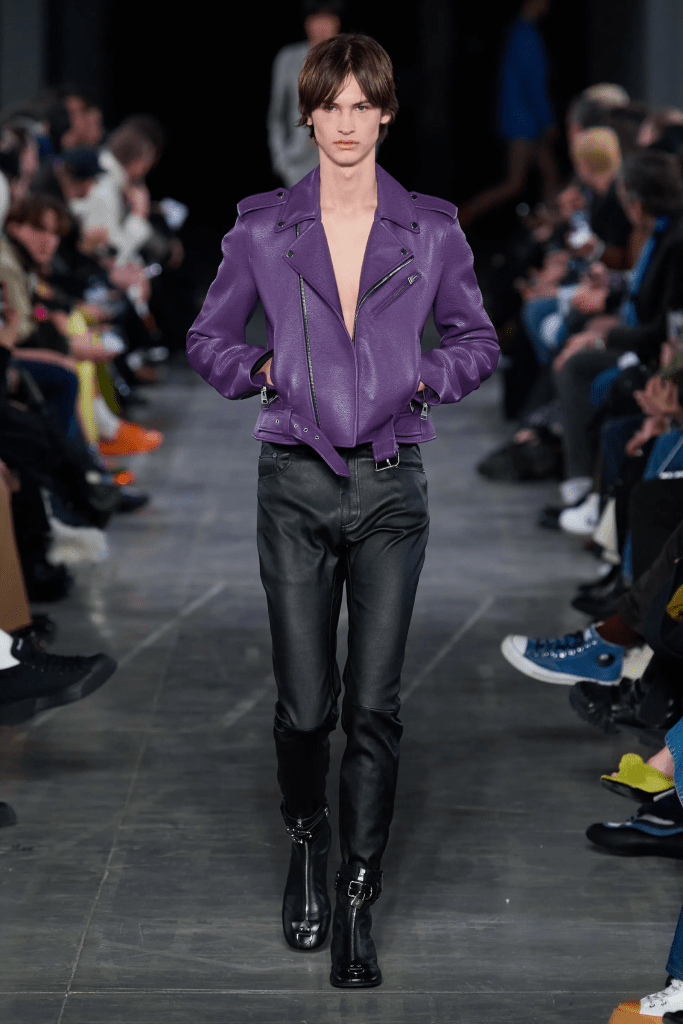

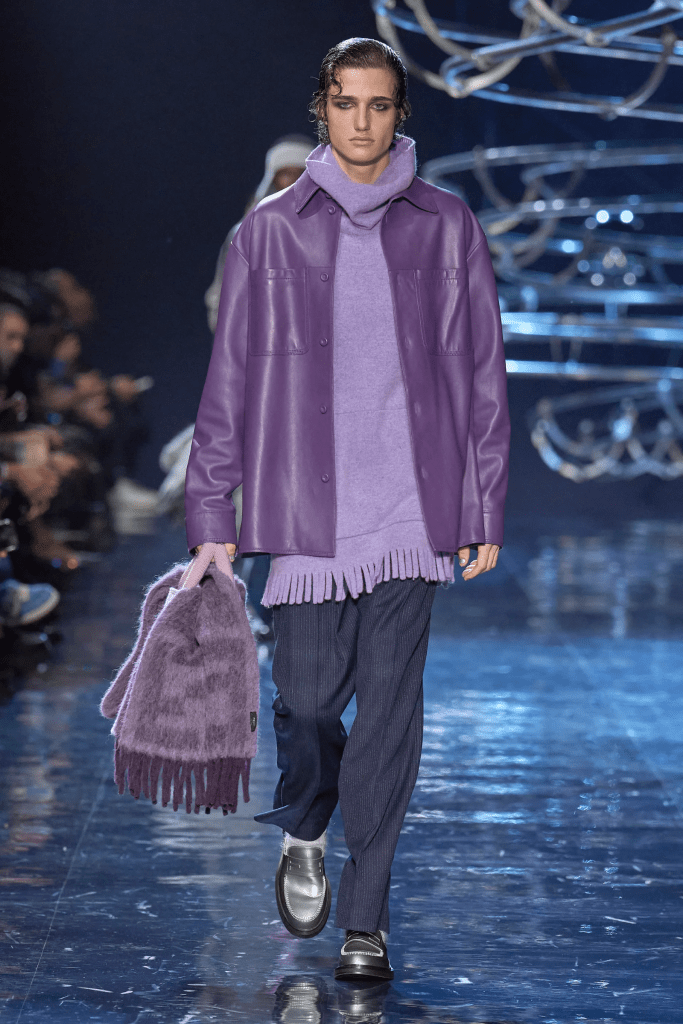
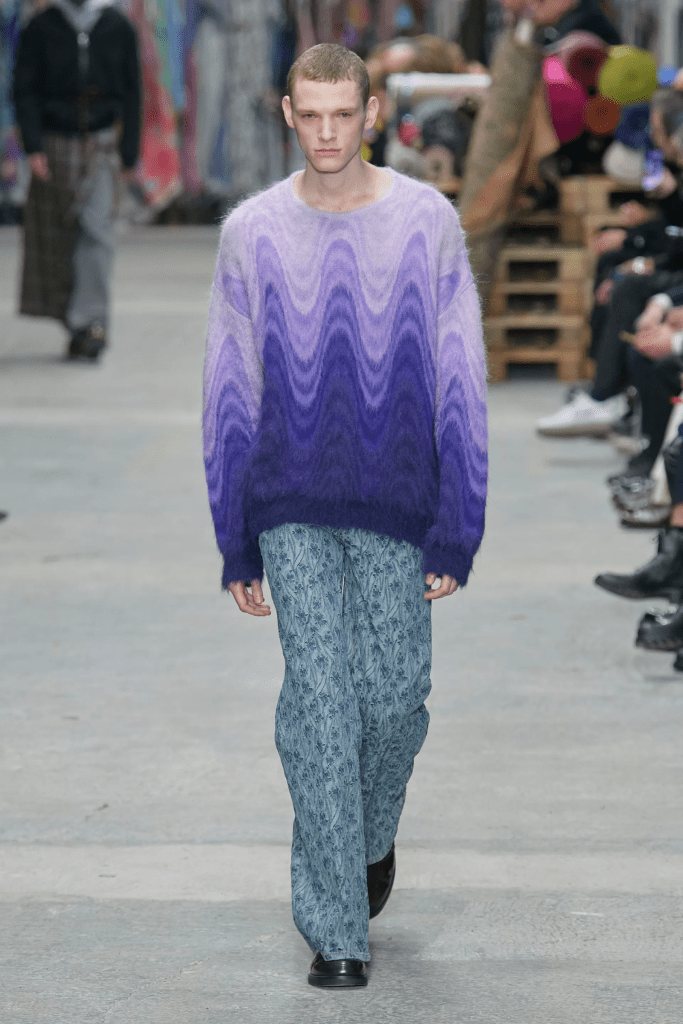
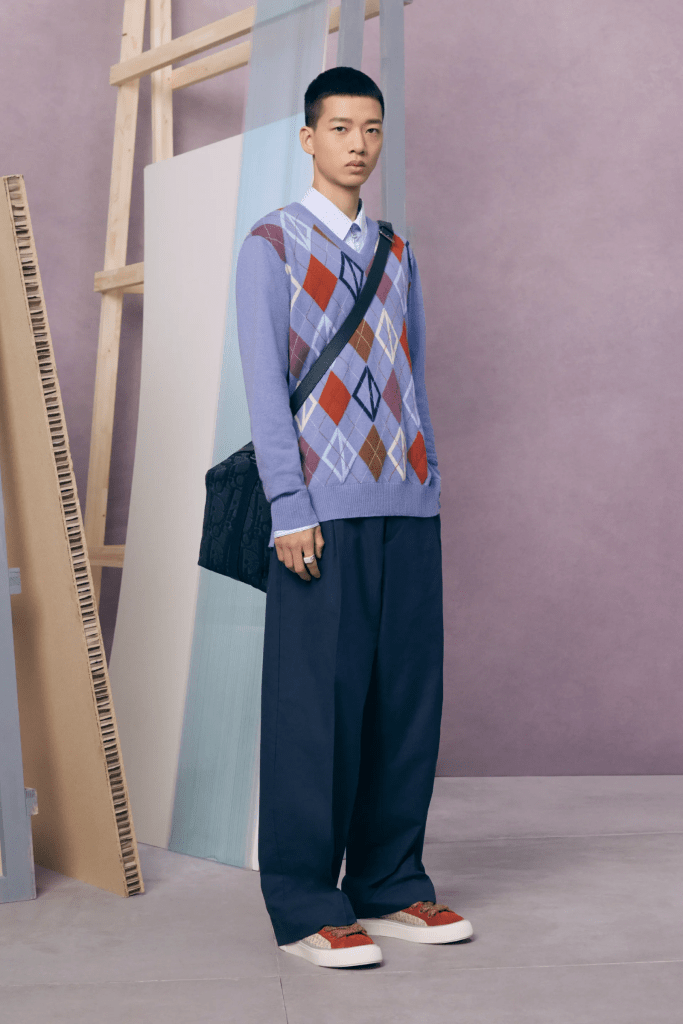
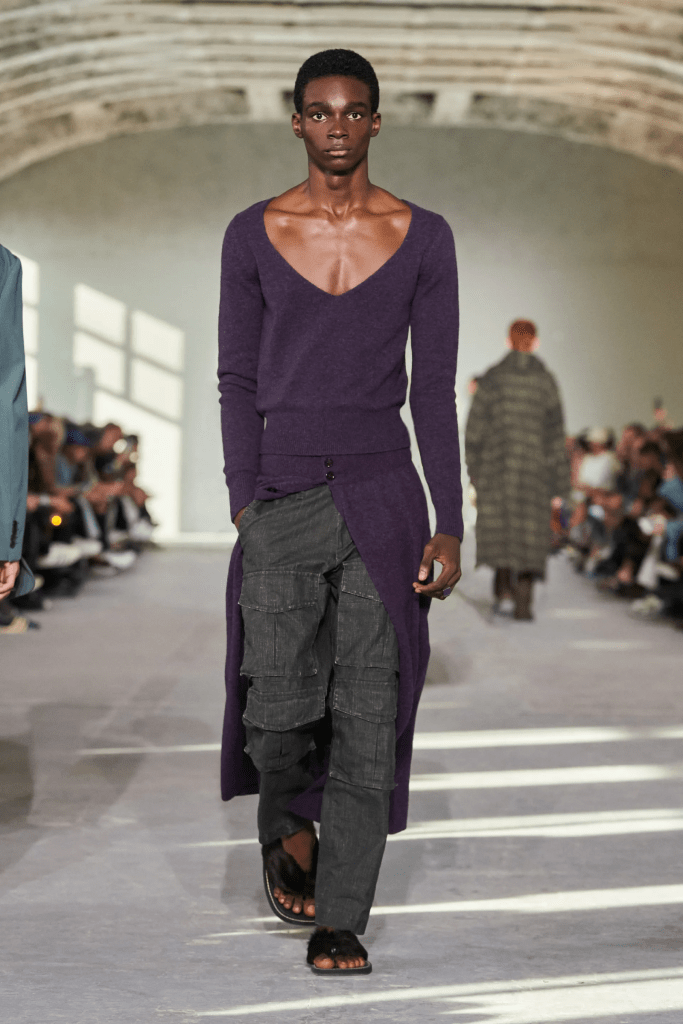
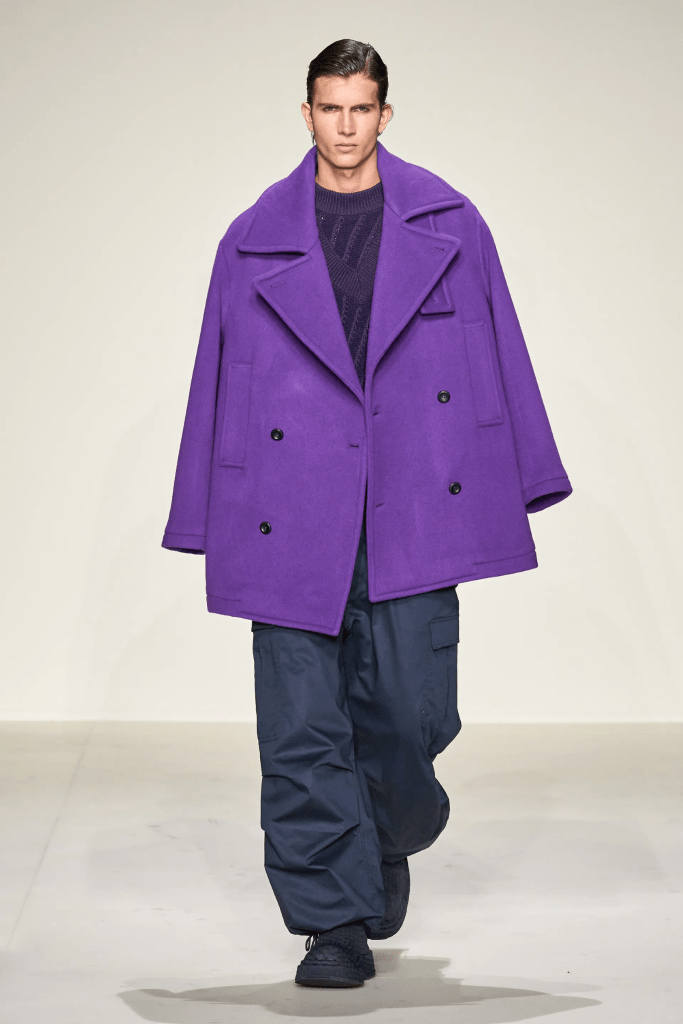
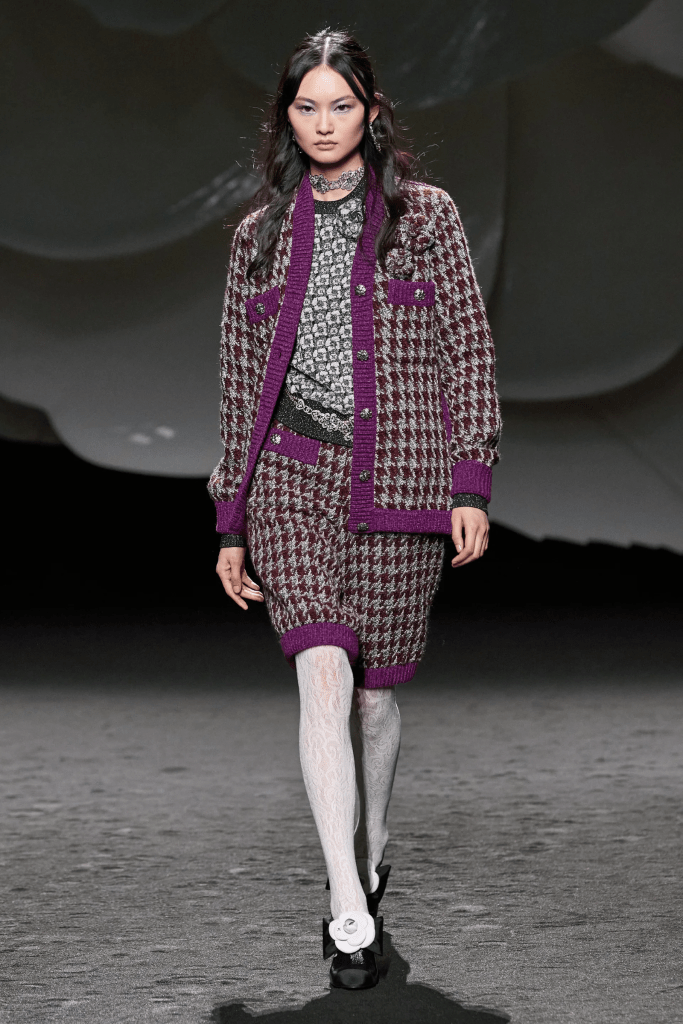
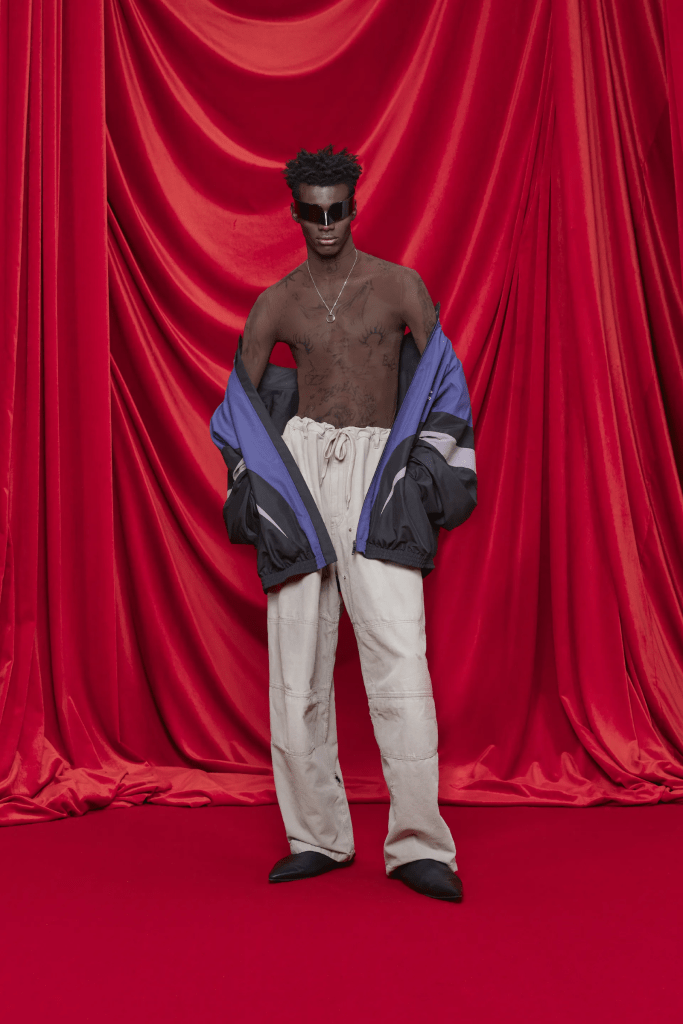
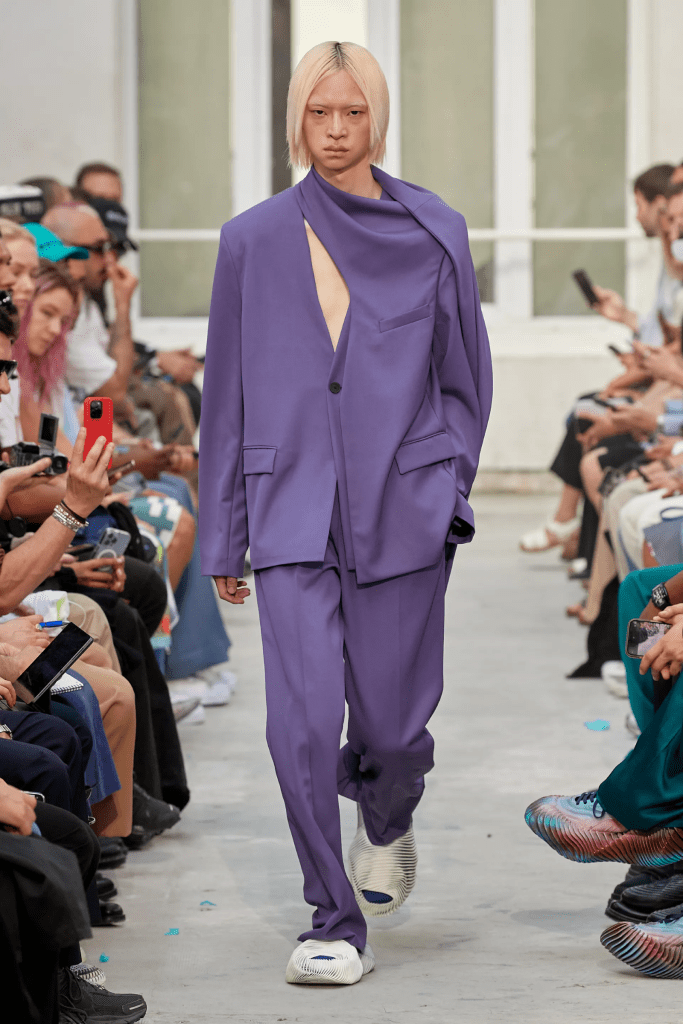
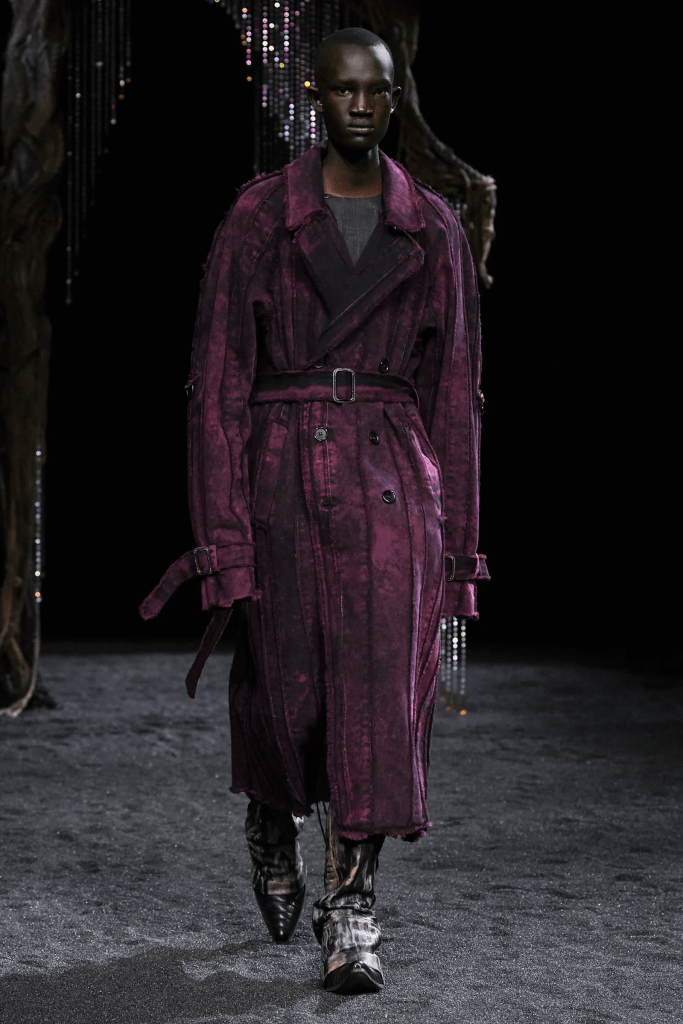
In the digital realm, a plethora of articles endeavor to unveil the resurgence of purple, often attributing its renewed allure to the historical regal association – the ‘color of royalty.’ However, let us not be hasty in deeming this historical connection the sole catalyst of this renaissance. The true enigma of purple lies in its unparalleled versatility.
Fashion, as we know, thrives on novelty, and this fervor extends to the spectrum of colors as well, as we observed during the era of Bottega Veneta under Daniel Lee‘s reign. In this age of prevailing quiet luxury, designs and color palettes have assumed a more minimalist aesthetic, creating a yearning for novelty amidst the serene. Purple, not only rarely featured, thus casting an air of novelty when it graces the runway, but also boasts the remarkable ability to harmonize with a myriad of skin tones, contingent upon its specific hue.
It emerges as the maverick, capable of transforming a mere accessory or a jacket into a veritable statement piece, elevating an achromatic ensemble from the ordinary to the extraordinary. The legendary Ralph Lauren once opined, “Black is not as good as purple,” acknowledging how this somewhat eccentric hue had the power to infuse panache into the ubiquitous all-black uniform of the fashion elite.
In a poignant echo of our contemporary economic woes, a visionary like Alber Elbaz discerned the controlled eccentricity of purple as a beacon of hope during trying times, remarking to the WSJ in 2012: “What do you wear in a bad economy? This is a very, very sensitive issue. On one hand, you say that when things are going sour — when everything is not as easy and fun as it used to be — maybe there is some element that can bring fun and joy again. If I were a buyer today in one of the American department stores, I would go with extremes — the most beautiful, the more expensive, the more eccentric. I would take risks. The worst thing would be to buy only the little black dress. You know why? Because everyone has it already. I would go with a purple dress, something different.”
In this narrative, purple emerges as not just a color but a symbol of daring elegance, a stroke of defiance in the face of conformity, and a beacon of individuality in the realm of fashion. It signifies not merely a return to the past but an embrace of the future, where the avant-garde and the classic converge in vibrant harmony.
 curlycurlworld: Get Twisted with CurlyCurl: The Latest in Curls, Coils, and Confidence!
