
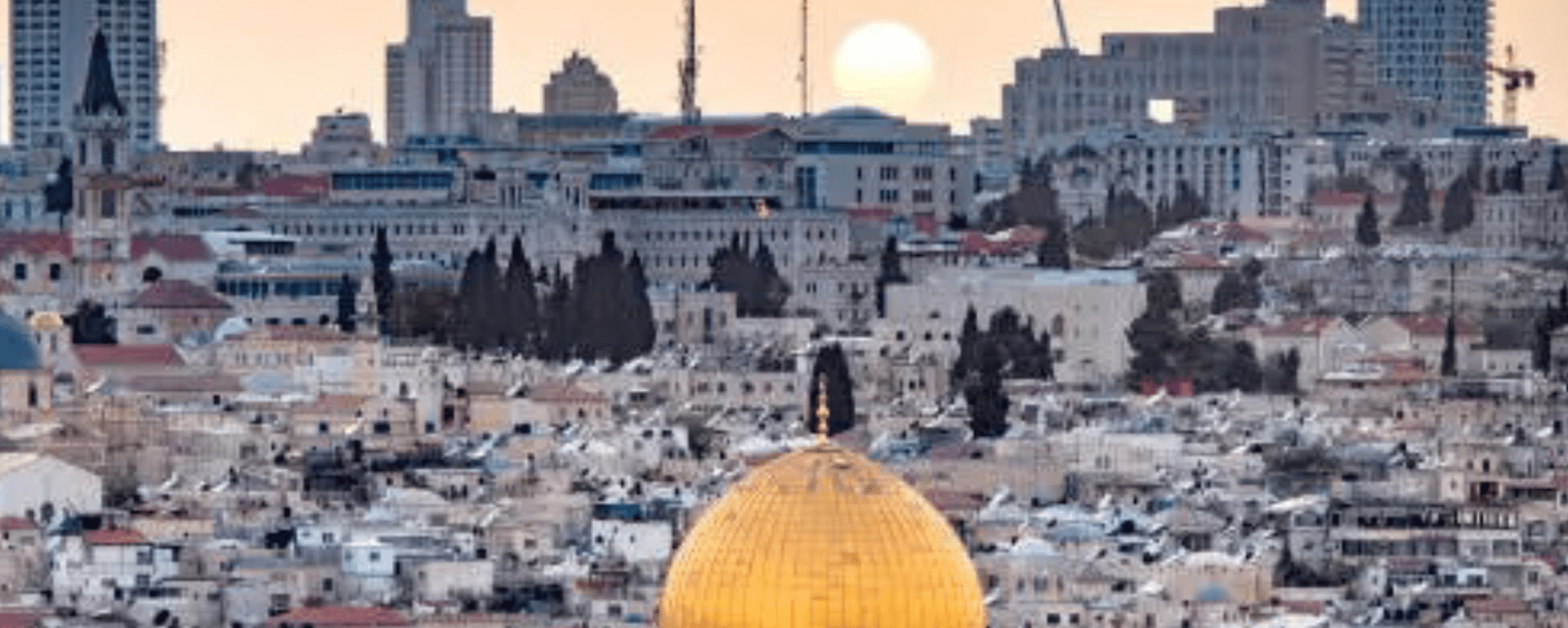
“Unraveling the Layers of the Israeli-Palestinian Conflict”
The Israeli-Palestinian conflict is a protracted and deeply complex geopolitical issue that has garnered international attention for decades. It is a conflict characterized by territorial disputes, competing national identities, historical grievances, and intricate political, religious, and social factors. Despite the nuanced nature of this conflict, it has often been portrayed in media as a black-and-white issue, a perception that can be misleading. This article aims to shed light on the multifaceted layers of the Israeli-Palestinian conflict and to emphasize the importance of understanding its complexities.
The roots of the Israeli-Palestinian conflict can be traced back to the late 19th century when Jewish immigration to the region, then part of the Ottoman Empire, began to increase. The emergence of Zionism, a movement advocating for the establishment of a Jewish homeland in historic Palestine, added fuel to the fire. Simultaneously, Palestinian Arabs, who had inhabited the region for centuries, voiced concerns about the potential loss of their land and livelihoods.
Over the years, this tension escalated into violence and territorial disputes. The United Nations’ 1947 partition plan proposed dividing Palestine into separate Jewish and Arab states, with Jerusalem as an international city. While the plan was accepted by Jewish leaders, it was rejected by Arab leaders, leading to the first Arab-Israeli war in 1948. The outcome of this war set the stage for ongoing conflict, displacement, and competing national claims.
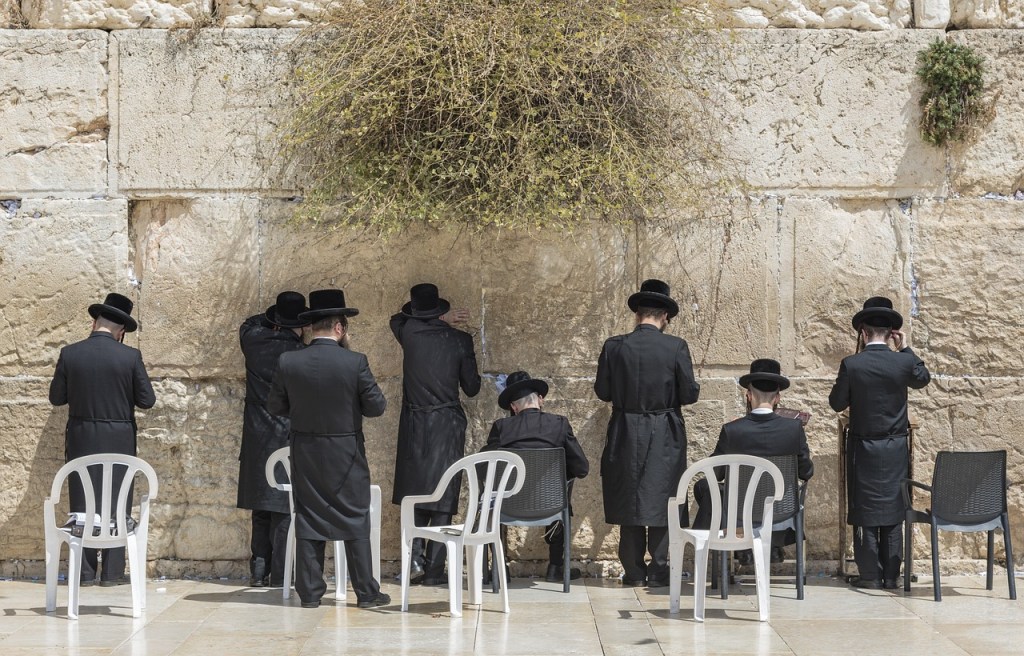
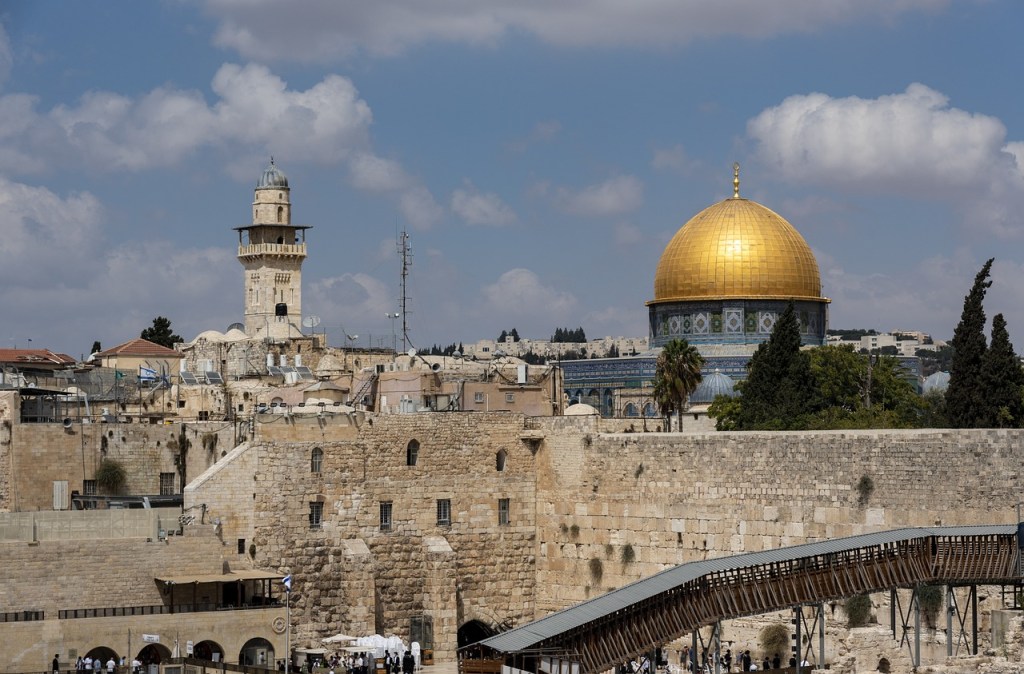

The Israeli-Palestinian conflict has witnessed numerous outbreaks of violence, including the Six-Day War in 1967, which resulted in Israel’s occupation of the West Bank, Gaza Strip, and East Jerusalem. These territories continue to be central points of contention, with Israelis and Palestinians both laying claim to them. The construction of Israeli settlements in the West Bank has further complicated the situation, leading to concerns about the viability of a future Palestinian state.
Both Israelis and Palestinians have suffered throughout this conflict, with casualties on both sides. The human toll is a tragic aspect of the struggle that deserves international attention and empathy. The conflict has also fostered radicalization and extremism, hindering the prospects for peace.
Media coverage of the Israeli-Palestinian conflict can be a contentious issue. It’s essential to recognize that media outlets may have varying biases, and coverage may be influenced by factors such as location, perspective, and editorial decisions. Some argue that media bias plays a role in shaping public perception, while others believe that there is no universal “truth” that can be easily uncovered in such a complex conflict.
A key insight that the TikToker underscores is that war rarely serves as a path to a long-term solution. Instead, it often exacerbates tensions and prolongs suffering. The aspiration for peace should be at the forefront of efforts in this enduring conflict. By fostering a deeper understanding of the perspectives of both Israelis and Palestinians, the media can play a pivotal role in promoting dialogue, empathy, and, ultimately, the pursuit of a lasting resolution.
It is a mistake to claim that media outlets worldwide are hiding the truth. Instead, they often present stories from different angles and perspectives. To gain a more comprehensive understanding of the situation, it is advisable to consult multiple reputable news sources and engage in dialogue with experts who can provide context and analysis.
Efforts to find a peaceful resolution to the Israeli-Palestinian conflict have been made by various international organizations and nations. Diplomacy and negotiations have been central in these efforts, but achieving a lasting solution remains a formidable challenge. The situation remains a subject of ongoing international concern, with numerous parties involved in mediation and conflict resolution efforts.
In conclusion, the Israeli-Palestinian conflict is a multifaceted and deeply emotional struggle, marked by a history of violence, competing national narratives, and complex geopolitical factors. It is essential to approach this conflict with a nuanced perspective, recognizing that it defies simplistic characterization. While media coverage may vary, it is crucial for individuals to seek out diverse sources of information and engage in thoughtful, informed dialogue to gain a more accurate understanding of this enduring and deeply significant issue. Peace in the region remains a shared hope, and it is through understanding and empathy that the path to resolution may one day be found.
As Jews, they declared unequivocally: ‘NOT IN OUR NAME.’ This poignant declaration reverberated through the night, a powerful reminder of the lessons of history. The call ‘Never again’ has never been more relevant than it is today.
The event showcased the resilience and determination of those who refuse to remain silent in the face of suffering. It highlighted the voices of Jewish individuals advocating for a peaceful resolution to the ongoing conflict, emphasizing that the pursuit of peace is a shared responsibility.
The message was clear: ‘Free Palestine! 🇵🇸’ A call for a brighter, more peaceful future, one where the cries for justice are heard and heeded. This moment was a testament to the enduring power of solidarity in the quest for a world where suffering knows no borders.
Caption by Jewish Voices For Peace, reminding us that even in the most complex of issues, unity and compassion can light the path towards a better tomorrow.”
“Cultivating Media Literacy: Navigating the Israeli-Palestinian Conflict”
In our opinion , trusting media reporting on complex and sensitive topics like the Israeli-Palestinian conflict can be a challenging task. The multifaceted nature of the conflict and the presence of varying perspectives make it essential to adopt a discerning approach when consuming news. To navigate media coverage effectively, it’s crucial to follow these principles:
- Diversify Your Sources: Relying on a diverse set of reputable news outlets with differing perspectives is paramount. This approach ensures a more balanced understanding of the situation.
- Fact-Check Diligently: Always cross-verify information through multiple sources before accepting it as fact. Fact-checking organizations can be valuable allies in this process.
- Be Critical: Adopt a critical mindset when approaching news, acknowledging the potential for bias in reporting. It’s essential to consider the editorial stance of a news outlet and how it might influence their coverage.
- Seek Historical and Contextual Information: Look for articles and reports that provide historical and contextual background. Understanding the conflict’s history is key to comprehending the present.
- Embrace Multiple Viewpoints: Engaging with experts and individuals who offer different perspectives is enlightening. It enriches one’s understanding of the issue.
- Watch for Omissions: Pay close attention to what is not being reported, as the omission of certain information can be just as significant as what is included.
- Recognize Complexity: Acknowledge the deep historical roots and intricate nature of the Israeli-Palestinian conflict. Simple narratives often fail to capture the full picture.
- Stay Informed Continuously: Regularly stay updated with developments in the region since the situation can change rapidly.
While it’s true that no source is entirely free from bias, adhering to these principles can help individuals make more informed judgments about media coverage of the Israeli-Palestinian conflict.
 curlycurlworld: Get Twisted with CurlyCurl: The Latest in Curls, Coils, and Confidence!