
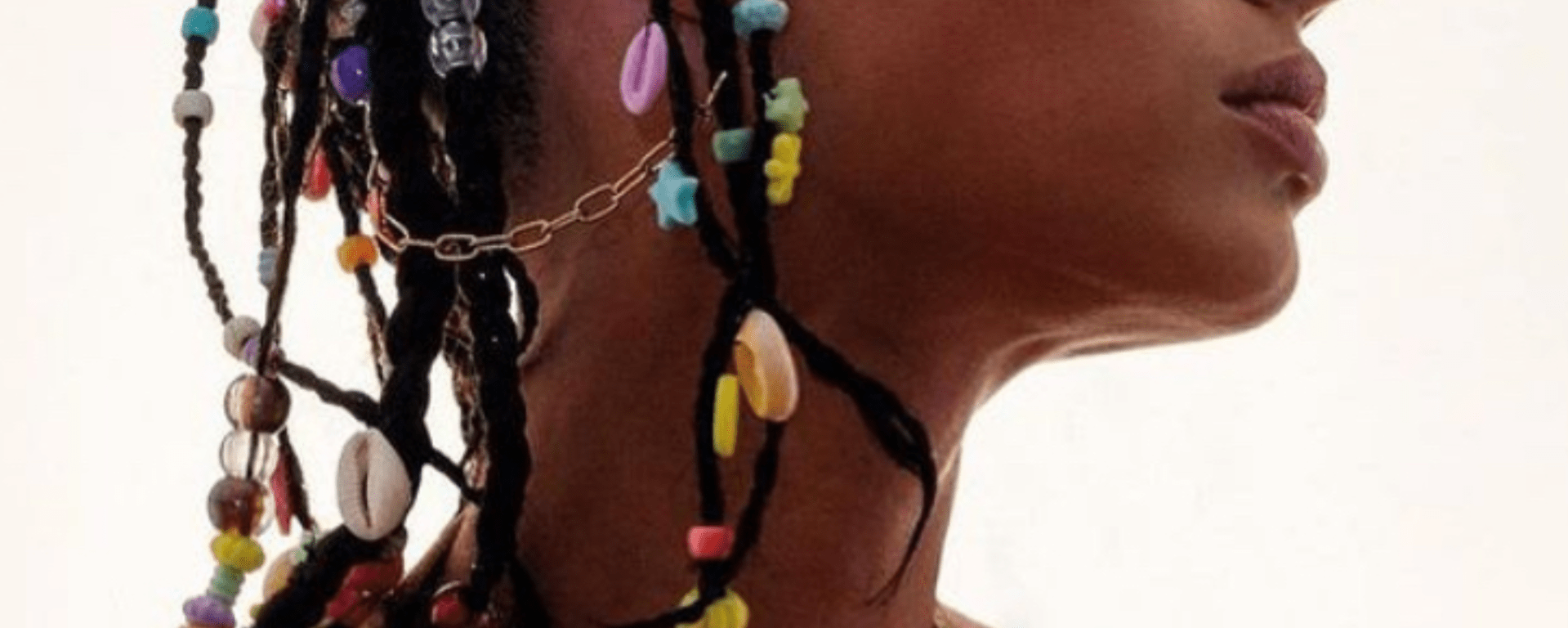
A Sunday Times Exclusive Exposé on the Dark Side of Promises in the Modeling Industry”
In an era where the fashion world’s lack of diversity on the runways is a subject of increasing concern, we often question the persistent dominance of white, same-sex, able-bodied, ultra-thin models in the spotlight. We ponder why fashion weeks seem to offer limited space for individuals of various ethnic backgrounds, different ages, and diverse body sizes. But amidst this dialogue, one crucial question often goes unasked: What is the true cost of inclusion?
The Sunday Times has undertaken a comprehensive investigation, delving into the shadowy corridors of the modeling industry. Through extensive interviews with scores of models, our inquiry unravels the distressing reality of how modeling agencies are recruiting young people who have escaped war-ravaged African nations, only to find themselves living in conditions of abject poverty. These aspiring models are enticed by promises of a brighter future, but our research reveals a stark contrast to these assurances.
Our focus led us to the Kakuma refugee camp in Kenya, where we unearthed a disheartening truth. An increasing number of young girls from this camp are handpicked to embark on modeling careers in Europe, yet only a minuscule fraction ever attains the fortune they were assured. Most of them return home within a matter of days or weeks, not only devoid of earnings but burdened with crippling debts, casting a grim shadow on the promise of a better future.
Under the Spotlight: The African Model Surge and the Shadows of Fashion’s Ethical Abyss
Within the inner circles of the fashion industry, a prevailing narrative emerges – the growing interest in African models, sparked by the imperative of inclusivity and propelled by the remarkable success stories of luminaries like Alek Wek and Adut Akech. These individuals, who escaped the hardships of Sudan as teenagers to seek refuge in the UK, have risen to grace the iconic brands of Chanel, Dior, and Victoria’s Secret, leaving an indelible mark on the global fashion scene.
Carole White, a luminary herself as the director of Premier Model Management and former agent to none other than Naomi Campbell, lends her voice to this phenomenon. She articulates the industry’s current fascination with African models, particularly those hailing from Sudan, affirming that they are undeniably in high demand. The clamor for African models extends beyond gender and age boundaries, embracing women, men, boys, and girls, as fashion’s gaze shifts from the Eastern European aesthetics that once held sway during the era of the Berlin Wall’s fall.
Yet, amidst this surge in demand, a disconcerting reality emerges. The majority of brands remain oblivious to the origins and fate of the models they employ, post-casting or photoshoot. They place implicit trust in modeling agencies to act ethically and remunerate the models as per their due. However, it’s an unsettling truth that this trust is frequently misplaced, with many models left in limbo, struggling to receive what is rightfully theirs. The ethical chasm, rather than closing, appears to be growing wider.
Bearing Witness to Desolation: Kakuma Refugee Camp’s Struggle for Survival and Justice
Nestled in the remote northern reaches of Kenya, adjacent to the borders of Uganda and South Sudan, lies the sprawling expanse of Kakuma – a name that resonates in the annals of human displacement. Established in 1992, this vast refugee settlement stands as one of the world’s largest, overseen by the United Nations High Commissioner for Refugees (UNHCR). Within its confines, a staggering 280,000 souls have found refuge, their collective stories echoing the harrowing narratives of nations plagued by conflict.
Over half of Kakuma’s inhabitants hail from South Sudan, a nation steeped in the depths of destitution, where the scourge of civil strife and tribal conflict has exacted a heavy toll, leaving millions dispossessed and displaced. Spanning a colossal 15 miles, this camp has become a fragile semblance of a society, replete with 55 modest schools and the modest comfort of local shops peddling essentials, from clothing to household necessities and sustenance.
The homes that dot this desolate landscape are rudimentary, constructed from mud bricks with corrugated iron roofs, mirroring the grit and resilience of those who dwell within. Sanitation facilities are, in essence, little more than holes in the earth, access to clean water a precious ration, and electricity a distant luxury. In the shadow of dwindling food rations, reduced by a staggering 40 percent, many residents subsist on a meager single meal each day. In such austere conditions, the populace stands perpetually on the precipice of extreme poverty, their lives fraught with the looming specter of disease.
Yet, the trials of Kakuma extend beyond the struggles for survival. A dark underbelly exists, wherein young women are coerced into forced marriages, and as hauntingly exposed by Amnesty International, the LGBTQIA+ community grapples with a relentless barrage of hate crimes, violence, and gross human rights violations. In the midst of this desolation, Kakuma stands as both a testament to human resilience and a stark reminder of the urgent need for international aid and intervention.
Fleeting Dreams and Broken Promises: The Perils of Modeling Aspirations from Kakuma
For the residents of Kakuma, the prospect of a modeling career seems akin to a Willy Wonka golden ticket, a tantalizing promise that holds the allure of a brighter future. Yet, it’s precisely this dream that certain modeling agencies exploit, offering grandeur while neglecting the looming perils and the high likelihood of winding up right back where they started – devoid of funds and prospects.
Local scouts venture deep into the camp’s heart, scouring for budding talent, and their discoveries are swiftly conveyed to influential figures across Europe, thousands of kilometers away. In a digital age, some even delve into the virtual realm, scrutinizing the Instagram accounts of refugees for hidden potential.
But what unfolds once these chosen individuals embark on their journey is a narrative marked by fragile hope and uncertainty. Those models who succeed in the initial round of recruitment are granted a precious work permit or government-sanctioned permission to escape the confines of the refugee camp. Their destination: Nairobi, where they are bestowed with the vital documents of a passport and visa. The next chapter sees them board flights bound for Europe, where they are offered accommodation and a purse of 70-100 euros per week for sustenance and basic expenses.
For a fleeting moment, they become part of Europe’s modeling landscape, but this chapter is laden with conditional clauses. If they fail to secure a sufficient volume of paid assignments or are judged as unfit for the industry, their return journey leads back to Kenya. And therein commences a cascade of challenges. For every one model who achieves their dreams, there are numerous others, as revealed in their own testimonials to the Sunday Times, who are deemed too malnourished or inexperienced for the profession, and they retrace their steps to Kakuma, their aspirations left unfulfilled.
Modeling’s Silent Debt: The Hidden Costs and Conflicting Perspectives
The inner workings of the modeling industry hinge upon a disquieting system of indebtedness. European agencies, with the lure of potential success in their repertoire, shoulder the financial burden of visas and airfare, funds that typically necessitate reimbursement once the model commences her earnings. Therefore, in the event of a model’s rejection, be it for any reason, or the inability to amass a sufficient income, she not only returns to her initial position but is encumbered with a looming debt owed to the agency.
From the vantage point of Matteo Puglisi, associated with the Select agency, which boasts the names of Sienna Miller, David Gandy, and Stella Tennant in its portfolio, and Joan Okorodudu, a Nigerian businesswoman spearheading the Isis Models agency, declaring these debts is cast as a fiscal obligation, as elucidated in the Sunday Times article. Puglisi portrays it as a minor inconvenience in exchange for the tantalizing prospect of a better future, emphasizing the agency’s transparency in asserting that models won’t undergo permanent relocation to Europe, with success far from guaranteed. These assertions, however, sharply diverge from the perspectives of those interviewed by the Sunday Times, who harbor contrasting sentiments on the matter.
Modeling from the Margins: A Cry for Dignity and Reform
This intricate web of obligations operates universally, irrespective of a young girl’s origins. Yet, when it is presented as the sole escape route to a seemingly brighter future, it assumes a guise of unforgivable cruelty. It serves as an unequivocal indicator of a system teetering on the brink of moral bankruptcy, crying out for a radical transformation.
As Peter Adediran, the visionary behind London’s Pail law firm, steeped in media and technology law with 21 years of experience in the modeling realm, aptly underscores, these models frequently emerge from the corners of Eastern Europe or Africa, marked by vulnerability, limited comprehension of contractual intricacies, and parents who envision they’re offering their children a pathway to dreams fulfilled. In their youth, these models are often ill-equipped to navigate the labyrinthine world of finance and monetary responsibilities, not to mention the intricacies of the binding agreements they sign. Adediran insists that agencies must bear the mantle of responsibility, embracing the role of educators and mentors from the moment they discover these fledgling talents, elucidating their expectations with utmost clarity.
Yet, it is the resonant voice of Nyabalang Gatwech Pur Yien, one of the young women ensnared in the unfulfilled promises, that pierces through the cacophony. Her plea reverberates with an urgency that’s impossible to ignore: “If the world desires models from refugee camps, it must accept the profound responsibility that comes with it. We are not outcasts; we are human beings, deserving of dignity and respect.” These words form an impassioned call to conscience, echoing the imperative of humane treatment, regardless of one’s origins.
Case Study:
This case study delves into the Sunday Times’ exclusive exposé, shedding light on the hidden world of models in refugee camps. It reveals a side of the modeling industry that often remains concealed – the exploitation of vulnerable individuals who find themselves lured into the promise of a better life through the glamorous world of fashion. These individuals, often refugees and displaced persons, are subject to exploitative working conditions, casting a shadow on the industry’s pursuit of diversity and inclusion.
Key Points:
1.  Promise and Peril: The modeling industry, with its allure of fame and fortune, has become a source of hope for many refugees and displaced persons. Promises of a better life and financial stability often hide the perilous realities they encounter.
2.  Vulnerable Populations: Refugees and those living in camps, already in precarious situations, are particularly vulnerable to exploitation. They may lack legal protections and support networks.
3.  Ethical Dilemmas: The case study raises essential ethical questions. Can true diversity and inclusivity coexist with an industry that, in some cases, exploits the very individuals it claims to uplift?
Conclusion:
The fashion industry’s pursuit of inclusivity is commendable, but it is essential to navigate the path to diversity with care and consideration. This case study serves as a stark reminder that as we strive for a more inclusive and representative world of fashion, we must be vigilant against the hidden exploitation that can sometimes accompany these noble intentions. It underscores the importance of not just seeking diversity, but also ensuring ethical and equitable treatment for all individuals, regardless of their background or circumstances.
 curlycurlworld: Get Twisted with CurlyCurl: The Latest in Curls, Coils, and Confidence!