
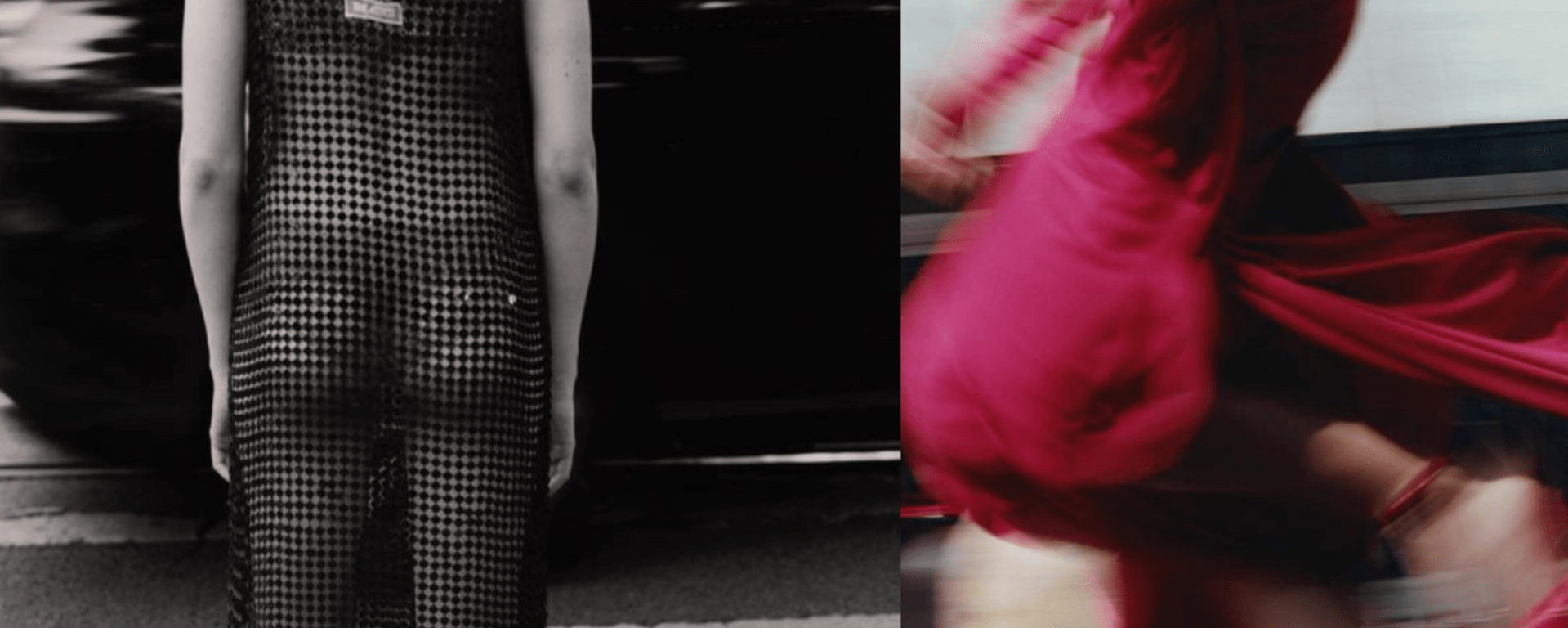
Exploring the Enigma of Success in an Industry Seeking Creative Vision
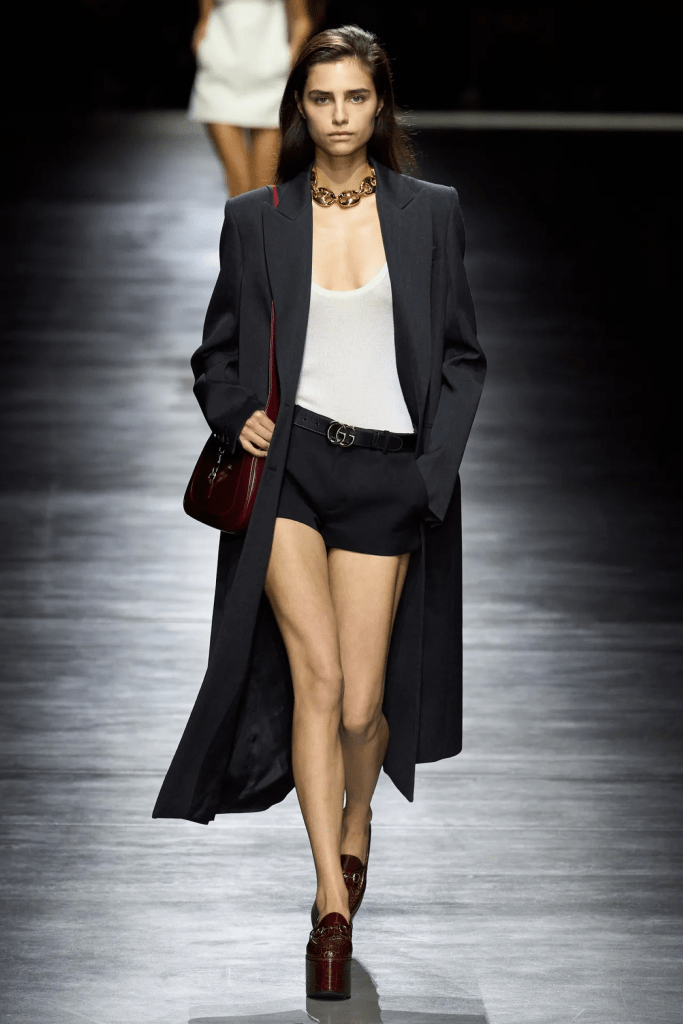
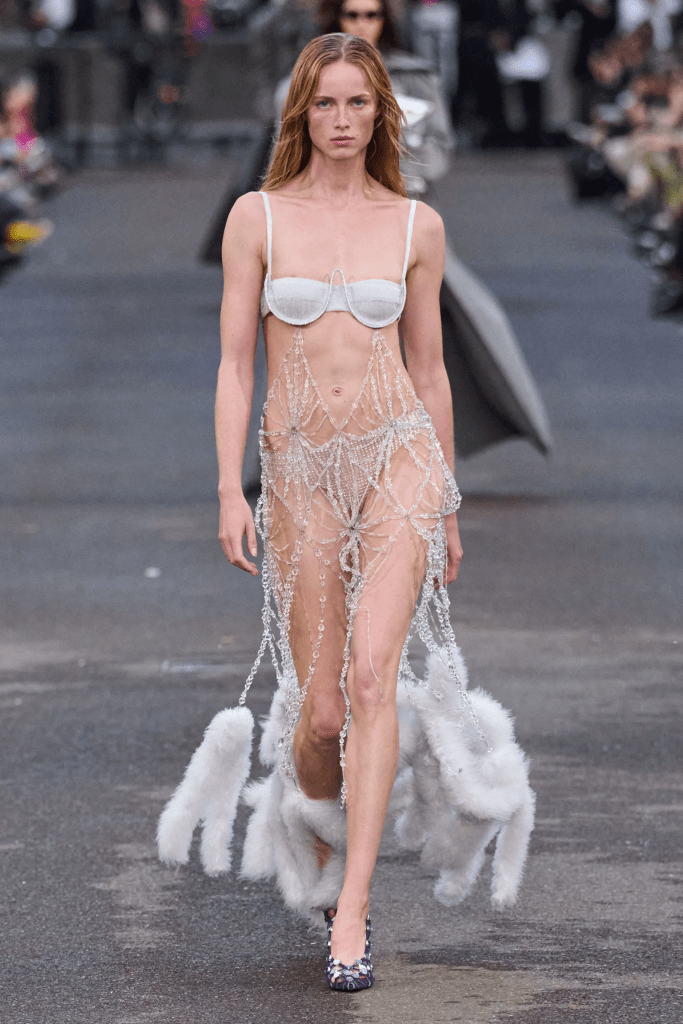
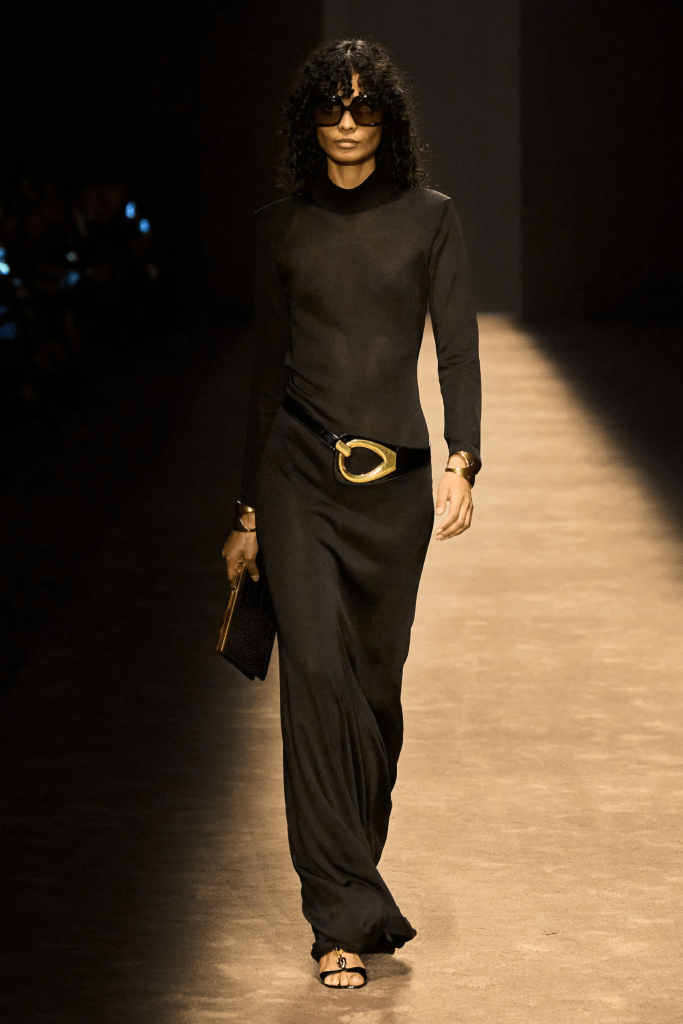
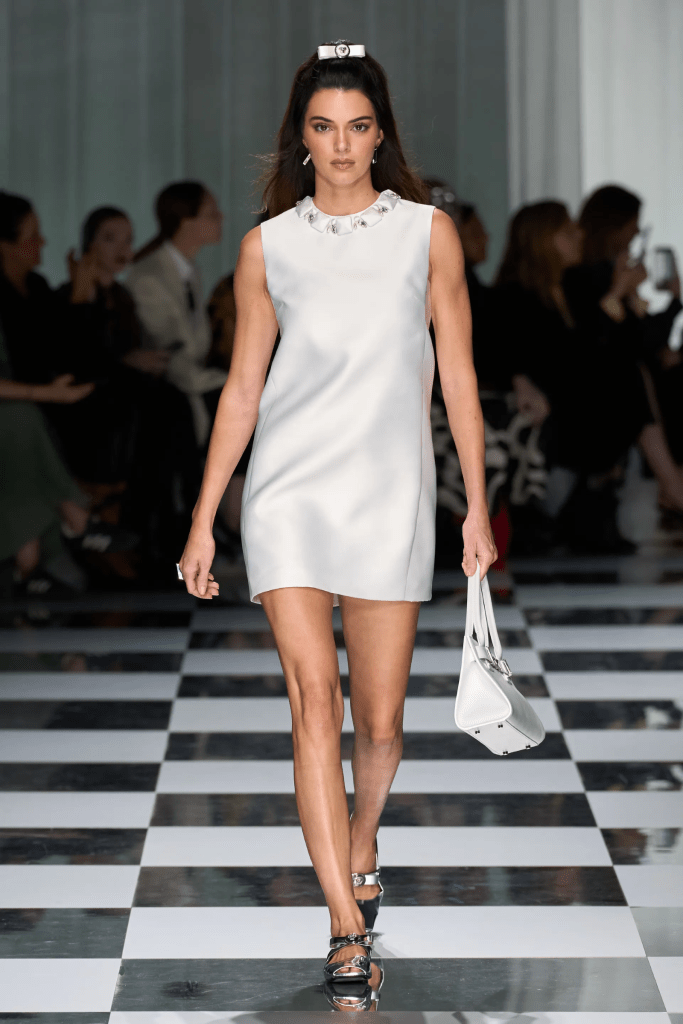
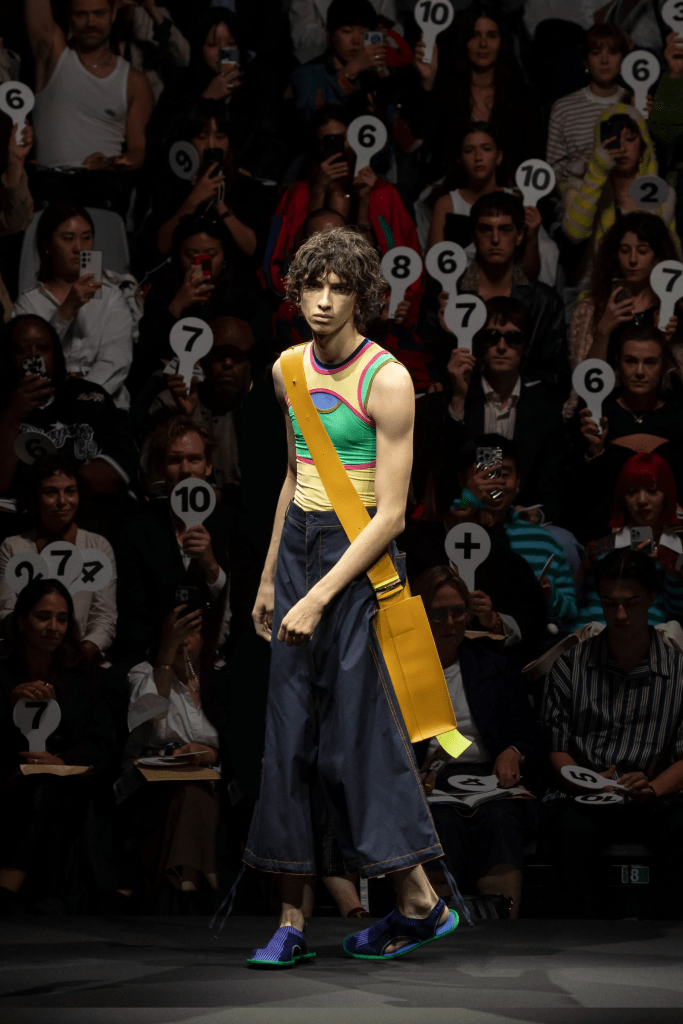
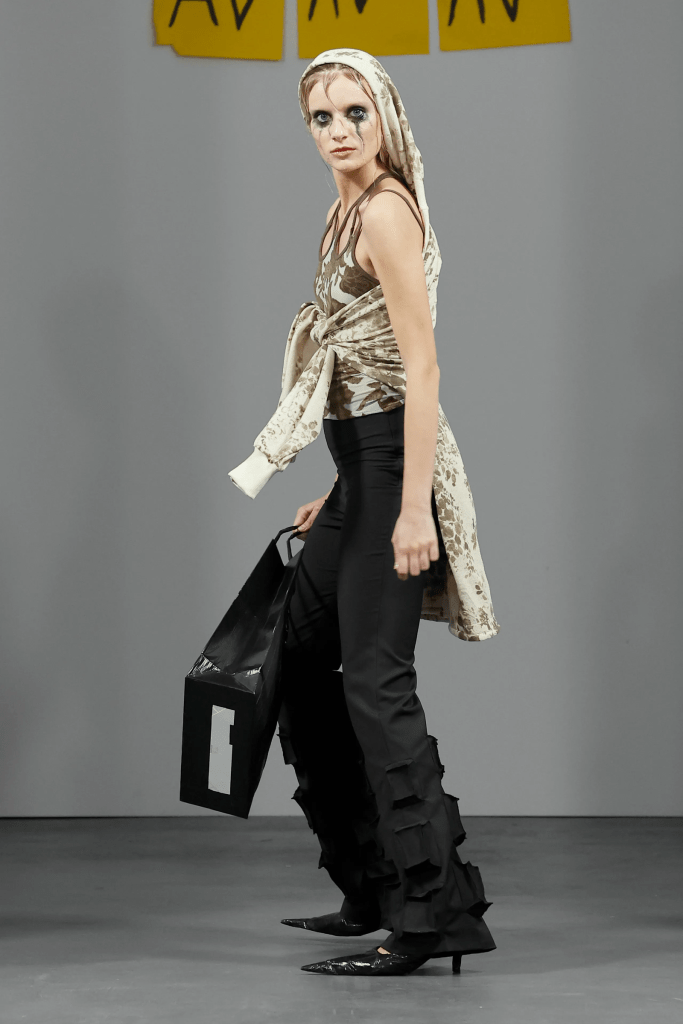
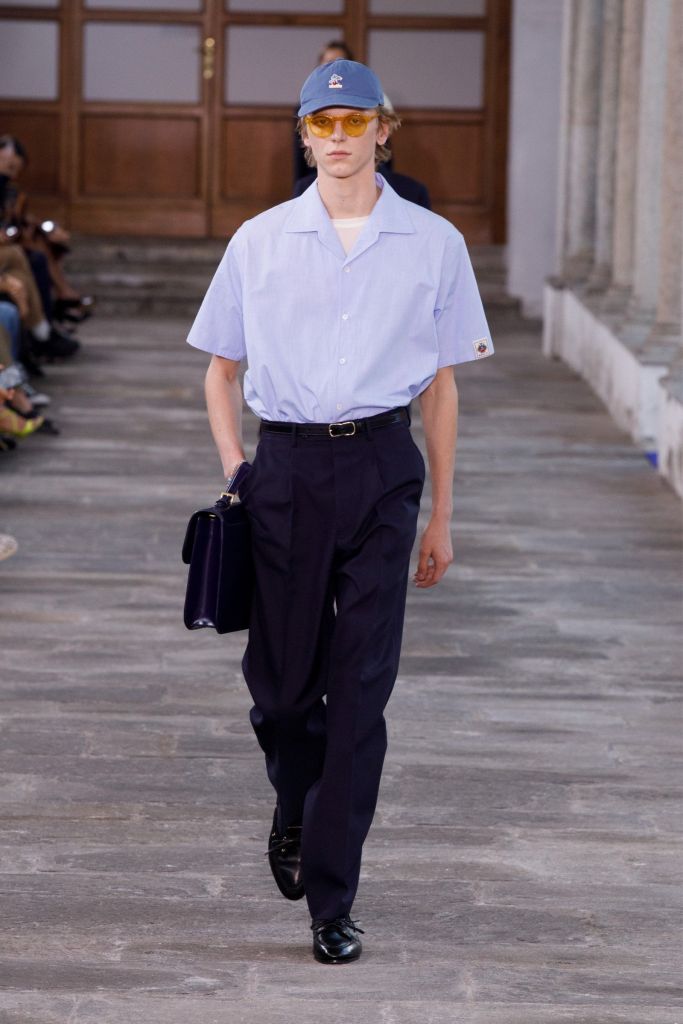
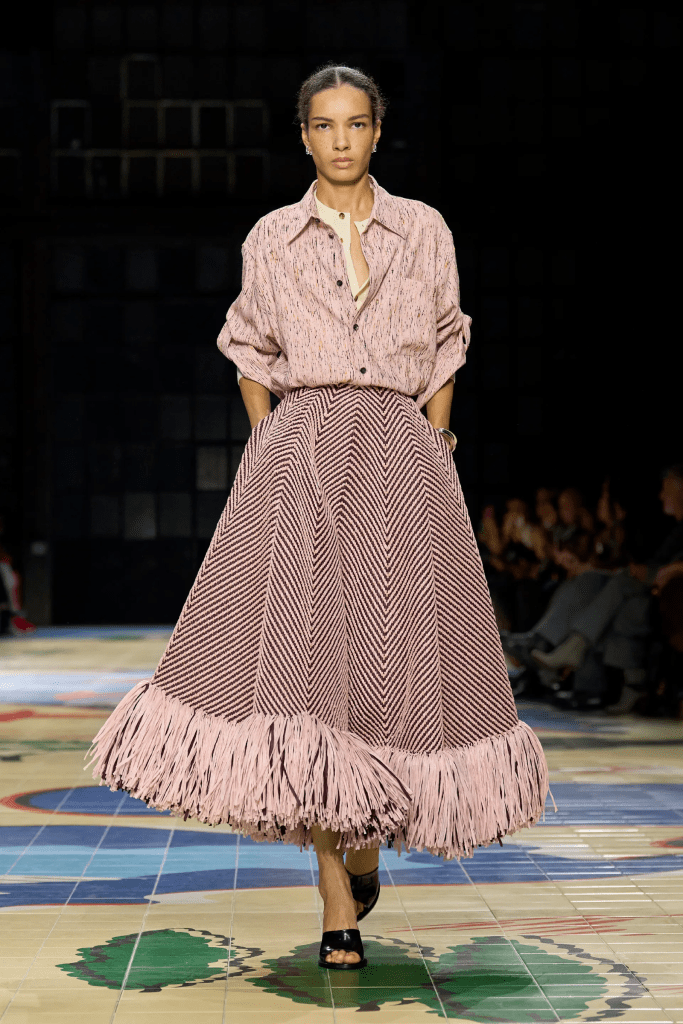
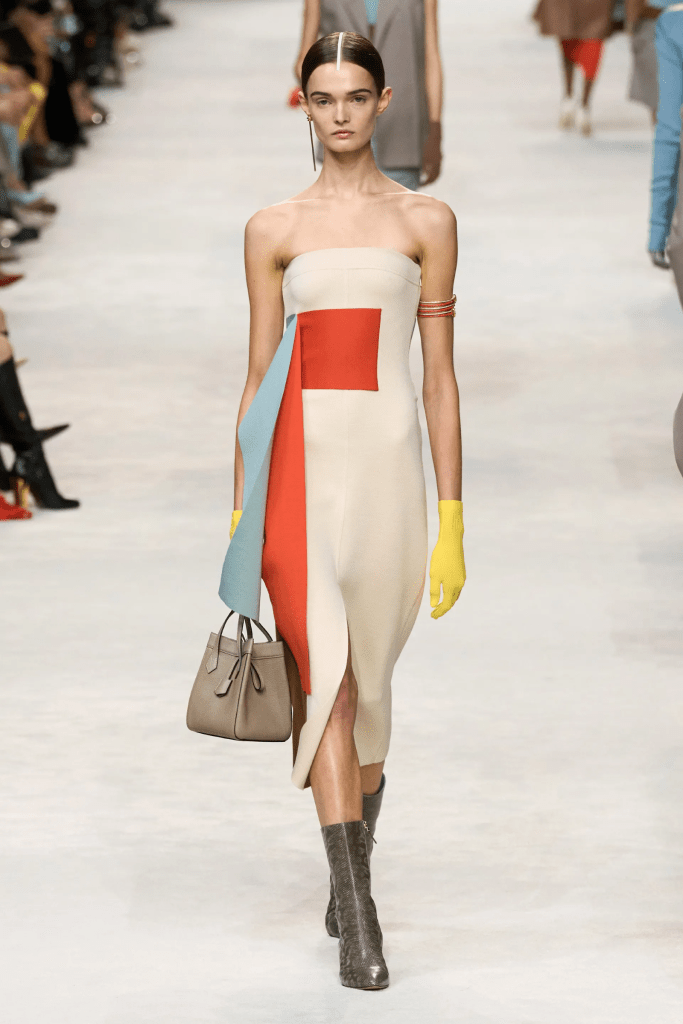
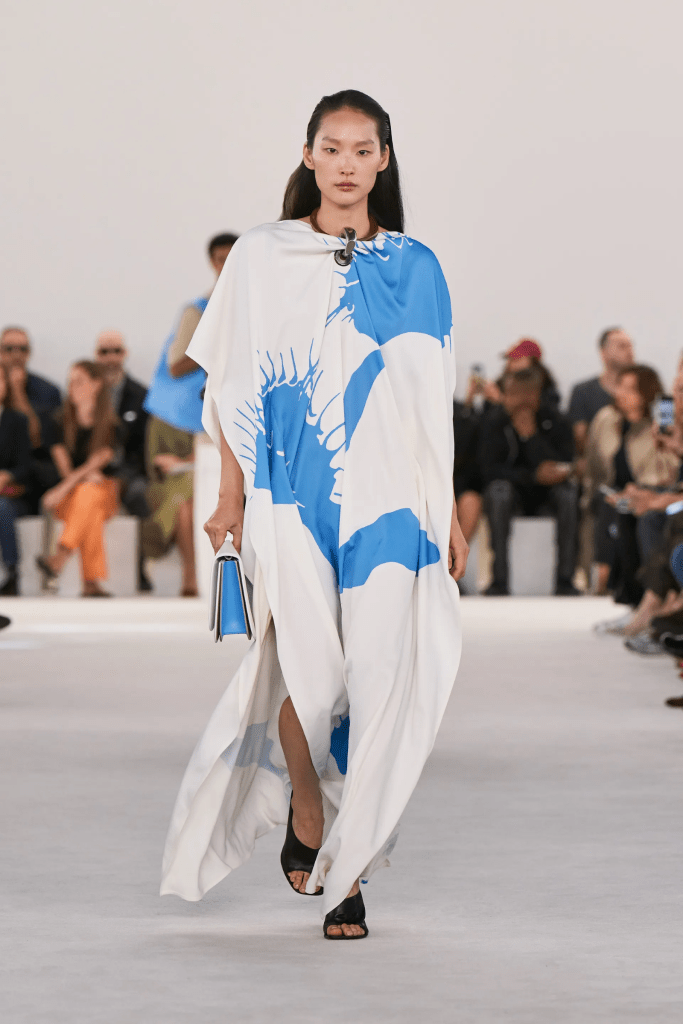
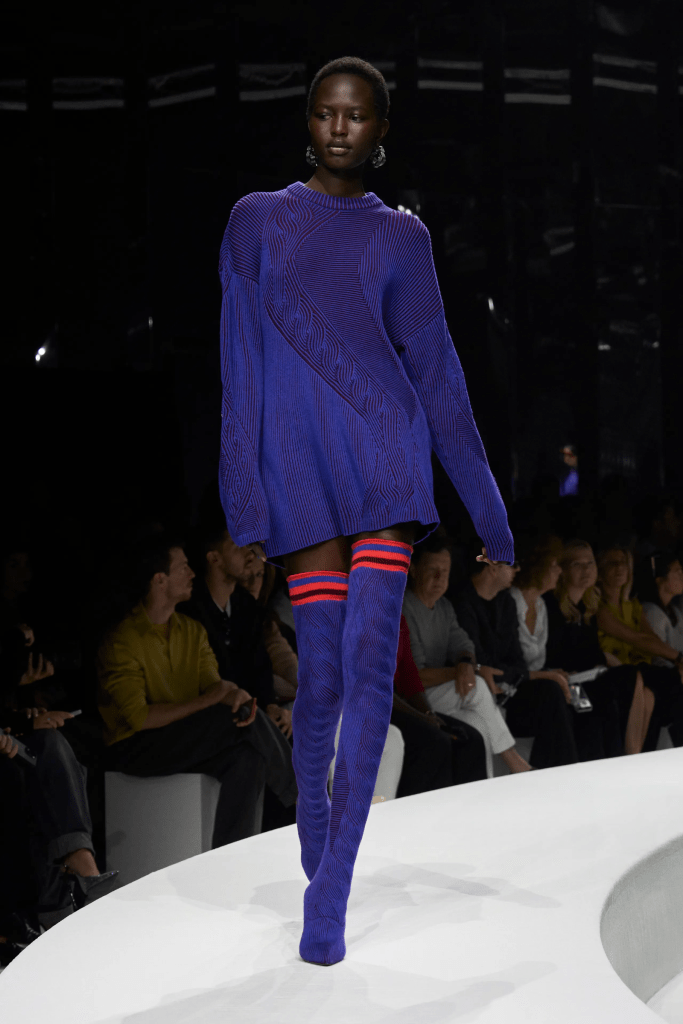
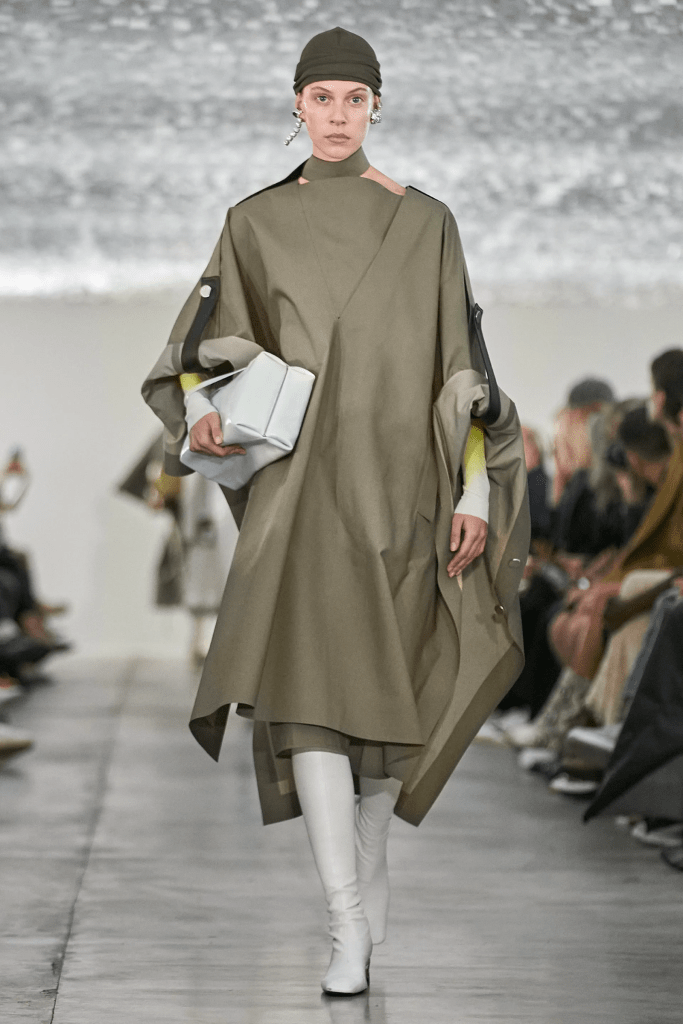
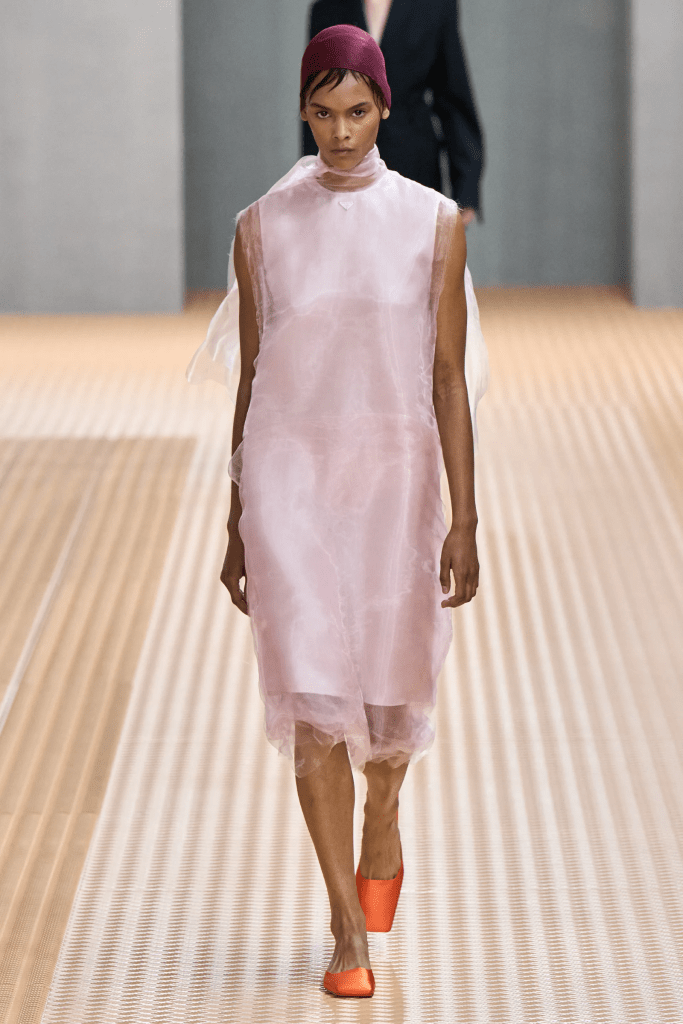
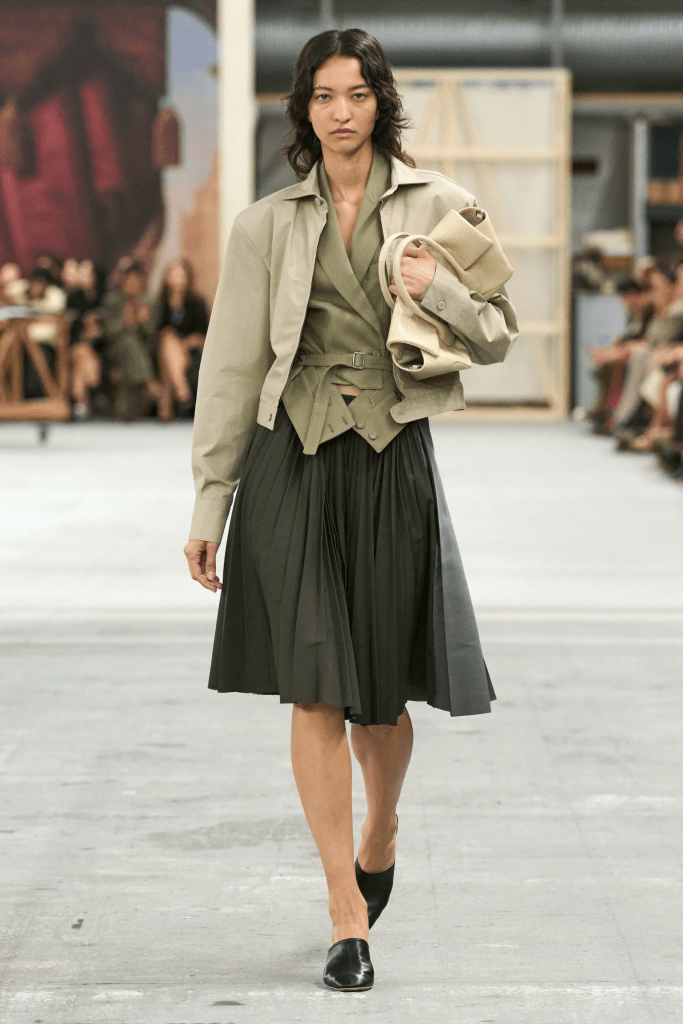
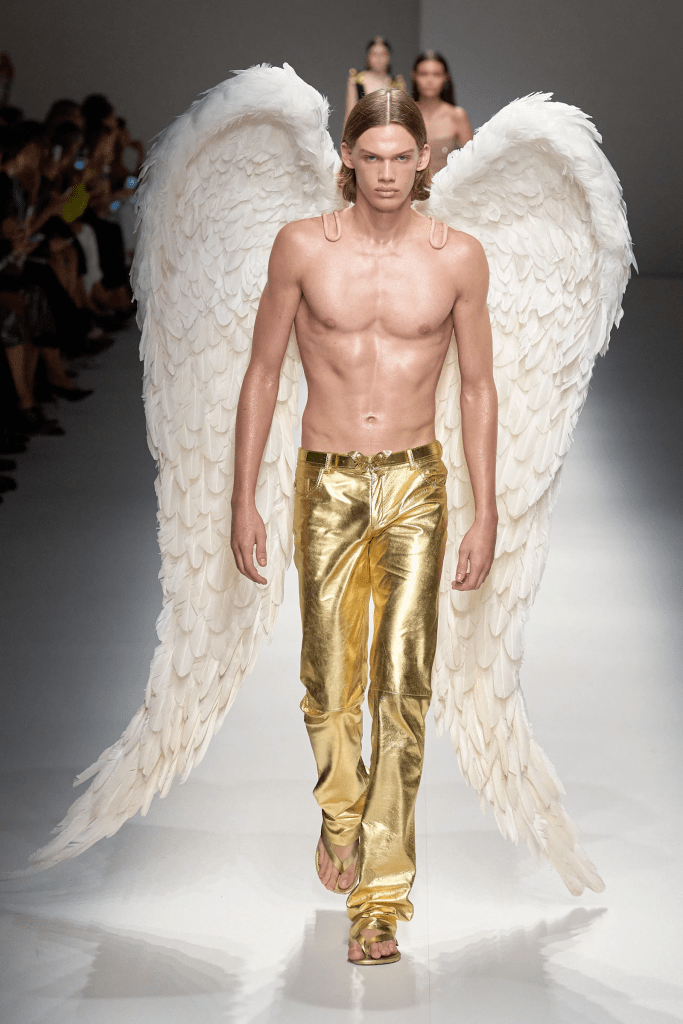
Amidst the glitz and glamour of the fashion world, after the brilliant show by Miuccia Prada and Raf Simons, Miuccia’s words resounded like a clarion call, “I got tired talking about ideas—let’s talk about clothes.” In this seemingly simple statement, she unveiled the underlying mood of the entire fashion week, a mood that echoed throughout the runways, and left us with profound reflections.
What this fashion week showcased was an industry that has matured into a true “industry” in the classic, capitalistic sense. It’s an industry in pursuit of reassurance, a tad wearied of the eccentric and the dreamlike, and determined to decode the enigmatic formula for an ever-elusive success. The fashion realm of today, in many ways, mirrors the ancient alchemical quest, where kings and queens once retained alchemists who promised to transmute lead and straw into gold. Now, designers are the modern alchemists, tasked with turning shoes and handbags into hard cash, striving to uncover the philosopher’s stone of “revenue growth.” Yet, like alchemy of yore, fashion defies precise science, and success often dances to a rhythm unknown.
Immerse yourself as he unveils the enchanting alchemy that elevates a mere runway into a grand spectacle of fashion. From the artistry of ateliers to the precision of runway rehearsals, we delve deep into the inner workings of this vibrant industry.
Yet, amid this quest for profit margins and balance sheets, the importance of faith in the creative visionaries emerges as a recurring theme. The most beloved shows this season were those where the guiding hand of an auteur, capable of leading us into uncharted realms with a clear artistic compass, was palpable. In a world defined by stark contrasts, the lukewarm middle ground has no place; audiences crave experiences that overwhelm, not just seduce.
Consider, for a moment, Prada’s enchanting organza dress—a seemingly simple sheath that, when worn, envelops the wearer in ethereal clouds of smoke, creating a mystical aura. Ponder upon Matthieu Blazy’s creations, where woven leather and raffia skirts transport you to an Ovidian world of marine metamorphosis. Reflect on Rocco Iannone’s Herculean task of breathing new life into Ferrari, a task that may seem almost heroic in its ambitions. Contemplate Walter Chiapponi’s swan song with Tod’s, a masterpiece that resonates with beauty and elegance.
The list doesn’t end there. Think of Sunnei and AVAVAV, two brands that infuse humor and vitality into their designs. Marvel at Maximilian Davies’ Ferragamo and Jil Sander, where perfection is not just achieved but elevated. Delight in Simone Bellotti’s ability to distill Bally’s Swiss spirit with sublime simplicity.
However, not every note hit the right mark. The Attico, despite a promising debut, was let down by unconvincing and perhaps sloppy styling, underscoring the idea that promotion can occur without receiving praise. Elsewhere, a normcore trend prevailed, hinting at the emergence of a new fashion establishment characterized by continuity and longevity, as if it sought to reproduce, translate, and extend the present into an endless illusionistic loop, much like the Droste effect—a reflection within a reflection with no apparent beginning or end.
Sabato De Sarno’s Gucci collection, though divisive, cleansed the brand’s palate, sowing seeds for a more concrete vision of the future. It reminds us that even the grandest oak tree starts as a timid sprout, its greatness inscribed in its tender leaves and slender stem. Fashion, by its very nature, must lead the curve, yet what happens when that curve seems to fold back upon itself, creating a circular, repetitive pattern where what’s in front is what we’ve left behind and vice versa?
This question, permeating the week’s discussions, takes us deeper into the heart of the matter. With the universal quests of fashion seemingly exhausted—brands embracing sustainability and inclusivity—the focus shifts to the microcosm. It’s a shift from gazing at planets and constellations to scrutinizing atoms and molecules, from utopian ideals to a rediscovery of craftsmanship.
This season, more than ever, the programmatic banality, the aura of mediocrity, was as transparent as lace and translucent fabrics seen on the runway. Beyond futuristic creativity and revolutionary designs that can flip the world’s axis, what was truly lacking was culture—a rich and diplomatic relationship that fashion once shared with music, art, and literature. These once served as wellsprings of inspiration, offering profound thematic keys and exciting references to unify diverse looks within a collection, vectors of visions and fantasies.
Today, culture seems mired in nostalgia, a static relic of the past. But culture thrives when it’s actively engaged, when it’s reinvented and reshaped, not merely repotted. This season, many quotes and collections seemed to veer toward pure academicism, lacking the soul that makes a fashion brand truly great.
Ultimately, fashion transcends mere fabric and design; it’s an embodiment of a designer’s spirit and vision. One falls in love with a designer, not merely their clothes. Fashion, at its heart, is an ever-evolving art form, a canvas where creators pour their dreams and aspirations, a dance between tradition and innovation, and a testament to human creativity that stretches beyond the limits of commerce and calculation.
 curlycurlworld: Get Twisted with CurlyCurl: The Latest in Curls, Coils, and Confidence!