
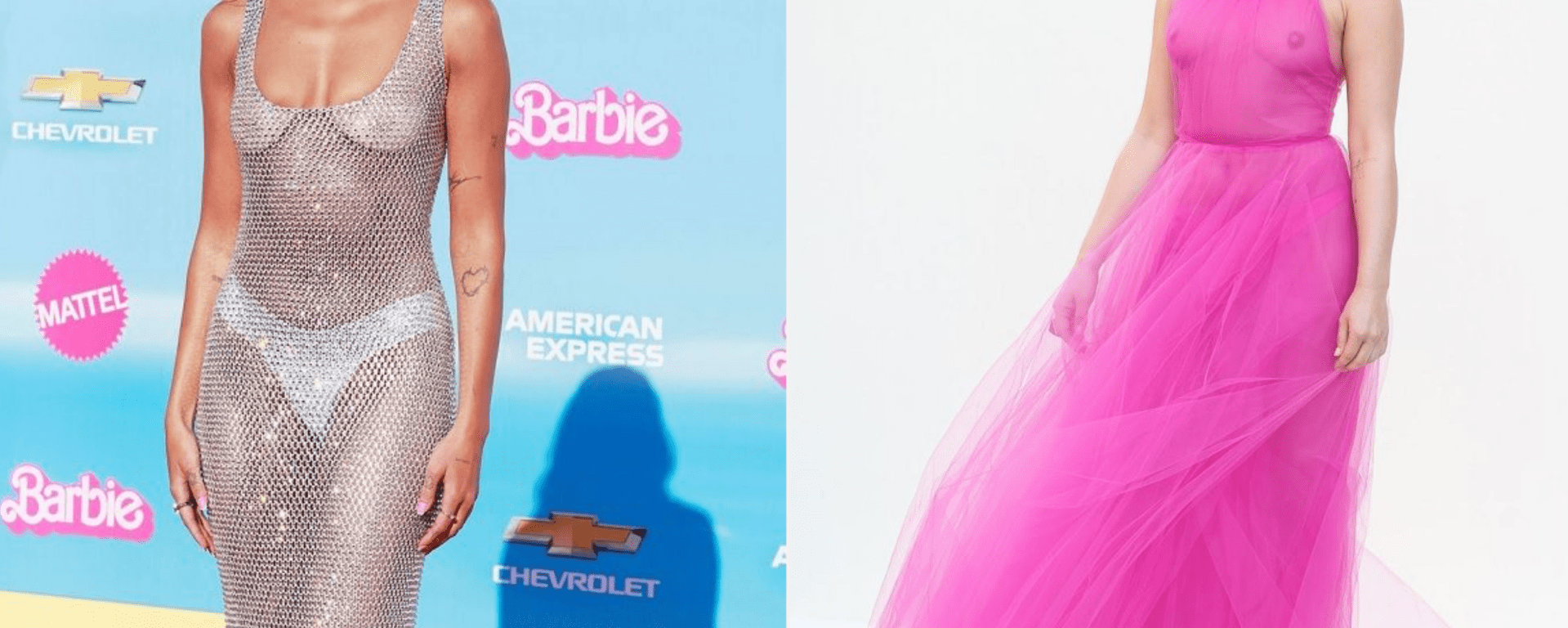
“Exploring the Nuances of Clothing, Identity, and Society in the Age of Nudity as Fashion”


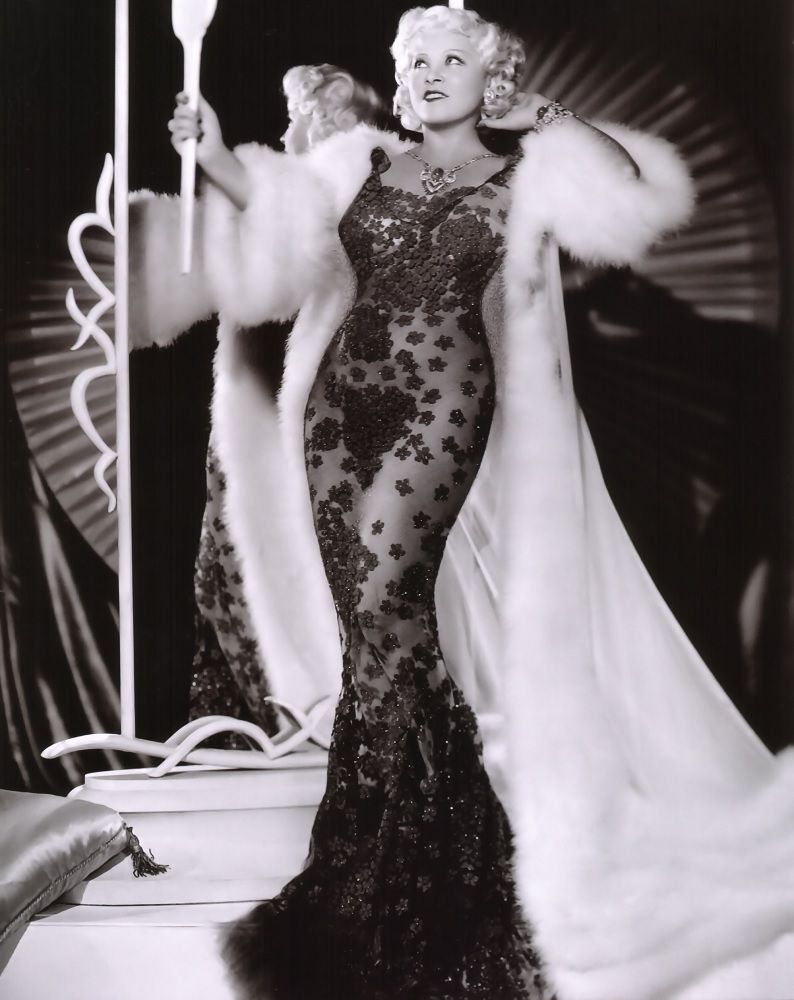
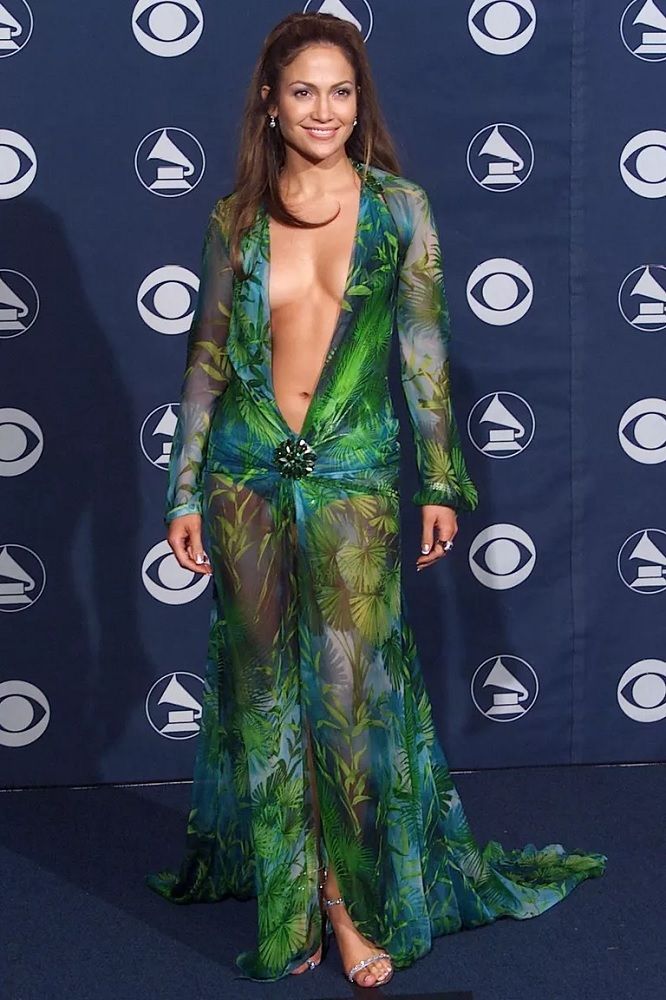

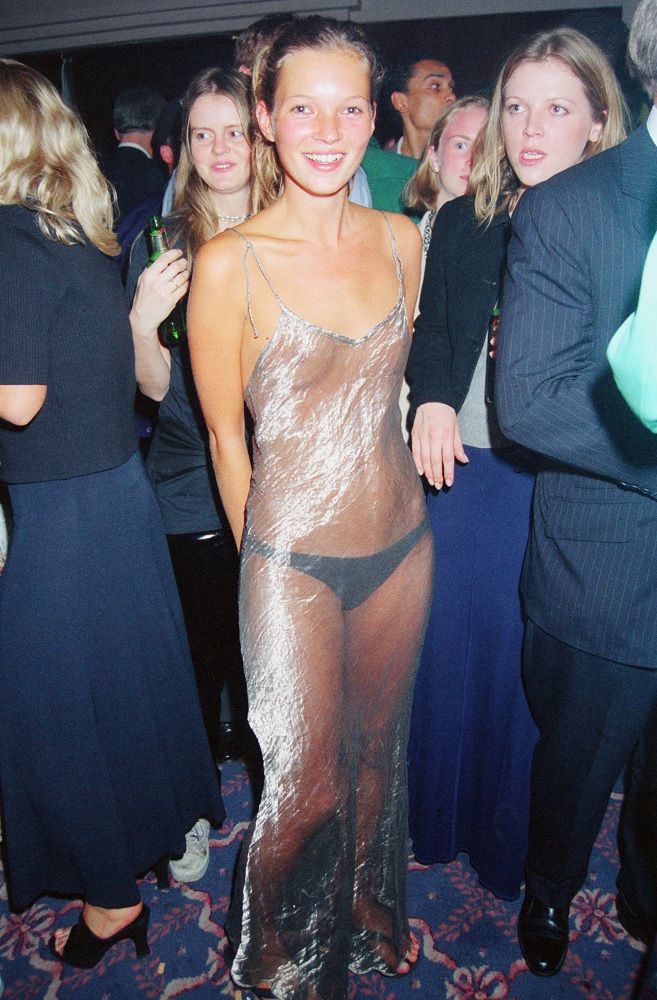


Are there any additional items that one ought to avoid wearing in public? Is there a defined threshold regarding the permissible exposure of bare skin? Who possesses the authority to delineate what qualifies as indecent or acceptable attire? When will society emancipate itself from entrenched conventions, prejudice, and puritanical ideals? Does attire continue to function as a medium through which we communicate aspects of our identity, reflect the prevailing societal values, and express our aspirations, or has it devolved into a mere conformity to be adhered to? These inquiries pervade the thoughts of many in light of the burgeoning trend of embracing nudity as a fashion statement. This phenomenon is increasingly prevalent on fashion runways, from designers like Nensi Dojaka to established brands like Miu Miu with its innovative, trouserless dresses. Notably, celebrities are enthusiastically embracing this trend, pushing the boundaries with ever more audacious outfits. This has ignited a spirited discourse on whether there exists, or should exist, a demarcation that should not be transgressed, especially when such unconventional attire transcends the confines of the red carpet and finds its way onto the streets of our urban landscapes.
The Enchanting Evolution of Nude Dresses in Fashion
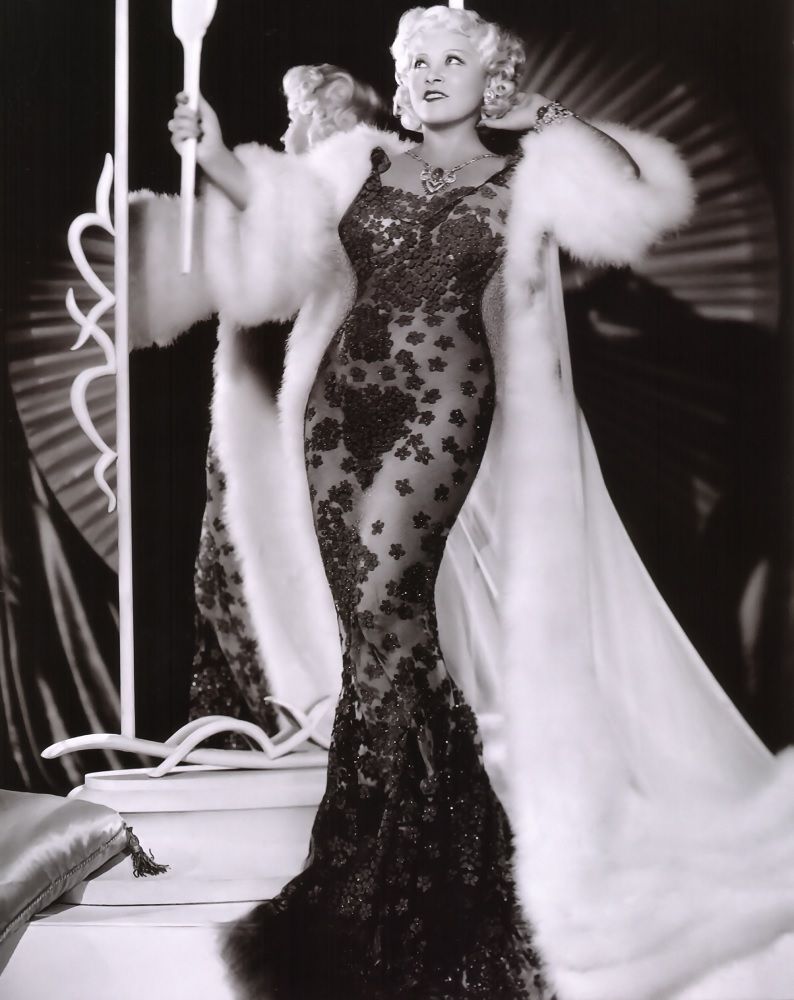
In the glamorous and alluring world of fashion, the term “nude dress” made its dazzling debut during the heady days of the 1930s. At that time, it referred to a revolutionary strapless gown that sent shockwaves through the industry for its audacious, skin-baring design. As mid-century Hollywood glittered with stars, trailblazers like Mae West and Marlene Dietrich continued to captivate audiences, pushing the boundaries of what was considered acceptable attire. These leading ladies donned stage costumes that not-so-subtly hinted at nudity, adding a layer of mystique and fascination to their performances.
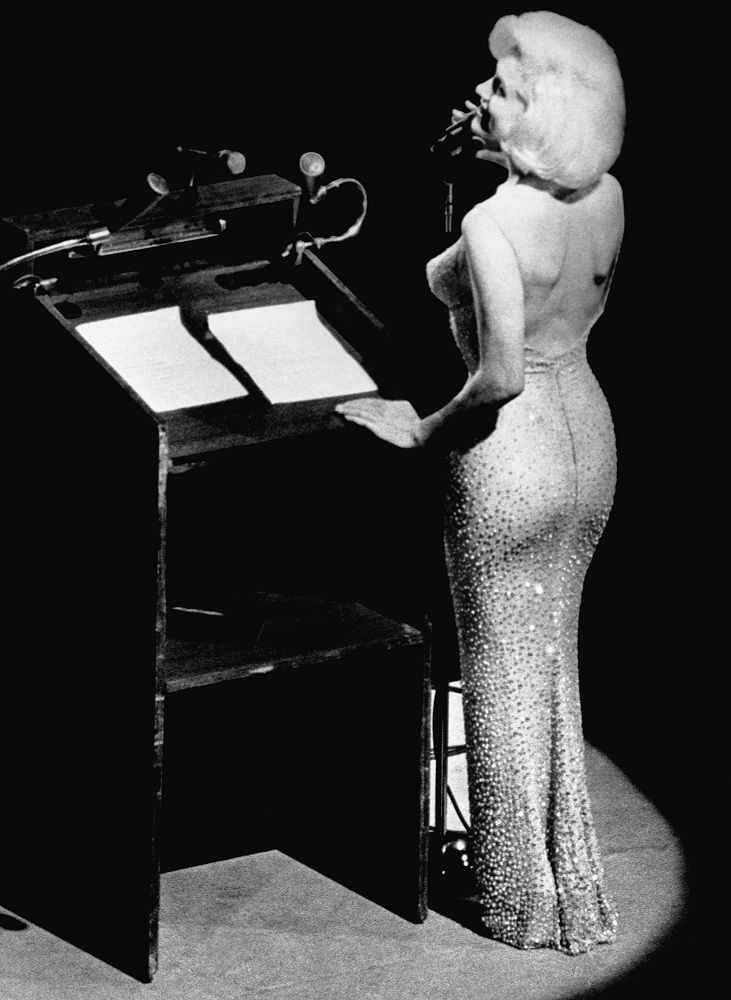
However, it was the enchanting Marilyn Monroe who elevated the “illusion dress” to mainstream stardom in 1962. In a moment of sheer elegance and seduction, she graced the stage in a flesh-toned, rhinestone-encrusted gown, which clung to her like a second skin as she sensuously serenaded President Kennedy with “Happy Birthday.” This iconic performance forever etched the allure of the nude look into fashion history.
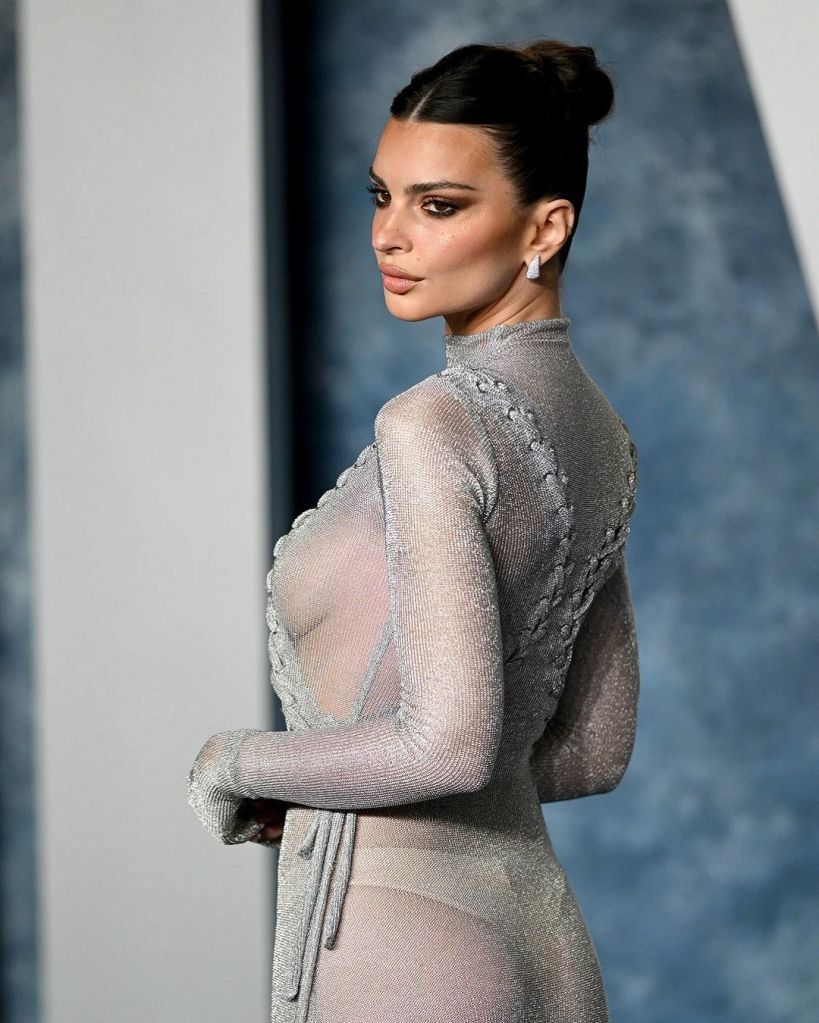
Over the ensuing years, the nude look has continued to captivate fashion aficionados with its mesmerizing blend of daring and sophistication. It has evolved to encompass attire that cleverly mimics nudity through the use of fabrics matching the wearer’s complexion, thereby tantalizing the imagination. Alternatively, it embraces transparency, teasingly revealing strategic portions of the body, or it boldly features slits and plunging necklines that expose ample skin, much like the unforgettable Versace dress famously worn by Jennifer Lopez at the 2000 Grammys. This ongoing evolution of the nude dress continues to intrigue and fascinate, leaving us to wonder where this captivating journey will lead next.
“Sartorial Scandals: The Enduring Allure of the Nude Look on the Red Carpet”
Displaying one’s body on the illustrious red carpet remains an age-old, yet unfailingly captivating method of commanding the spotlight. Esteemed celebrities of bygone eras have mastered this artistry, well aware of its potency. In the annals of fashion history, few moments can rival the impact made by Cher at the 1974 Met Gala. She graced the event in a transparent masterpiece crafted by Bob Mackie, an audacious choice that reverberated throughout the industry. Cher’s choice was more than a sartorial statement; it was a manifestation of self-expression intertwined with the assertion of female emancipation.
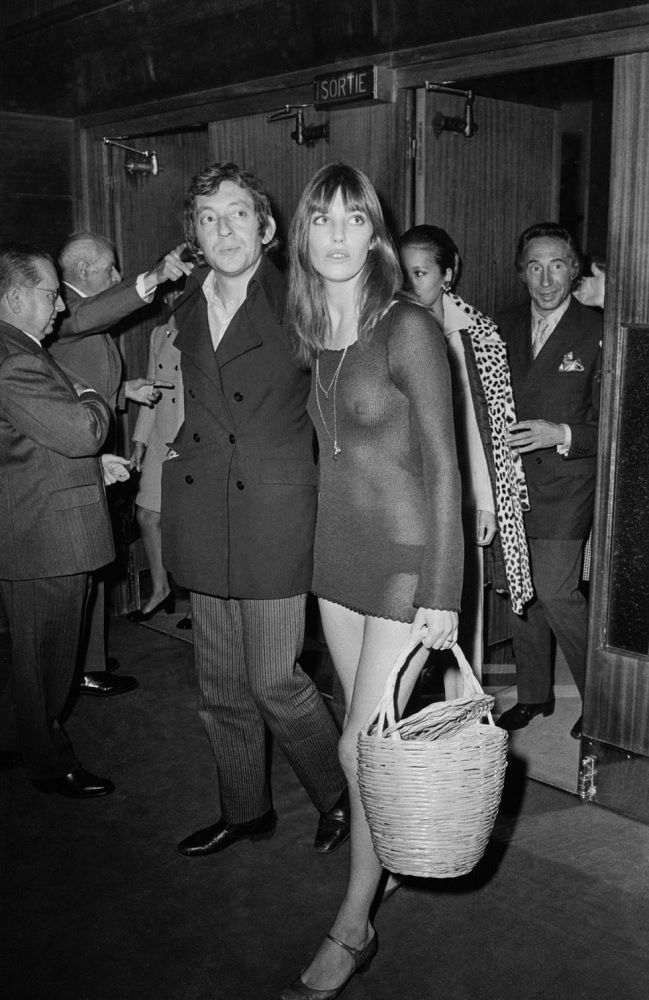
Jane Birkin unwittingly etched her name in this pantheon of daring fashion at the 1969 premiere of “Slogan.” She sported a jumper as a minidress, blissfully unaware of its sheer transparency, leaving onlookers both scandalized and entranced. Likewise, the indomitable Kate Moss was immortalized in a slip dress at a 1993 party, confessing her surprise at its revealing nature in the relentless glare of paparazzi.
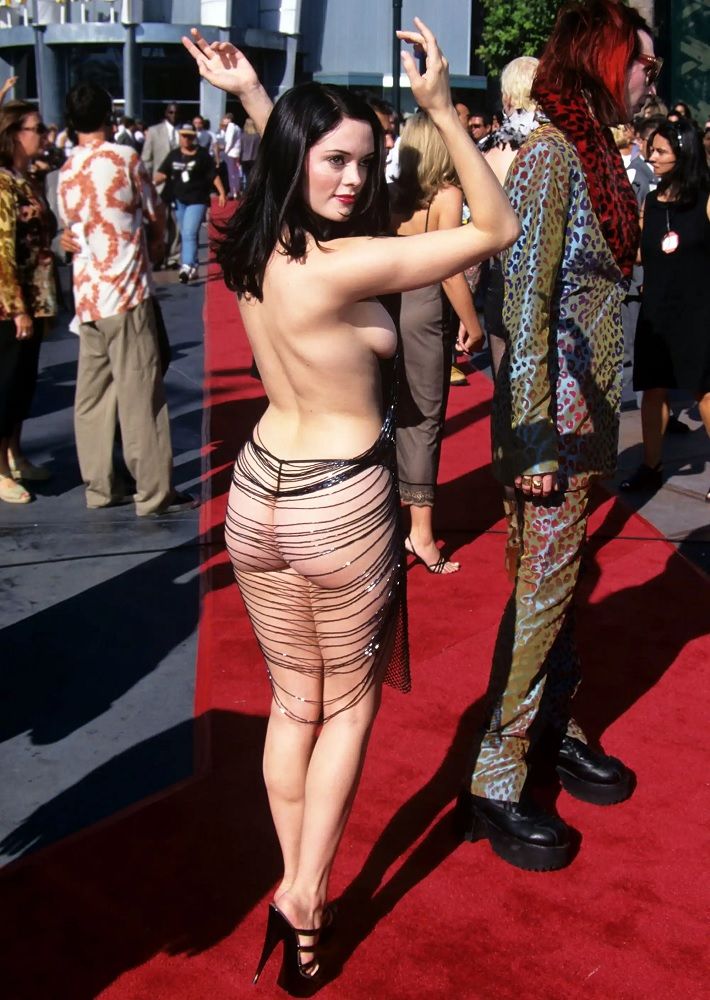
Then there was the unforgettable Rose McGowan at the 1998 MTV Awards, adorned in a dress bedecked entirely with pearls and a thong. Behind this provocative moment, one of the most buzzed-about on any red carpet, lay a poignant narrative—a reclamation of her body and sexuality after enduring the trauma of assault. More recent chapters in this captivating saga include Rihanna, bedecked in over 200,000 Swarovski crystals at the 2014 CFDA Gala, Zoë Kravitz’s Saint Laurent ensemble at the 2021 Met Gala, and Dua Lipa in Bottega Veneta at the Los Angeles premiere of Barbie.
Whether it’s an assertion of the right to bare one’s body, a strategic attention-grabbing maneuver, a subtle defiance against the malevolent gaze, or an endeavor to challenge conventional beauty norms à la Lizzo, the nude look retains its resounding impact. This was starkly evident in the 2022 pink Valentino dress that unveiled a tantalizing glimpse of Florence Pugh’s bosom, inciting critique, notably from male quarters. In response, Pugh eloquently articulated her perspective on Instagram, shedding light on society’s discomfort with the human body as a form of colonization and brainwashing, asserting that it’s merely a vessel that we all inhabit. This, indeed, underscores the enduring power and relevance of the nude look in our ever-evolving cultural tapestry.
Bare Boldness: Unveiling the Power and Politics of the Nude Look in Modern Fashion
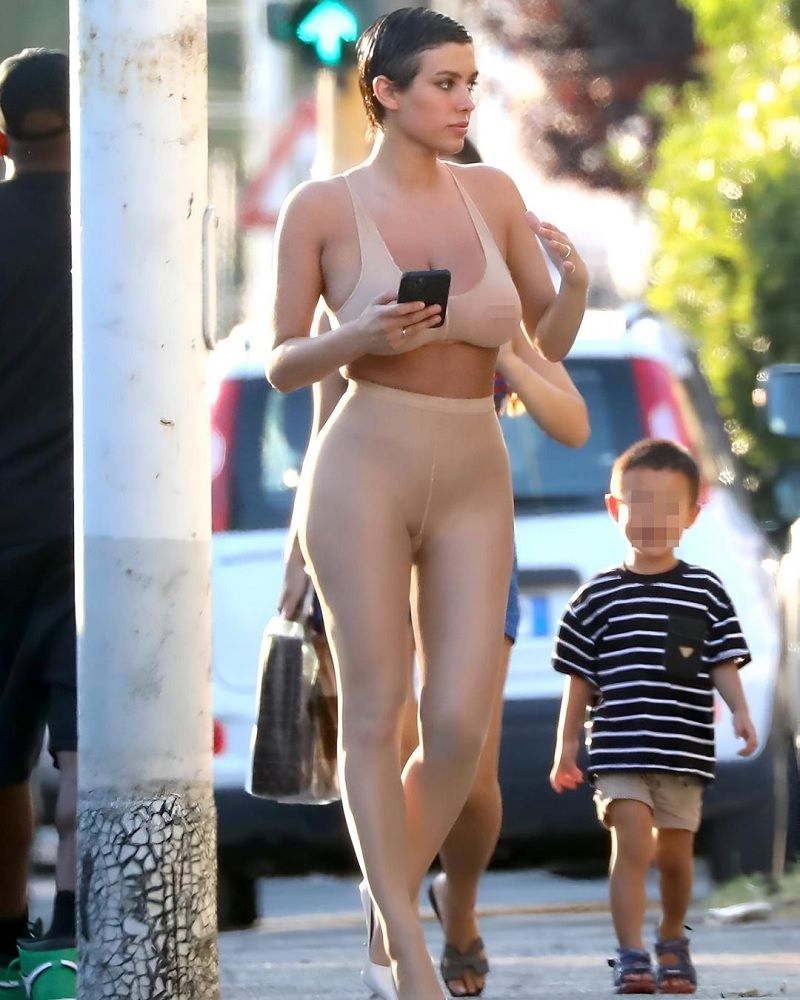
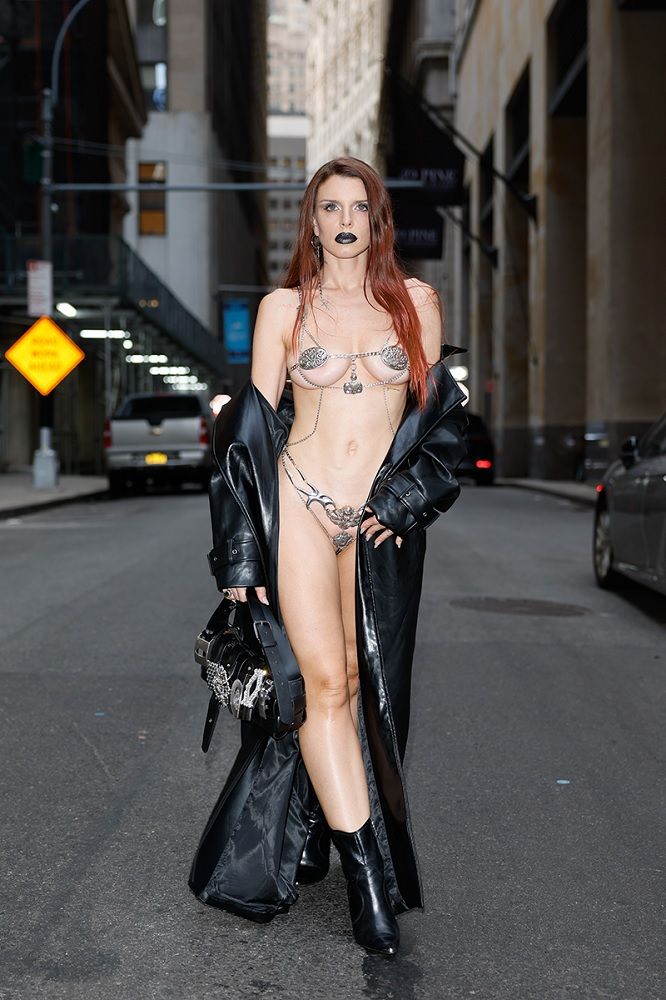

The allure of the nude dress has reached unprecedented heights, with recent luminaries like Doja Cat, Julia Fox, and Bianca Censori wholeheartedly embracing this audacious trend. Doja Cat, gracing the stage at the Victoria’s Secret World Tour, donned a revealing slip dress that unveiled her tattooed canvas and a diminutive thong—a comparatively understated choice within the realm of contemporary fashion, albeit one that was far from comfortable, as the artist candidly confessed. In a series of since-deleted Instagram stories, she lamented the dress’s construction and undergarments, highlighting the discomfort that can accompany such bold attire.
Julia Fox, on the other hand, seems unfazed by the discomfort, as evidenced by her penchant for provocative ensembles that have garnered her notoriety. She kicked off NYFW 2023 with a minimalist ensemble, comprising a petite bra adorned with nipple covers and a thong that resembled jewelry more than swimwear. This daring look was accentuated by a lengthy leather trench coat. While her previous escapades, such as shopping outings clad in lingerie and a denim bra, raised eyebrows, her fashion choices continue to intrigue and provoke anticipation.
However, it’s Bianca Censori who has faced the harshest scrutiny. As Kanye West’s new spouse, she has captivated the media’s attention during her sojourn in Italy, donning nearly nonexistent dresses, flesh-toned tights, skimpy tops sans bras, all under skin-tight lycra leotards, leaving little to the imagination. Setting aside personal preferences, many have singled her out as the primary antagonist of public decorum. The Daily Mail went so far as to call for her arrest or at least a fine, branding her six outfits as scandalous. But is this condemnation justified?
Our society remains deeply entrenched in patriarchy, perpetuating the sexualization and commodification of women’s bodies, catering to prying eyes. Perhaps it’s time for a paradigm shift, an expansion of our horizons concerning notions of taste, modesty, and scandal. Could responding with a touch of irony instead of puritanical condemnation be a means to foster a broader, more inclusive perspective on the female body—one that embraces personal freedom and diversity? In the present, women’s bodies find themselves entangled in a political battleground, where even a revealing outfit can symbolize the reclamation of self-determination and empowerment.
Instead of directing our outrage towards individuals like Bianca Censori with her exposed nipples, perhaps it’s better directed at those who obstruct access to abortion or blame victims of assault based on their attire. Perhaps a translucent dress that challenges societal norms can serve as a catalyst for introspection and, ultimately, a catalyst for change—an avenue towards embracing freedom of expression, choice, non-conformity, and inclusivity.
 curlycurlworld: Get Twisted with CurlyCurl: The Latest in Curls, Coils, and Confidence!