
A Candid Look at Diversity, Equity, and Inclusion in the High-Stakes World of Streetwear
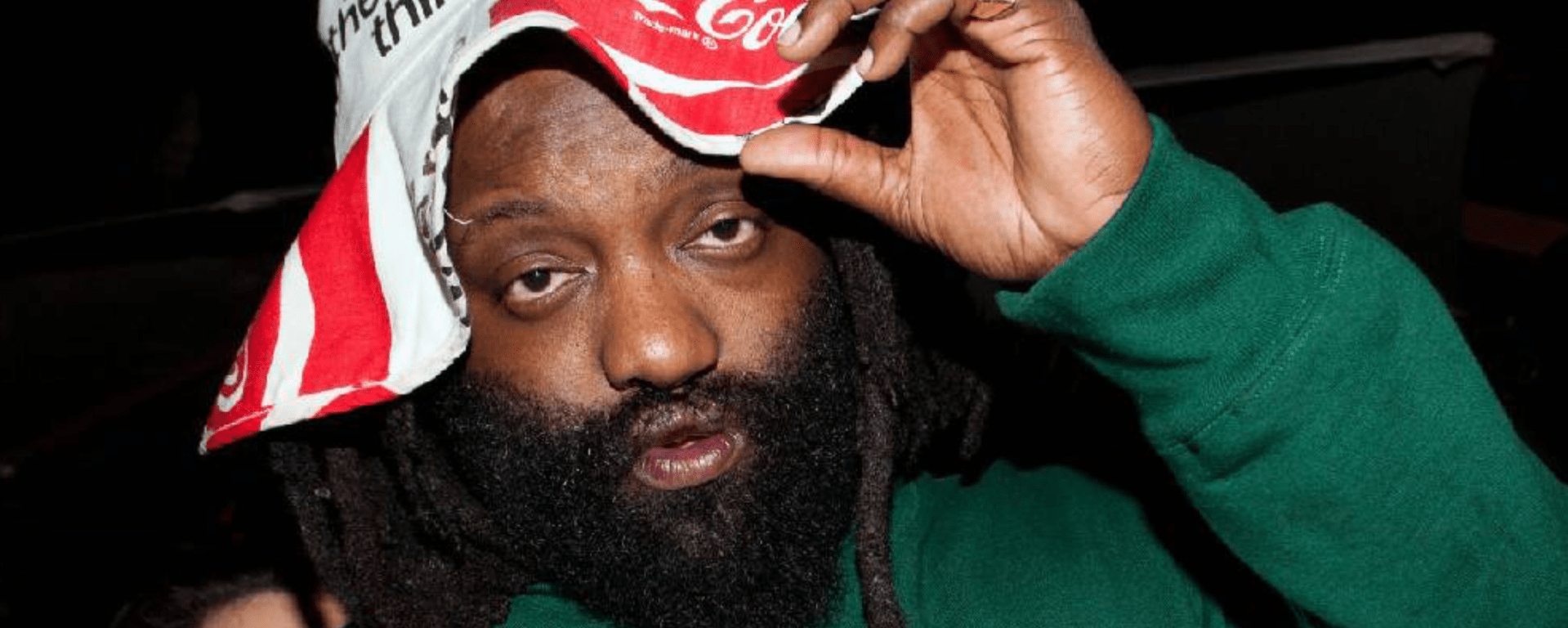
Yesterday morning, a seismic shift reverberated through the fashion world as Supreme’s creative director, Tremaine Emory, announced his resignation after just 18 months at the helm. In a poignant resignation letter that sent shockwaves across the industry, Emory pointedly laid bare the systemic racism festering within the very structure of Supreme, a brand known for its streetwear legacy.
As the news broke, Emory’s words ricocheted, with industry insiders and fans alike stunned by his departure. His letter cited the toxic undercurrents of systemic racism as the chief catalyst for his exit, sparking intense debate and reflection within the fashion community.
In a swift response, Supreme issued a statement, firmly refuting Emory’s characterization of the company. They adamantly denied any cancellation of the Arthur Jafa project, a collaboration that had been at the epicenter of this controversy.
However, Tremaine Emory was not to be silenced. He turned to Instagram to amplify his message, encouraging his followers to delve into Robin DiAngelo’s “White Fragility” – a clarion call to recognize the challenges of navigating a system inherently skewed in favor of white heterosexual males.
In a series of poignant posts, Emory peeled back the layers of his decision, exposing a pivotal incident involving the Arthur Jafa collaboration as the tipping point. He revealed that James Jebbia, Supreme’s founder, acknowledged a crucial oversight in communication. The collaboration’s imagery, which depicted the harrowing history of black men subjected to hangings and the scars of slavery, had deeply disturbed one of the few black employees in the design studio.
Emory’s frustration swelled as he emphasized that his intention was to dismantle the systemic racism entrenched within Supreme, not to provoke racial tension. In a damning indictment of the company’s response, he accused them of attempting to conceal the profound racial disparities that permeate not only Supreme but countless white-owned corporations.
His Instagram posts served as a stark reminder that addressing systemic racism requires more than empty statements – it demands a collective acknowledgment of the issues at hand and a genuine commitment to change. Emory’s resignation, marked by its unapologetic candor, has sparked a crucial conversation about diversity, equity, and inclusion within the fashion industry.
Emory’s tumultuous journey at Supreme transcends mere personal narrative; it serves as an incisive lens through which we can dissect the deep-rooted issues that have permeated the contemporary fashion industry. Supreme, a brand that has unapologetically profited from streetwear and Black culture, found itself at a historic juncture when it appointed its first creative director in thirty years, only to witness his resignation in the blink of an eye. However, the most harrowing aspect of this tale isn’t the existence of systemic racism; it’s the deafening silence, the obstinate denial, and the resolute unwillingness to confront and remedy this insidious problem.
Systemic racism, or institutional racism, goes beyond the actions of a single individual; it’s the reflection of a deeply ingrained bias woven into the very fabric of an institution or organization. It’s the discriminatory structures, expectations, and norms that fester within, perpetuating inequality based on one’s ethnic identity, particularly when that identity falls within a marginalized or minority group. The essence of this concept lies in the institution’s structure and the choices of those who shape it, often individuals of Caucasian heritage.
Within the fashion industry, which thrives on its ability to appropriate and capitalize on diverse cultures and influences, to claim immunity to systemic racism is to wilfully ignore reality. To stand idly by, doing nothing to challenge this ingrained issue, is an undeniable complicity in a problem that corrodes the very essence of the industry. Many major brands, caught in the throes of denial, fail to grasp that inaction is an implicit endorsement of the systemic racism that lingers like a specter, tarnishing their legacy and relevance in an increasingly socially conscious world.
Over the past few years, the fashion industry has seen a disheartening trend: the appointment of very few Black creative directors, especially those who aren’t already celebrities, within its most prominent luxury brands. What’s even more concerning is that some of those who did secure these positions subsequently departed all too swiftly. While many brands vocally express their intent to embrace diversity, they often overlook the profound transformation required to truly effect change. It’s a transformation that extends far beyond simply hiring a Black Creative Director.
Fashion, irrespective of its streetwear or high-end pedigree, holds an intrinsic connection to culture. It’s deeply personal, an intricate dance between creativity and identity. While the visionary designer may intimately understand their culture, along with the respect and execution it demands, this intricate dance can swiftly become a discordant stumble if the individuals surrounding them fail to share this understanding. What’s missing, and what many companies seem to overlook, is the additional layer of support essential for this intricate choreography to succeed. Hiring more Black professionals, beyond just the designer, is paramount.
Consider this scenario: Tremaine Emory, as the creative director, helms a project featuring sensitive imagery such as Black men hanging. If he were supported by a Black CEO or CMO who comprehended the cultural nuances and implications at play, it would be immediately apparent why releasing such content under a predominantly white-owned corporation would be culturally problematic. However, this critical perspective was absent until Emory made the painful decision to resign.
Superficial shifts in the industry may suggest progress, but Supreme’s callous disregard and complacency throughout this ordeal should serve as a stark warning to other brands. True transformation demands more than just diversifying the creative roster. It necessitates providing the unwavering support that Black and Brown creatives rightfully deserve in order to execute their roles effectively.
The path to an equitable and genuinely diverse fashion industry isn’t simply about bringing diverse talent into the fold; it’s about nurturing and empowering them, ensuring that their voices are heard and their perspectives respected at every turn. Only then can the industry truly evolve into a beacon of inclusivity and creativity that it aspires to be.
 curlycurlworld: Get Twisted with CurlyCurl: The Latest in Curls, Coils, and Confidence!