
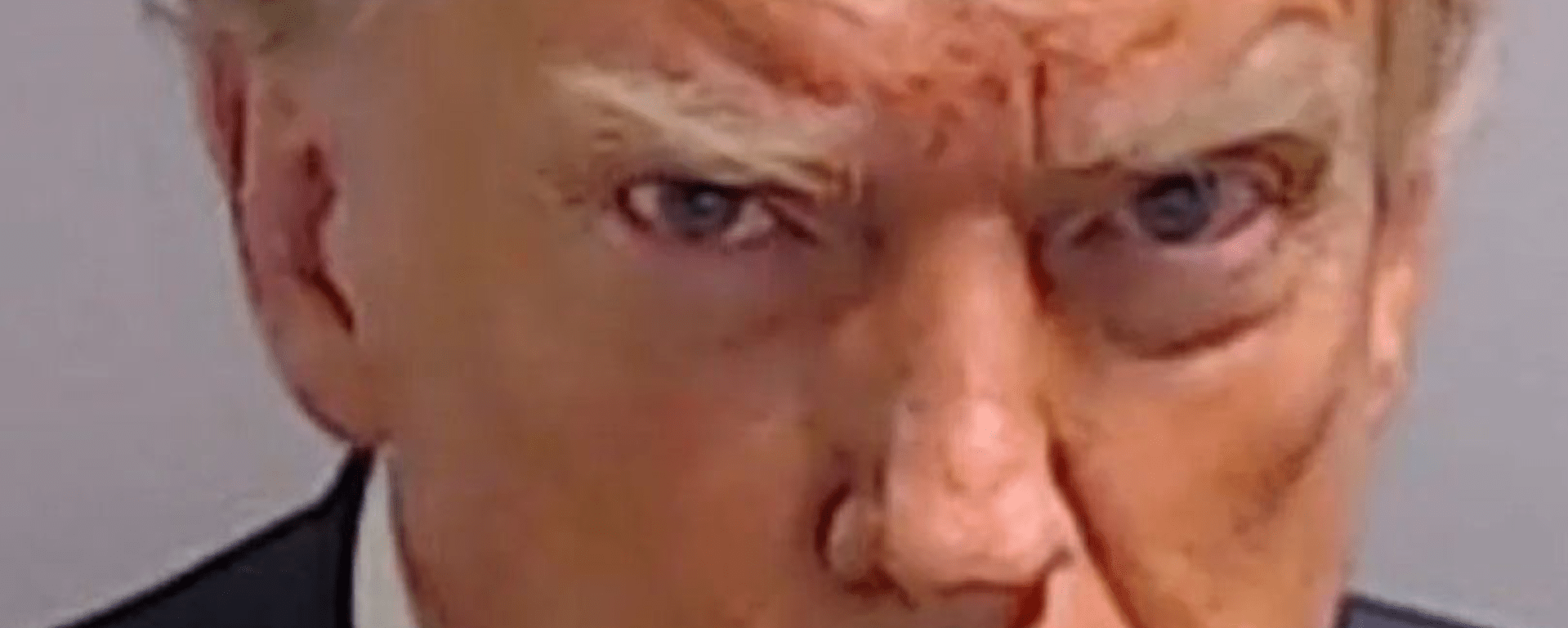
The recent release of Donald Trump’s unprecedented mugshot has quickly cemented its place as an iconic image, captivating media outlets and earning the coveted title of “shot of the year.” This remarkable snapshot marks a historic juncture, capturing a former US President like never before, as his legal battles continue to unfold. The mugshot’s emergence, made possible due to Georgia’s unique legal regulations, adds a compelling layer to Trump’s ongoing narrative, specifically his alleged involvement in the 2020 elections.
In a strategic move, Trump has ingeniously repurposed this image, seamlessly integrating it into his 2024 presidential campaign merchandise lineup. Among the array of items available for purchase – including t-shirts, posters, mugs, and stickers – his unmistakable mugshot takes center stage, adorned with the motivational words “never give up!” This arresting visual has also made a triumphant return to Trump’s long-dormant Twitter profile, which had been in hiatus since its suspension at the beginning of 2021.
Yet, even before this suspension, Trump exhibited his flair for turning controversy into commerce. He had already introduced a t-shirt featuring a mock mugshot of himself, boldly declaring his “not guilty” stance. Now, he’s once again leveraging his arrest image, this time to rally financial support for his campaign. This strategic play is anticipated to resonate particularly well with his unwavering base, a significant faction who staunchly maintain his innocence despite the mounting allegations.
With his legal saga intensifying, the former Republican president is poised to confront four distinct trials, collectively comprising a staggering 91 charges. As the legal drama unfolds, Trump’s use of his mugshot as both a symbolic rallying cry and a resourceful fundraising tool adds a layer of intrigue to an already captivating chapter in US political history.
Captivating Celebrity Mugshots: Echoes of Defiance, Elegance, and Activism
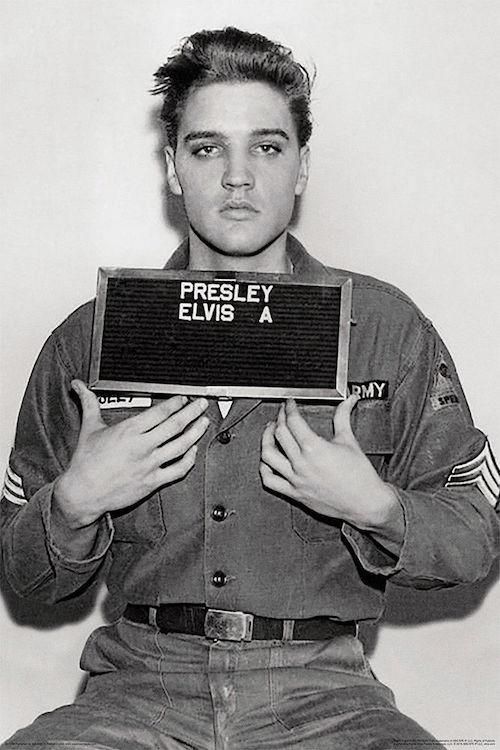
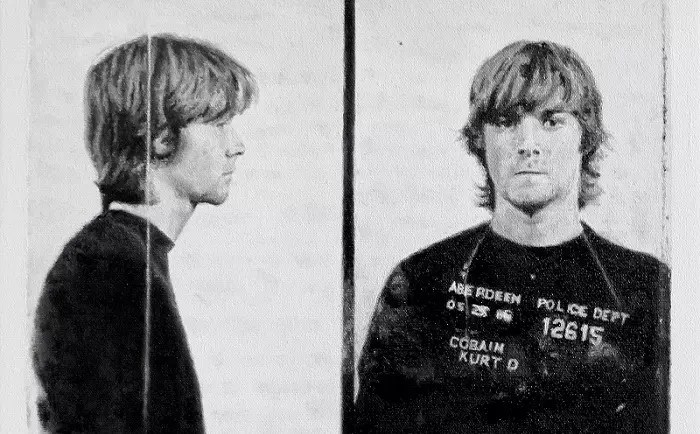
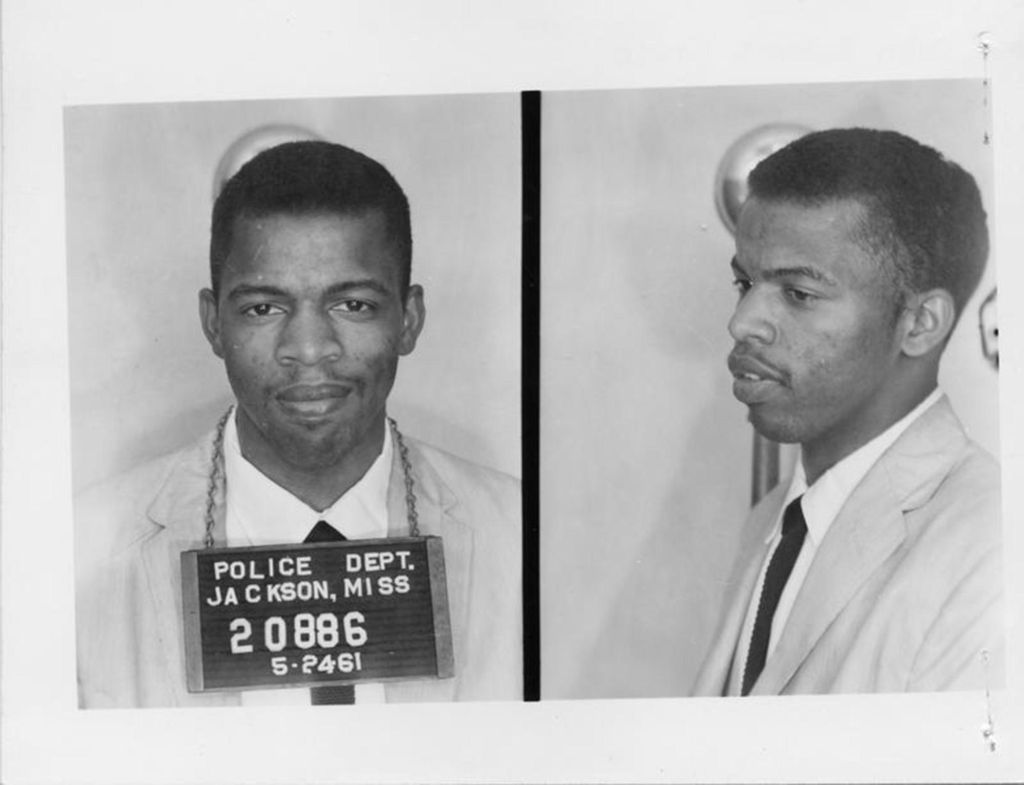

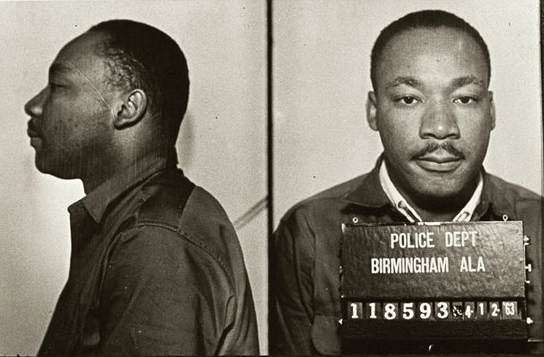
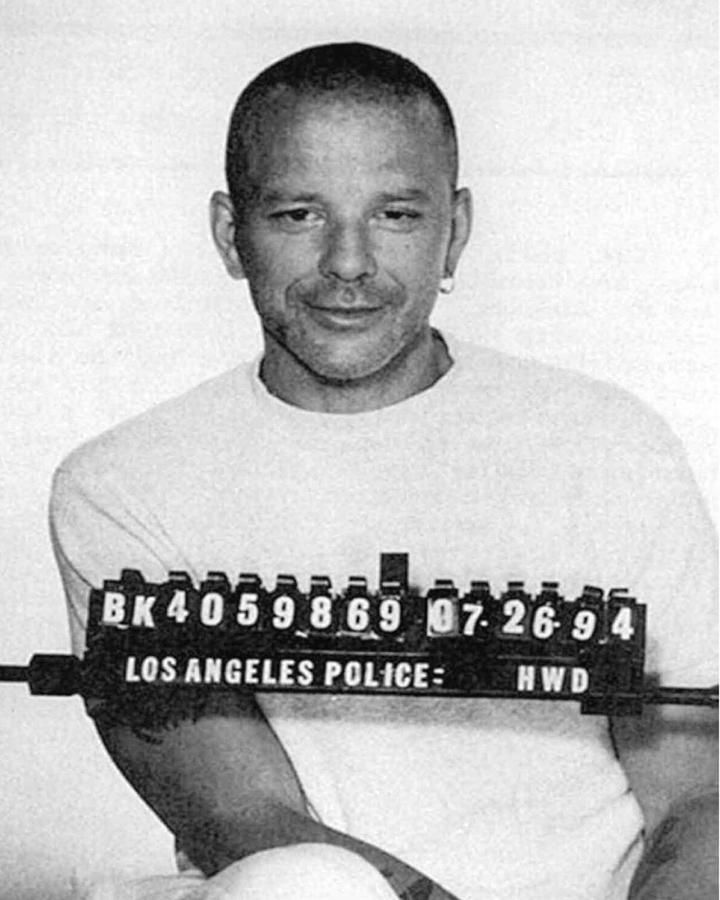
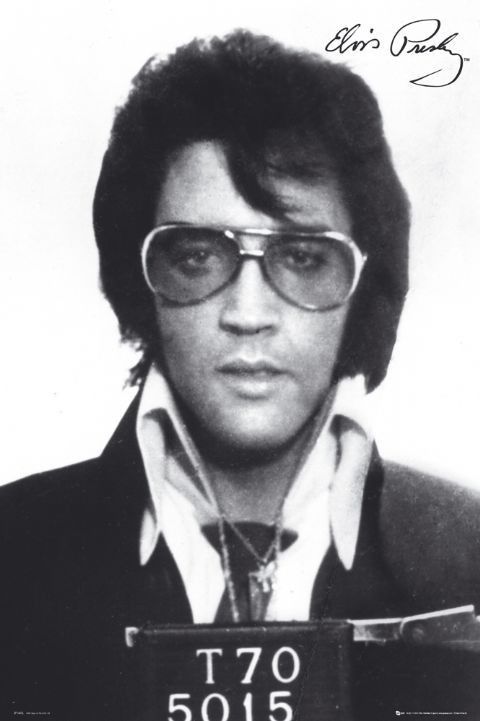

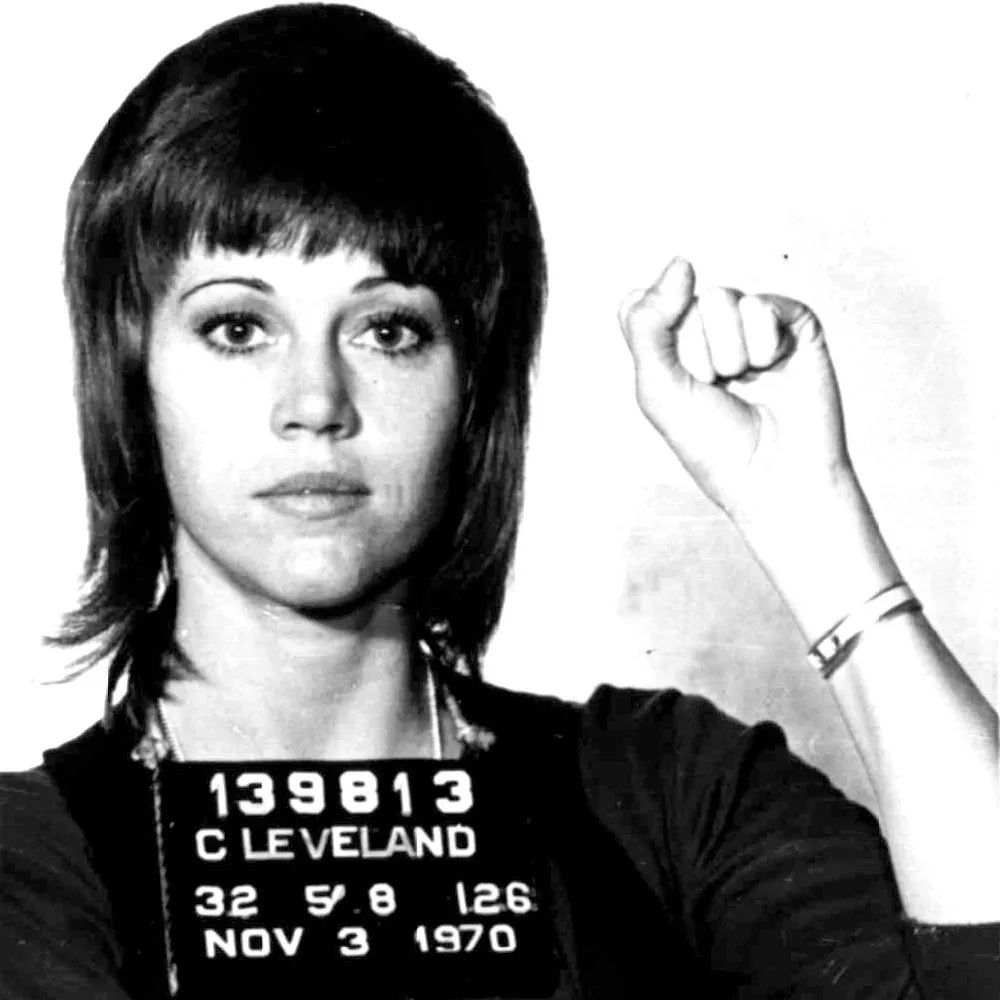

The magnetic pull of celebrity mugshots has time and again woven a captivating tale of fame, controversy, and defiance. Echoing through history, these arresting images have wielded the power to elevate or tarnish reputations. Among these immortalized moments, there’s the indelible Jane Fonda, her fist defiantly raised against law enforcement in a 1970 mugshot. At just 33, the actress was ensnared in a web of accusations, alleged to have struck a police officer over suspicious pills that, ironically, turned out to be vitamins.
Venture further and stumble upon the globally circulated mugshot of Justin Bieber, a snapshot of his 2014 Miami Beach arrest. Charges of substance-infused driving, expired licenses, and resisting arrest etched this moment into modern memory. This arrest heralded the age of viral content propagation, magnified by the sway of social media.
Yet, within this montage of mugshots, a touch of elegance emerges in David Bowie’s 1976 arrest for marijuana possession. This portrait of transgression became emblematic of his artistic mystique, etching an undeniable stamp on his persona.
However, the saga transcends mere celebrity as it embraces the luminaries of civil rights activism. The mugshots of stalwarts like John Lewis, Rosa Parks, and Martin Luther King burgeon with significance, embodying their struggle against profound injustices. In a world before social media’s wildfire spread, these mugshots became symbols, amplifying the urgency of their causes.
The tapestry also unravels the tale of Elvis Presley, the undying legend who earned the moniker “Elvis The Pelvis.” His audacious stage gyrations courted encounters with the law, a tempestuous liaison that left a mark on his legacy. Not to be outdone, Kurt Cobain’s 1986 arrest for graffiti in Aberdeen inscribed his name alongside other rock gods who flirted with infamy, their brush with the law immortalized through arresting snapshots.
Unveiling Expressions: Trump’s Enigmatic Mugshot Amidst a Gallery of Emotions
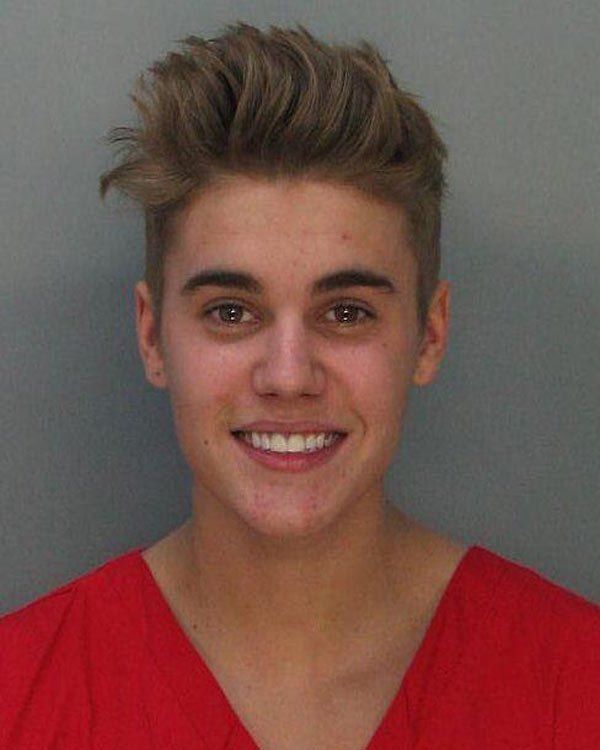

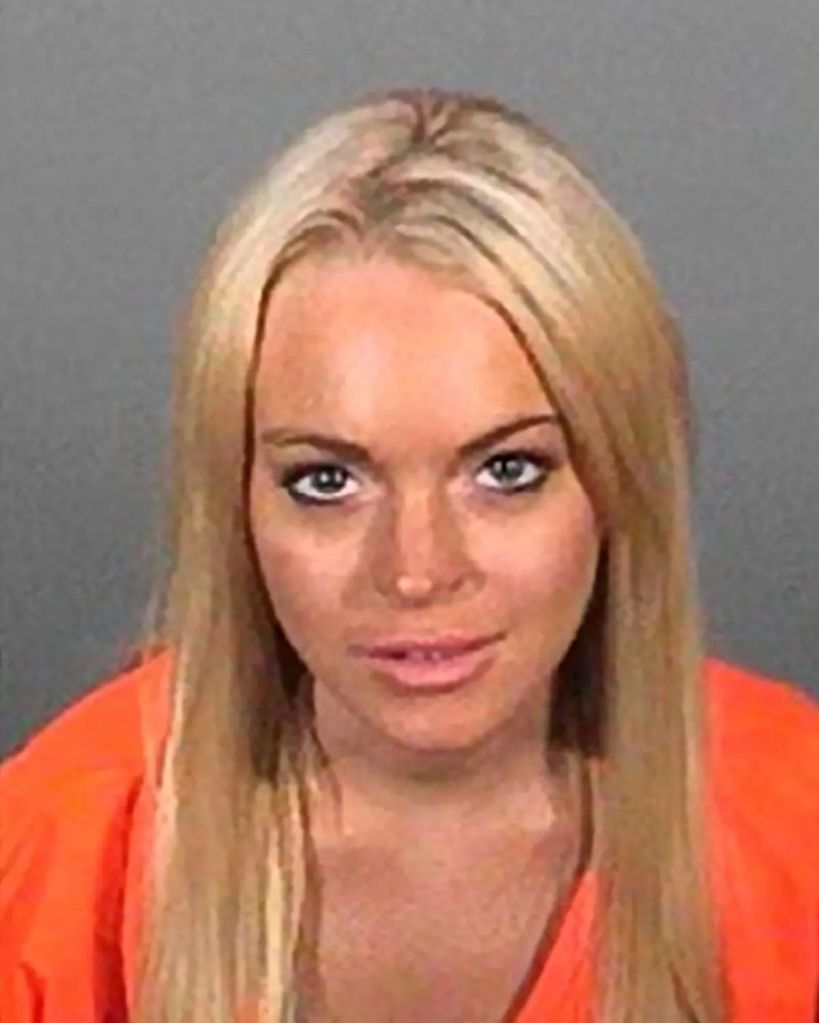
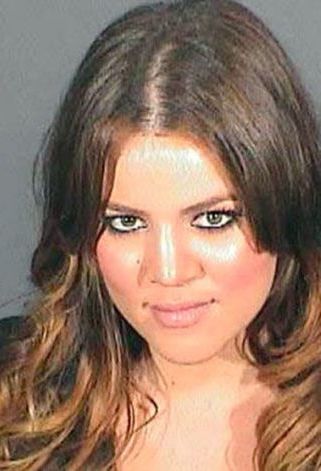
Anticipation swirled around Trump’s impending mugshot release, with many speculating about the emotions etched onto the face of the former US president. As the camera lens captured the 18 other individuals under investigation, their countenances seemed stoically unaffected. However, Trump’s visage oscillated between an intermittent menace and something more enigmatic. A striking observation came from John Bolton, the national security advisor during Trump’s tenure, who bluntly remarked, “He looks like a thug.” Bolton dissected Trump’s expression as a calculated move aimed at unsettling prosecutors and judges, revealing the complex interplay of power and psychology.
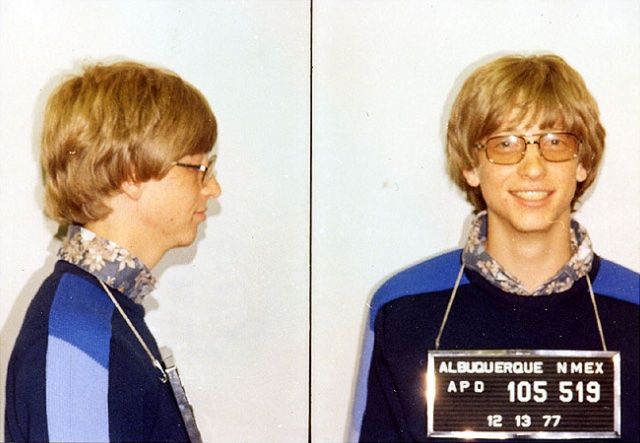
In stark contrast, the mugshots of Bill Gates, alongside actors Mickey Rourke and Steve McQueen, unfurl with a twist of levity. Their smiles and quirked expressions paint a picture of subdued amusement, with McQueen even flashing a triumphant V-sign with his fingers. These arresting images, akin to Trump’s somber countenance, transcend a mere snapshot; they embody history’s brushstrokes.
However, these instances stand as exceptions. In the vast realm of mugshots, a prevailing narrative of humiliation unfolds. These snapshots, etched with vulnerability and stark reality, capture the complexity of human experiences and the indelible marks left by circumstances.
Unveiling the Veil: Rethinking Mugshots, Identity, and Redemption in the Criminal Justice System
Numerous legal scholars are fervently challenging the prevailing practice of disseminating mugshots, contending that this routine violates the fundamental rights of individuals in custody. They ardently advocate for an immediate cessation of the public exposure of such images, unless stringent security grounds demand their release.
In a poignant instance underscoring the perils of this issue, Jeremy Meeks, upon the dissemination of his mugshot on the Facebook page of the Stockton Police Department in California following his arrest, eloquently conveyed, “I just want people to know that I’m not really this. I’m not some kind of criminal boss.” Meeks, now an accomplished model, unwittingly captured global attention not only for his arrest but also due to his strikingly attractive appearance in the photograph.
Intriguingly, Keri Blakinger, a journalist who has herself grappled with the criminal justice system following an arrest for drug possession during her youth, passionately champions a paradigm shift. In her compelling narrative on The Marshall Project, a platform dedicated to unraveling complexities within the U.S. criminal justice system, Blakinger advances the notion that discontinuing the unmitigated publication of mugshots marks a pivotal “collective step.” This stride is envisioned as an endeavor to extricate individuals from the clutches of their transgressions, thereby thwarting the undue fixation on their past deeds and enabling a more holistic view of their identity. In essence, the quest to shun the practice of “nailing” people to their criminal history serves as an evocative call to transform society’s perceptions and underscore the value of redemption and transformation.
 curlycurlworld: Get Twisted with CurlyCurl: The Latest in Curls, Coils, and Confidence!