
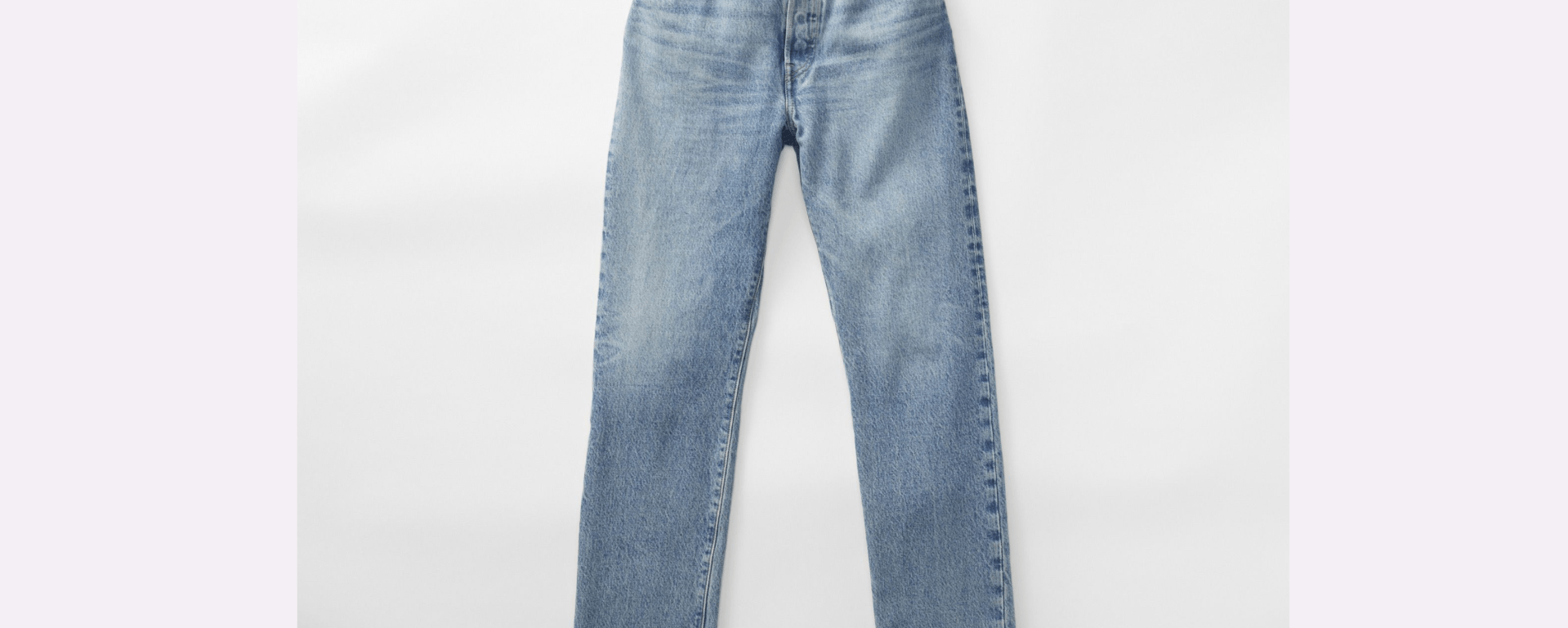
Levi’s groundbreaking plant-based jeans have sparked a crucial dialogue surrounding the intricate link between denim and sustainability. With a keen focus on eco-friendly materials, these new jeans not only epitomize fashion-forward design but also prompt us to reevaluate the conventional norms of denim production. This article delves into Levi’s revolutionary approach, exploring how it challenges existing perceptions and sets a new standard for environmentally conscious fashion. Join us as we unravel the compelling narrative of Levi’s plant-based jeans and their profound implications for a more sustainable future.
Marking the 150th anniversary of the iconic Levi’s 501s this summer, the brand unveiled a remarkable creation: a pair of hemp-cotton blend jeans that are entirely plant-based. The announcement garnered enthusiastic reception from devoted Levi’s customers, who eagerly engaged with the innovative concept across social media platforms. However, the unveiling also sparked a few skeptics, posing the question, “Isn’t cotton already a plant-derived material?”
Undoubtedly, this new addition to Levi’s product lineup signifies a commendable stride towards the ideals of circular fashion. Nevertheless, denim, renowned for its exceptional durability, has found itself at the epicenter of impassioned discussions concerning the authentic sustainability of its production processes. It beckons us to ponder: does the path to selling jeans sustainably invariably require their continued manufacture? Could we not instead introduce a comprehensive second-hand management strategy, thereby ensuring a truly cyclical and environmentally conscious product life cycle? These contemplations spotlight the intricate interplay between innovation, tradition, and the pursuit of a genuinely eco-friendly fashion landscape.
Discover Levi’s Cutting-Edge Plant-Based Jeans: Redefining Sustainable Fashion
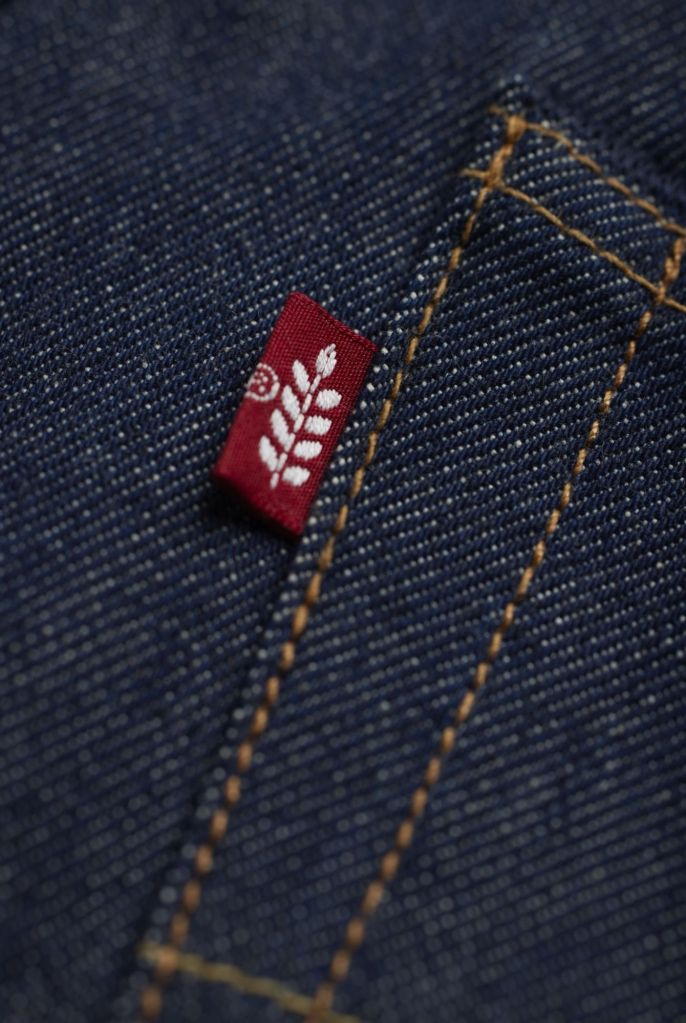

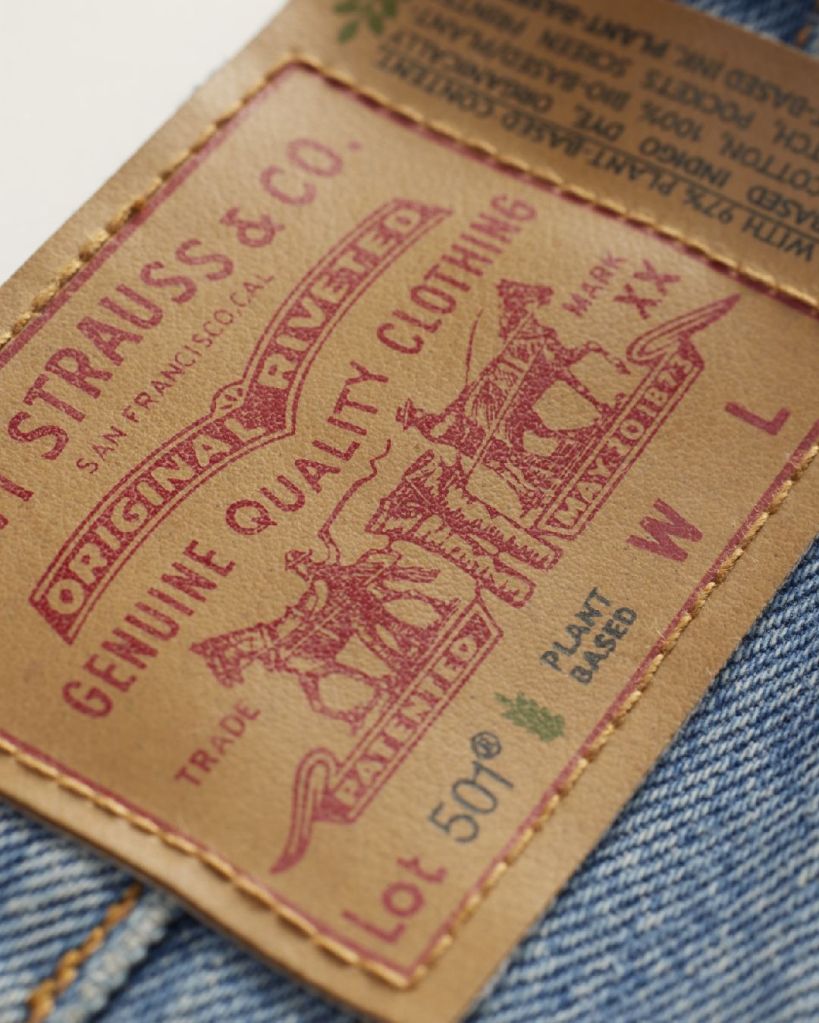
Crafted from an impressive blend of 97% plant-based materials, including certified organic cotton, and adorned with natural dyes like plant-derived indigo, Levi’s groundbreaking new offering redefines sustainable fashion. Notably, the inclusion of waste-free and organic composition black patches—traditionally made from leather—and ink sourced from wood waste, serves as a bold challenge to synthetic fiber brands, compelling them to reevaluate their production methods.
While the online spotlight gravitates towards the captivating allure of the plant-based jeans within this avant-garde collection, it’s the circular 501 model that truly exemplifies Levi’s forward-thinking commitment to the future of denim. Introduced to the market in 2022, this ingenious creation is constructed from the Circulose organic cotton fibers, a pioneering solution from Renewcell company. This innovation ingeniously repurposes discarded jeans, expertly eliminating polyester components and infusing organic cotton elements, including threads, labels, and pockets typically originating from synthetic fibers. In effect, Levi’s breathes new vitality into these garments, transforming them into a realm of recyclable resources.
Una Murphy, the Design Innovation Director at Levi’s, articulates the essence of this transformative endeavor, stating, “Our pursuit of research and development is deeply rooted in enhancing design methodologies while conserving precious environmental resources. By seamlessly integrating sustainable innovations across our product spectrum, we are not only exploring new horizons but also addressing some of the most significant environmental challenges of our time.” In essence, Levi’s embarks on a journey where fashion and sustainability harmoniously coexist, setting a remarkable example for industry peers and consumers alike.
Exploring the Interplay of Denim and Sustainability: A Comparative Analysis
The ecological ramifications stemming from denim production have etched themselves as a pivotal chapter in the relentless pursuit of a conscientious fashion industry. The crux of the matter arises with the dyeing and finishing process, an intricate chemical treatment that stands as a substantial contributor to the global squandering of water and energy resources. Moreover, it culminates in the release of hazardous substances into the ecosystem and the exacerbation of greenhouse gas emissions.
A staggering annual production of around 600,000 tonnes of dyes underscores the magnitude of the issue, with nearly half of these being synthetic dyes indispensable to denim alone. What further compounds this environmental concern is the substantial water footprint: particularly, the utilization of indigo, a predominant dye in denim, necessitates a staggering 50 tonnes of water per million meters during the color fixation phase. This becomes particularly pronounced considering the annual production of approximately 2.7 billion meters of denim on average.
In light of these critical environmental implications, industry leaders such as Levi’s are presented with an undeniable obligation to perpetuate the pursuit of sustainable strategies, notably in second-hand and vintage management. This marks a pivotal avenue to curtail the unjustifiable depletion of resources. In essence, the urgency to salvage denim from the harrowing expanse of textile waste heaps that preside over our planet’s shores not only champions eco-conscious principles but also prolongs the lifespan of our cherished denim treasures.
As the fashion world grapples with this intricate narrative, the relentless quest for sustainable solutions stands as a resounding call to action. By aligning efforts towards prudent resource management and innovative approaches, brands like Levi’s endeavor to safeguard the environment and amplify the invaluable years of enjoyment we derive from our beloved denim companions.
 curlycurlworld: Get Twisted with CurlyCurl: The Latest in Curls, Coils, and Confidence!