

The allure of the “old money” aesthetic lies in its embodiment of refined elegance and opulent luxury, seamlessly intertwined with the heritage of generations past and a distinct social status. This beguiling aesthetic, cherished by those who possess generational wealth, transcends the bounds of mere fashion and design, infiltrating every facet of one’s lifestyle and personal expression. Rooted in the intricate tapestry of history, it echoes through time, revealing a narrative of sophistication and cultural significance.

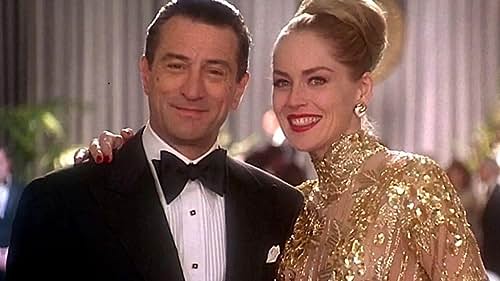
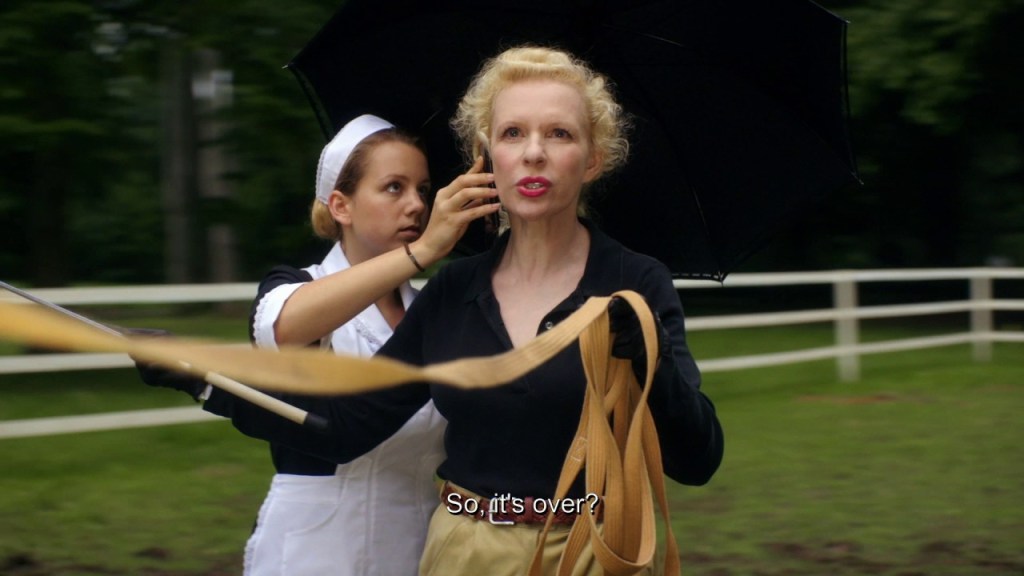

At the heart of the “old money” aesthetic resides an unwavering commitment to classic, timeless fashion. This facet of the aesthetic is not confined to the fleeting trends that pervade modern society but rather draws from an illustrious past. Crisp suits tailored to perfection, refined dresses exuding modesty and grace, and accessories that whisper of subtlety over ostentation are the cornerstones of this sartorial approach. Garments are not just adorned; they are carefully curated embodiments of an understated yet deeply impactful personal style.
However, the “old money” aesthetic’s influence extends beyond the realm of attire. Its essence is palpable within the opulent interiors that adorn residences. Every piece of furniture, every ornate detail, bears testament to the meticulous craftsmanship and discerning taste that accompany the trappings of wealth accumulated over generations. Rich mahogany woods, intricate carvings, and sumptuous fabrics converge to create living spaces that are not merely functional but rather aspirational representations of a life steeped in luxury. These interiors become living archives, each piece telling a story that is woven into the broader narrative of lineage and legacy.

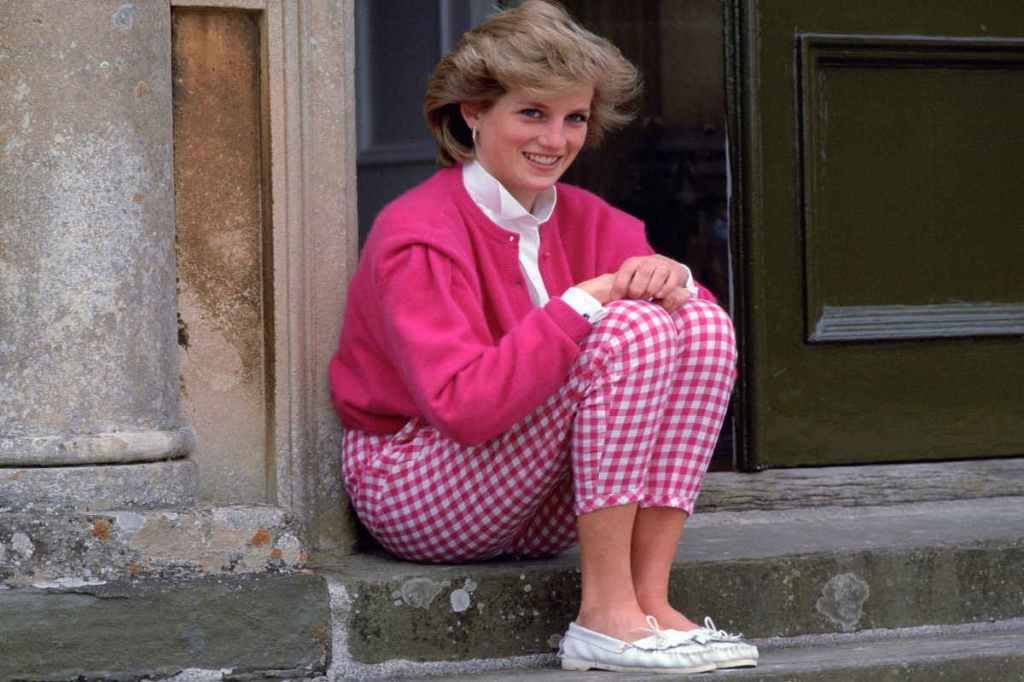


An intrinsic thread woven through the “old money” aesthetic is an unwavering appreciation for heritage and tradition. This reverence is not bound by nostalgia but is a conscious choice to embrace the wisdom of the past. Family heirlooms, passed down through the ages, are not mere artifacts but living relics that connect the present with a storied ancestry. The aesthetic values the wisdom of generations and the lessons they offer, a reminder that success and opulence are not ephemeral pursuits but enduring endeavors built upon the foundations of knowledge and wisdom.
Central to the allure of this aesthetic is the philosophy that quality eclipses quantity. It is a rejection of the disposability that characterizes contemporary consumer culture. Each possession is chosen with care, evaluated not solely on its price tag but on its intrinsic worth and the value it adds to life. This discernment extends to experiences as well, with an emphasis on cultivating refined tastes and cultural enrichment. A life marked by the “old money” aesthetic is one where possessions and experiences are not hastily consumed but thoughtfully acquired, cherished, and savored.
Beneath the grandeur and elegance lies a sense of understated sophistication. Unlike the brashness of nouveau riche ostentation, the “old money” aesthetic exudes a quiet confidence. It is a testament to the intrinsic understanding that true wealth does not necessitate a display of extravagance. Rather, it emanates from a wellspring of cultivated taste, a depth of knowledge, and an appreciation for life’s finer nuances. This subtlety is a mark of those who are secure in their heritage and do not need to shout their status from the rooftops; their refinement speaks volumes.
In conclusion, the “old money” aesthetic transcends the superficial confines of fashion and design. It is a lifestyle that embodies the legacy of generations, intertwining history, elegance, and opulence into a seamless narrative. Its essence lies not in the pursuit of trends but in the embrace of timeless fashion, opulent interiors, and an unwavering commitment to heritage and tradition. The aesthetic’s preference for quality over quantity underscores a deliberate approach to possessions and experiences, fostering a sense of purpose and appreciation. Ultimately, it is an understated sophistication that emanates from a life well-lived and a heritage well-respected, making the “old money” aesthetic a treasure trove of cultural significance and refined allure.
 curlycurlworld: Get Twisted with CurlyCurl: The Latest in Curls, Coils, and Confidence!