

Tweed, a rugged woolen fabric with origins rooted in Scotland and the adjacent islands, bears a name believed to have been derived from the Scottish term “tweel,” denoting “twill” in the English language. The reputation of this textile was firmly established during the 18th century, as production flourished in the picturesque Tweed Valley region, celebrated for its breathtaking landscapes and storied weaving traditions.
Initially, tweed’s utilization was primarily pragmatic in nature, catering to the demands of the Scottish Highlands’ challenging climatic conditions. Renowned for its warmth, durability, and water-resistant properties, tweed was a logical choice. Gradually, throughout the 19th century, its acclaim transcended regional boundaries, captivating audiences beyond Scotland’s borders. Queen Victoria’s affection for Balmoral tweed, a distinct variety named after her Scottish estate, played a pivotal role in propelling tweed into the spotlight.
The mid-19th century heralded a transformation for tweed, as landowners and aristocrats began to embrace it not merely as fabric but as a statement of identity and societal standing. Different estates engendered their exclusive tweed designs, often employing locally sourced natural dyes to craft unique patterns and hues.
The 20th century witnessed tweed’s evolution from its utilitarian origins to the realm of high fashion. A transformative figure in this narrative was none other than Coco Chanel. With her discerning eye, Chanel recognized tweed’s potential as a luxurious material and seamlessly integrated it into her designs, effectively introducing this rugged fabric to the realm of haute couture. Chanel’s signature tweed suits, impeccably tailored jackets, and skirts, soon became synonymous with the brand’s refined sophistication.
The mid-20th century solidified tweed’s association with British country and equestrian styles, solidifying its role as a fashion staple. Renowned designers like Ralph Lauren and Vivienne Westwood further breathed new life into tweed, infusing contemporary interpretations into its traditional aesthetic.
In the present day, tweed stands as a timeless textile cherished for its adaptability, sturdiness, and enduring charm. It has gracefully adapted to accommodate the ever-changing landscape of fashion trends while steadfastly retaining its heritage allure. Whether gracing traditional suits, coats, or accessories, tweed’s storied history, unique texture, and seamless fusion of practicality and luxury continue to command appreciation and admiration.
Reimagining Elegance: Karl Lagerfeld’s Iconic Tweed Odyssey in Chanel’s Fall/Winter 2014 Collection
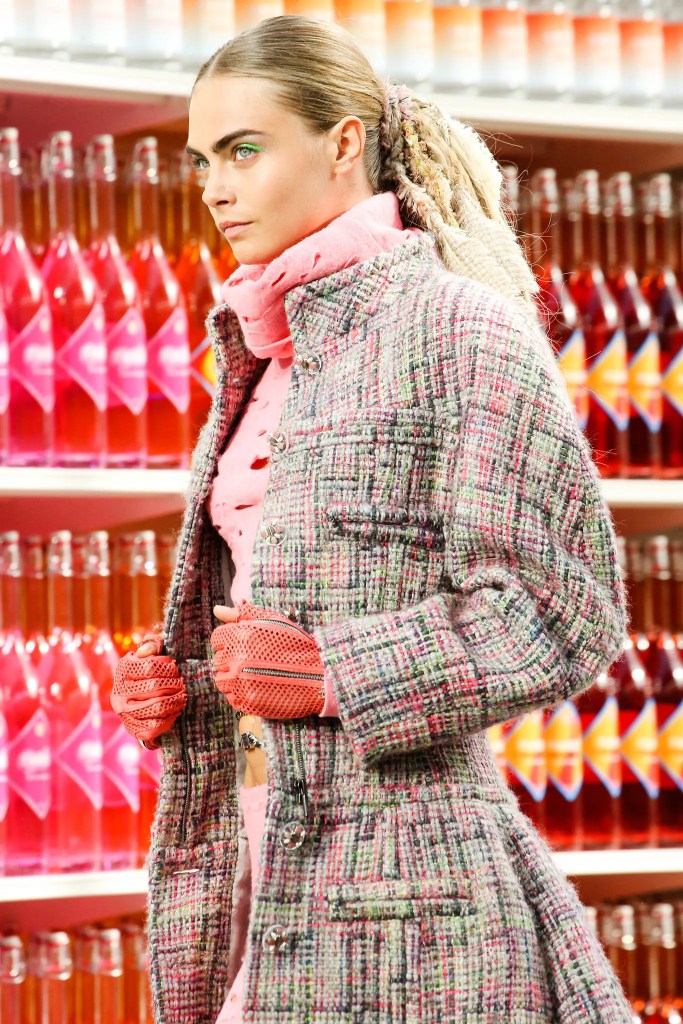
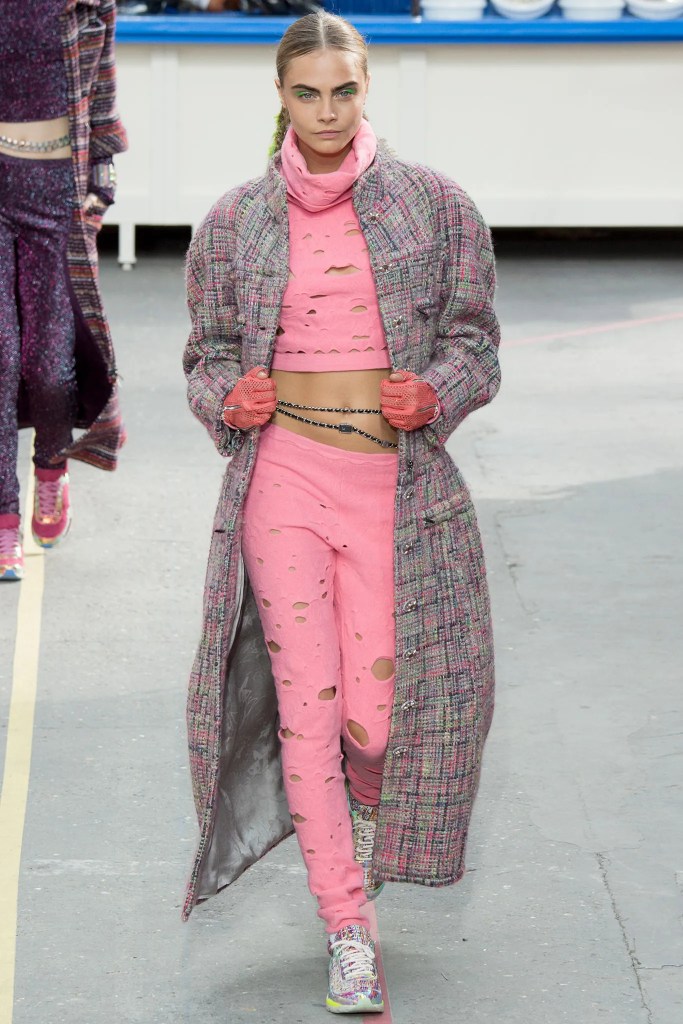
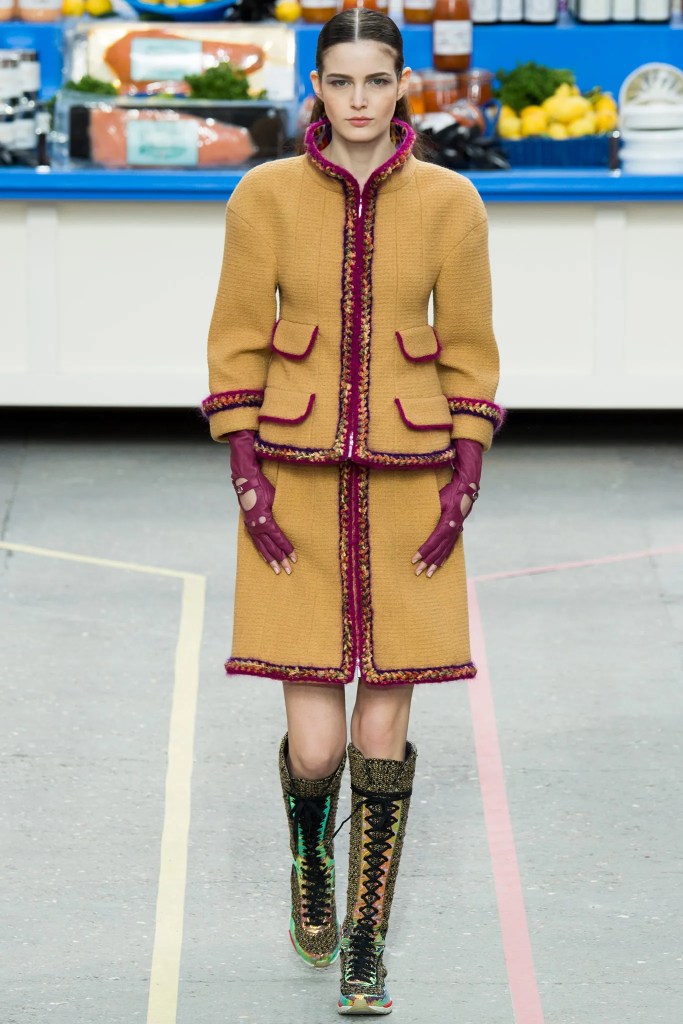
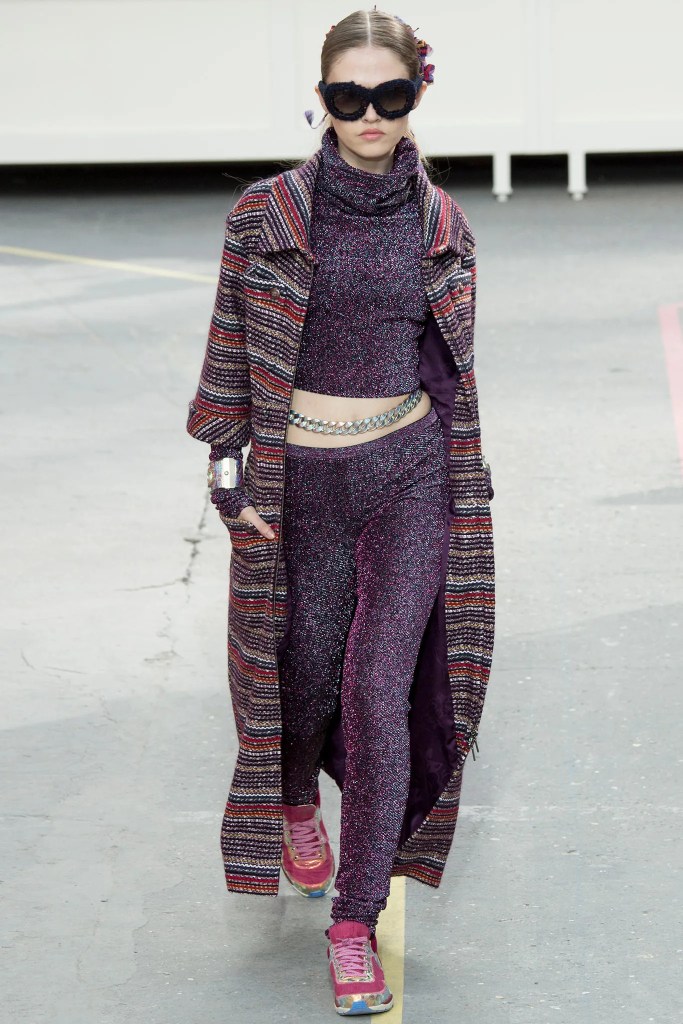

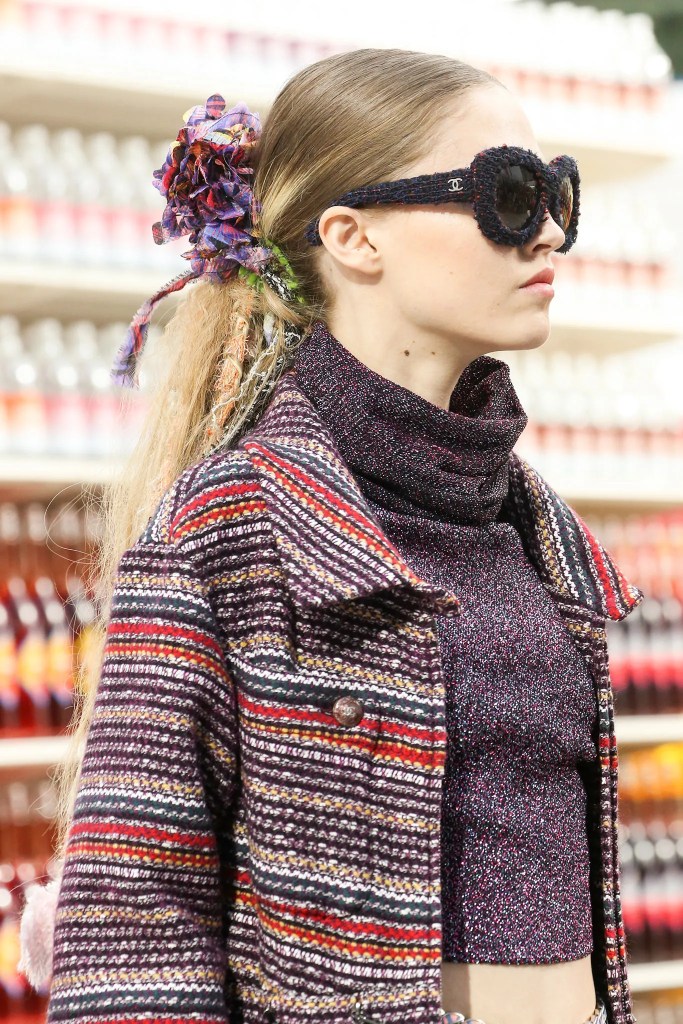
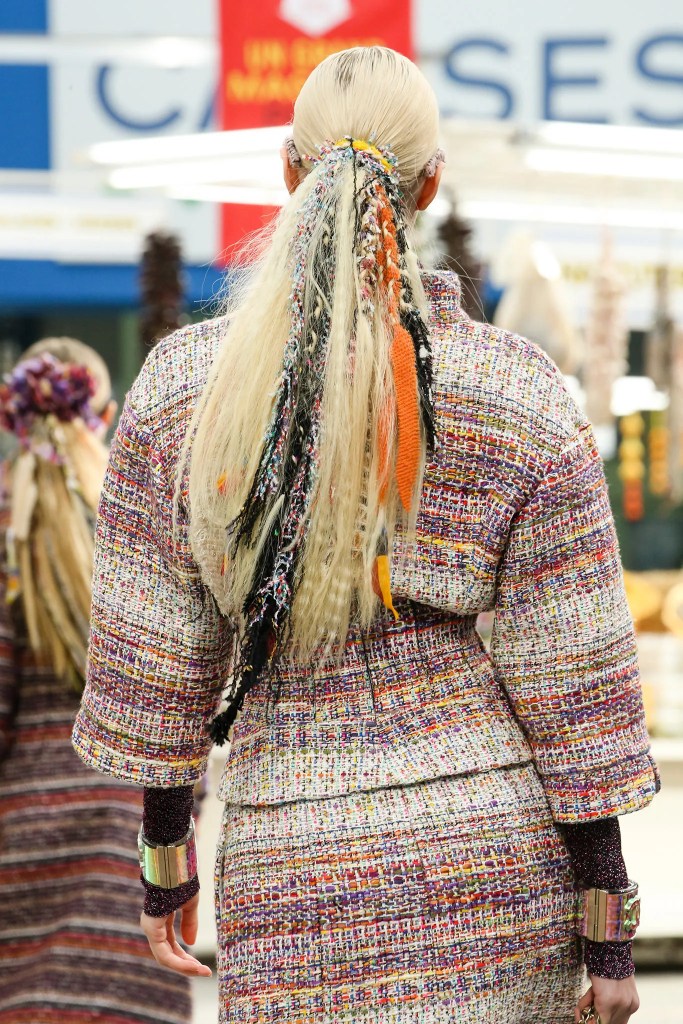
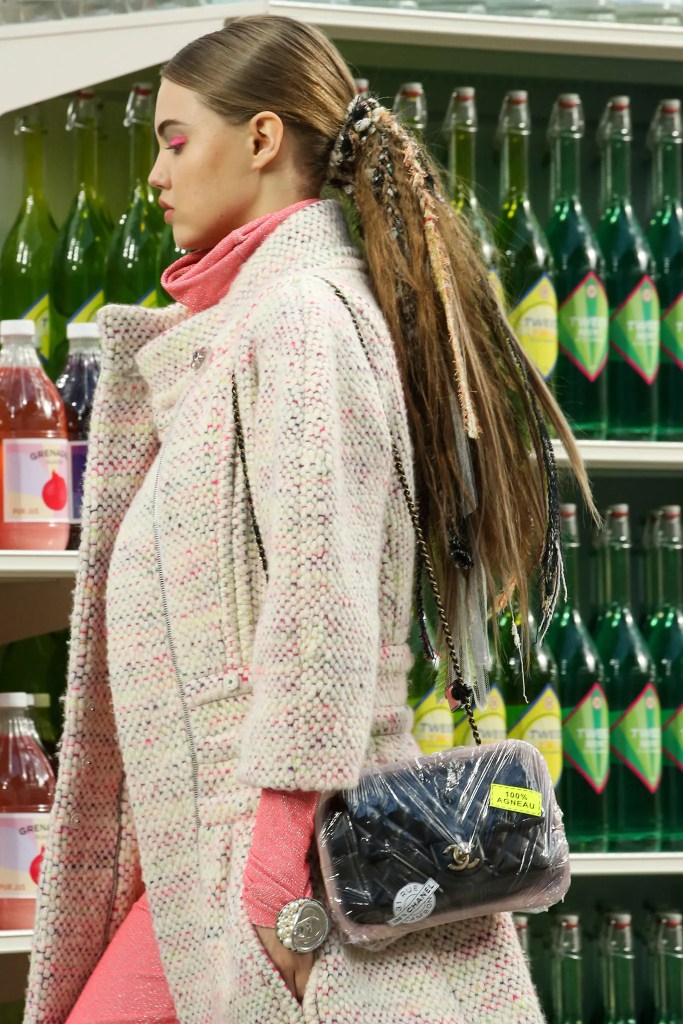
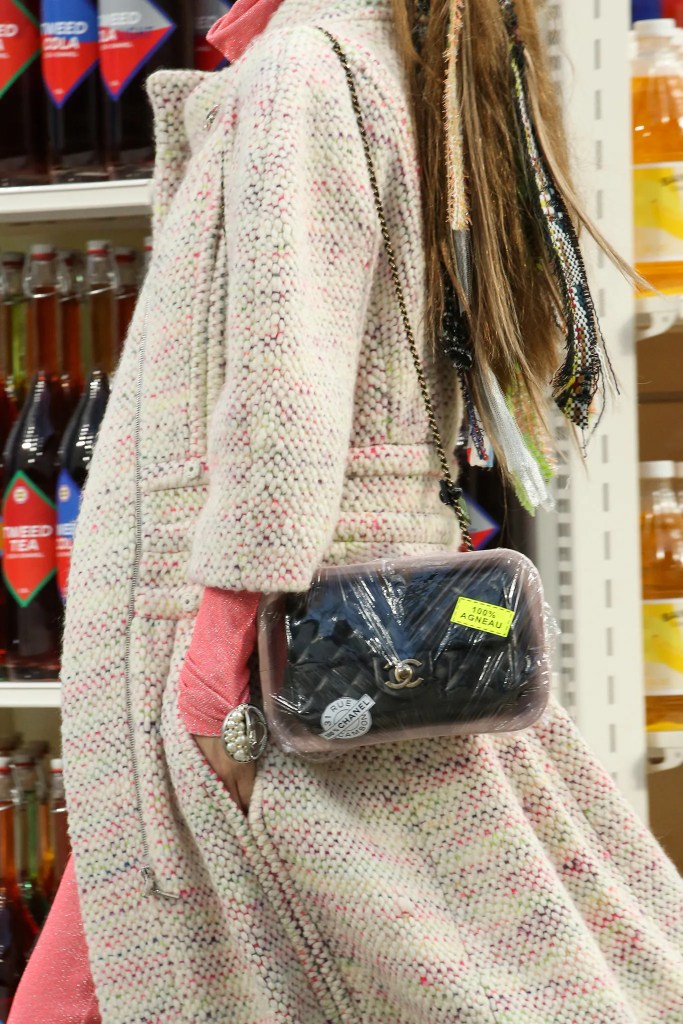
Step into the world of fashion transcendence as we unravel the artistry of Karl Lagerfeld’s illustrious touch with tweed in Chanel’s Fall/Winter 2014 Ready-to-Wear collection. A master of innovation, Lagerfeld elevated tweed to new heights by infusing it with playfulness, redefining its essence through modern nuances. Prepare to be captivated by a tapestry of creativity that unfolded within this collection, showcasing Lagerfeld’s unwavering ability to push boundaries and redefine classic elements.
1. The Grocery Store Runway Spectacle: A Delightful Twist
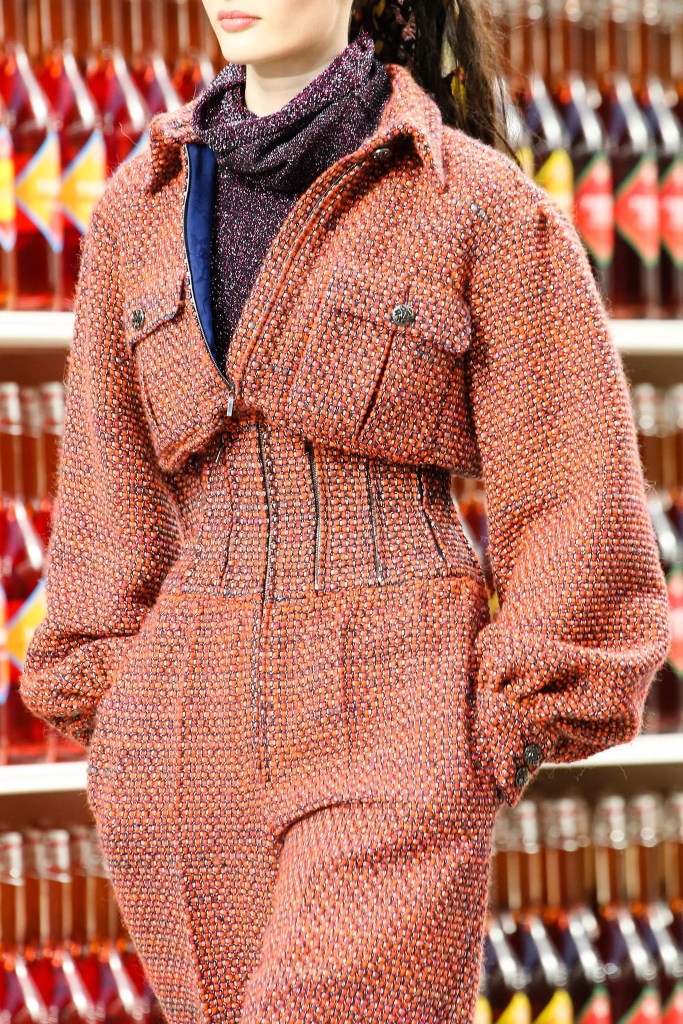
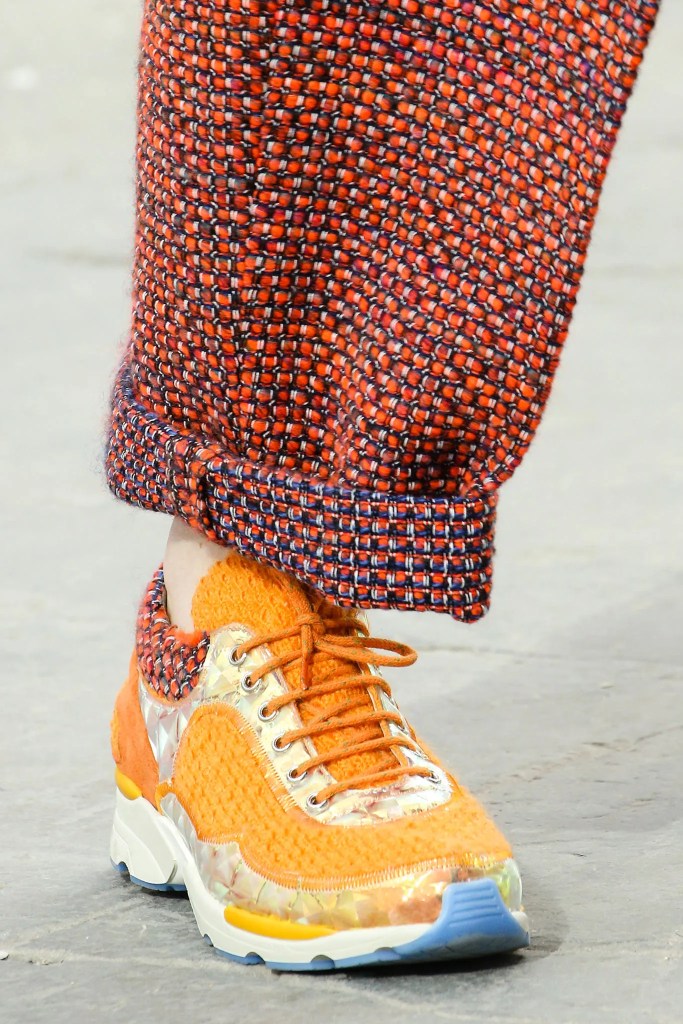
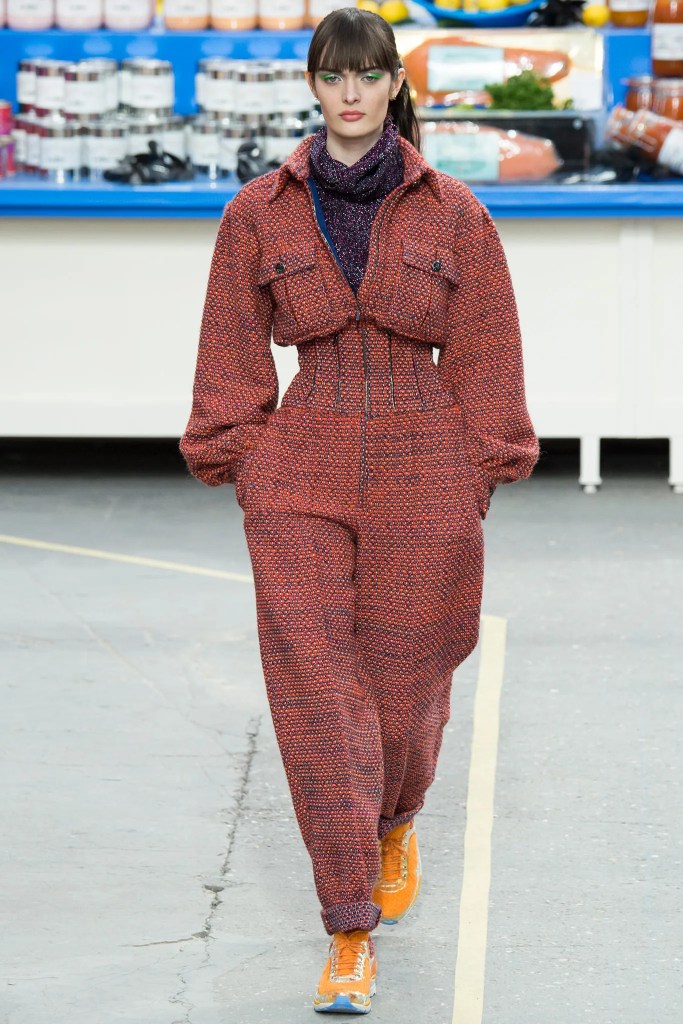
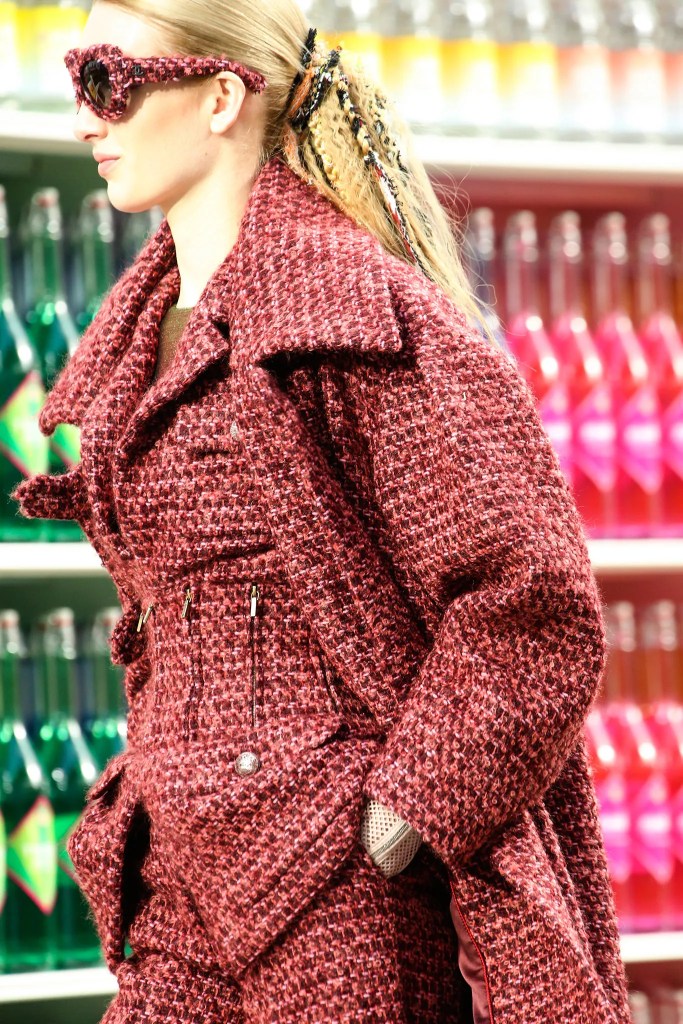
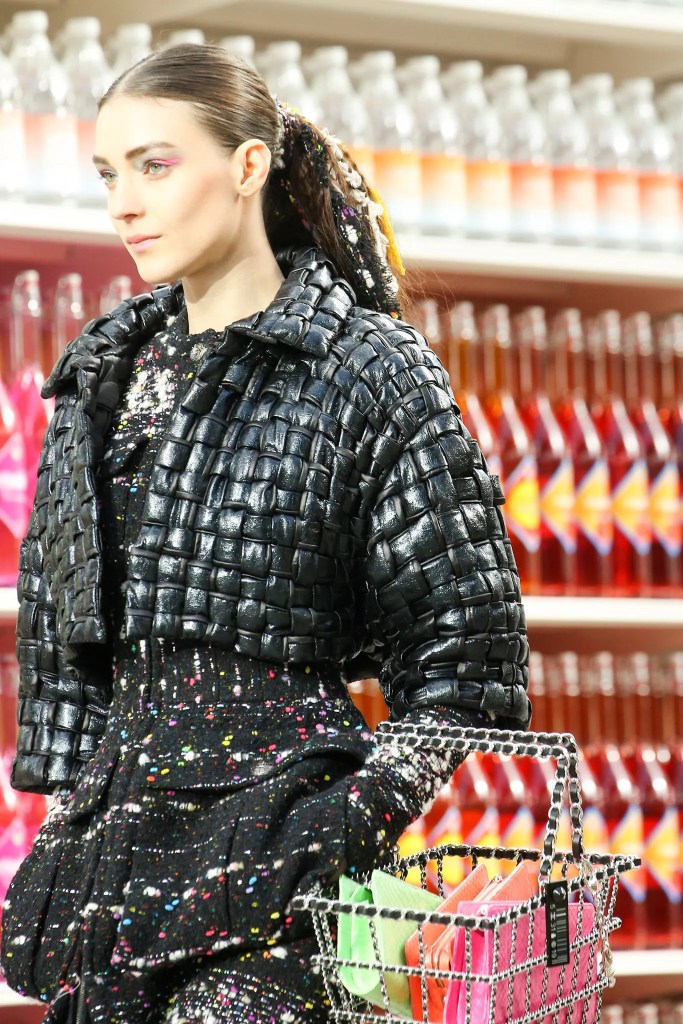
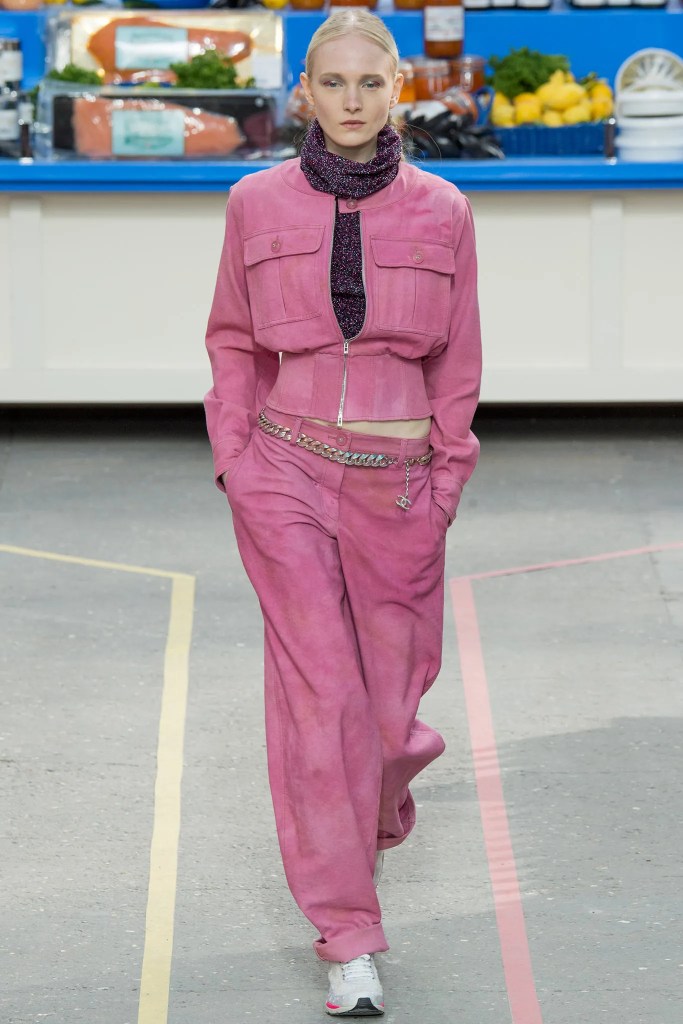
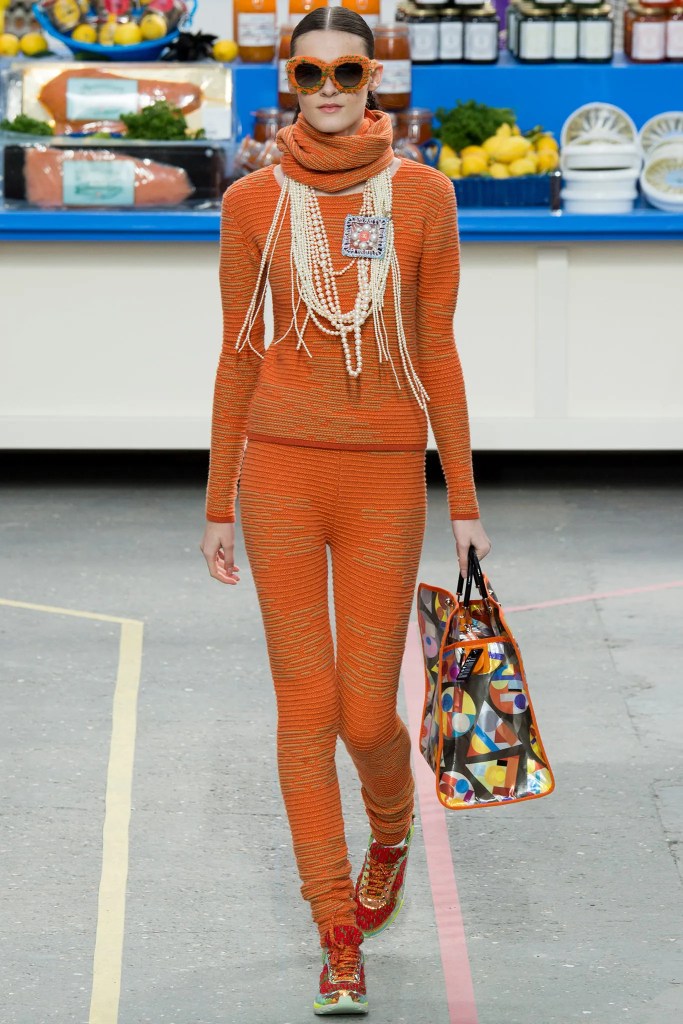
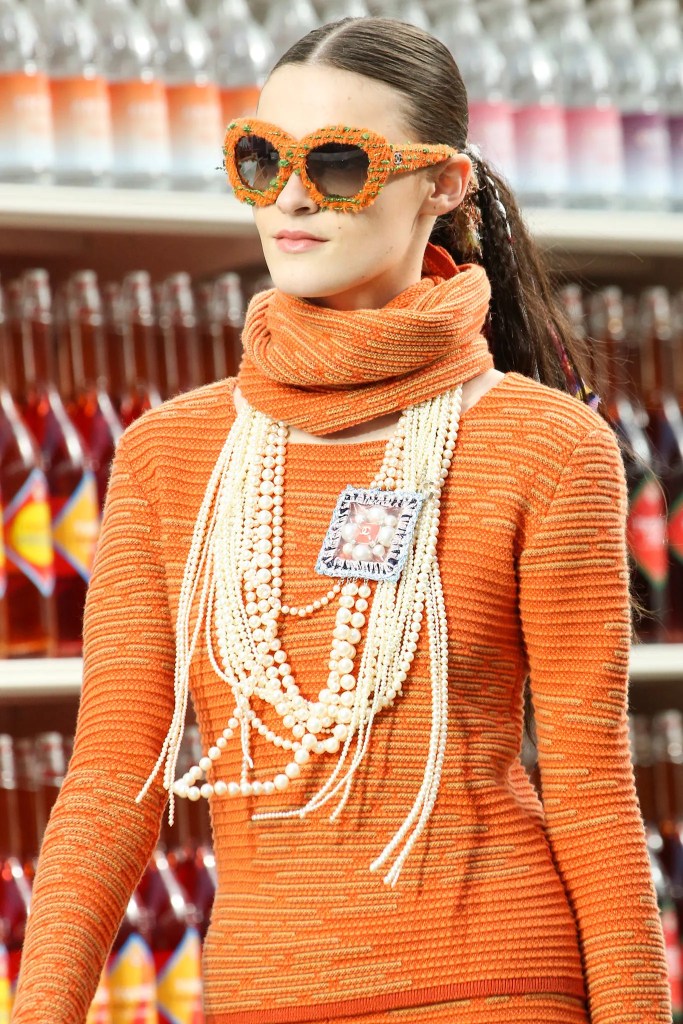
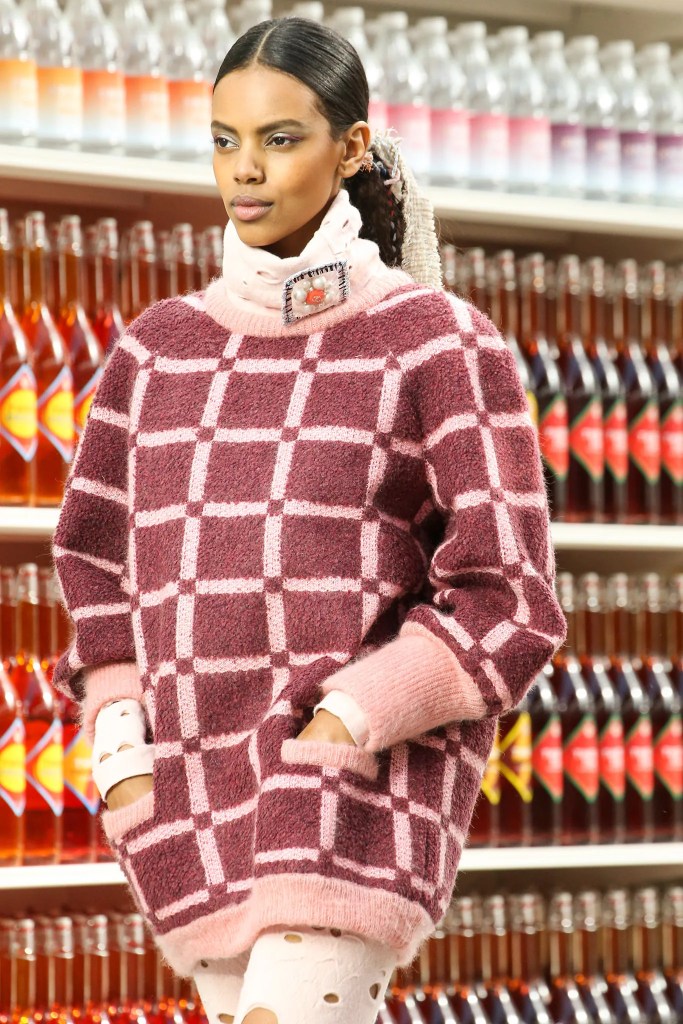
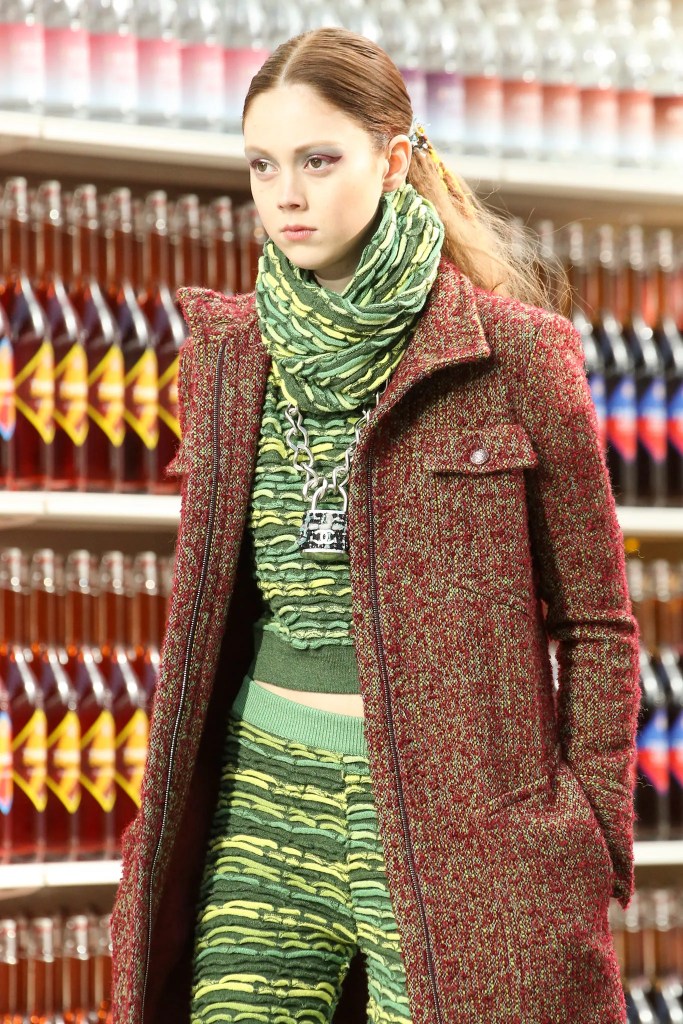
Lagerfeld’s creative genius knows no bounds, and this was exemplified in the transformation of the Grand Palais in Paris into a sprawling Chanel-themed supermarket. Aisles brimming with Chanel-branded products served as an unexpected yet utterly charming backdrop for the runway show. Models sauntered through this unique setup, seamlessly merging everyday life with high fashion, and inviting us to explore the interplay between luxury and the mundane.
2. A Vivid Palette of Tweed: Unleashing Colorful Expression
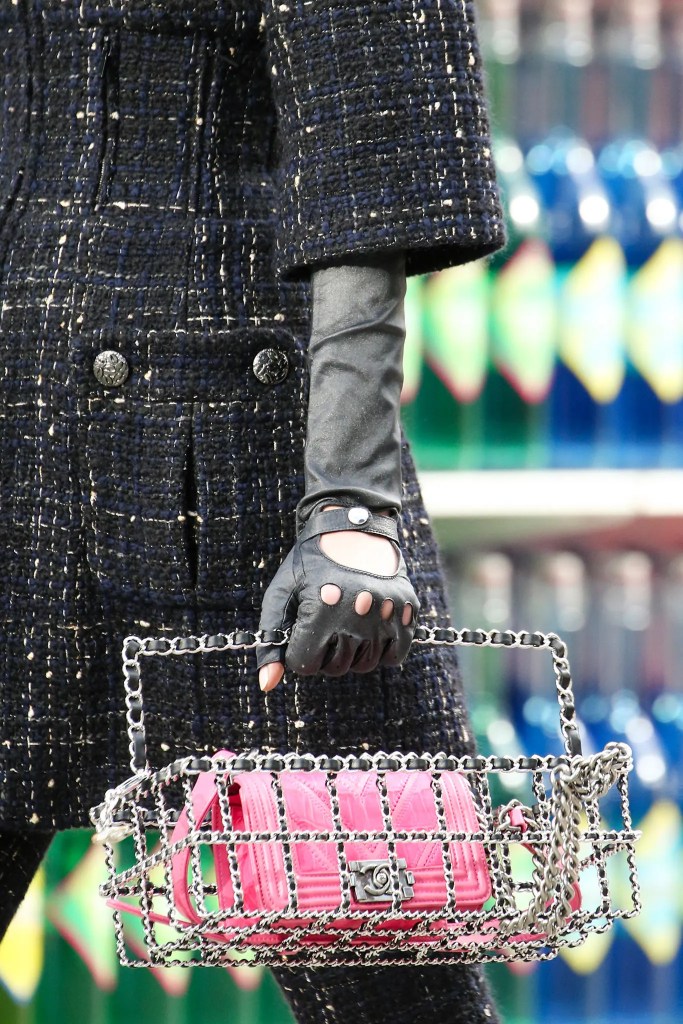
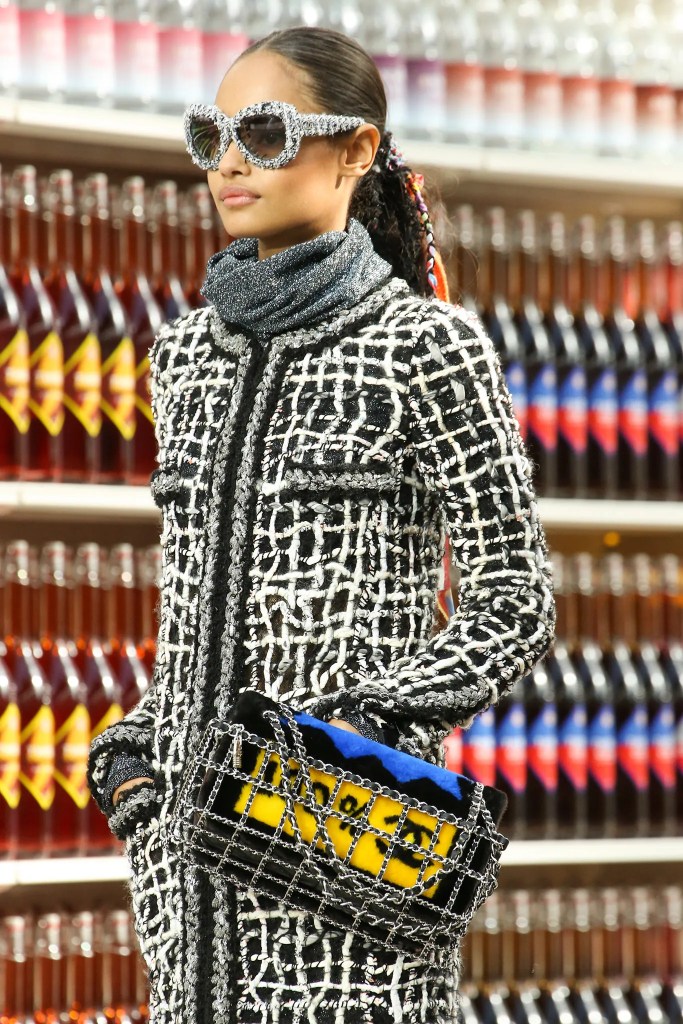
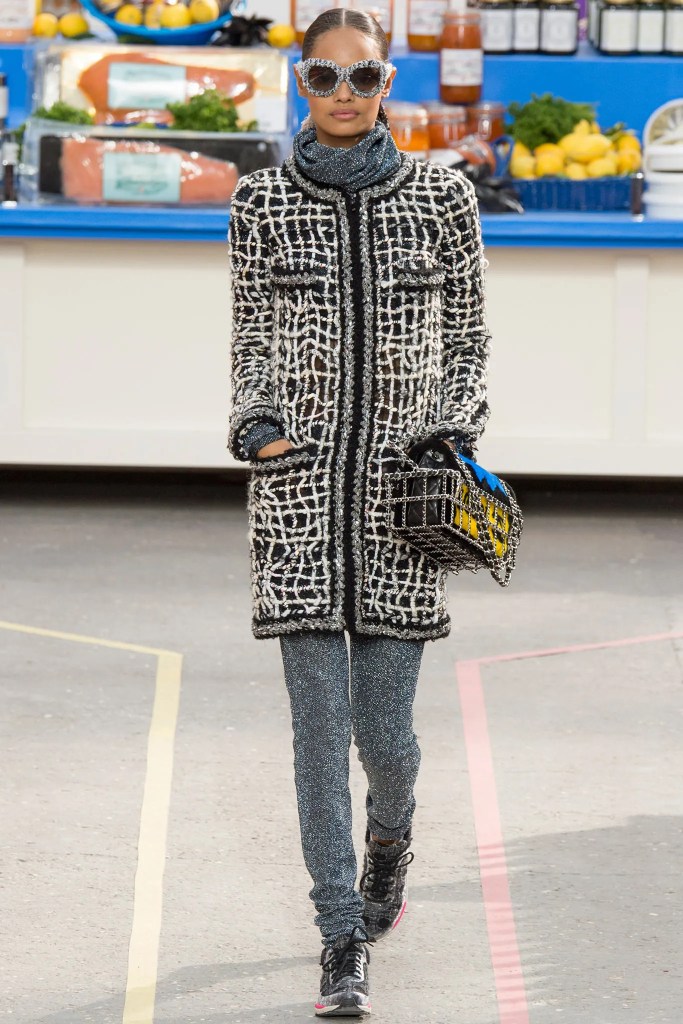

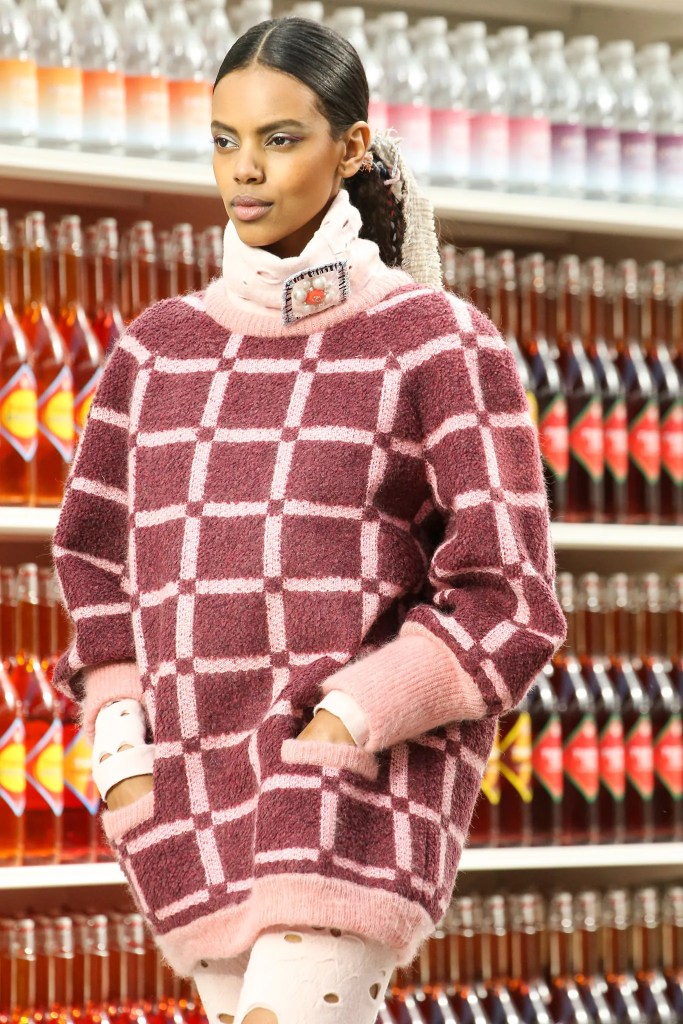
Tweed, known for its timeless elegance, took on a fresh life under Lagerfeld’s vision. Straying from tradition, Lagerfeld introduced a captivating array of vibrant colors, from lively pinks to mesmerizing blues and electrifying yellows. This audacious departure from the conventional tweed palette breathed contemporary allure into the classic fabric, demonstrating Lagerfeld’s daring approach to transformation.
3. A Symphony of Whimsical Accessories: Playful Luxury
In a display of Lagerfeld’s penchant for whimsy, oversized accessories stole the limelight. From hula hoop bags that defied convention to handbags inspired by shopping carts, each piece added an enchanting layer of playfulness to the collection. Lagerfeld’s ability to blend luxurious craftsmanship with a hint of irony resonated through these quirky accents, inviting us to embrace the unexpected in fashion.
4. The Fusion of Sport and Elegance: A New Symbiosis
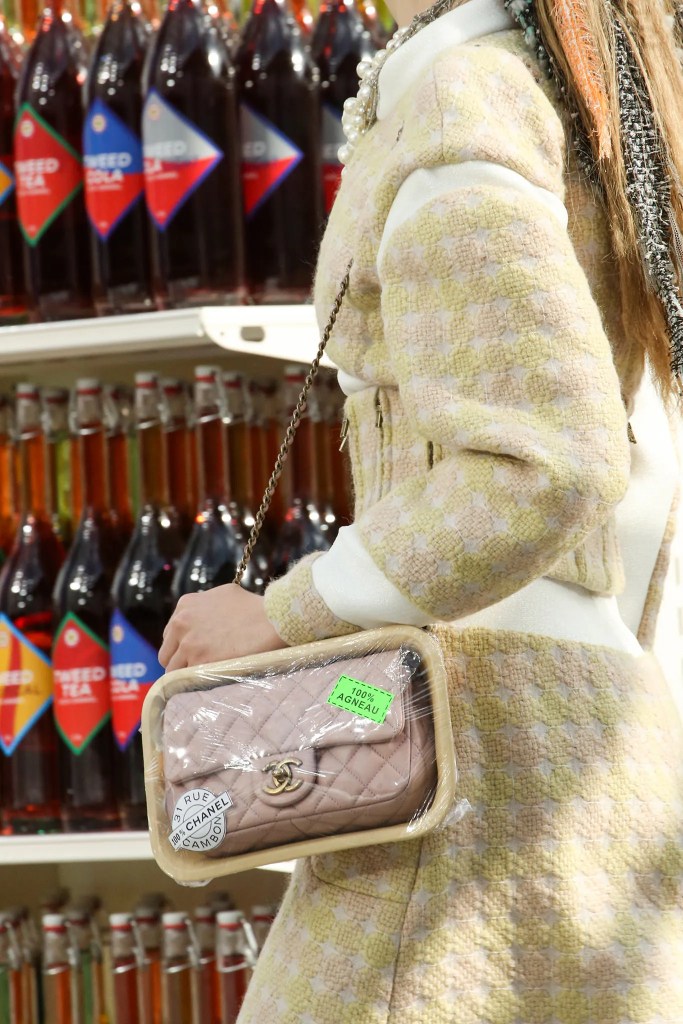
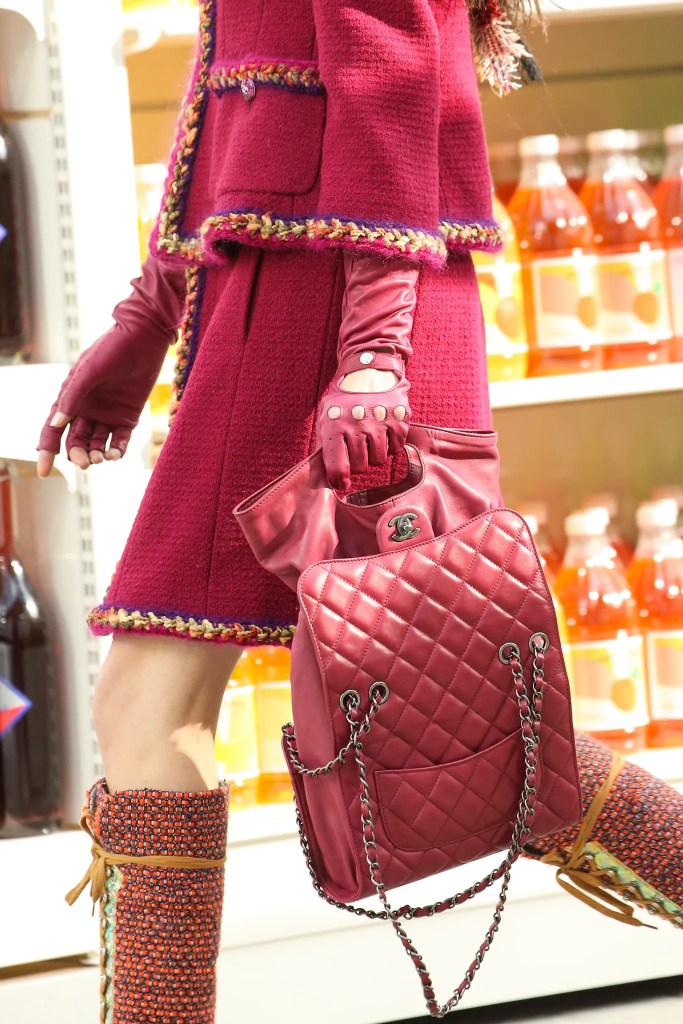
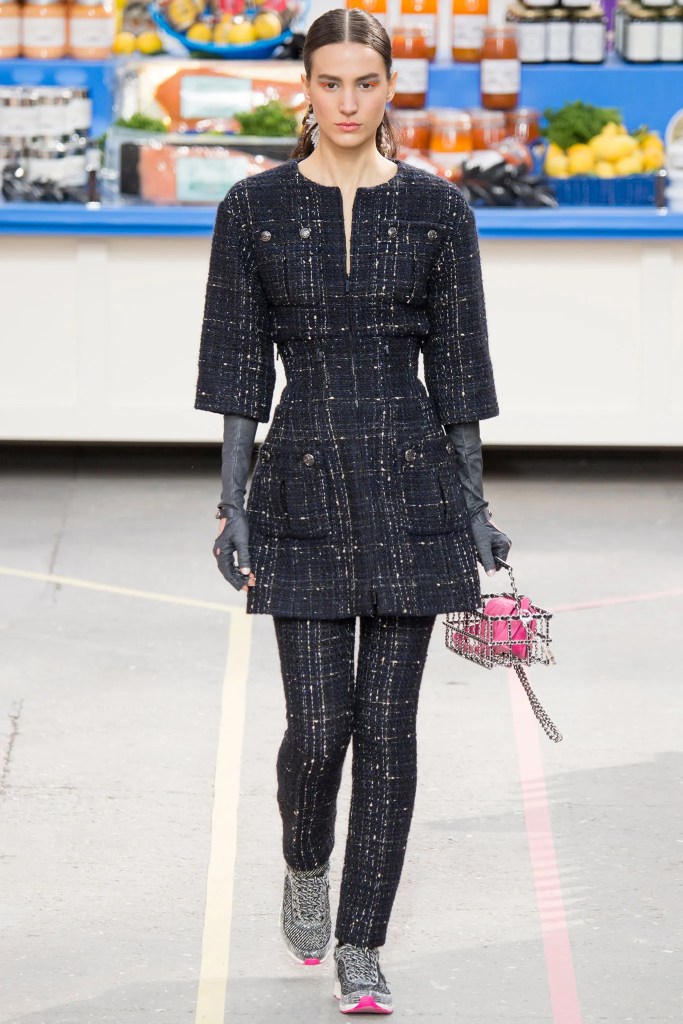
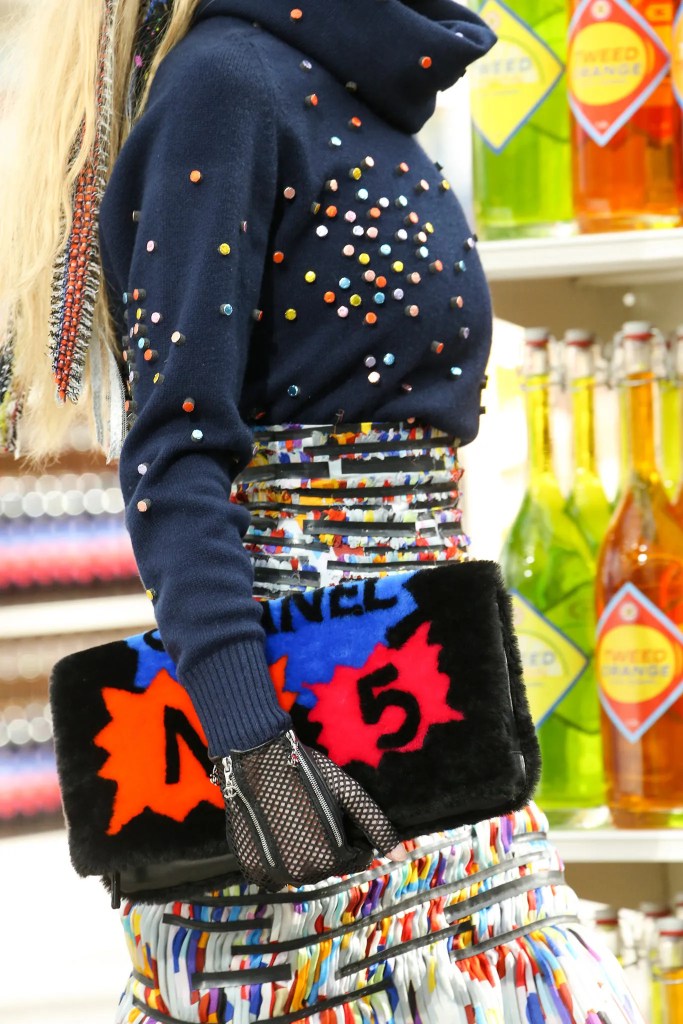
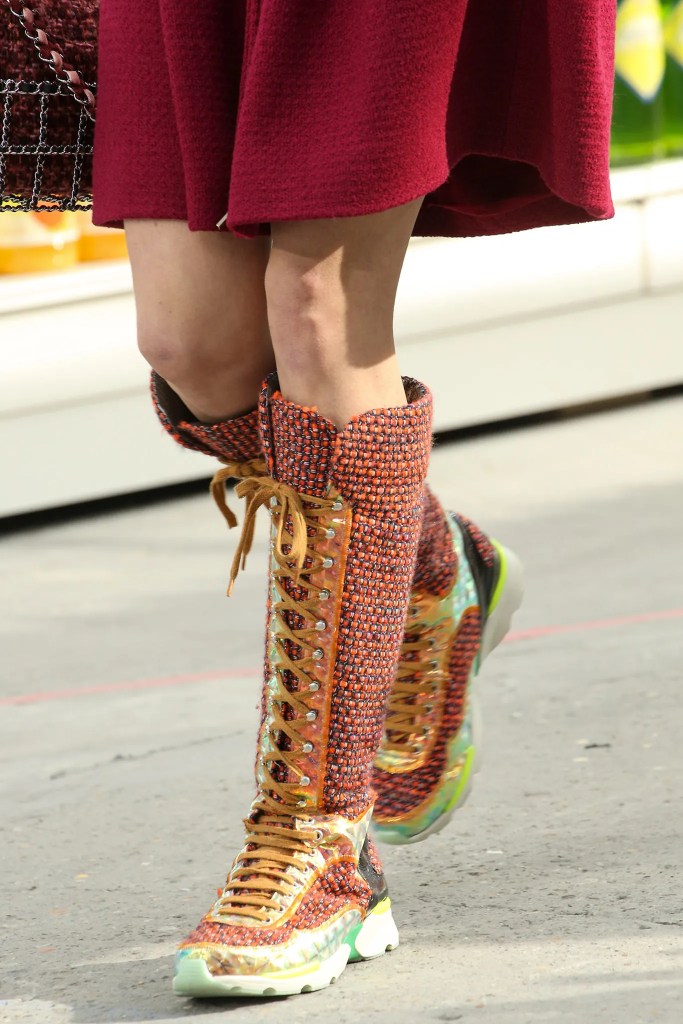
Lagerfeld’s audacious fusion of sporty influences with the elegance of tweed was a masterstroke that defied expectations. Athletic-inspired details seamlessly coexisted with tweed ensembles, culminating in a harmonious marriage of high fashion and sportswear. This audacious blend showcased Lagerfeld’s innate flair for marrying disparate styles with finesse, a testament to his unique perspective on design.
5. Texture Play: A Multisensory Experience

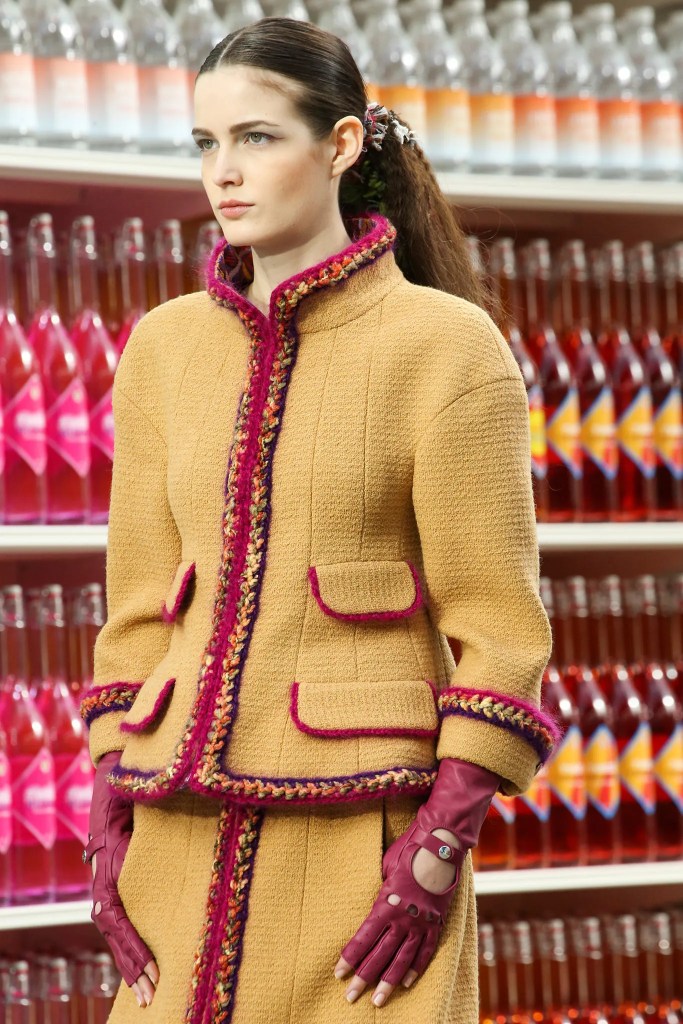
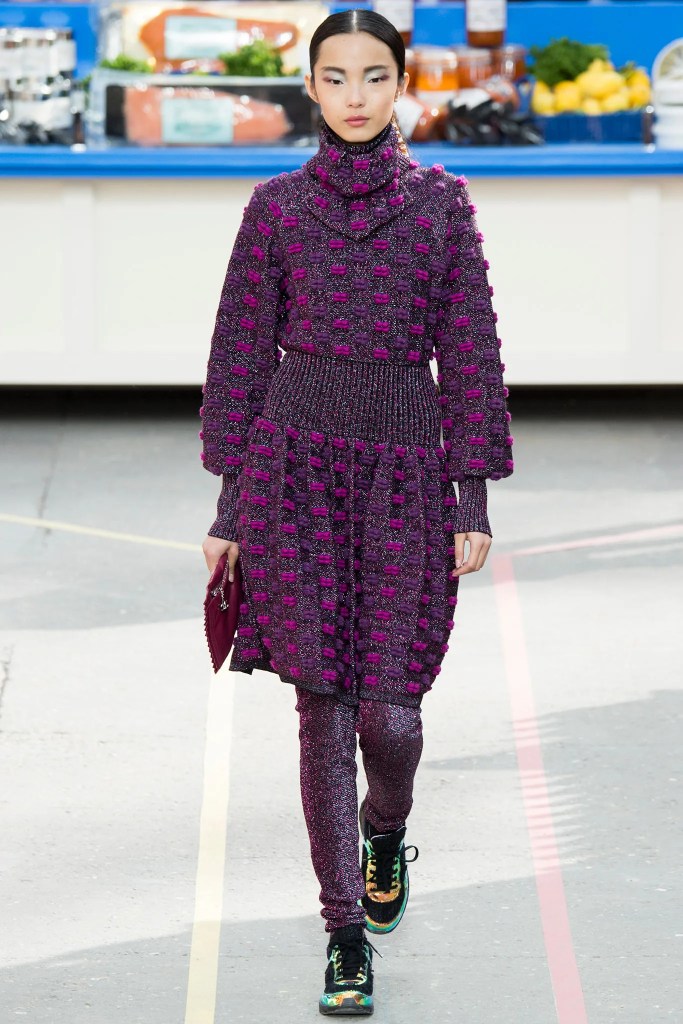
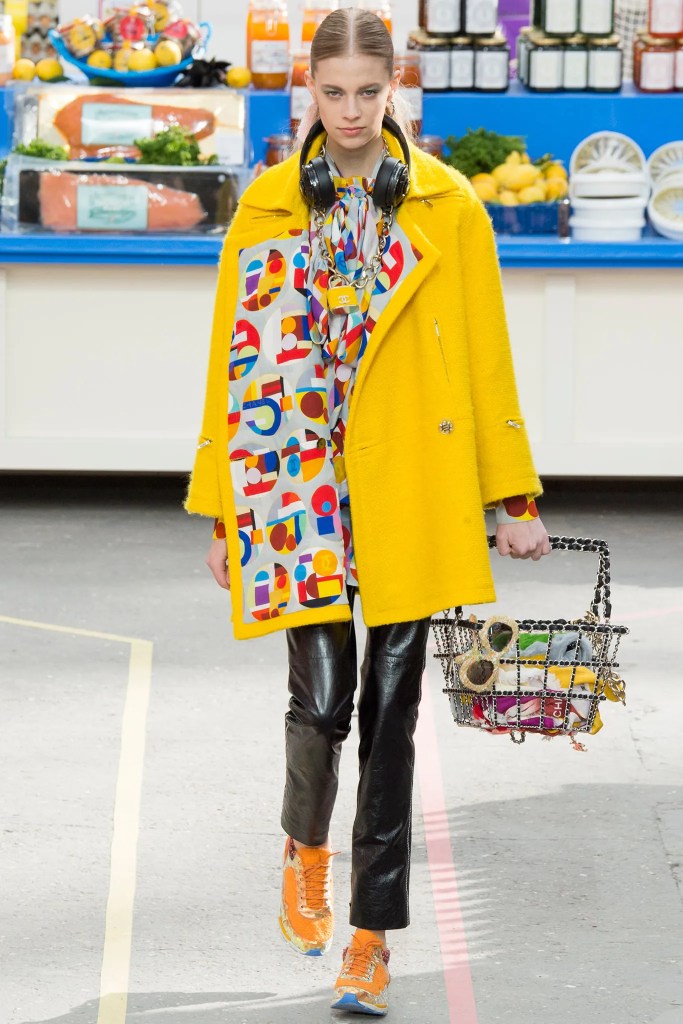
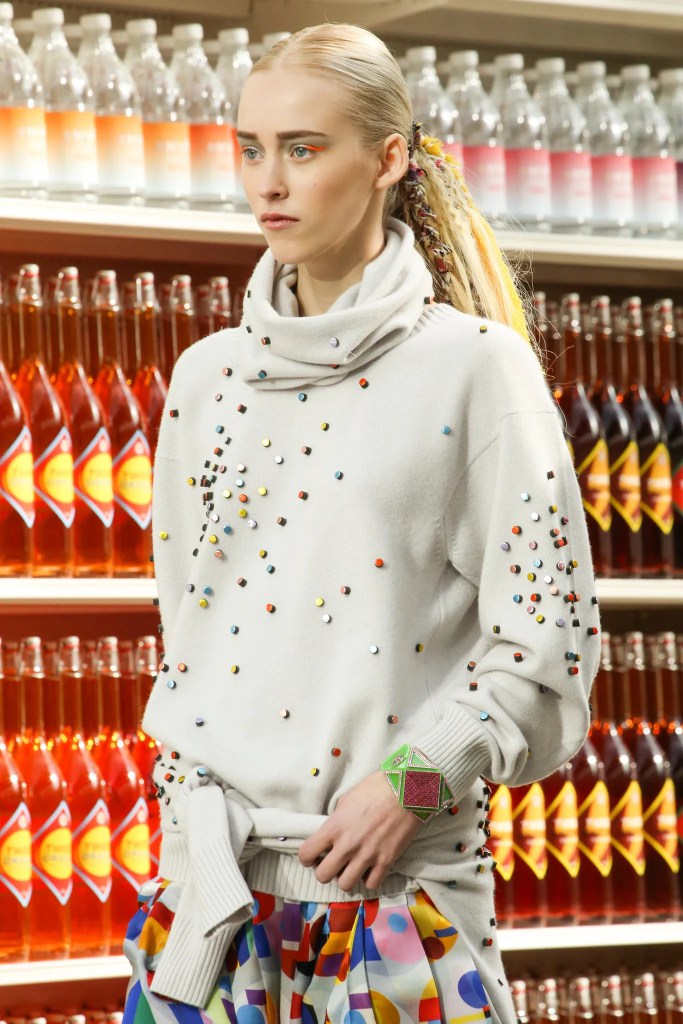
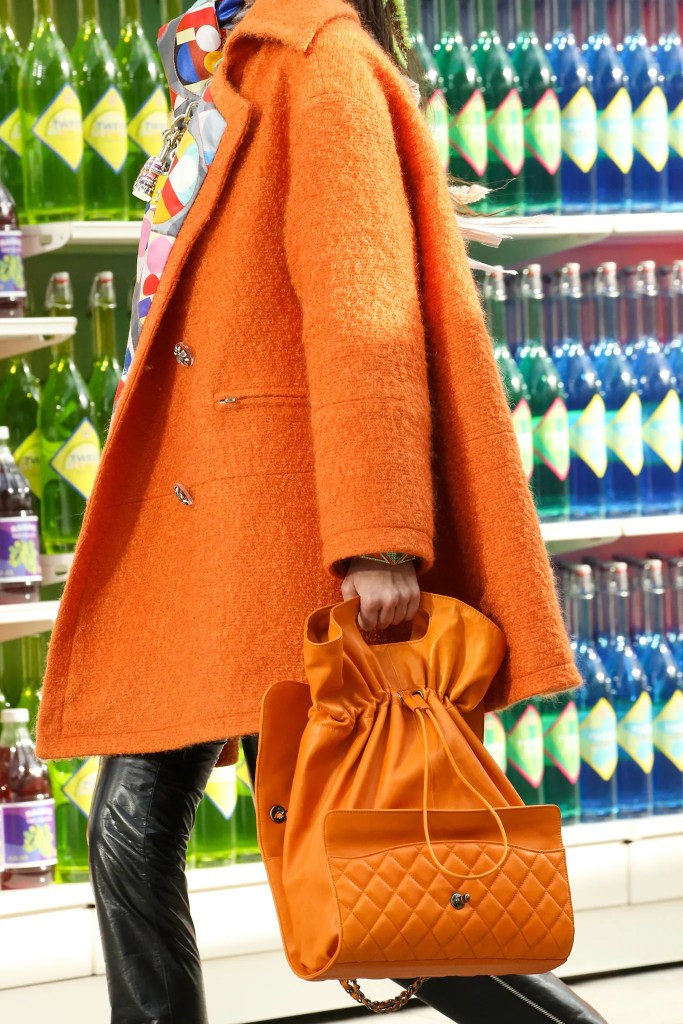
Lagerfeld’s prowess in design was further accentuated by his meticulous play with textures. The collection witnessed the amalgamation of tweed with an eclectic mix of materials, including sumptuous fur, opulent leather, and captivating metallics. This tactile symphony of materials created an enchanting narrative, elevating the sensory experience of each piece.
In summation, Lagerfeld’s Fall/Winter 2014 tweed collection for Chanel stood as a resounding testament to his avant-garde design philosophy. It was an exhibition of his audacious spirit, his capacity to push boundaries, and his unique ability to reinterpret time-honored elements within a contemporary context. This collection remains etched in the annals of fashion history as a watershed moment, forever influencing the trajectory of the iconic fashion house.
Unveiling Elegance: The Timeless Allure of Chanel’s Tweed Classic Flap Bag
Step into the captivating world of fashion history with the enchanting tale of the Chanel Tweed Classic Flap Bag, lovingly dubbed the “Chanel Tweed Classic Flap Bag,” brought to life by the visionary Coco Chanel during the revolutionary 1950s. This iconic masterpiece emerged as a poignant response to the evolving needs of women in an era marked by change and progress.
Coco Chanel, an emblem of audacious innovation, embarked on a journey to redefine fashion’s boundaries. Her avant-garde approach aimed to liberate women from constricting ensembles, weaving together comfort, practicality, and elegance. It was against this backdrop that the ever-faithful tweed fabric, already intricately linked to the Chanel brand, became the natural foundation for this groundbreaking creation.
The enchanting Chanel Tweed Classic Flap Bag, a spiritual sibling to the timeless Chanel 2.55 Flap Bag, proudly showcases hallmarks of distinction: the mesmerizing interlocking CC emblem, an elaborate quilted pattern reminiscent of stable hands’ attire, and the signature chain strap that gracefully adapts to shoulder or crossbody wear. Yet, what sets the Tweed Classic Flap Bag apart is its sumptuous tweed composition, imparting an exquisite interplay of textures.
Delve into history, where the versatility and enduring design of this masterpiece intertwine with Coco Chanel’s relentless vision for modern elegance. This embodiment of luxury seamlessly fused with function not only withstood the test of time but also found its place in fashion’s pantheon. The Chanel Tweed Classic Flap Bag’s indelible mark resonates as a testament to the brand’s unyielding commitment to harmonizing opulence and practicality, securing its status as a coveted artifact sought by both connoisseurs and collectors—a true gem in the realm of haute couture.
 curlycurlworld: Get Twisted with CurlyCurl: The Latest in Curls, Coils, and Confidence!