
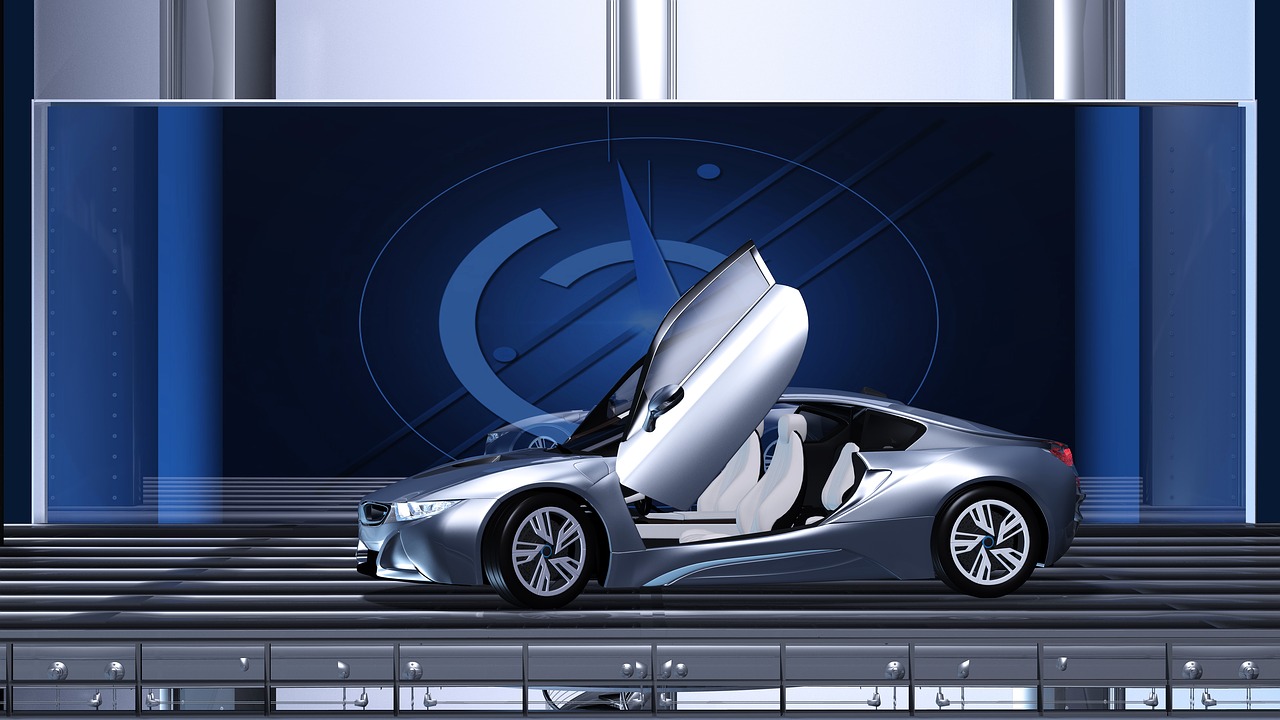
The ever-increasing concern over climate change has turbocharged a pivotal shift in the automotive industry’s gears, propelling it towards a horizon of sustainability and innovation. The realization that traditional internal combustion engine (ICE) vehicles are major contributors to the planet’s carbon footprint has spurred the quest for revolutionary alternatives. Emerging from this landscape of change, electric vehicles (EVs) have emerged as the shining knights of emission reduction, wielding their zero-tailpipe emission swords to combat the dark clouds of greenhouse gases and urban pollution.
Picture the bustling streets of a metropolis; once choked with exhaust fumes, they now find relief in the silent but powerful surge of EVs. Gone are the days when the rumble of engines echoed through the city, replaced by the whisper of electric motors. The symphony of honking horns has given way to the hum of progress, as these vehicles elegantly glide along, leaving behind nothing but cleaner air. With their reduced emissions of greenhouse gases and pollutants, EVs stand as the sentinel guardians of improved air quality, granting cities respite from the suffocating smog that once blanketed the skyline.
In densely populated urban areas, where the air quality index often plunges into hazardous territories, EVs are the knights in shining armor. They hold the promise of transformed cityscapes, where children can breathe without the fear of respiratory ailments, and pedestrians can explore the streets without a mask as their shield. In this new narrative, EVs become the steed of hope, galloping towards a horizon where the urban atmosphere isn’t a hazardous concoction of pollutants but a refreshing breath of clean, rejuvenating air.
Yet, this transformation isn’t just about the endgame of clean air; it’s about rewriting the rules of the automotive arena itself. EVs signify a paradigm shift, from the rumbling engines that guzzle fossil fuels to sleek machines driven by electricity harnessed from renewable sources. This shift is a testament to human innovation, as engineers and designers work in synergy to sculpt vehicles that not only perform but do so in harmony with the environment. Each innovation in EV technology – be it the improvement in battery efficiency, the integration of regenerative braking systems, or the development of fast-charging networks – is a stroke on the canvas of change.
Behind the scenes, automotive giants are maneuvering through complex terrain. This is no easy race for traditional automakers. The legacy of internal combustion engines is deeply rooted in the automotive DNA, and making a dramatic switch to EVs requires more than just a change of parts. It demands a complete overhaul of business strategies, supply chains, and manufacturing processes. The transition is a winding road fraught with challenges, as companies attempt to balance the demands of both traditional vehicles and the rapidly accelerating EV market.
While EVs hold immense promise, the road to their full adoption isn’t without its share of speed bumps. The charging infrastructure, for one, must expand at an unprecedented rate to support the growing EV fleet. A robust network of charging stations – conveniently accessible and widely distributed – is the backbone of EV proliferation. Moreover, the accessibility of EVs needs to extend beyond urban centers, ensuring that rural areas also reap the benefits of cleaner transportation options.
In the grand tapestry of this evolution, one of the most captivating threads is the fusion of EVs with renewable energy. EVs are not just automobiles; they are potential energy reservoirs on wheels. The concept of bidirectional charging, where EVs can discharge energy back into the grid during peak demand, is a transformative vision that could revolutionize the energy landscape. Imagine a future where EVs function not only as personal transportation but as mobile energy storage units, contributing to grid stability and enhancing the integration of renewable sources like solar and wind.
As we navigate this electrifying journey towards a greener future, it’s evident that electric vehicles have cast a spell that transcends transportation. They symbolize a convergence of innovation, sustainability, and a vision for a world where progress coexists with environmental harmony. The road ahead is charged with potential, and the role of EVs isn’t merely to replace conventional vehicles; it’s to redefine our relationship with mobility, energy, and the planet we call home.
Economic Transformation: Navigating the Electrifying Tides of Change
The rise of electric vehicles (EVs) isn’t just an eco-conscious choice; it’s a game-changing phenomenon rewriting the rules of global economies. This is no mere makeover; it’s a seismic transformation that is not only reshaping the automotive landscape but is triggering an economic ripple effect that resonates across industries, governments, and innovation hubs.
Picture this: nations once tangled in a race for oil are now sprinting towards establishing their dominance in the electrified future. The EV frenzy has opened the gates to an electrifying economic arms race, where countries vie to be at the forefront of EV innovation, manufacturing, and infrastructure. China, Europe, and the United States are leading the pack, pumping billions into EV research and development to gain a competitive edge in a world that’s redefining the mobility status quo.
As governments channel investments into EV-friendly policies and charging infrastructure, the landscape of job opportunities is undergoing a transformative shift. Walk into an EV manufacturing plant, and you’ll find a thriving hive of activity. Skilled workers assembling electric powertrains, engineers finetuning battery management systems, and designers crafting the sleek profiles that set the EV aesthetic apart. From assembly lines to research labs, EVs are sparking a surge in job creation that extends far beyond the auto sector.
Battery technology, the heart and soul of every EV, is a sector poised for revolutionary growth. Lithium-ion batteries are the crown jewels powering this green revolution, and countries are in a race to secure their supply chains. Cobalt, nickel, and lithium are the coveted resources of this modern gold rush, as nations strive to lessen their dependence on foreign sources and strengthen their grip on battery production. This tussle for resources isn’t just about creating batteries; it’s about establishing a stronghold in the next era of energy storage.
But the transformation doesn’t stop at raw materials; it’s triggering a transformative evolution even within the hallowed halls of established automakers. The emergence of EVs has nudged traditional car manufacturers to rethink their roadmaps. The clock is ticking, and automakers must adapt to this new era of wheels or risk being left behind in a cloud of green dust. The electrification demand isn’t a whisper; it’s a resounding roar for innovation and adaptation.
In this fast-paced race towards electrification, innovation becomes the fuel propelling companies forward. Electric vehicles are not just about swapping gas for electrons; they’re about reimagining mobility, connectivity, and even the driving experience itself. Advanced driver assistance systems, autonomous capabilities, and cutting-edge infotainment systems are being seamlessly integrated into EVs, turning them into tech-savvy marvels that combine futuristic transportation with the digital age’s latest offerings.
However, this thrilling revolution is not without its challenges. Traditional automakers face a delicate balancing act as they steer their established ships towards the EV frontier. The shift requires not just a technical overhaul, but a complete reimagining of business strategies, supply chains, and distribution networks. The stakes are high, but so are the rewards; those who successfully navigate this challenging curve will emerge as the architects of the electrified future.
As we buckle up for this electrifying ride, one thing is certain: the rise of EVs isn’t just about cleaner air or a shiny new car in the driveway. It’s about a seismic transformation that is electrifying industries, sparking innovation, and reshaping economies. The road ahead isn’t just a pathway; it’s a journey into the uncharted territories of a world redefined by electric energy, economic prowess, and a collective vision for a cleaner, greener tomorrow.
Advancements in EV Technology: Unleashing the Thunderbolts of Innovation
Hold on to your seats, because the world of electric vehicles (EVs) is more than just a silent revolution; it’s a symphony of cutting-edge innovations that’s rewriting the automotive playbook. From futuristic batteries to autopilot prowess, the rapid surge of EV technology is sparking an electrifying frenzy that’s captivating not just car enthusiasts, but anyone with a hint of curiosity for what the future holds.
Gone are the days when EVs were seen as quirky alternatives with limited range. Enter the era of batteries that pack a punch like never before. The magic here lies in the art of battery chemistry, as scientists and engineers dance with lithium, cobalt, and nickel to create power storage units that push the boundaries of efficiency and performance. The result? EVs that can travel longer distances on a single charge, challenging the very notion of range anxiety that once haunted electric dreams.
But what’s range without a dash of speed? Charging infrastructure, once considered a bottleneck, is undergoing a revolution of its own. Superchargers, capable of juicing up EVs at lightning speed, are sprouting like electronic oases across the urban landscape. A coffee break is all it takes to add a significant chunk of mileage to your EV’s journey, turning long waits into short pit stops.
Yet, EVs are not just about getting from point A to B. They’re about injecting a dose of science fiction into everyday life. Autonomous driving capabilities are pushing the boundaries of possibility, turning cars into co-pilots that navigate the roads with an electronic finesse. Picture yourself relaxing in your vehicle, hands off the wheel, as it cruises through traffic, anticipates road hazards, and adjusts its trajectory accordingly. The future is no longer just knocking; it’s barging in with an invitation to redefine the way we experience mobility.
And if autonomy is the brain of the operation, the infotainment system is the heart that keeps drivers and passengers engaged. Touchscreens, gesture controls, and voice-activated assistants are turning EV interiors into interactive playgrounds. Information, entertainment, and navigation are seamlessly integrated into a symphony of digital innovation, transforming the drive into an immersive experience that’s more than just a commute; it’s a journey through a high-tech wonderland.
But perhaps the most thrilling aspect of EV technology is its democratizing effect. No longer are these electric marvels reserved for the elite. Advancements are not just about adding features; they’re about making EVs accessible to a wider audience. The ongoing push for affordability is paving the way for electric vehicles that cater to every budget bracket, bringing us closer to a reality where the electric hum of motors is a common soundtrack on every street.
In this electrified renaissance, the race to innovate is more than just a pursuit of profit; it’s a quest to redefine our relationship with transportation. From battery chemistry to autonomous capabilities, each advancement is a brushstroke on the canvas of a cleaner, smarter future. As we step into this brave new world of electric possibilities, remember that what was once a niche concept is now a full-fledged movement that’s rewriting the narrative of mobility, technology, and the very essence of what it means to be in the driver’s seat. So buckle up, because the ride ahead is not just electrifying; it’s a journey into a realm where innovation has no speed limit and the road less traveled is paved with endless electrifying potential.
Navigating the Electrified Crossroads: Traditional Automakers’ Uphill Battle
In the heart of the automotive industry, a storm is brewing as established automakers face a Herculean challenge: transitioning from the comforting hum of internal combustion engines (ICE) to the electric symphony of the future. But make no mistake, this electrifying journey isn’t a smooth cruise down a newly paved highway; it’s a rollercoaster of trials, dilemmas, and bold reinventions that could redefine the very essence of these industry titans.
Picture a behemoth automaker, with decades of legacy, churning out ICE vehicles by the thousands. Now, imagine a sudden pivot towards electric vehicles, demanding an overhaul of not just the assembly line, but the very DNA of the company. The challenge is colossal; it’s not just about slapping an electric motor into an existing chassis. It’s about a revolution from within, a transformation that permeates every level of the company’s structure.
At the forefront of this transformation is the thorny issue of infrastructure. While the world pivots towards EVs, a robust network of charging stations is the glue that holds the EV ecosystem together. Traditional automakers, accustomed to relying on a well-established fossil fuel infrastructure, are now grappling with the monumental task of creating a network that can recharge thousands of vehicles without causing long queues at charging stations or taxing the grid beyond its limits.
And then there’s the elephant in the room: battery production. The heart and soul of every EV, these lithium-ion powerhouses require a complex dance of chemistry, materials, and engineering. Establishing a secure supply chain for batteries is akin to securing the crown jewels of the EV kingdom. Automakers must grapple with questions of sourcing materials, setting up production facilities, and maintaining quality control as they dive into the electric realm.
But it’s not just the technical challenges that make this transition a high-stakes poker game; it’s the delicate balance between two worlds. On one hand, there’s the insatiable demand for traditional vehicles, those roaring ICE beasts that have defined the industry for over a century. On the other hand, there’s the promise of a greener, more sustainable future, where EVs reign supreme. This balancing act, fraught with uncertainty, has automakers tiptoeing across a tightrope, wary of alienating their loyal customer base while also embracing the seismic shift towards electric technology.
The transformation extends beyond just the vehicles themselves; it’s about reshaping the brand narrative. Traditional automakers must walk the fine line between paying homage to their legacy while projecting a forward-looking image that resonates with the environmentally conscious consumer. The challenge is to seamlessly weave the tale of evolution, showcasing how the transition from the roar of the past to the whisper of the future is the ultimate testament to innovation.
Yet, amid these challenges, a glimmer of hope shines through. The automotive industry has weathered storms before, evolving through oil crises, economic downturns, and technological revolutions. Each challenge has propelled it to newer heights, fueled by the audacity of reinvention. The shift towards electric vehicles is no different; it’s a chance for established giants to reinvent themselves, to prove that adaptability is their strongest asset, and that embracing change can yield monumental rewards.
So, as the automotive titans navigate this electrified maze, remember that the journey isn’t just about switching gears; it’s about rewriting the narrative of an industry that has powered our lives for generations. The challenges are immense, the stakes are high, but the rewards – a cleaner, greener future – are worth every obstacle overcome, every dilemma conquered, and every innovation embraced. In this electrifying saga, the transition from ICE to EVs isn’t just an industry shift; it’s a narrative of metamorphosis, resilience, and the unstoppable pursuit of progress.
Embracing the Power of the Sun: Unleashing the Synergy Between Electric Vehicles and Renewable Energy
Imagine a world where the relentless rays of the sun not only warm your skin but power the very vehicle you drive. It’s a world where electric vehicles (EVs) aren’t just modes of transportation, but mobile energy reservoirs that bridge the gap between sustainable mobility and renewable power. This electrifying vision isn’t just a distant dream; it’s a reality being painted by the hands of innovation and powered by the fusion of EVs and renewable energy.
In this age of climate consciousness, the coupling of EVs with renewable energy sources is a symphony of harmony between two forces of nature – technology and sustainability. The marriage between the dazzling sheen of solar panels and the silent purr of electric motors is a match made in eco-heaven, with implications that ripple through the fabric of energy consumption, storage, and distribution.
At the core of this transformation lies the concept of bidirectional charging. Imagine your EV not just as a vehicle, but as a dynamic link between the energy grid and your daily life. During peak energy demand, your EV doesn’t just sit idle; it becomes a willing contributor, injecting stored energy back into the grid. It’s a give-and-take dance, as your EV supports the energy needs of your home, your community, or even the entire city, all while basking in the glow of renewable energy.
But this dance isn’t just about pushing energy back into the grid; it’s about optimizing every move for maximum efficiency. Enter the stage: smart charging systems. These technological choreographers analyze energy availability, grid demand, and even weather patterns to craft a symphony of charging strategies. If the sun is shining and the wind is blowing, your EV knows it’s the perfect time to recharge, tapping into renewable energy sources at their peak. It’s a dance of data and electrons, all orchestrated to ensure that every watt of energy is harnessed to its fullest potential.
And let’s not forget the role of energy storage. EVs, with their lithium-ion hearts, have the potential to store energy harvested from renewable sources, becoming mobile power banks that defy the limitations of traditional energy storage systems. Picture this: you park your EV under the blazing sun, and as it absorbs energy, it simultaneously charges itself and stores surplus energy for your home’s needs. It’s a virtuous cycle, where every kilowatt-hour harvested is a step towards energy independence and a greener tomorrow.
But this isn’t just about individual cars and homes; it’s about revolutionizing the very way we approach energy consumption. The EV revolution isn’t just about transitioning from gasoline to electrons; it’s about embracing a holistic lifestyle that combines mobility and energy consciousness. It’s about integrating our vehicles into an ecosystem where they don’t just consume energy, but actively participate in its generation and distribution.
So, as we embrace the sun-soaked horizon of the future, let’s remember that the synergy between EVs and renewable energy isn’t just a technical feat; it’s a harmonious narrative that celebrates the power of innovation, sustainability, and our collective commitment to a greener world. As electric vehicles steer towards this intersection of technology and nature, they’re not just changing lanes; they’re driving us towards a horizon where energy isn’t just consumed; it’s created, shared, and celebrated in the dance of electrons and sunlight.
A Pioneering Road Ahead: Driving Towards a Greener Tomorrow with Electric Vehicles
As the dust settles from the rapid acceleration of electric vehicles (EVs) onto the global stage, what emerges is not just a mere revolution in transportation, but a testament to the indomitable human spirit to innovate, adapt, and carve a path forward in the face of looming environmental challenges. The symphony of silent EVs gliding through urban streets speaks volumes about our capacity to embrace change and rewrite the narrative of our relationship with technology, nature, and progress.
The automotive industry, once synonymous with the growl of internal combustion engines, is now humming a new tune that resonates with sustainability. This seismic shift isn’t just a one-way ticket to cleaner air; it’s a gateway to economies transformed, industries reimagined, and a future that pulses with the promise of greener tomorrows. The journey towards EVs isn’t a solitary trek; it’s a collective voyage that touches every corner of our interconnected world.
On the economic front, the tectonic plates are shifting as nations and industries converge on the potential of EVs. This evolution isn’t merely about manufacturing electric vehicles; it’s about creating an ecosystem that supports innovation, jobs, and growth. The race towards EV supremacy isn’t just a finish line for automakers; it’s a starting point for a wave of economic transformation that ripples through supply chains, energy markets, and innovation hubs.
Amid the cacophony of charging stations and the hum of electric motors, technology is experiencing its own renaissance. The rise of EVs isn’t just about changing how we move; it’s about how we interact with our vehicles and the world around us. Autonomy, infotainment, and energy efficiency are the brushstrokes that paint a picture of the electric future, where every commute becomes an opportunity to engage, learn, and experience the digital age in motion.
But perhaps the most profound transformation is the one that isn’t visible at first glance. Beneath the gleaming bodies and futuristic features, EVs are harbingers of a paradigm shift in energy consumption. They are ambassadors of a world where renewable energy isn’t just an option; it’s a way of life. The fusion of EVs with renewable energy sources isn’t just a technologically impressive feat; it’s a harbinger of hope for a planet grappling with climate change. It’s a tapestry woven with threads of innovation, sustainability, and a shared commitment to steering towards a cleaner horizon.
In the final chapter of this electric saga, we’re not just changing the way we drive; we’re rewriting the future we drive towards. The road ahead is charged with the potential to redefine industries, reshape economies, and reinvigorate our planet. The transition to EVs isn’t just a detour from fossil fuels; it’s a transformative journey towards a world where mobility isn’t just efficient; it’s sustainable, where technology isn’t just advanced; it’s harmonized with nature, and where progress isn’t just measured by speed; it’s gauged by the reduction of our carbon footprint.
So, as we navigate this electrified path, let’s remember that the story of electric vehicles isn’t just about cars; it’s about resilience, innovation, and the undying human spirit that surges forth in the face of challenges. The road ahead may be winding, but it’s one that holds the promise of a cleaner, more sustainable future for generations to come. As we shift gears towards EVs, let’s not just drive; let’s pave the way for a world where innovation, adaptation, and environmental consciousness come together in a symphony that’s heard not just in the streets, but across the echo chambers of time.
 curlycurlworld: Get Twisted with CurlyCurl: The Latest in Curls, Coils, and Confidence!