
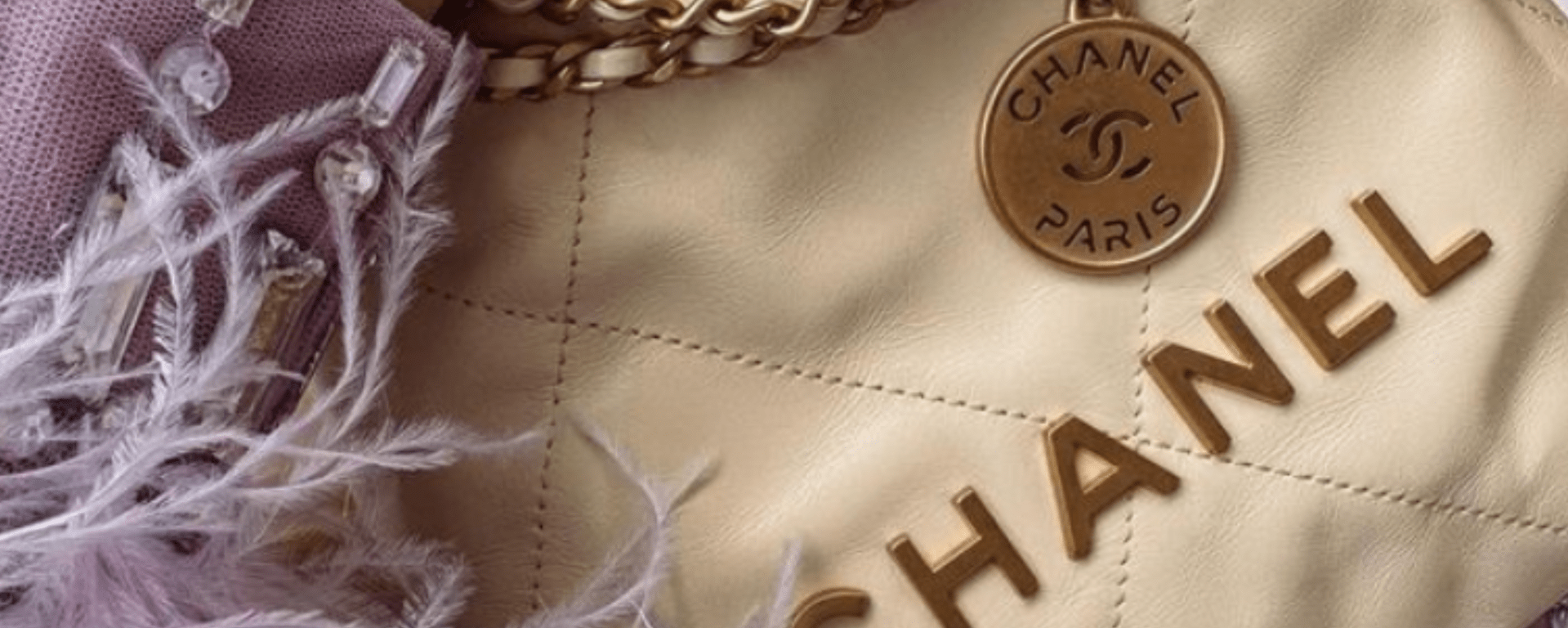
A survey by Untold Insights in January showed how the rising cost of living is having a detrimental effect on the standard of the purchases made by the younger generation. Gen Z and even many Millennials find themselves spending their money on affordable items, such as fast fashion and knockoffs, unintentionally affecting the environment. This is because they are forced to favor cheaper things. The most recent statistics from EQUIPO supported a trend found in a recent study on how European citizens view intellectual property.
The study also reveals that 1 in 3 Europeans (31%) still believe buying counterfeits is acceptable due to the high prices of authentic products, even if knowledge of the hazards and consequences of doing so and getting content from unlawful sources is growing. This number climbs to one in two for customers between the ages of 15 and 24. In the past year, 13% of Europeans claim to have purposefully purchased counterfeit goods. This percentage climbs to 26% among those aged 15 to 24, which is twice the EU average, while falling to 6% among those aged 55 to 64 and below 5% among those aged 65 and above. Although the possibility of negative experiences (substandard products for 27% of individuals, safety risks for 25%, and penalties for 21%) is a significant deterrent for consumers from purchasing counterfeit goods, there is also growing skepticism about authenticity. Nearly 40% of Europeans (39%) express uncertainty that the thing they are purchasing is a fake, and among young people, this doubt is shared by 50% of them. Although the younger generations are most engaged in environmental issues, their decisions are increasingly being influenced by economic factors unrelated to their sense of civic responsibility.
 curlycurlworld: Get Twisted with CurlyCurl: The Latest in Curls, Coils, and Confidence!