
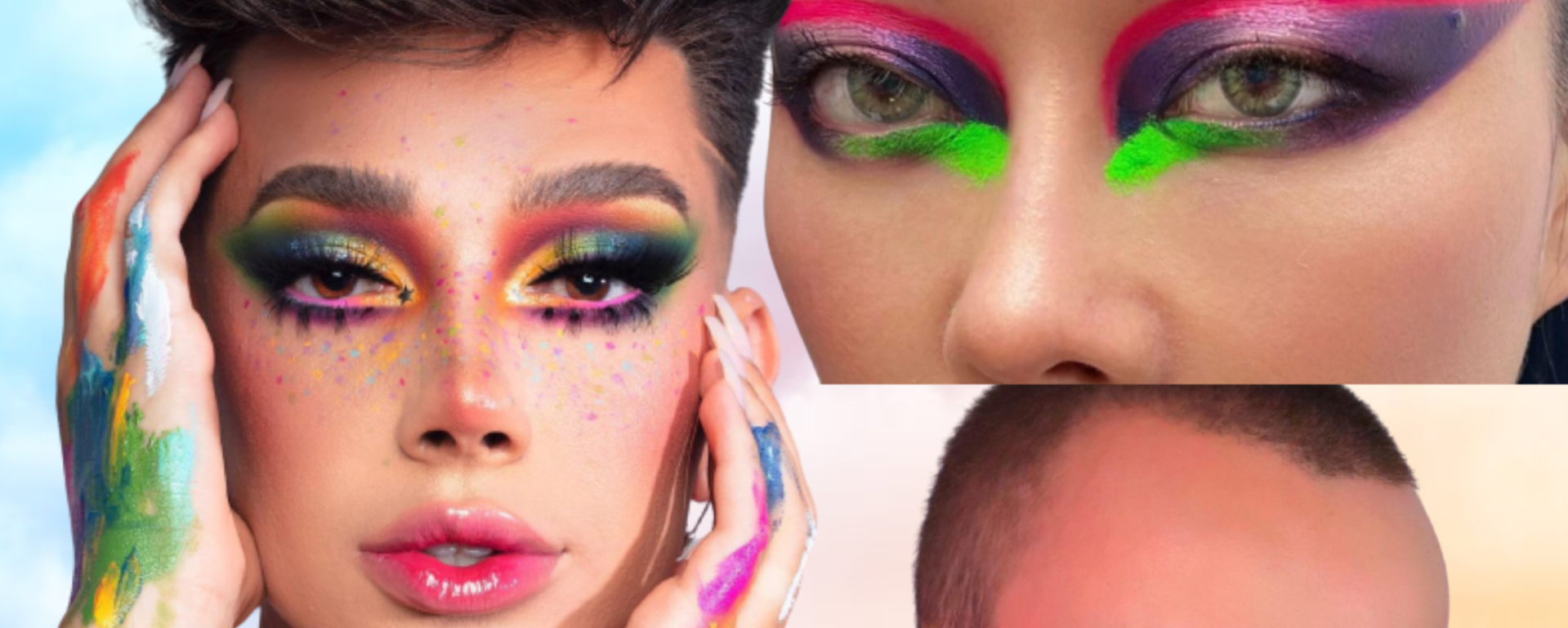
when using color as a pleasant and unrestricted form of personal expression
A series of cafeterias on Christopher Street in Sheridan Square, including the Life Cafeteria, which was not far from where the Stonewall Riots broke out decades later, gave homosexual men in New York a venue to gather in the public throughout the 1930s and 1940s. According to George Chauncey and Rae Nudson in All Made Up: The Power and Pitfalls of Beauty Culture from Cleopatra to Kim Kardashian, openly gay men ate and talked while sitting by the window, drawing a mob of bystanders to watch them. They frequently had long hair and heavy makeup. The Diagnostic and Statistical Manual of Mental Disorders (DSM) at the time classified homosexuality as a sexual deviation, and it was against the law in the US to hold hands, kiss, or dance in a “non-heterosexual dynamic” or wear more than three pieces of clothing “appropriate to their sex.” Anyone who disobeyed hetero-cisgender norms and did not dress, wear makeup, or style their hair according to their natal sex ran the possibility of being arrested. At the same time, a particular makeup or clothing feature made it easier for LGBTQIA+ people to identify one another and provide a secure space where they could connect.



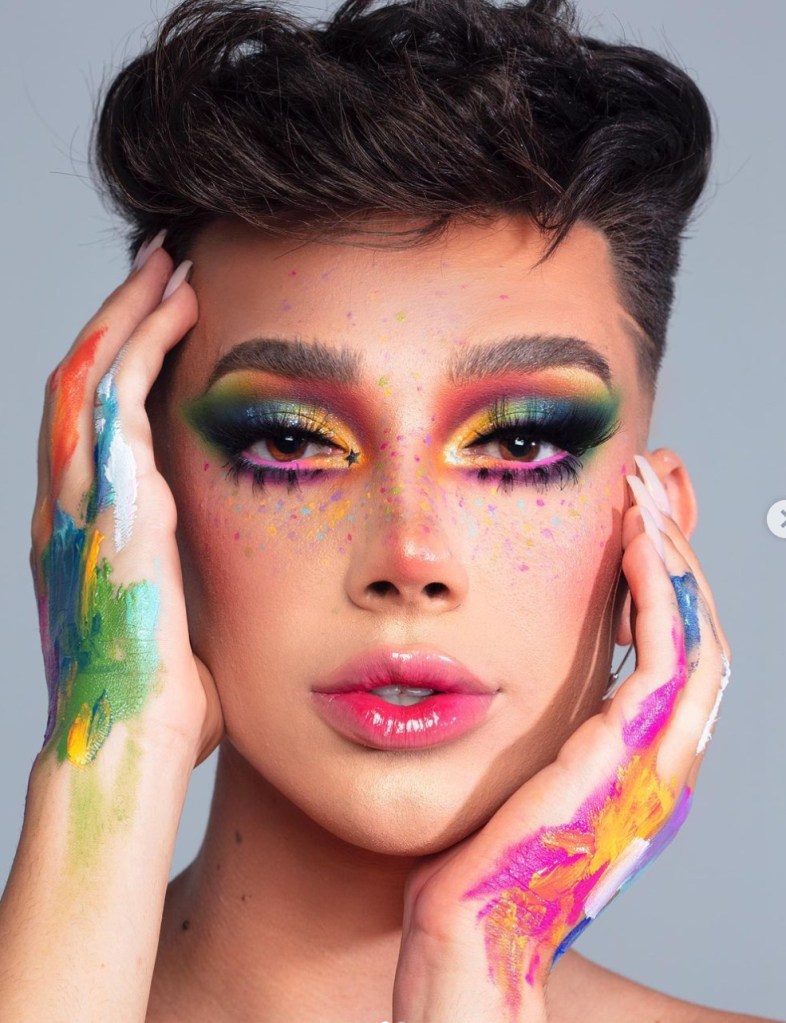
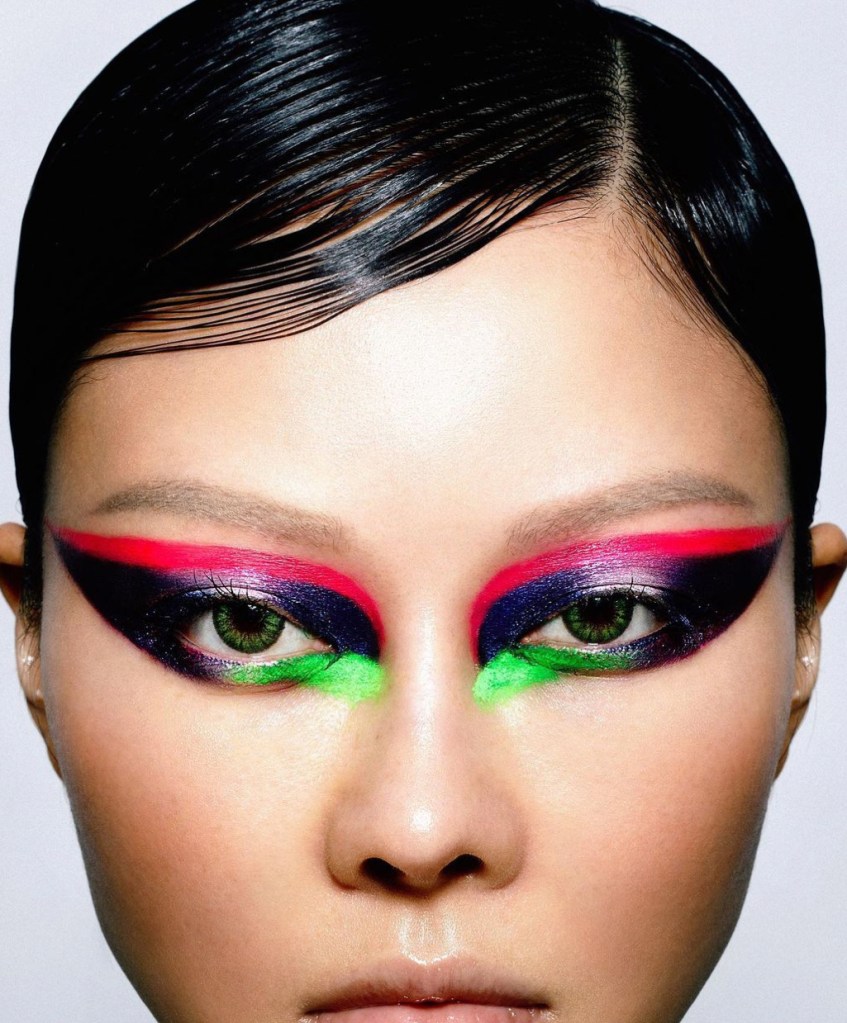

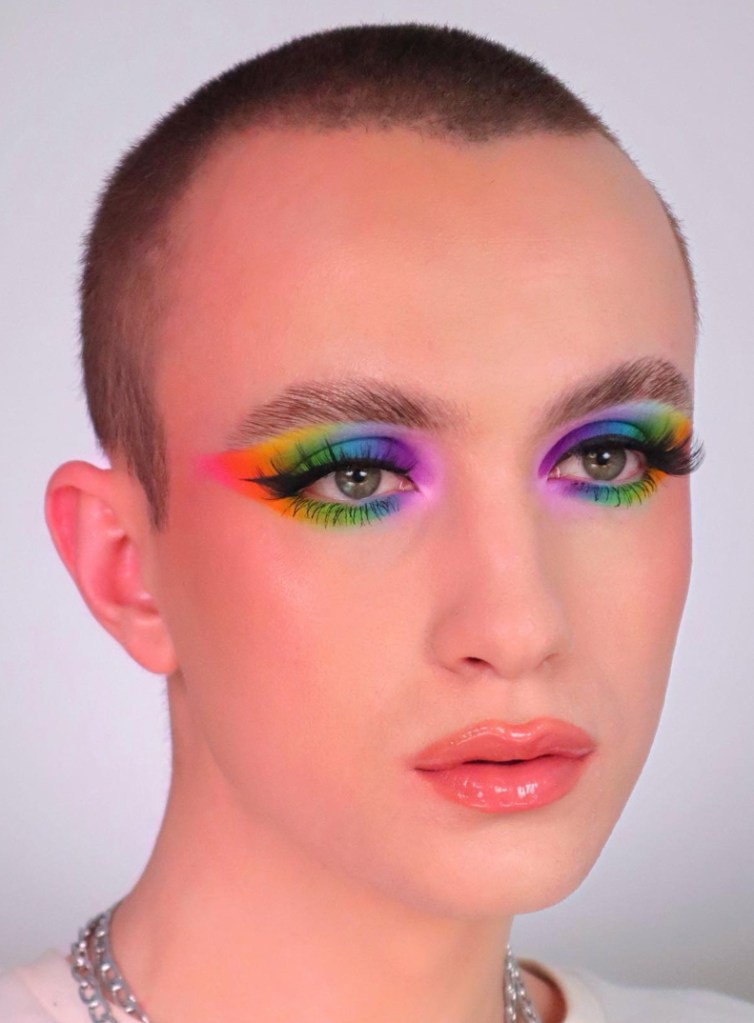
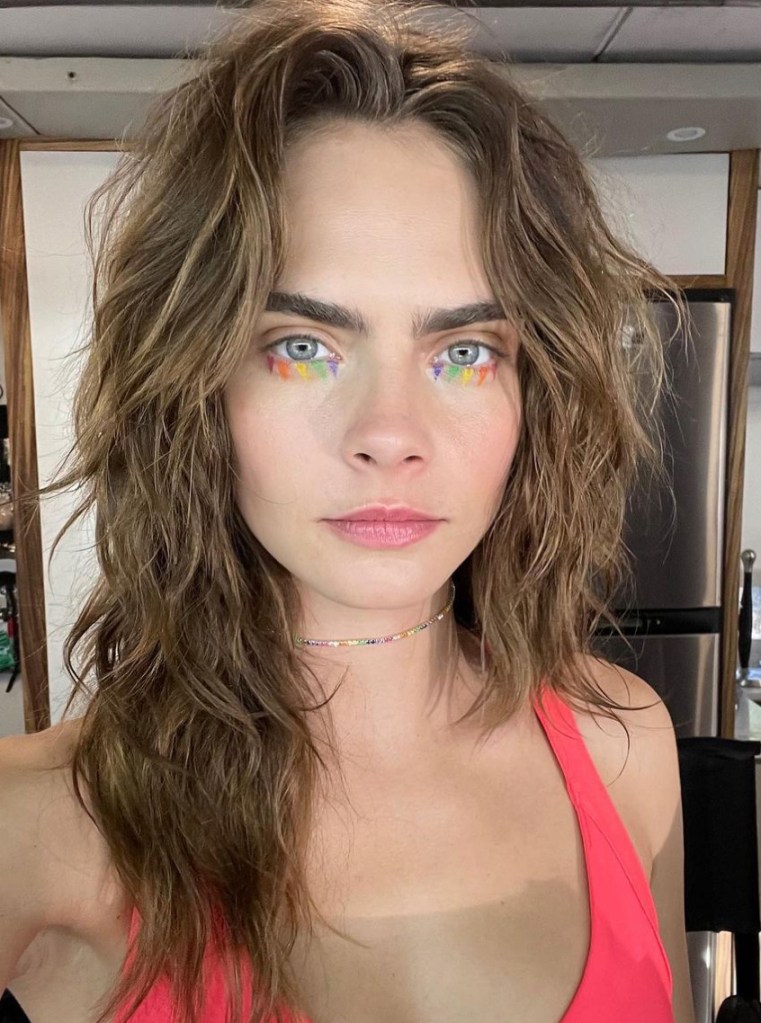

Visitors to the Life Cafeteria turned ordinary settings into stages where breaking gender norms was “less offensive because less threatening” by highlighting the theatricality of their look and daring to wear eyeliner and blush. They rebelled against restrictions that limited gender appearance by claiming public locations in the city and by donning makeup. This is but one small illustration of the various meanings that makeup can have. Many people, including those in the LGBTQIA+ community, can use it as a weapon to challenge cultural expectations, gender norms, and outdated beauty standards. For some, it can be a shield to hide flaws and face daily life with more confidence. For another group of people, it can be a shackle, a way to conform to beauty dictates. This is yet one small illustration of the various meanings that makeup can have. Many people, including those in the LGBTQIA+ community, can use it as a weapon to challenge cultural expectations, gender norms, and outdated beauty standards. For some, it can be a shield to hide flaws and face daily life with more confidence. For another group of people, it can be a shackle, a way to conform to beauty dictates.
Makeup is like a tool to show one’s identity, whatever that may be: personal, transforming, fun, creative, and profound. During Pride Month, it takes on even more significance as a visual language that communicates beauty and self-affirmation. The LGBTQIA+ community, gay culture, and all things Pride should be celebrated every day, and June is the month to remember this. It’s a terrific time to spend money on anything glitzy, vibrant, and distinctive.
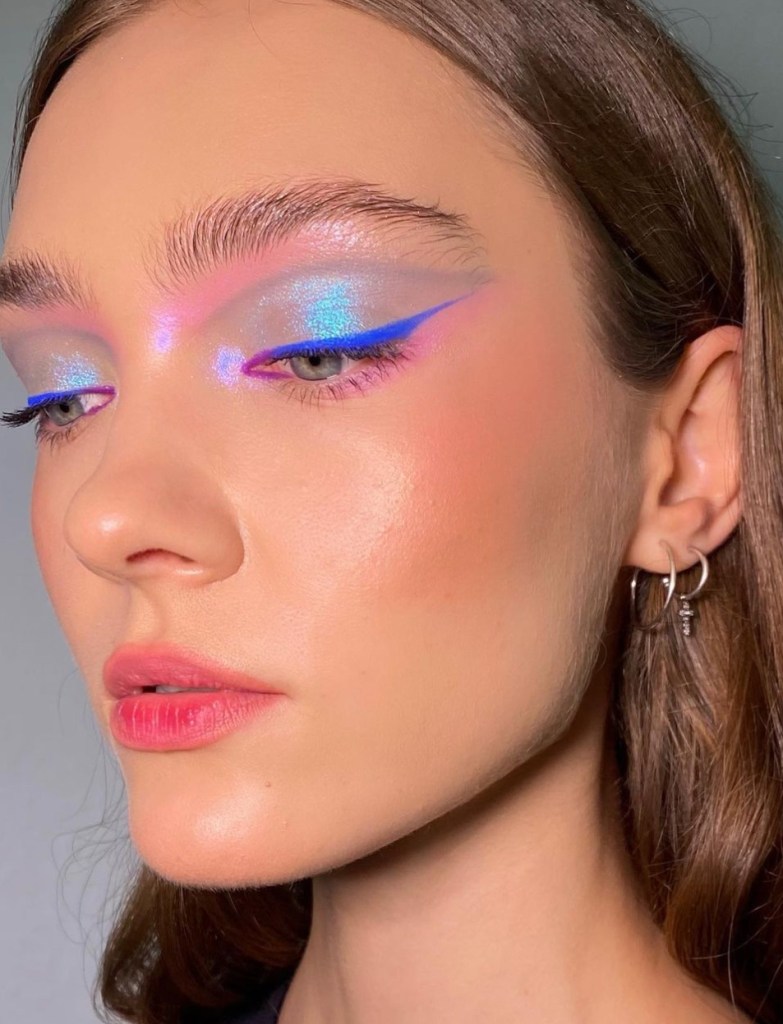
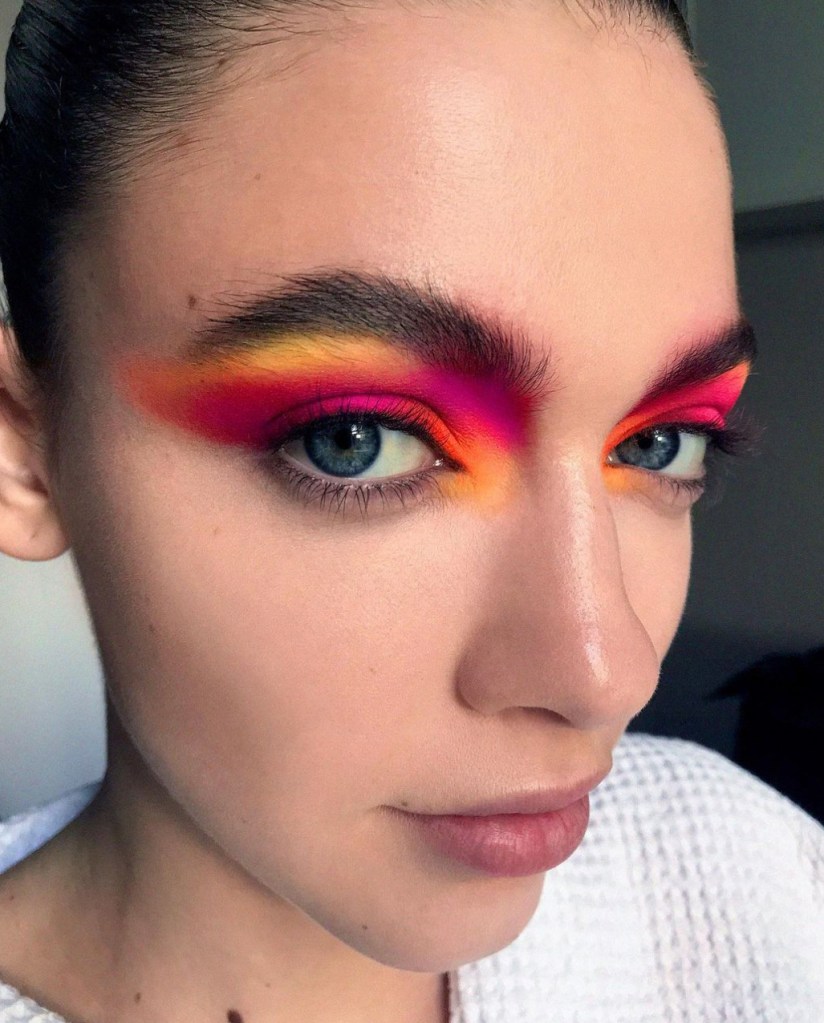
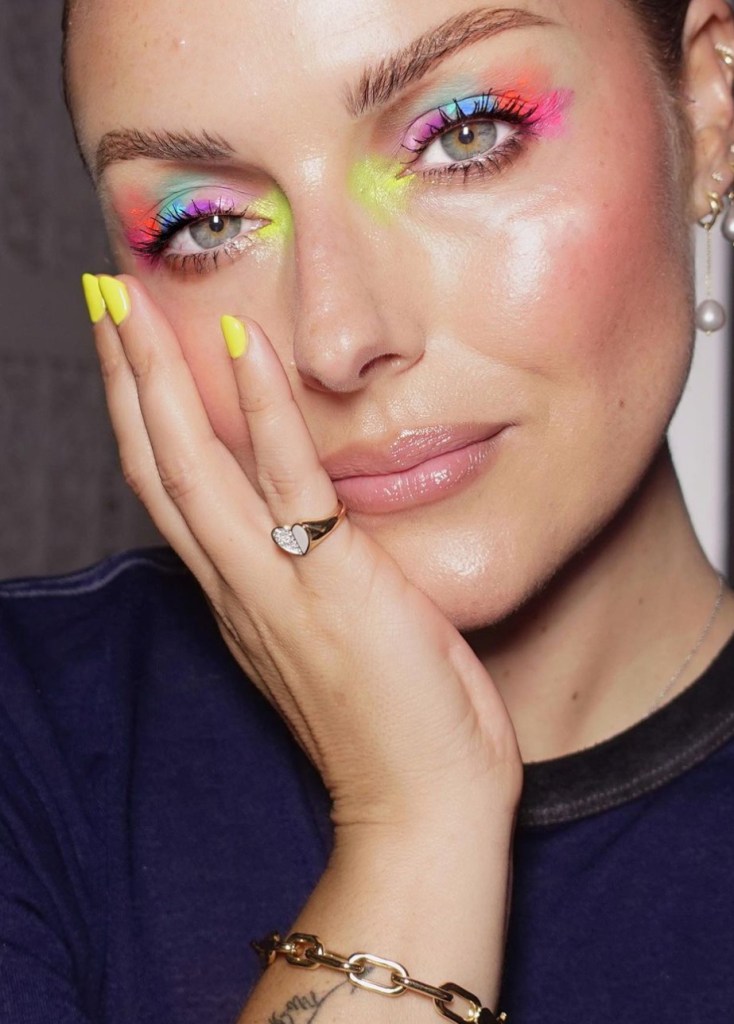
So why not adopt the current season’s happiest and brightest beauty trend? The condition is known as “Watercolor Tears,” and it involves concentrating color around the tear duct. Applying a little eye makeup to this region and leaving the rest of the eyelid natural is all that is necessary for those who choose a more understated appearance. The best effect, nevertheless, is produced by a rainbow explosion under the lower lash line, on the eyelid, and on the eyes. Let your imagination run wild, much like when you were a kid and painted an abstract picture or played with markers. The six colors of the rainbow flag, which were developed by artist Gilbert Baker in 1978, can be combined for Prime Month: Red (the color of life), Orange (health), Yellow (sunlight), Green (nature), Indigo (harmony), and Purple (spirit). Alternately, combine geometric lines and pigment spots, and don’t be afraid to use less glitter, neon colors, and metallic finishes. The finished look should have a “dewy” or smudged appearance, as if the eyeshadow had been applied erratically and unevenly.
 curlycurlworld: Get Twisted with CurlyCurl: The Latest in Curls, Coils, and Confidence!